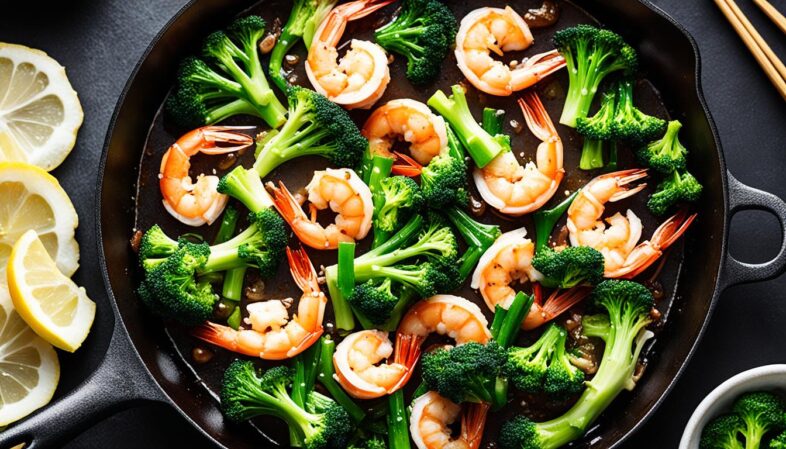
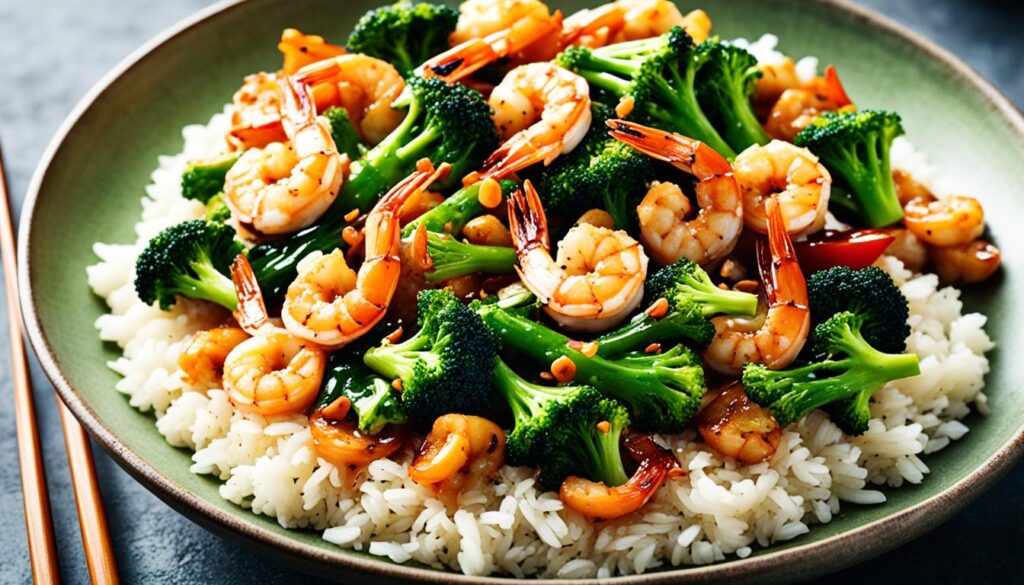
Thirty minutes, start to finish, once everything’s prepped — that’s basically the pitch for this shrimp and broccoli stir fry with oyster sauce. This is the dish I turn to on nights I want something with that takeout flavor, but without the wait or the delivery fee tacked on. Serves four. The catch — or really, the upgrade — is a homemade oyster sauce in place of the bottled jar version. Made more of a difference than I expected, the first time I tried it.
Getting Started with Shrimp and Broccoli Stir Fry
Stir fry has one real requirement: speed. Everything chopped, measured, sitting within reach, before the pan even gets hot. There’s no room to pause and chop something halfway through.
Learned this one the hard way, honestly. Early on, my stir fry attempts were a disaster — I’d step away from the pan mid-cook to prep something I should’ve handled beforehand, and that gap was always enough to wreck something. By the time I got back, things had stuck or overcooked. So: chop everything first. Measure everything first. Keep it all within arm’s reach. Then start cooking, not before. If this style of meal works for you, give the shrimp and dumpling stir fry a shot next — same fast pace, different protein pairing.
One more thing before diving in. A clean, well-seasoned skillet matters here more than it does for almost any other cooking method, since you’re working at high heat with barely any oil. Cleaning your skillet properly ahead of time keeps food from sticking, and it’s part of how you get that slight char flavor a good stir fry’s supposed to have.
Essential Ingredients for the Perfect Stir Fry
Shrimp, broccoli, a few aromatics, and the right sauce base — that’s the dish. Everything past that point is rounding out flavor, not carrying it.
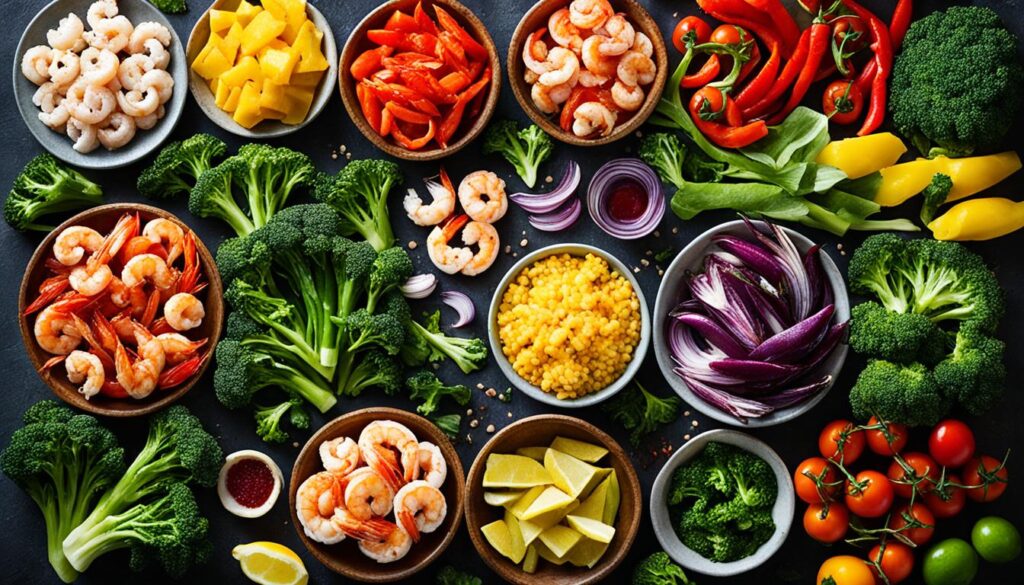
For the stir fry
- 1-1/2 lbs large shrimp, peeled and deveined (tail on or off, your preference)
- 4 cups broccoli florets
- 3 cloves garlic, minced
- 1 tbsp fresh ginger, minced
- 2 green onions, sliced, white and green parts separated
- 2 tbsp vegetable oil, divided
- 1 tsp sesame oil
- 1 tsp sesame seeds, for garnish, optional
For the oyster sauce
- 1/3 cup oyster sauce
- 2 tbsp soy sauce
- 1 tbsp rice vinegar
- 1 tbsp brown sugar
- 1/2 cup chicken broth or water
- 1 tsp cornstarch
- 1/4 tsp white pepper
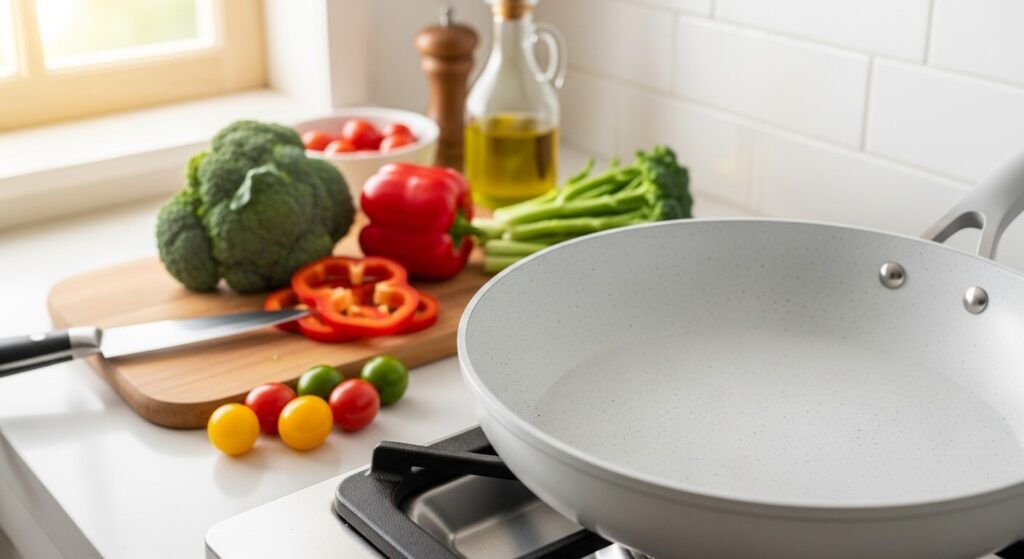
I used to just grab a bottled oyster sauce and call it a day. Then I started doctoring it — a bit of broth, some sugar, a splash of rice vinegar — and the result was different enough that I haven’t gone back since. If you happen to be in the market for new cooking gear around the same time, this ceramic electric skillet is worth a glance. Not required for this recipe. Just a decent option if your current pan’s on its way out.
Preparing the Shrimp for Stir Frying
Peeled, deveined, and bone-dry — that’s the state your shrimp needs to be in before it gets anywhere near hot oil. Any leftover moisture just turns to steam, and steam is the enemy of a proper sear.
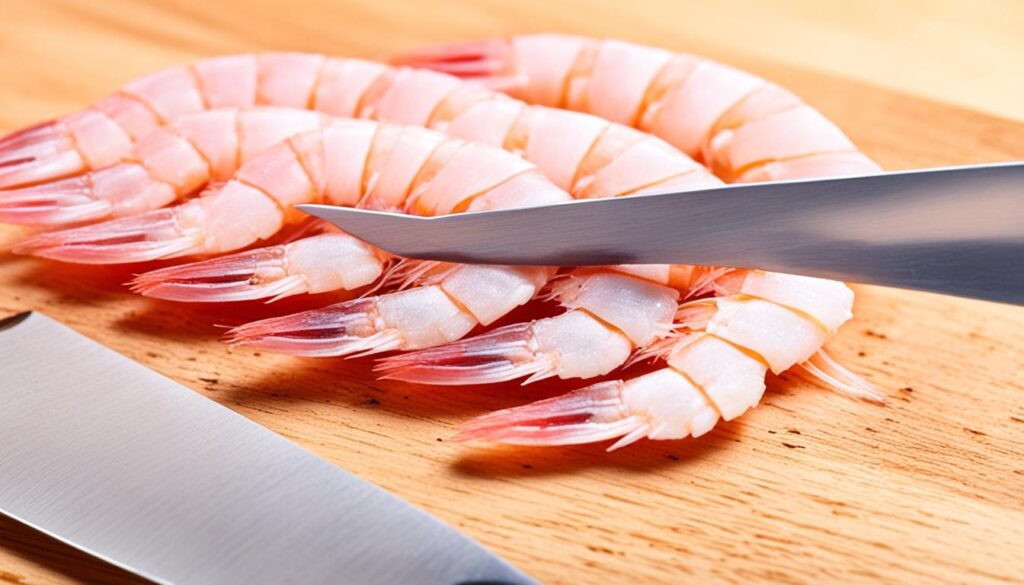
Shell still on? Peel it off first. Then run a small knife along the back to pull the vein out — it’s a thin dark line, obvious once you know where to look. Frozen shrimp is fine too. Thaw it fully under cold running water, then dry it off thoroughly with paper towels afterward. Skip the drying and you’re asking for a grease splatter the moment it hits the pan, and it won’t sear right either way.
Salt and white pepper go on right before cooking. Not earlier. Season too far ahead and the salt pulls moisture out of the shrimp, leaving you with a tougher bite once the heat hits it. The same prep logic applies beyond shrimp, too — for stir fry more broadly, chicken and beef follow nearly identical rules.
Broccoli Preparation and Blanching
Blanch the broccoli briefly before it goes anywhere near the stir fry, and it stays bright green and crisp-tender. Skip that step, and high heat alone turns it limp with that dull olive color nobody wants on their plate.
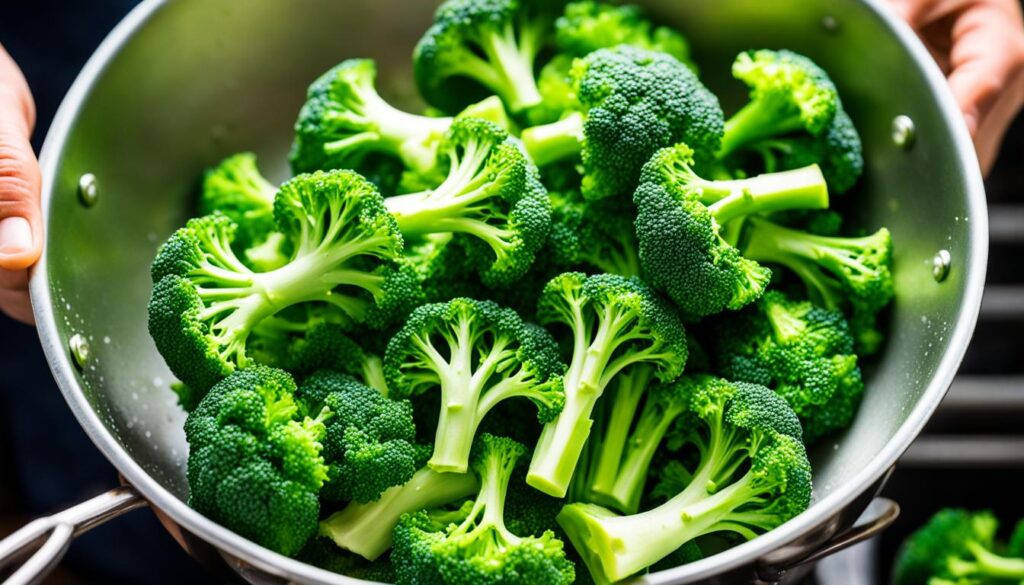
Florets, roughly bite-sized — that’s the cut you’re after. Too big and they cook unevenly. Too small and you’ll get mush instead of crunch. Boil a pot of water, drop them in for about 90 seconds, then straight into an ice bath right after. That shock of cold stops the cooking instantly — literally — and locks the color in.
Drain well. Pat dry. Set aside. Busy night? Skip the blanch entirely if you have to — the dish still works, just with a firmer, more al dente bite instead of that tender crunch. Your call, depending on the time you’ve got. The same logic behind preparing broccoli this way carries over to other stir fry vegetables too, not just broccoli.
Creating the Flavorful Oyster Sauce
Combine oyster sauce with soy sauce, rice vinegar, broth, and a touch of brown sugar, and the result is more balanced than anything that comes straight out of a bottle on its own.
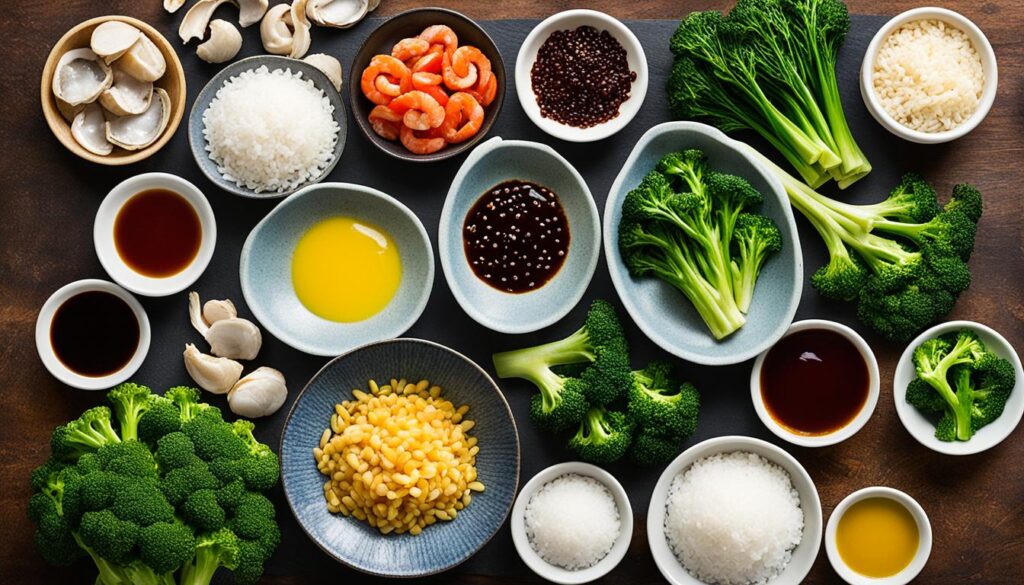
Whisk the oyster sauce, soy sauce, rice vinegar, brown sugar, and broth together — keep going until the sugar’s fully dissolved, no grit left in the bottom of the bowl. Separately, mix the cornstarch into a tablespoon of cold water to make a slurry, and leave it alone for now. Mix it into the sauce too soon and you’ll get clumps later instead of a smooth thickener.
Taste it before you commit to using all of it. Brands of oyster sauce really do swing on saltiness — some are sharper than others — so back off the soy sauce a little if needed, or add a touch more sugar to balance it out. There’s no universal ratio here. It depends entirely on what’s already sitting in your bottle.
Step-by-Step Chinese Shrimp and Broccoli Stir Fry with Oyster Sauce Recipe
Cook the shrimp and broccoli separately before bringing them together with the sauce — that’s what keeps either one from overcooking while it waits its turn.
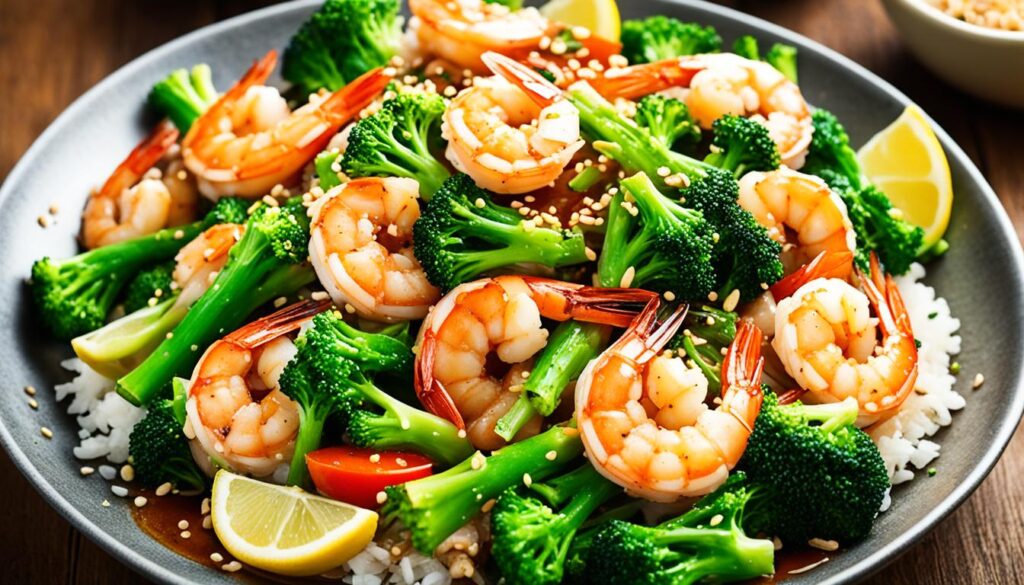
Instructions
Heat 1 tablespoon of vegetable oil in your skillet over high heat until it shimmers. Lay the shrimp in a single layer — don’t crowd it, work in two batches if your pan’s on the smaller side. About 90 seconds per side, until the shrimp turn pink and just barely curl. Pull them onto a plate the second that happens. Overcooked shrimp goes rubbery fast, and once it’s there, there’s no walking it back.
Same pan, add the remaining tablespoon of oil. In go the garlic, ginger, and the white parts of the green onion. Stir constantly, about 30 seconds, just until it smells fragrant — not browned. Burnt garlic goes bitter fast, so keep it moving the whole time.
Toss in the blanched broccoli and stir fry for 2-3 minutes, until it’s warmed through with a touch of char showing in spots. Pour in the oyster sauce mixture, then the cornstarch slurry right behind it. Let everything bubble for about a minute, stirring as it goes, until the sauce is thick enough to cling to the back of a spoon rather than run off it.
Add the shrimp back in along with the sesame oil. Give it another 30-60 seconds of tossing — just enough to bring the shrimp back up to temperature and coat it in sauce. Off the heat immediately after that. Shrimp doesn’t stop cooking the moment the burner’s off; leave it sitting in a hot pan and it’ll keep going.
Top it off with the green onion tops, plus the sesame seeds if that’s your thing. Serve right away — ideally over rice.
Nutritional Information (per serving)
| Nutrient | Amount per Serving |
|---|---|
| Calories | 261 |
| Carbohydrates | 14g |
| Protein | 28g |
| Fat | 10g |
| Fiber | 3g |
| Sodium | 890mg |
Mastering the Skillet: Tips for Perfect Stir Frying
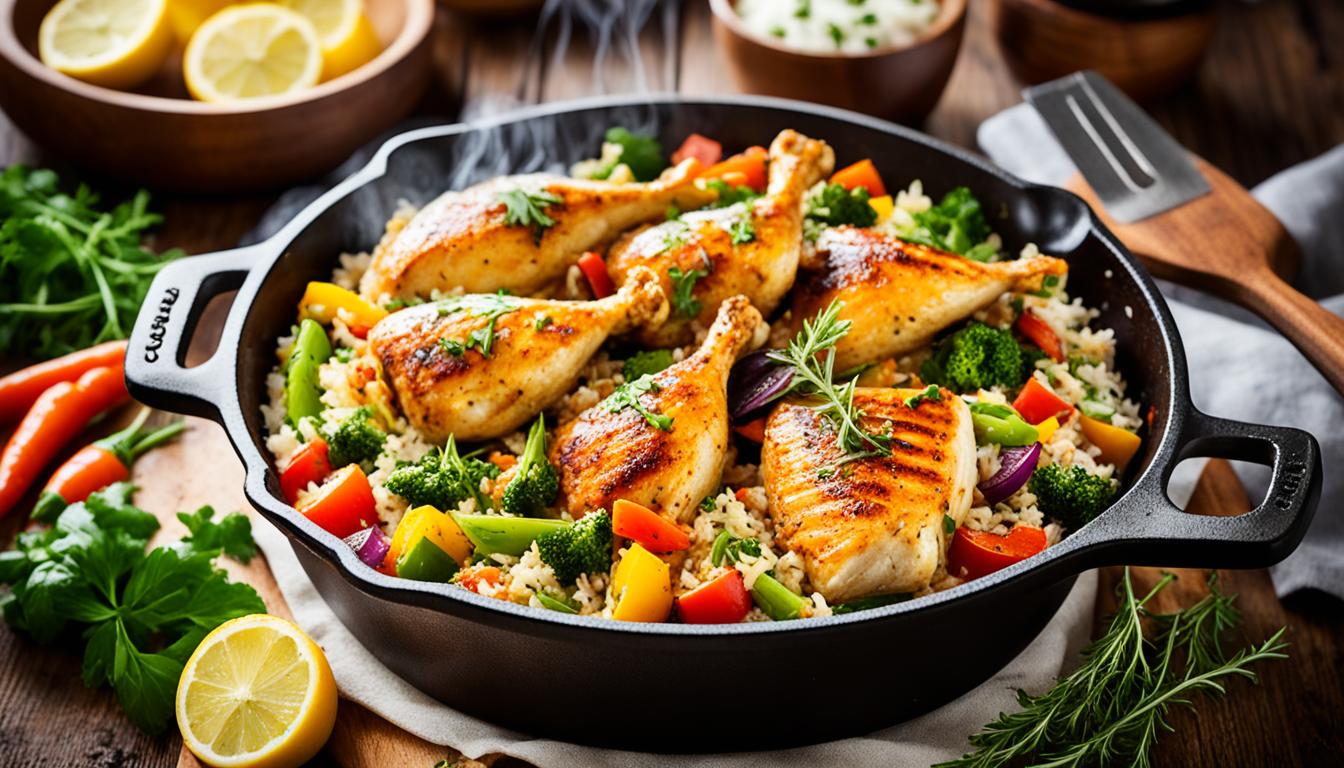
High heat and constant motion. That’s the whole secret. Lose either one and you end up with a sad pile of steamed vegetables and rubbery shrimp instead of an actual stir fry.
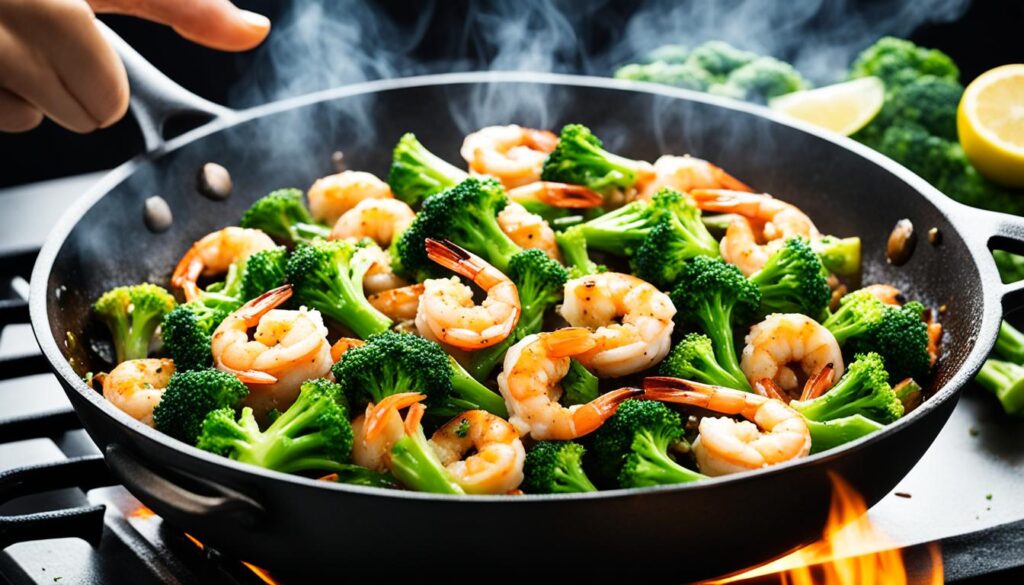
A few things that consistently make a difference:
- Stay at the pan. Don’t wander off. A few unattended seconds is plenty of time to scorch garlic or overcook shrimp.
- Keep the heat high the entire way through, not just at the start — drop it halfway and you’re steaming, not searing.
- Smaller skillet? Cook in batches. Cram everything in at once and the pan temperature drops, and now you’re steaming instead of getting a sear.
- Mix your sauce before anything touches the pan. There’s no time to measure soy sauce once the shrimp’s already cooking — things move too fast for that.
Nutritional Information and Health Benefits
Shrimp and broccoli stir fry packs in a solid amount of protein along with fiber and a handful of vitamins, while staying lighter on calories than most takeout-style dinners.
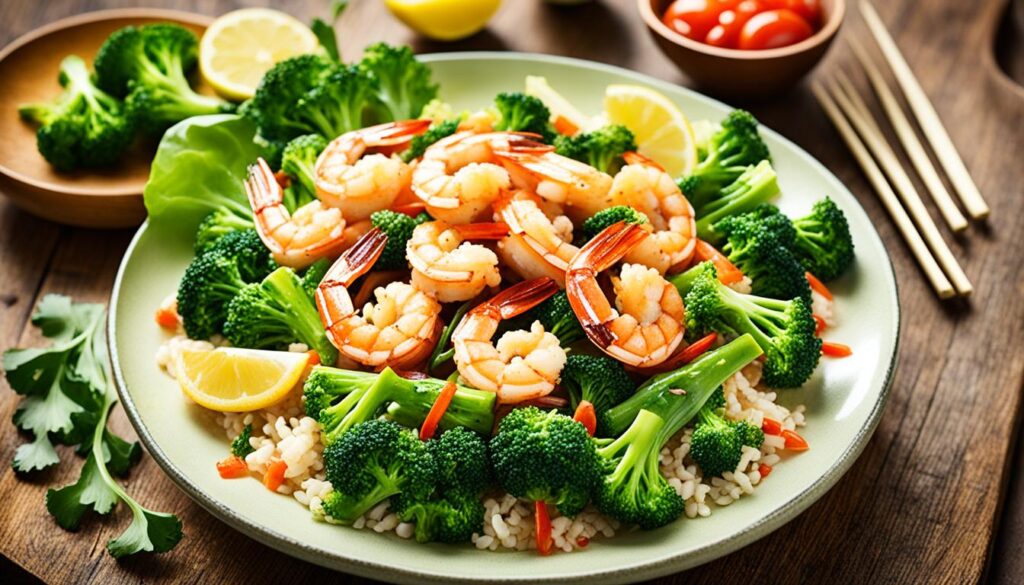
Shrimp brings lean protein, plus selenium and vitamin B12. Broccoli adds fiber, vitamin C, and a fair amount of vitamin K. Sodium’s the one number that swings the most here, mostly from the oyster sauce and soy sauce combination — if that’s something you’re watching, a reduced-sodium soy sauce cuts the total down quite a bit without really touching the flavor.
Serving Suggestions and Pairings
Steamed white or jasmine rice is the obvious pairing — it soaks up the oyster sauce instead of fighting with the dish’s flavor.
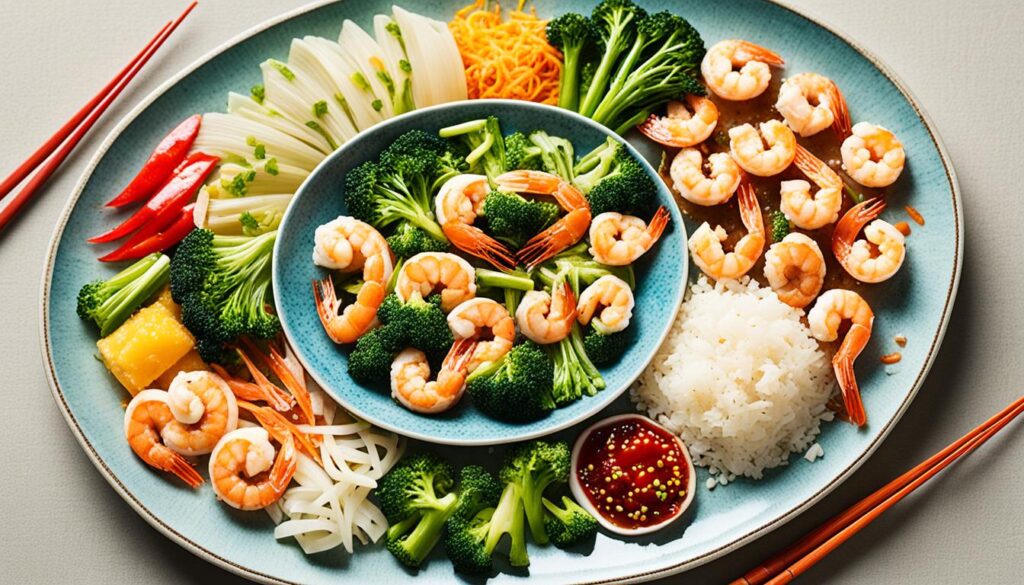
Brown rice or rice noodles work too, if you’d rather skip white rice. Want something lighter on the side? A simple cucumber salad adds a cool, crisp contrast against the warm, savory stir fry. I’ve also plated this over cauliflower rice on lower-carb nights, and it holds up just fine that way.
Variations on the Classic Recipe
Swap the protein or the vegetable, and the dish barely notices — the sauce and the cooking method are really what’s carrying this, not the specific ingredients sitting in the pan.

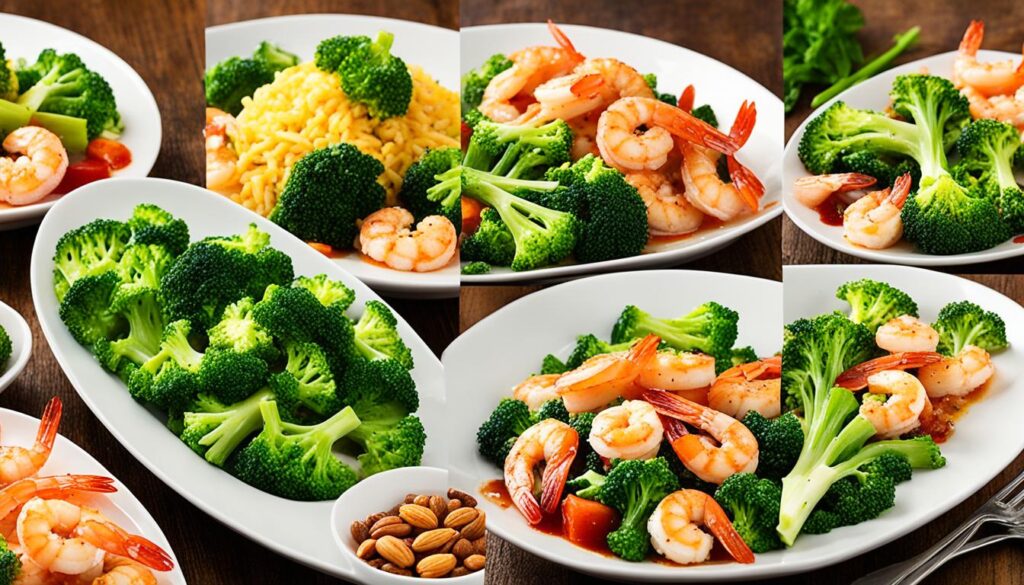
A few directions worth trying:
- Swap in chicken or beef for the shrimp — just plan on a slightly longer cook time for either one.
- Snap peas, bell peppers, or baby corn can stand in for broccoli, or just join it, depending on how much vegetable variety you’re after.
- Want heat? A teaspoon of chili garlic sauce stirred into the oyster mixture does the trick.
- Going vegetarian works too — extra-firm tofu, pressed and pan-fried first, slots right into the same method.
Storing and Reheating Leftovers
Keep leftovers in an airtight container and they’re good in the fridge for up to three days, though the broccoli loses some of its bite the longer it sits.
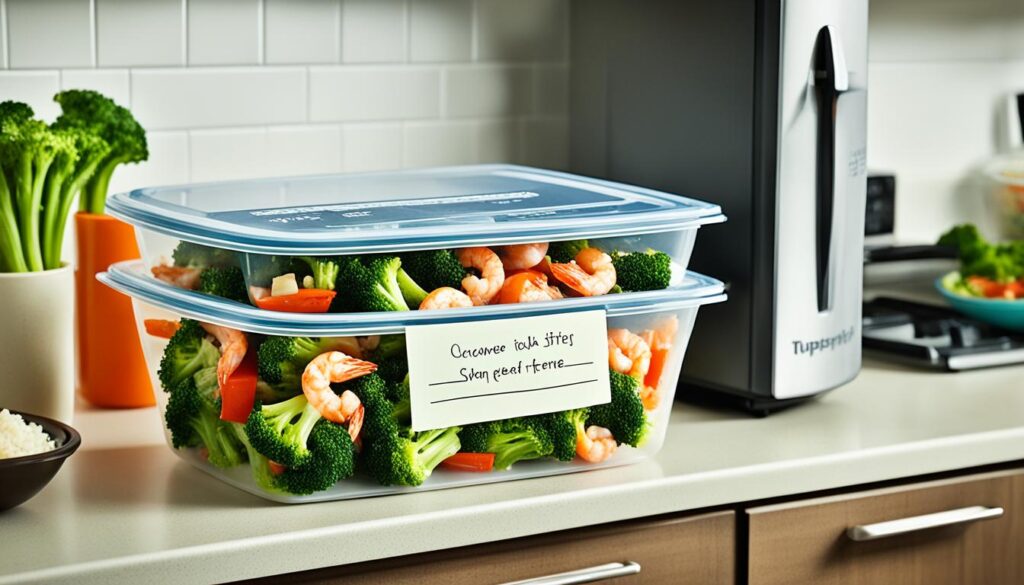
Reheat in a hot skillet rather than the microwave, if you’ve got the option — a few minutes over medium-high heat brings back some of the seared texture the microwave tends to flatten out. Sauce gone too thick in the fridge? A splash of water or broth while reheating fixes that right up.
Why This Dish Is a Weeknight Dinner Winner
Fast, mostly hands-on, and nothing on the ingredient list you can’t find at a regular grocery store — that combination is exactly why this one earns a spot in a weeknight rotation.
Thirty minutes start to finish, once you’ve got the prep down, beats most delivery wait times without much effort at all. And unlike a lot of stir fry recipes that pile on a dozen specialty sauces, this one keeps the list reasonably short while still landing on real flavor.
Common Mistakes to Avoid When Stir Frying Shrimp and Broccoli
Overcrowding the pan. That’s the single biggest mistake people make with stir fry — it drags the pan’s temperature down and turns what should be a sear into a steam.
A few others worth watching for:
- Skipping the broccoli blanch and ending up with undercooked, tough florets in the final dish.
- Adding the sauce too early, before the shrimp and broccoli have had any real time to sear.
- Walking away from the garlic and ginger for even a few seconds — they go from fragrant to burnt fast.
- Overcooking the shrimp the first time around — remember, it cooks a second time once it’s back in the pan with the sauce.
Choosing the Right Skillet or Wok for Stir Fry
A wide, flat-bottomed skillet, or a flat-bottom wok, performs better on a standard home stove than a classic round-bottom wok ever will — home burners just don’t reach the heat output a round-bottom wok was designed around.
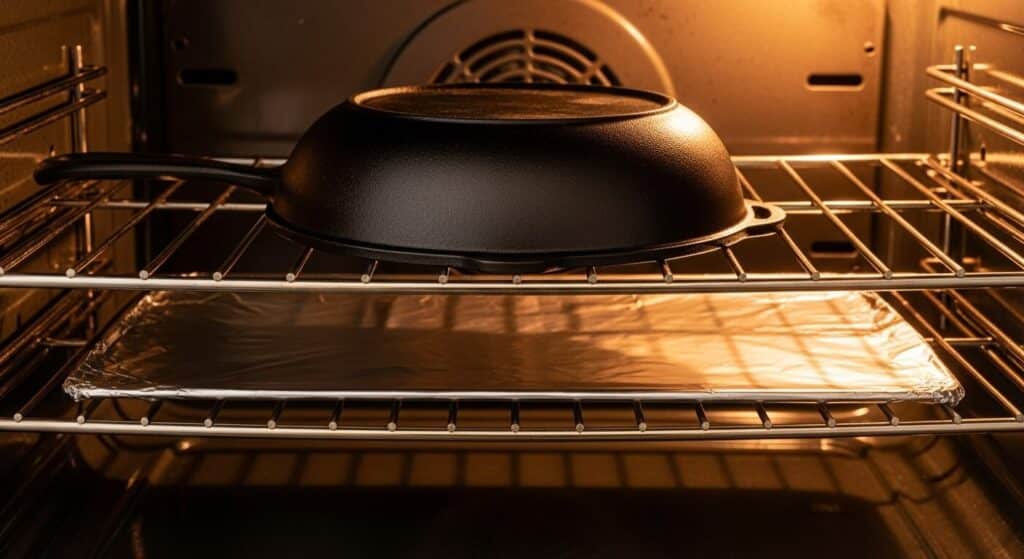
Cast iron’s a solid pick here. It holds heat exceptionally well for this kind of high-heat work, and there’s a good chance you’ve already got one in your kitchen. Carbon steel’s the other common pick, and it heats up a touch faster than cast iron — worth considering if speed matters more to you than heat retention. Either one beats a thin nonstick pan for stir fry, since thin pans lose heat the second cold ingredients hit them.
Meal Prep Tips for Shrimp and Broccoli Stir Fry
Get the shrimp, broccoli, and sauce prepped ahead of time, and what’s left for dinner night is maybe five minutes of actual cooking.
Peel and devein the shrimp up to a day ahead, then store it covered in the fridge. Blanching the broccoli early works too — it keeps fine in the fridge for a day or two, without much loss in texture. Mix the oyster sauce ahead of time as well, but hold off on the cornstarch slurry until the night you cook, since it doesn’t store well premixed. By the time dinner rolls around, you’re really just searing and combining what’s already done.