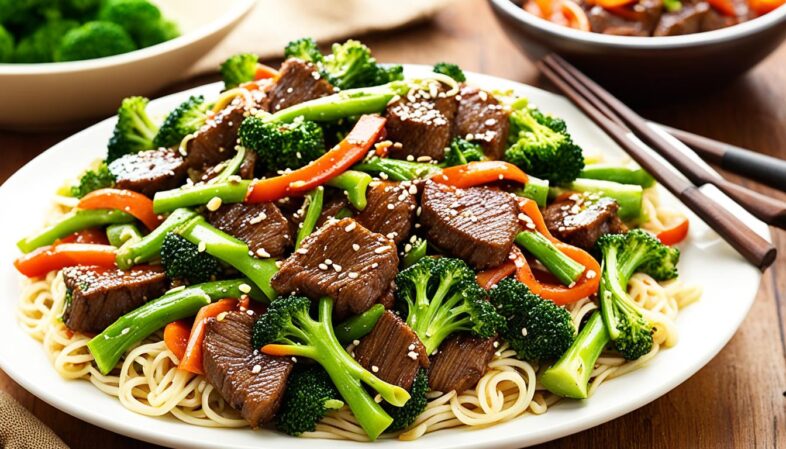
Getting Started with Beef and Broccoli Stir Fry
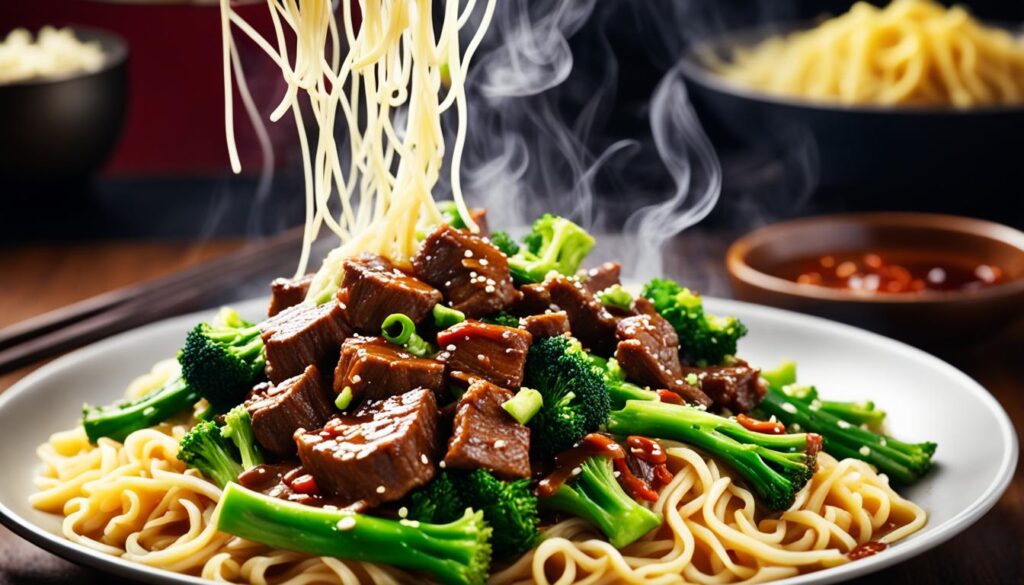
High heat. Fast hands. Don’t crowd the pan.
That’s the whole lesson, honestly. Everything else is details.
Most homemade beef and broccoli stir fry tastes wrong for the same boring reason — the pan wasn’t hot enough, and too much stuff went in at once. The beef steams instead of sears. The broccoli goes limp and pale. The noodles clump into a single sad mass at the bottom of the pan. You know the version I mean. You’ve probably made it, or eaten it, or ordered takeout immediately afterward.
Fixing it isn’t hard. It just requires knowing what’s actually going wrong.
What Pan Are You Using?
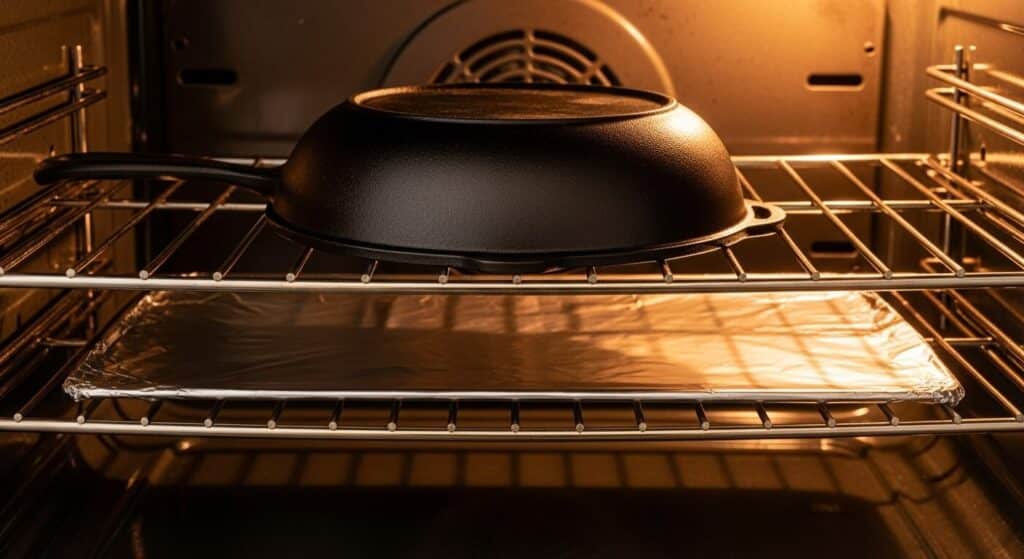
Wok if you have one. Cast iron if you don’t — and I’ll be honest, sometimes I actually prefer cast iron over a wok on a home burner. Why? Because a well-seasoned cast iron skillet doesn’t lose heat the moment cold beef hits it. A thin carbon-steel wok on a weak home flame? It drops temperature immediately and you’re back to steaming. Cast iron holds.
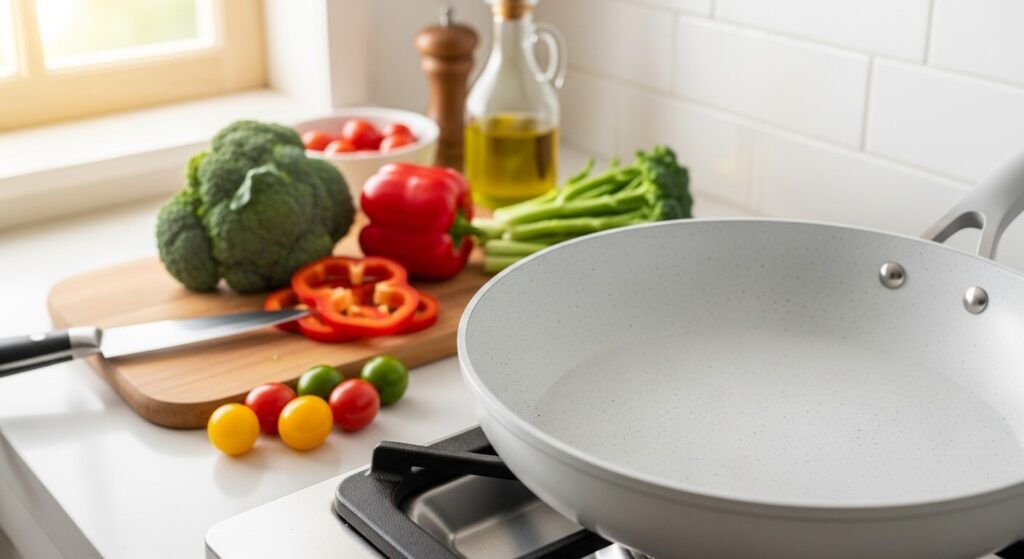
Nonstick. No. Don’t do it. The coating can’t handle the heat this dish actually needs, and you’ll get zero browning on the beef. A ceramic electric skillet is a backup option — the heat distribution is different so you’ll have to adjust, but it can work in a pinch.
Before the Knife Comes Out
Three things. Every time, without exception:
- Every ingredient prepped, measured, in bowls next to the stove — stir-fry moves at a pace where there’s genuinely no time to stop and mince garlic once the beef is already cooking
- Beef patted completely dry before marinating (moisture is the enemy of a sear, full stop)
- Noodles cooked slightly underdone — they finish in the sauce later, which is where they actually pick up flavor
One more thing: if you want a completely different dish that follows the exact same method, shrimp and dumplings come together just as fast. Different protein, different vibe, same technique.
Essential Ingredients for the Perfect Stir Fry
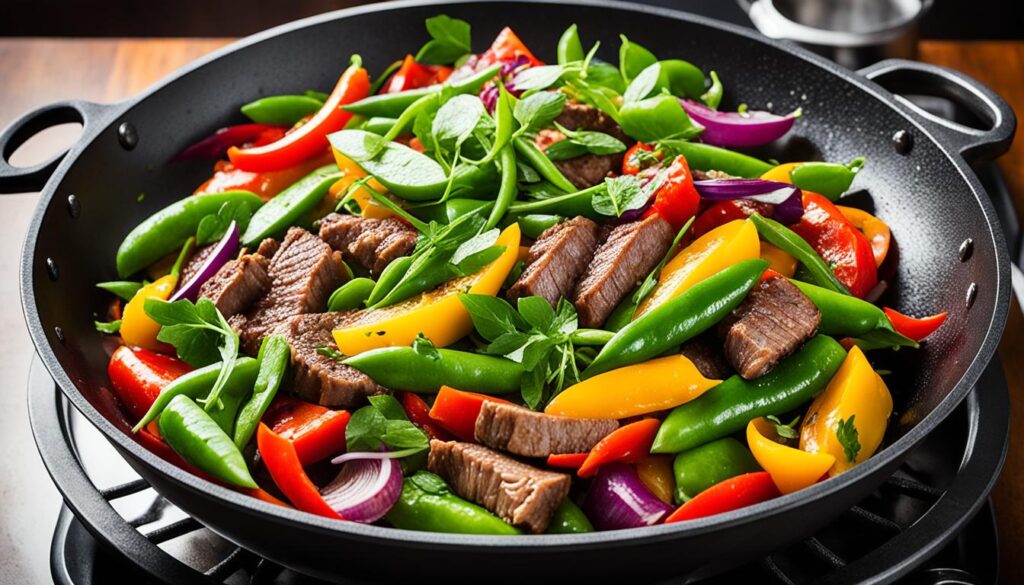
The list looks long. It isn’t, really — most of it is pantry staples you probably already have, and maybe three or four things you’ll buy once and use in every recipe after.
What You Can’t Skip
| Ingredient | The Actual Reason |
|---|---|
| Low-sodium soy sauce | Foundation of the sauce — regular soy makes it way too salty |
| Sesame oil | Finishing oil only — goes in at the end, not for high-heat cooking |
| Fresh garlic | Garlic powder tastes flat and a bit weird here. Fresh only. |
| Fresh ginger | Ground ginger in stir-fry tastes medicinal. Don’t do it. |
| Oyster sauce | The depth and subtle sweetness that soy alone can’t provide |
| Cornstarch | Does two jobs — thickens the sauce and coats the beef for velveting |
What Shifts Between Recipes
Rice wine vinegar, hoisin, chili paste, mirin, brown sugar — these vary by recipe. Read through all four before shopping. The sauce profiles are genuinely different, not just slight tweaks.
High-heat oil stays constant: avocado oil or peanut oil throughout. Not olive oil — wrong smoke point, wrong flavor. Not butter — it burns before the pan is even close to stir-fry temperature.
Velveting — What It Is and Why It Changes Everything
Velveting is the Chinese technique of marinating beef in a mix of cornstarch, soy sauce, and — this is the part most people skip — baking soda. Just a tiny amount. A quarter teaspoon per pound. It breaks down the muscle fibers in a way that marinating alone doesn’t, and the result is beef with a silky, tender texture that actually resembles what you get in a restaurant instead of the chewy strips that come out of most home attempts.
Skip the baking soda and you’ll notice. It’s not optional.
Choosing the Right Cut of Beef
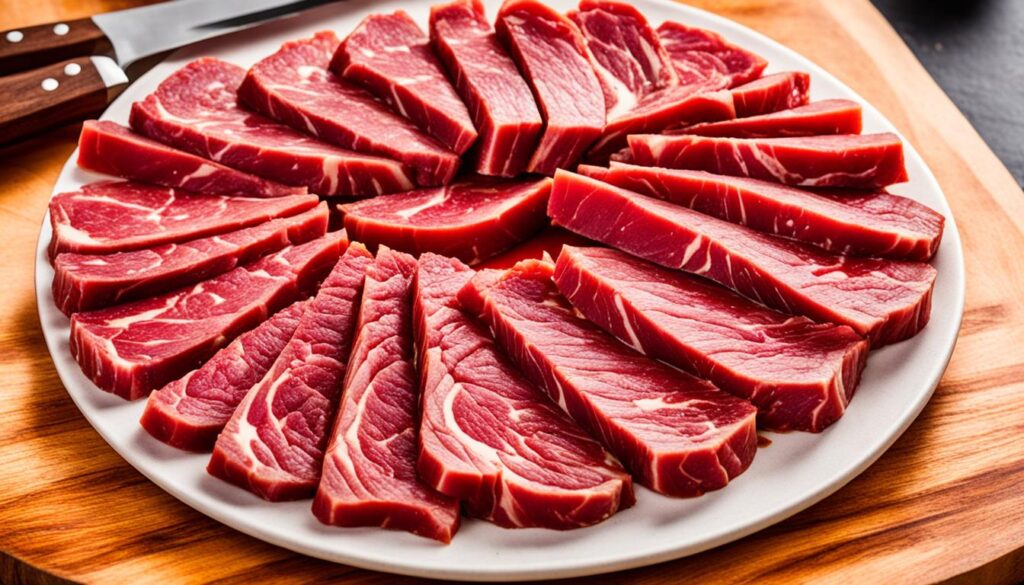
Cut matters more than most people realize. “Beef sliced thin” is not a useful description — the wrong cut, sliced thin, still comes out tough and stringy regardless of how good your technique is.
The Cuts, Ranked
Flank steak is my first choice across all four recipes. Beefy flavor, clean grain that slices perfectly, takes velveting beautifully. It’s not the most expensive option and it’s nearly always available.
Sirloin — tender, a bit more forgiving if you overcook it slightly, slightly pricier than flank. Good second option.
Skirt steak — similar to flank, slightly more chew, widely available, works well. Nothing wrong with it.
Ribeye — genuinely the best flavor of anything on this list. Also genuinely overkill for a Tuesday night stir fry. Use it if you want. I’m not judging.
And what to avoid: stew beef, chuck, anything with “for slow cooking” on the label. Those cuts need low, slow heat for hours to break down — a hot cast iron skillet or extra-large electric skillet at stir-fry temperature just makes them tougher. Don’t try to shortcut them.
Slicing It Right
Against the grain. Always.
Look at the beef before you cut — you’ll see the muscle fibers running in a visible direction. Cut perpendicular to those fibers. With the grain gives you long, chewy strings. Against the grain gives you short, tender pieces. Same beef, completely different texture based on which way the knife goes.
Aim for 1/4-inch slices. If you’re struggling to cut it evenly, put the beef in the freezer for 15 to 20 minutes first. Slightly firm beef cuts dramatically cleaner than a fully thawed piece.
Selecting and Preparing Fresh Broccoli
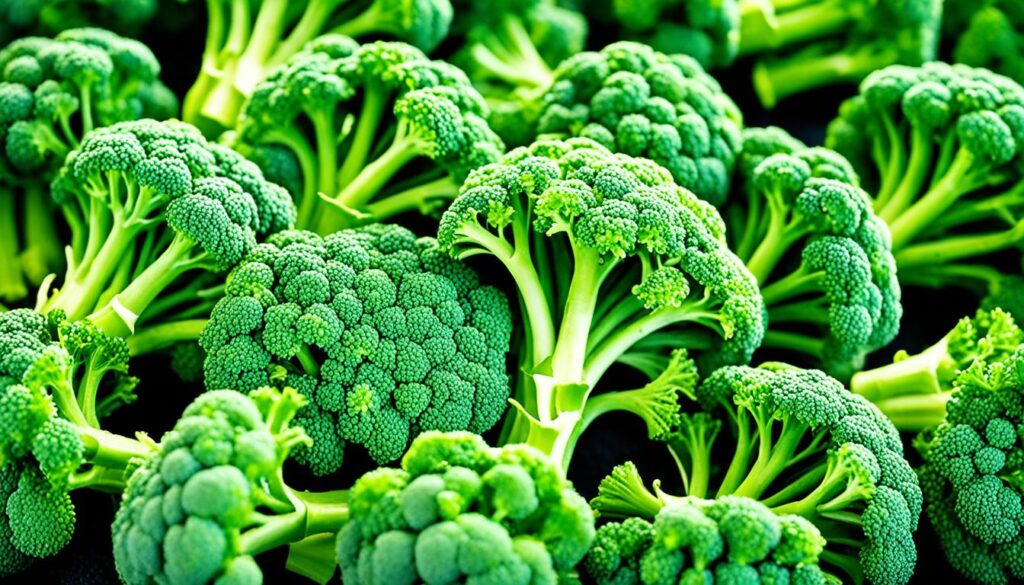
Fresh. Not frozen. This is one of those cases where the difference really does matter — frozen broccoli holds moisture in its cells and releases it the moment it hits a hot pan. Temperature drops, sear dies, broccoli steams. You end up with something soft and waterlogged instead of bright and slightly crisp.
How to Pick It at the Store
Dark green florets, tightly packed, no yellowing anywhere. The cut end of the stalk should look fresh and slightly moist — if it looks dried out and white or gray, that head has been sitting too long. Florets that are starting to open up and look feathery around the edges? Past its prime.
Prep
Cut florets to roughly 1 to 1-1/2 inches each — uniform size so they cook evenly. Don’t throw the stems out. Peel the outer layer with a vegetable peeler and slice the inner stem into thin rounds. They cook a little faster than florets, so they either go in a minute later or get blanched first.
Should you blanch? Here’s my actual take: I do it when I have the time and skip it when I don’t, and the difference is real but not dramatic. Blanched broccoli (90 seconds in salted boiling water, then straight into ice water) turns an almost electric shade of green and cooks faster in the wok. Raw broccoli picks up a bit more char and has slightly more bite. Both are good. Olive-colored and mushy is the only outcome to avoid, and that just means you cooked it too long.
Noodle Options for Your Stir Fry
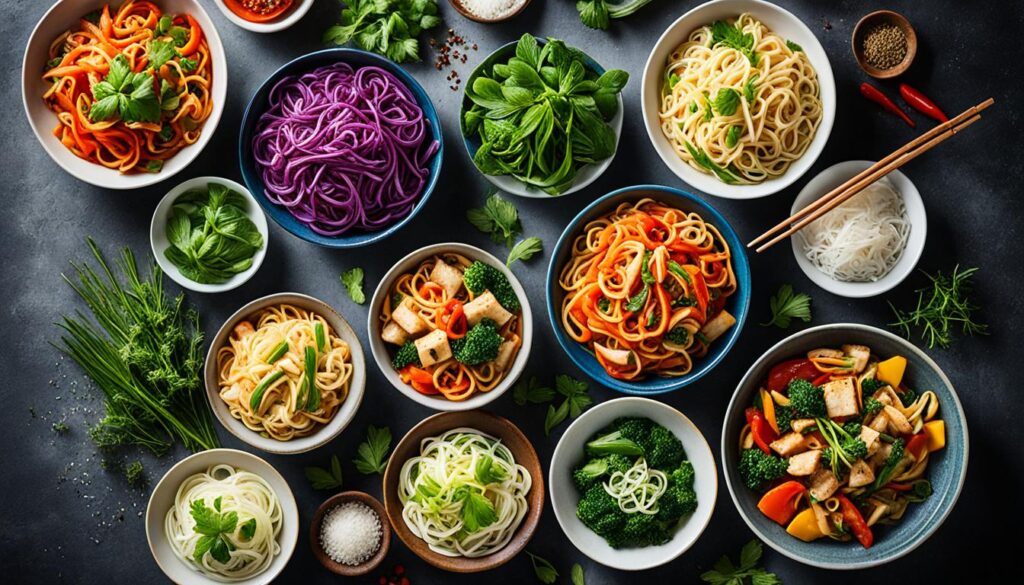
Same beef. Same broccoli. Same sauce profile. Swap lo mein for soba and it’s genuinely a different dish. The noodle choice changes the texture, the weight, and how the sauce interacts with everything.
The Four Noodles Used in This Article
| Noodle | What It Feels Like | Recipe It Goes In |
|---|---|---|
| Lo mein | Chewy, thick, substantial | Classic soy-ginger |
| Flat rice noodles | Silky, lighter, almost delicate | Sesame-marinated |
| Udon | Thick, pillowy, absorbs sauce like a sponge | Spicy chili-garlic |
| Soba | Nutty, slightly firm, earthy | Teriyaki bowl |
A Few Things Worth Knowing
Cook every noodle slightly underdone. They’re going into a hot pan with sauce and finishing there. Fully cooked noodles that go into a stir-fry at the end become overcooked noodles with sauce poured over them — which is not the same thing as noodles that absorbed the sauce while finishing.
Rice noodles don’t boil. They soak in just-boiled water for 2 to 3 minutes — set a timer, because an extra 2 minutes turns them from tender to disintegrating. Drain the moment they’re pliable.
Soba noodles clump. It’s a fact of life. Rinse immediately under cold water after draining, toss with a few drops of sesame oil, and they’ll stay separate.
Creating a Flavorful and Healthy Stir Fry Sauce
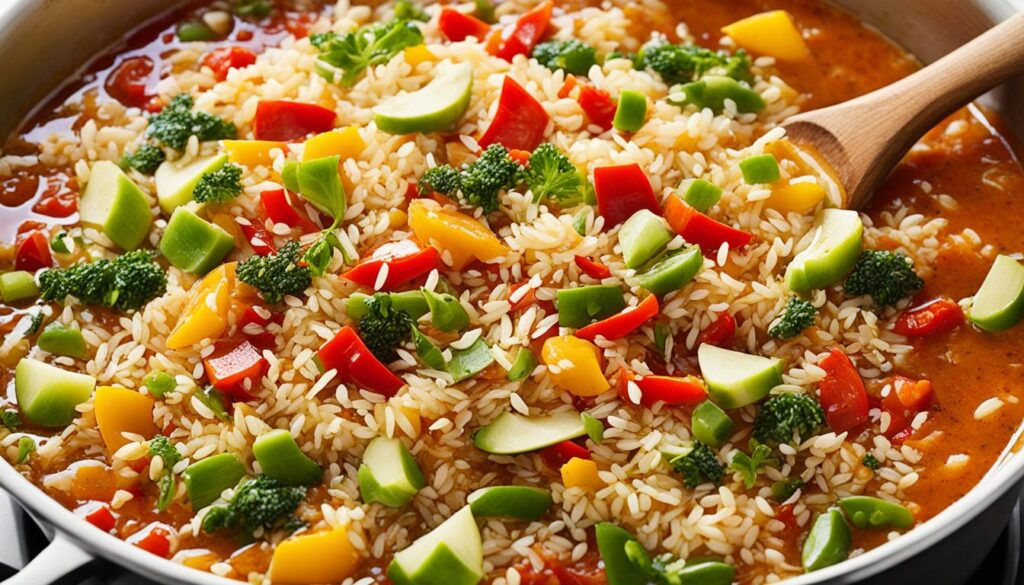
The sauce is where the dish is won or lost. And making it yourself takes three minutes and tastes better than anything from a bottle — bottled stir-fry sauces are usually oversalted, oversweetened, and thickened with way more cornstarch than necessary.
Mix the sauce before the pan goes on. Have it ready to pour the instant the beef and broccoli are cooked. There’s no time to measure once things are sizzling.
Base Sauce Formula
This is the foundation all four recipes build from:
- 3 tablespoons low-sodium soy sauce
- 1 tablespoon oyster sauce
- 1 tablespoon sesame oil
- 1 tablespoon rice wine vinegar or dry sherry
- 1-1/2 teaspoons cornstarch dissolved into the liquid first
- 1 teaspoon brown sugar or honey
- 3 cloves garlic, minced
- 1 teaspoon fresh ginger, grated
Each recipe tweaks this differently — the spicy version adds chili paste and more vinegar, the teriyaki version pulls in mirin and extra sugar, the sesame version adds tahini. Read the recipe before deciding you’ve got it memorized from the base.
The Cornstarch Rule

Dissolve the cornstarch in the liquid before anything goes near heat. Dry cornstarch poured into a hot pan clumps immediately and won’t distribute. And stir the sauce again right before pouring — cornstarch settles to the bottom of the bowl within minutes. Pour it unstirred and you get a thin, watery sauce with a starch lump in the center. Stir it, pour it, done.
Step-by-Step Healthy Beef and Broccoli Stir Fry Recipe with Noodles
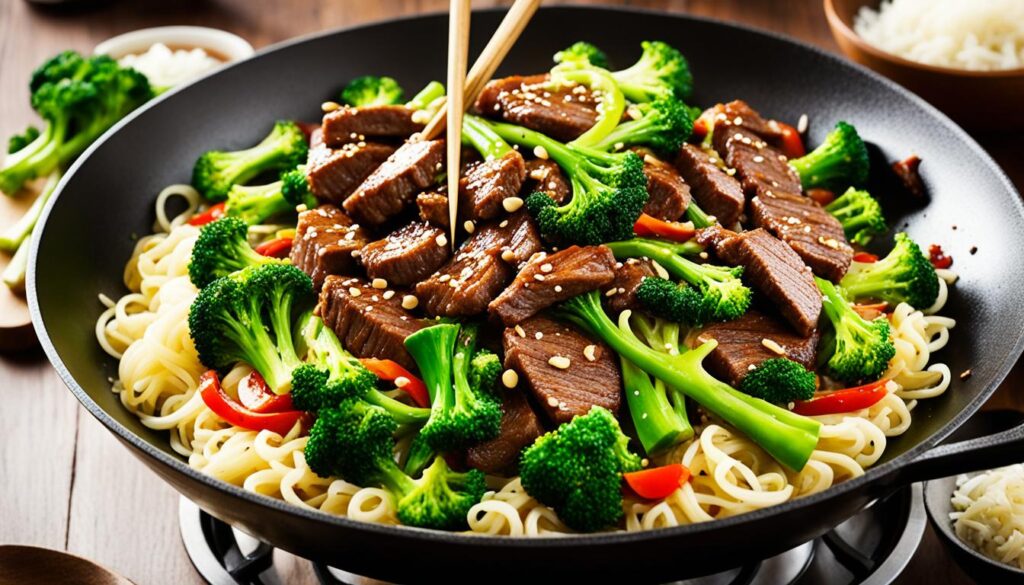
Four recipes. All serve four. All under 40 minutes including prep. Different enough from each other that I’d rotate through all of them without getting bored.
Recipe 1: Classic Soy-Ginger Beef and Broccoli with Lo Mein Noodles
This is the one to start with. It tastes the most like what you’ve had at a good Chinese-American restaurant, and it’s the version that teaches you the technique the others build on.
Ingredients (Serves 4)
Beef marinade:
- 1 lb flank steak, sliced 1/4-inch thick against the grain
- 2 tablespoons low-sodium soy sauce
- 1 tablespoon cornstarch
- 1/4 teaspoon baking soda
- 1 teaspoon sesame oil
Sauce:
- 3 tablespoons low-sodium soy sauce
- 1 tablespoon oyster sauce
- 1 tablespoon rice wine vinegar
- 1-1/2 teaspoons cornstarch dissolved in 1/2 cup beef broth or water
- 1 teaspoon brown sugar
- 2 teaspoons sesame oil
Stir fry:
- 4 cups broccoli florets
- 3 cloves garlic, minced
- 1 tablespoon fresh ginger, grated
- 1/2 medium white onion, sliced thin
- 3 tablespoons avocado oil, divided
- 8 oz lo mein noodles, cooked just underdone and drained
- 2 scallions, sliced thin, for garnish
- 1 teaspoon sesame seeds, for garnish
Instructions
Toss the beef with the soy sauce, cornstarch, baking soda, and sesame oil in a bowl until every slice looks coated and slightly tacky. It won’t look pretty — that’s fine. Set it aside at room temperature for at least 20 minutes. Mix the sauce ingredients in a small bowl, make absolutely sure the cornstarch is dissolved, and set that aside too.
Now the pan. Whatever you’re using — cast iron, wok, skillet — get it over the highest heat your burner will produce and leave it there for 2 full minutes. Not medium-high. Highest setting. When it’s hot enough that a drop of water flicked onto the surface immediately vaporizes, add 2 tablespoons of avocado oil.
The moment the oil shimmers — not smokes heavily, just shimmers and moves — lay the beef in a single layer. Put the spoon down. Don’t touch it for 40 to 45 seconds. The bottom of each slice should look dark brown and slightly charred when you check it, not gray. If it’s still gray, it needed more time. Stir-fry briefly, another 20 to 30 seconds until just barely cooked through, then remove everything to a plate.
Still-hot pan, add the last tablespoon of oil. Onion and broccoli go in together. Keep them moving — not frantic stirring, just regular movement every 20 to 30 seconds — for about 2 minutes. The broccoli should be going from raw-green to a vivid, bright green. Add the garlic and ginger, stir hard for 30 seconds, then pour in the sauce — stir it one more time right before it goes in.
The sauce will bubble and visibly thicken within 30 to 45 seconds. Add the noodles and beef. Toss for about a minute over high heat until the sauce coats everything. It should look glossy, not watery. Top with scallions and sesame seeds and serve immediately.
Nutritional Information (Per Serving)
| Nutrient | Amount per Serving |
|---|---|
| Calories | 485 |
| Carbohydrates | 52g |
| Protein | 32g |
| Fat | 15g |
| Fiber | 4g |
| Sodium | 780mg |
Recipe 2: Sesame-Marinated Flank Steak with Rice Noodles
Lighter than recipe one. The tahini in the sauce gives it a creamy, nutty quality, and the rice noodles make the whole dish feel less heavy. It’s the version I’d make in summer when something less substantial sounds better than lo mein.
Ingredients (Serves 4)
Beef marinade:
- 1 lb flank steak, sliced 1/4-inch thick against the grain
- 2 tablespoons low-sodium soy sauce
- 1 tablespoon toasted sesame oil
- 1 tablespoon rice wine vinegar
- 1 tablespoon cornstarch
- 1/4 teaspoon baking soda
- 2 teaspoons sesame seeds
Sauce:
- 3 tablespoons low-sodium soy sauce
- 1 tablespoon tahini or sesame paste
- 1 tablespoon rice wine vinegar
- 1-1/2 teaspoons cornstarch dissolved in 1/3 cup water
- 1 teaspoon honey
- 1/2 teaspoon white pepper
- 1 teaspoon sesame oil
Stir fry:
- 4 cups broccoli florets
- 3 cloves garlic, minced
- 1-1/2 teaspoons fresh ginger, grated
- 1 red bell pepper, sliced thin
- 3 tablespoons avocado oil, divided
- 8 oz flat rice noodles, soaked in just-boiled water 2 to 3 minutes and drained
- 1 tablespoon sesame seeds, toasted, for garnish
- 2 scallions, sliced thin, for garnish
Instructions
Combine soy sauce, sesame oil, rice wine vinegar, cornstarch, baking soda, and sesame seeds in a bowl. Add the beef and toss until coated — every slice should look slightly sticky and smell faintly nutty from the sesame. Let it sit 20 to 30 minutes. Soak the rice noodles in just-boiled water while you wait. Two to three minutes — set an actual timer, not a mental note, because these go from perfect to mushy surprisingly fast. Drain the moment they feel pliable and toss with a few drops of sesame oil so they don’t stick together.
Mix the sauce. The tahini makes it look slightly thick and pale at first — keep stirring, it incorporates fully after 30 seconds.
Ripping hot pan, 2 tablespoons of oil. Beef in one layer. Leave it. Forty to forty-five seconds until the bottom looks dark and caramelized — the sesame seeds in the marinade will be toasted and slightly golden. Stir-fry 20 to 30 more seconds, remove to a plate.
Fresh oil in the pan. Broccoli and bell pepper together — they cook at similar rates. Two minutes of active stir-frying. The bell pepper should soften at the edges and the broccoli should be that vivid bright green. Garlic and ginger, 30 seconds, then the sauce.
It’ll thicken differently from recipe one — the tahini makes the sauce a bit creamier and it coats the noodles in a slightly different way, more like a light glaze than a sharp, dark sauce. Add noodles and beef, toss gently for a minute (rice noodles are more fragile than lo mein — don’t be aggressive), and serve topped with toasted sesame seeds and scallions.
Nutritional Information (Per Serving)
| Nutrient | Amount per Serving |
|---|---|
| Calories | 470 |
| Carbohydrates | 48g |
| Protein | 31g |
| Fat | 16g |
| Fiber | 4g |
| Sodium | 720mg |
Recipe 3: Spicy Chili-Garlic Beef Stir Fry with Udon Noodles
Actually spicy. Not “described as spicy” but mild. I mean genuinely hot, with a heat that builds as you eat. Scale back the chili paste to 1 teaspoon if that’s a concern — or add more if it isn’t.
Ingredients (Serves 4)
Beef marinade:
- 1 lb flank steak, sliced 1/4-inch thick against the grain
- 2 tablespoons low-sodium soy sauce
- 1 tablespoon cornstarch
- 1/4 teaspoon baking soda
- 1 teaspoon chili oil
Sauce:
- 3 tablespoons low-sodium soy sauce
- 2 tablespoons chili garlic paste (sambal oelek works well)
- 1 tablespoon rice wine vinegar
- 1 tablespoon oyster sauce
- 1-1/2 teaspoons cornstarch dissolved in 1/3 cup water
- 1 teaspoon brown sugar
- 1/2 teaspoon white pepper
Stir fry:
- 4 cups broccoli florets
- 4 cloves garlic, minced
- 1-1/2 teaspoons fresh ginger, grated
- 1 medium white onion, sliced
- 2 stalks celery, sliced on the diagonal
- 1 teaspoon dried chili flakes (optional — leave them out if the paste is already enough heat)
- 3 tablespoons avocado oil, divided
- 8 oz udon noodles, cooked per package directions and drained
- 1 tablespoon chili oil, for finishing
- 2 scallions, sliced, for garnish
Instructions
Mix the soy sauce, cornstarch, baking soda, and chili oil with the beef. Coat thoroughly. Marinate 20 to 30 minutes at room temperature. While that’s happening, cook the udon — they take longer than the other noodles in this article, usually 8 to 10 minutes. Drain them, rinse briefly, set aside.
Mix the sauce. Taste it before the pan gets hot — it should be spicy, deeply savory, and slightly acidic from the vinegar. Adjust the chili paste now if it needs it. Once the heat is on there’s no time for adjustments.
Pan screaming hot. Oil in. Beef in a single layer — 45 seconds undisturbed, the bottom should look almost charred and smell like it’s caramelizing, not just browning. Stir-fry 30 more seconds, remove to a plate.
Add fresh oil, then the onion. One minute. Then the broccoli and celery together — celery sounds like an odd addition here, but it adds a brightness and crunch that actually cuts through the heat of this sauce really well. Two minutes of stir-frying, then garlic and ginger and chili flakes if using. Thirty seconds, then the sauce.
Udon is thick and absorbs sauce slowly compared to other noodles — when you add them, it’ll look like there isn’t enough sauce for a moment. Keep tossing. The sauce works its way through as everything heats. Add the beef, toss until everything is coated and glossy, drizzle chili oil over the top, and serve with scallions.
Nutritional Information (Per Serving)
| Nutrient | Amount per Serving |
|---|---|
| Calories | 492 |
| Carbohydrates | 55g |
| Protein | 31g |
| Fat | 16g |
| Fiber | 5g |
| Sodium | 840mg |
Recipe 4: Teriyaki Beef and Broccoli Noodle Bowl with Soba
The lightest of the four. Soba has a nutty, slightly earthy quality that pairs with a teriyaki-style sauce better than any other noodle on this list — better than lo mein, anyway, which I’ve tried and it doesn’t work as well. The sweetness of the teriyaki sauce needs the nuttiness of soba to balance.
Ingredients (Serves 4)
Beef marinade:
- 1 lb flank steak, sliced 1/4-inch thick against the grain
- 2 tablespoons low-sodium soy sauce
- 1 tablespoon mirin
- 1 teaspoon cornstarch
- 1/4 teaspoon baking soda
Teriyaki sauce:
- 3 tablespoons low-sodium soy sauce
- 2 tablespoons mirin
- 1 tablespoon sake or dry sherry
- 1-1/2 teaspoons brown sugar
- 1 teaspoon fresh ginger, grated
- 1-1/2 teaspoons cornstarch dissolved in 1/3 cup water
- 1 teaspoon sesame oil
Stir fry:
- 4 cups broccoli florets
- 3 cloves garlic, minced
- 1 cup shredded carrots
- 1 cup snap peas, strings removed
- 3 tablespoons avocado oil, divided
- 8 oz soba noodles, cooked 4 to 5 minutes exactly and rinsed cold immediately
- 1 tablespoon sesame seeds, for garnish
- 2 scallions, sliced thin, for garnish
Instructions
Combine soy sauce, mirin, cornstarch, and baking soda, add the beef, toss to coat. Marinate 20 to 30 minutes. Cook soba noodles per package timing — exactly, not approximately. Soba goes from done to overdone fast. Drain immediately and run cold water over them while tossing to stop the cooking completely. Drizzle with a few drops of sesame oil and set aside.
Mix the teriyaki sauce. It should smell sweet, slightly boozy from the mirin, and savory. The sweetness is higher than the other sauces in this article — that’s correct.
Hot pan, 2 tablespoons oil. Beef in one layer. The mirin in the marinade means caramelization happens slightly faster than the other recipes, so watch the heat — 40 seconds maximum on the first side, then stir-fry 20 to 30 seconds more and remove to a plate. If pieces start to look very dark quickly, pull them sooner.
Fresh oil. Broccoli first — 90 seconds, stirring. Then carrots and snap peas together. They cook fast. One minute, not more — snap peas that go mushy lose the point of being snap peas entirely. Garlic, 30 seconds, sauce in.
Teriyaki sauce starts thinner than the others and then tightens into something glossy and almost lacquer-like from the cornstarch. Add the soba noodles and fold them in gently — soba is more fragile than udon or lo mein and breaks apart with rough handling. Add the beef. Taste for seasoning. Scatter sesame seeds and scallions over the top before serving.
Nutritional Information (Per Serving)
| Nutrient | Amount per Serving |
|---|---|
| Calories | 452 |
| Carbohydrates | 50g |
| Protein | 30g |
| Fat | 13g |
| Fiber | 5g |
| Sodium | 710mg |
Tips for Achieving Restaurant-Quality Stir Fry at Home
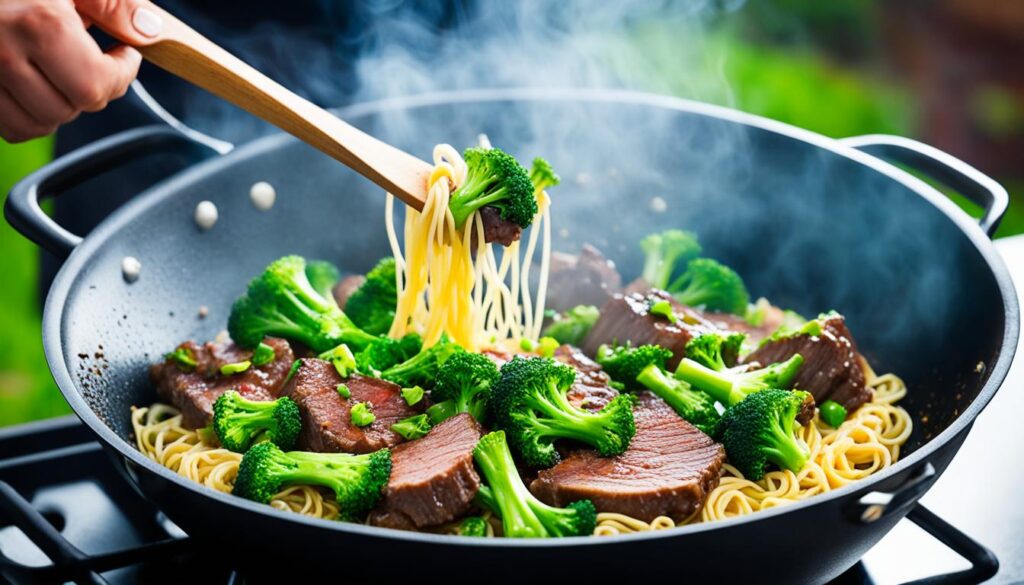
Wok hei. That’s the thing you’re chasing. It translates roughly as “wok breath” — the slightly smoky, almost charred quality that restaurant stir-fry has and home versions usually don’t. You can’t fully replicate it on a residential burner. Restaurant wok burners run at 65,000 to 200,000 BTUs. Home burners max out around 15,000. The gap is real.
But you can get closer than most people manage. Here’s what actually works.
Things That Move the Needle
Fully preheat the pan. Two full minutes over maximum heat before oil goes in. Not 30 seconds. Not “until it looks hot.” Two minutes.
Cook less food at once. Counterintuitive, but batches are faster than one big crowded pan. Too much food drops the temperature immediately. The beef starts to steam, not sear. Cook in two small batches and you’ll actually be done faster with better results.
Leave the beef alone at first. One side, 40 to 45 seconds undisturbed. The crust forms during that undisturbed contact time. Constant stirring from the start means the beef just spins around on the pan surface without actually searing.
Mise en place is completely mandatory. Everything chopped, measured, in bowls. Stir-fry from start to finish takes about 10 minutes. There is no point in those 10 minutes where you can stop and deal with something unprepped.
Pour the sauce all at once. Not in stages. All of it, immediately, and let it work.
The Sauce Thing Again
Stir the sauce bowl right before it goes in. The cornstarch sinks to the bottom within a few minutes of mixing — if you pour it unstirred, the first half is watery and the second half has a thick cornstarch slug in it. One extra stir. Thirty seconds. Makes the difference between a glossy, restaurant-looking sauce and a watery one.
Nutritional Breakdown of the Dish
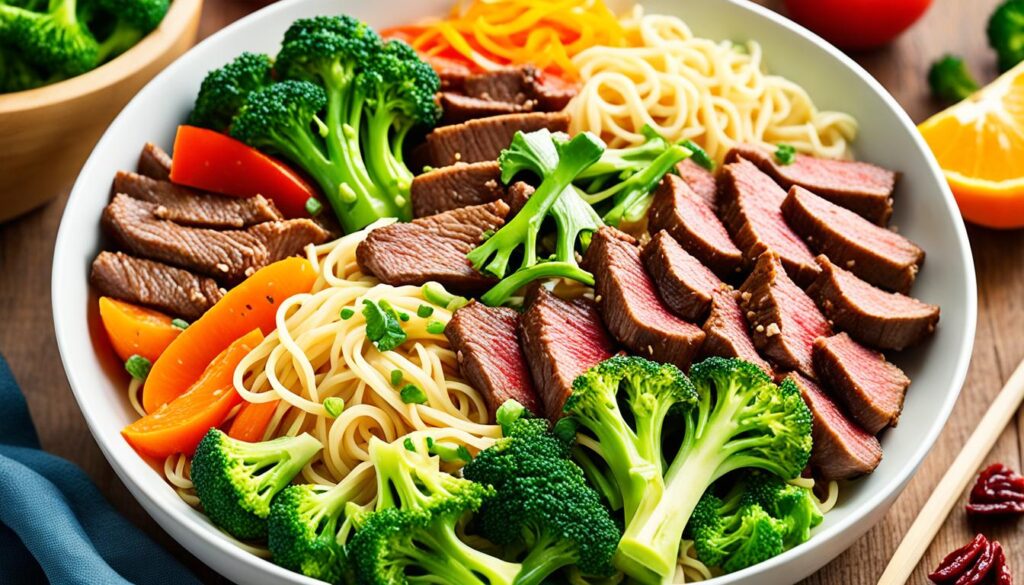
Beef and broccoli stir fry with noodles is one of those dishes that’s genuinely more balanced than it gets credit for. Protein from the beef, fiber and micronutrients from the broccoli, carbohydrates from the noodles. The main concern — the only real one — is sodium.
Homemade vs. Takeout: The Numbers
Restaurant beef and broccoli typically runs 800 to 1,100 calories per serving, sometimes higher. Sodium can hit 1,500mg or above depending on the sauce. The four recipes here land between 452 and 492 calories and 710 to 840mg of sodium. And you control every ingredient — so if sodium is a concern, low-sodium soy sauce can drop that further.
What’s Worth Knowing
| Nutrient Area | What to Keep in Mind |
|---|---|
| Sodium | Low-sodium soy sauce is the single most effective way to control this |
| Protein | 30 to 32g per serving across all recipes — solid for a noodle dish |
| Carbohydrates | Mostly from the noodles — swap soba for zucchini noodles to cut them |
| Fat | Mostly unsaturated — avocado oil and sesame oil, not saturated fats |
| Fiber | Almost entirely from the broccoli, which is why not overcooking it matters |
The broccoli carries a lot of the nutritional weight in this dish — vitamin C, vitamin K, folate, fiber. Overcooking it past the bright-green, slightly-crisp stage doesn’t just hurt the texture; it degrades some of those nutrients. Another reason (as if you needed more) not to let it go limp.
Customizing Your Stir Fry: Vegetable and Protein Variations
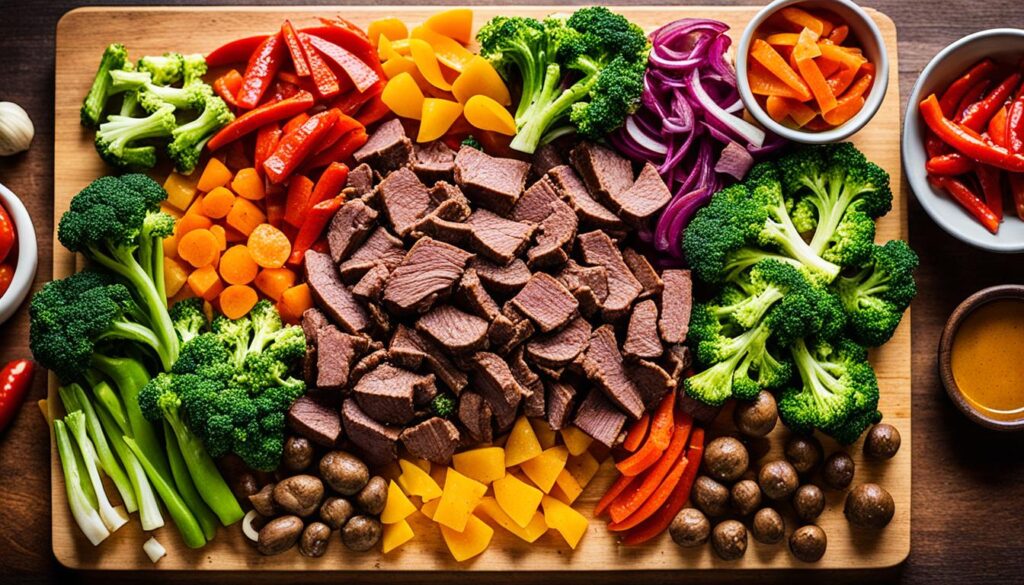
The four recipes above are complete as written. But stir-fry adapts better than almost any other dish style — same technique, same sauce, different protein or vegetables and you’ve got something new.
Protein Swaps
Chicken thighs — not breast, thighs — slice thin against the grain and use the identical velveting technique. Works in all four recipes without changing anything else.
Shrimp — cook time drops to about 90 seconds total, which means it goes in after the vegetables, not before. Don’t bother velveting shrimp — just pat it dry and season with salt and pepper.
Extra-firm tofu — press it dry for at least 30 minutes, cube it, sear in batches in hot oil until golden on at least two sides. It picks up sauce beautifully and has enough texture to stand up to high-heat cooking.
Pork tenderloin — genuinely underrated in stir-fry. Slices perfectly, sears well, and works with every sauce profile on this list.
Vegetables That Work Well
Snap peas (already in recipe four, but they’re good in all of them), baby bok choy halved lengthwise, shiitake mushrooms added with the broccoli, water chestnuts for textural contrast, thinly sliced bell pepper for sweetness and color.
What to Avoid
Zucchini. Genuinely problematic in stir-fry — it holds a lot of water and releases it all in the hot pan, which dilutes the sauce and makes everything watery. If you want to include it, cook it completely separately first and add at the very end, off the heat. Spinach has the same issue. Add it right before serving, not during cooking.
Pairing Suggestions and Serving Ideas
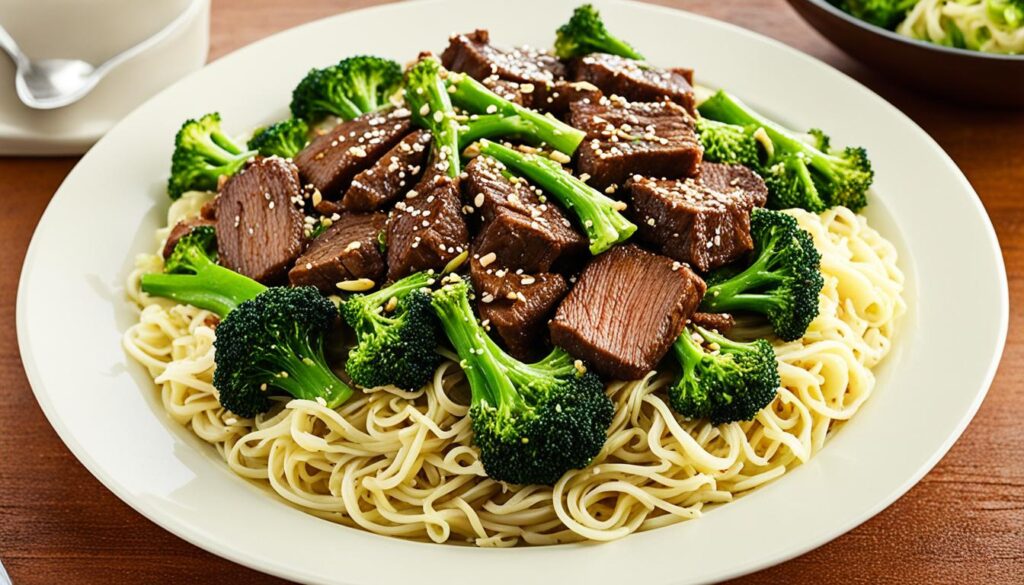
These are complete meals as written — noodles, protein, vegetables, sauce. You don’t need to add anything. But if you’re feeding more people, or if you want the table to feel more substantial, a few things work well alongside:
Quick cucumber salad — sliced cucumbers, rice vinegar, sesame oil, sugar, chili flakes. Five minutes. Cuts through the richness of the stir-fry in a way that makes a second bowl feel possible.
Miso soup — three minutes if you have miso paste. The earthiness pairs particularly well with the spicy chili-garlic version.
Steamed jasmine rice alongside — sounds repetitive with noodles already in the dish, but some people strongly prefer a scoop of rice, especially with the teriyaki version.
How to Actually Serve It
Deep bowls, not flat plates. The sauce will pool at the bottom of the bowl and that’s where you want it — soaking into the noodles, not spreading across a plate and going cold. Garnish goes on right before serving: sesame seeds, scallions, a squeeze of lime for the sesame version, chili oil for the spicy version. Everything got hit with high heat during cooking — fresh garnish is the contrast that makes it taste finished.
Make-Ahead and Storage Tips for Busy Cooks
Stir-fry is best eaten the moment it’s made. That’s not up for debate. The noodles keep absorbing sauce as they sit, the broccoli loses crunch, and the beef texture changes on reheating. That said — with the right approach, leftovers are genuinely good, not just tolerable.
What Can Be Prepped in Advance
The beef: slice it, velvet it, and leave it in the marinade in the fridge for up to 24 hours. It’ll actually be more tender by the time you cook it, not less.
The sauce: mix it up to 3 days ahead. Keep it in a jar in the fridge. Stir before using — the cornstarch settles fast.
The broccoli: blanch it the night before and refrigerate uncovered. Sounds counterintuitive, but leaving it uncovered preserves the color better than wrapping it.
The noodles: cook a few hours ahead, rinse, toss with sesame oil, refrigerate. Let them come to room temperature before they go into the stir-fry — cold noodles hitting a hot pan drop the temperature.
Storing and Reheating Leftovers
Three days in the fridge in an airtight container. To reheat properly: hot pan, a splash of water or broth, medium-high heat for 3 to 4 minutes, stirring frequently. The liquid loosens the sauce the noodles absorbed overnight. Microwave works too — 2 minutes covered, with a tablespoon of water added first.
Freezing: don’t, for the noodle versions. The noodles turn mushy and the broccoli texture is gone. If you want to freeze something, freeze the cooked beef and sauce separately, then make fresh noodles and broccoli when you eat it. It’s more work, but the result is worth it compared to reheated frozen stir-fry noodles.