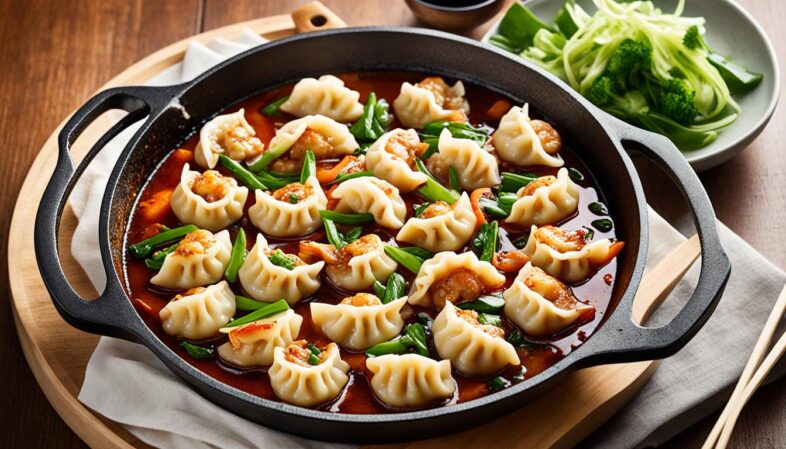
Shrimp and dumpling stir fry gets a complete, restaurant-quality meal on the table in about 30 minutes — large shrimp seared until just pink, crispy-bottomed frozen potstickers, and snappy fresh vegetables all tossed in a glossy soy-ginger sauce that coats everything and pools in the rice underneath.
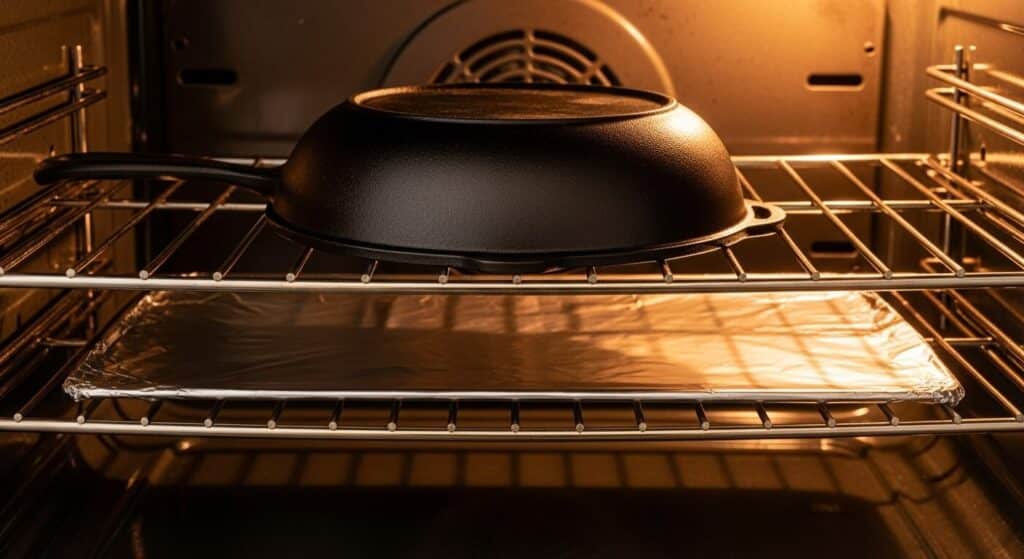
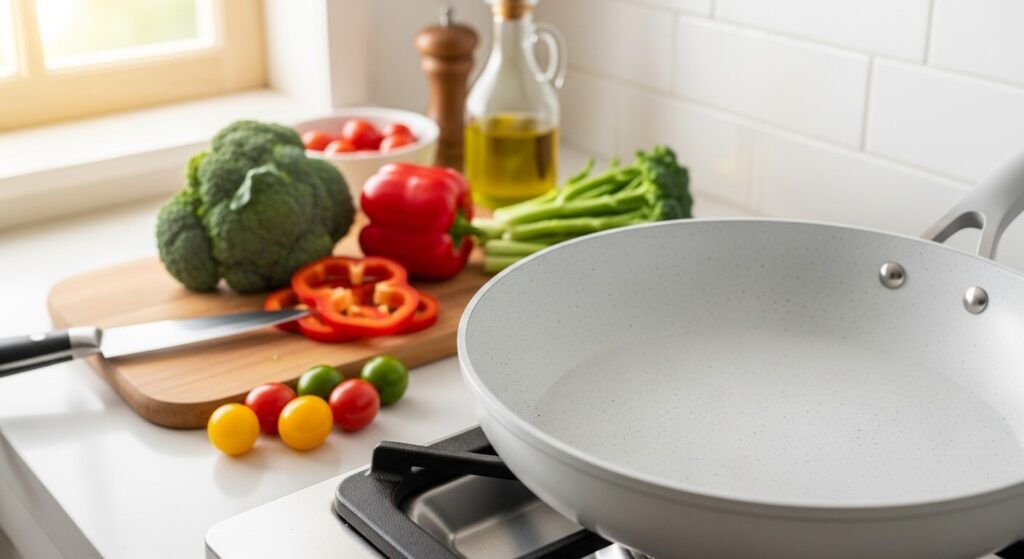
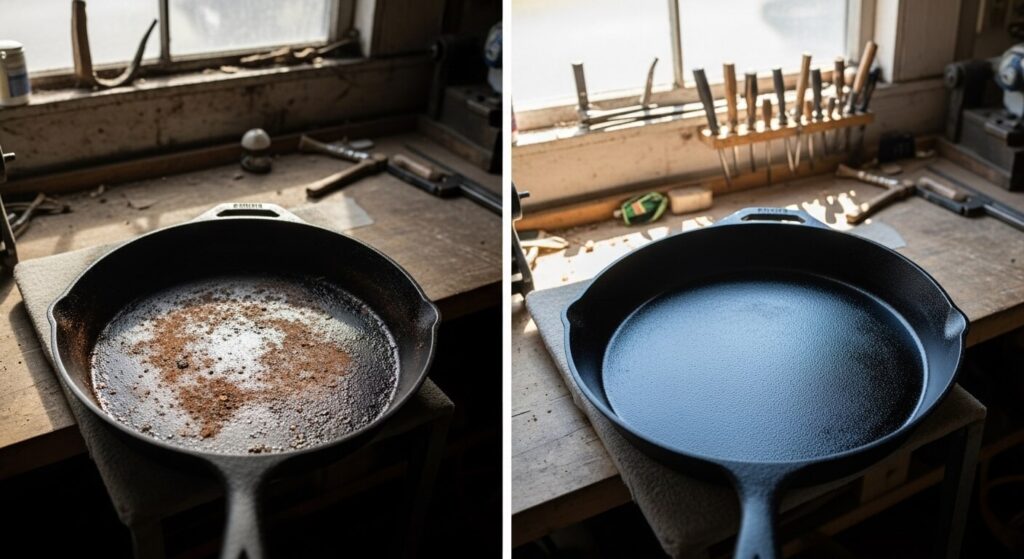
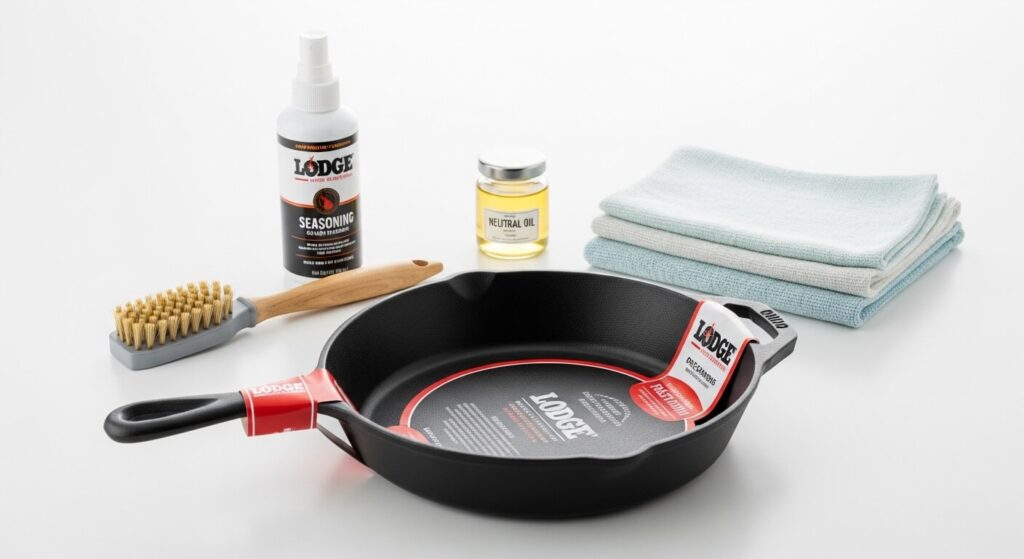
Keep a clean cast iron skillet or a well-seasoned non-stick wok handy. The dumpling crust is the centerpiece of this dish and it needs a good surface to form properly.
Introduction to Shrimp and Dumpling Stir Fry
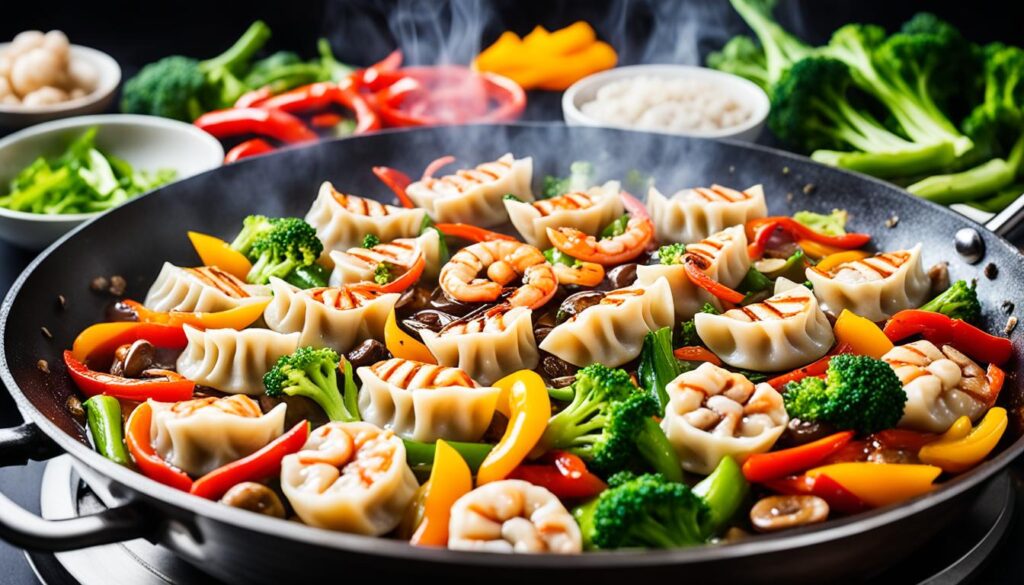
Friday night. End of a long week. I had frozen dumplings in the back of the freezer and a pound of shrimp in the sink thawing because I hadn’t decided what to do for dinner yet. My two sons were orbiting the kitchen asking what was happening. I threw everything into a hot pan with some vegetables that were going soft in the fridge drawer, made a quick sauce from bottles that live on the counter, and served it over rice twenty-five minutes later.
Both of them went quiet.
That’s the signal I pay attention to in this house. Not “this is good.” Not a thumbs up. Just — silence, eating, occasional eye contact with each other that says something is working. My wife came in halfway through and said “are you making this again next week?” I was.
Homemade stir-fry does something takeout genuinely can’t. The vegetables have actual crunch because they went from raw to plate in about three minutes. The shrimp are done right — pink and tender, not that weird squeaky texture that happens when they go a minute too long. And the dumplings have a seared bottom crust that the sauce softens slightly without destroying. All of that requires a very hot pan, decent timing, and almost no technique beyond that.
In just 3 ounces of raw shrimp, you get 12 grams of protein at only 60 calories, according to WebMD. It’s one of the most efficient weeknight proteins you can use — fast to cook, no prep beyond thawing, and works with almost any sauce direction you want to go.
Essential Ingredients for the Perfect Stir Fry
Short list. But a few specific decisions inside that list actually matter.
Shrimp size. Large or extra-large — 21/25 count or 16/20 count. This is not a place to use small or medium shrimp. Smaller shrimp overcook in about 60 seconds and by the time the rest of the dish is done, they’re rubber. Large shrimp have enough mass to develop some color on the outside before the inside overcooks. Go large or don’t bother.
The dumplings go in frozen. I’ll explain this more later but it matters enough to say it here: frozen potstickers or gyoza, straight from the bag. Pork-and-cabbage is the classic filling. Vegetable dumplings are good too. Soup dumplings — those thin-skinned ones filled with broth — don’t work, they fall apart. Standard frozen potstickers from an Asian market or the freezer section at any supermarket. Frozen. Not thawed. Thawed dumplings disintegrate.
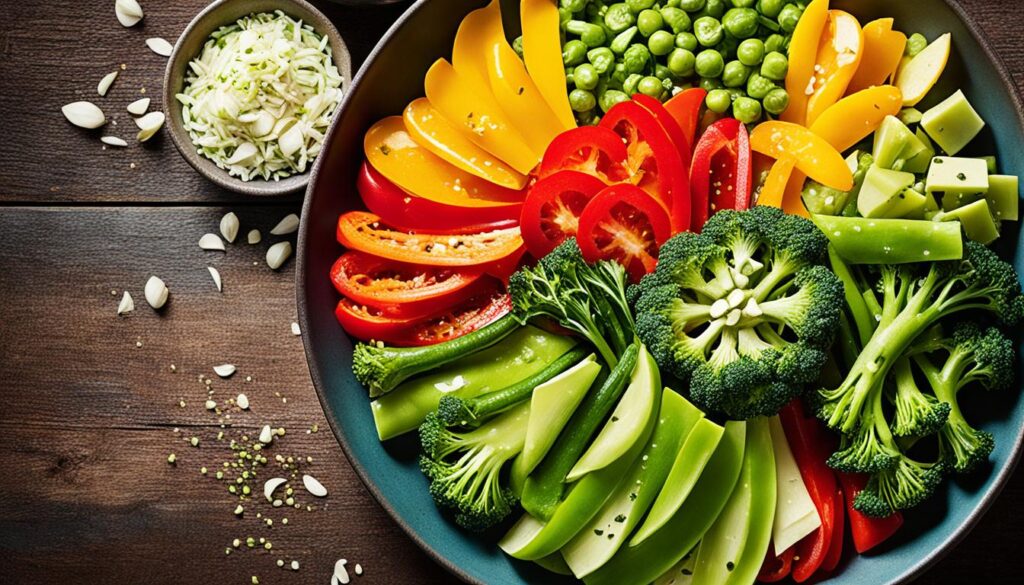
The vegetables are flexible. What I use almost every time: snap peas, one red bell pepper in thin strips, shredded napa cabbage, and green onion cut in 1-inch pieces. Bok choy is a good substitute. Baby bok choy even better. Shiitake mushrooms if I have them. The principle is vegetables that cook in 2 to 3 minutes — crisp, quick-cooking things. Not root vegetables. Not broccoli that needs pre-cooking. Not anything dense and slow.
Fresh garlic and fresh ginger. Both. Not from a jar — the jarred versions are pastes and have a different, duller quality. This sauce is simple enough that the aromatics are doing real work. Fresh.
| Category | Good choices | What to avoid |
|---|---|---|
| Shrimp | Large, extra-large (frozen is fine) | Small sizes — overcook instantly |
| Dumplings | Frozen potstickers, frozen gyoza | Anything thawed, soup dumplings |
| Vegetables | Snap peas, bok choy, peppers, cabbage | Root vegetables, large broccoli, frozen veg |
Preparing Your Ingredients
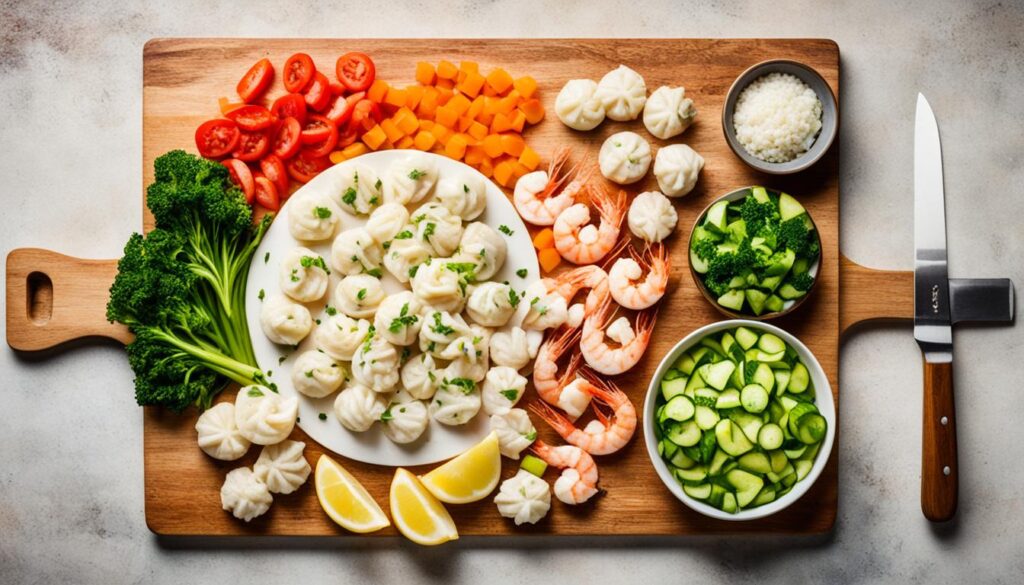
Everything needs to be ready before the pan gets hot. This isn’t optional for stir fry — it’s the whole system. Once heat is on, the cooking is happening fast, and if you’re still chopping the bell pepper when the garlic is already in the pan, you’ve already made a mistake.
Here’s how I actually set up the mise en place:
The shrimp come out of their cold water bath and get patted down with paper towels — every surface, press and hold, get them as dry as you can manage. Wet shrimp in a hot pan steam. You’ll get a hiss and a cloud of vapor and pale grey shrimp that don’t develop any color. Dry shrimp sear. The difference is visible and tastes completely different.
Dumplings stay in the freezer until I’m actively ready to cook them. They go in still frozen — room temperature dumplings go soft and start falling apart before the crust can form.
Everything I’m using — snap peas, cabbage, bell pepper, green onion — goes into one bowl together. They’re going in the pan at the same time so there’s no point in keeping them separate.
The garlic and ginger go in a small separate bowl because they go into the pan earlier, at a different moment, and combining them with the vegetables would mean fishing them out.
The sauce gets mixed and measured into a small bowl or measuring cup before anything else happens. It goes in at the very end when everything else is done and the pan is still blazing hot — there’s no time to measure at that point.
An electric skillet with a removable pan is genuinely useful for this recipe because the consistent heat control makes the dumpling crust phase much more manageable — you can dial in medium-high without the temperature swinging around.
One timing thing to understand before starting: the dumplings take 8 to 10 minutes. The shrimp take 2 to 3. They can’t cook at the same time and the same temperature because what’s right for one will destroy the other. Dumplings go first, get set aside, then everything else happens fast.
The Art of Stir-Frying in a Skillet
Temperature. That’s the conversation.
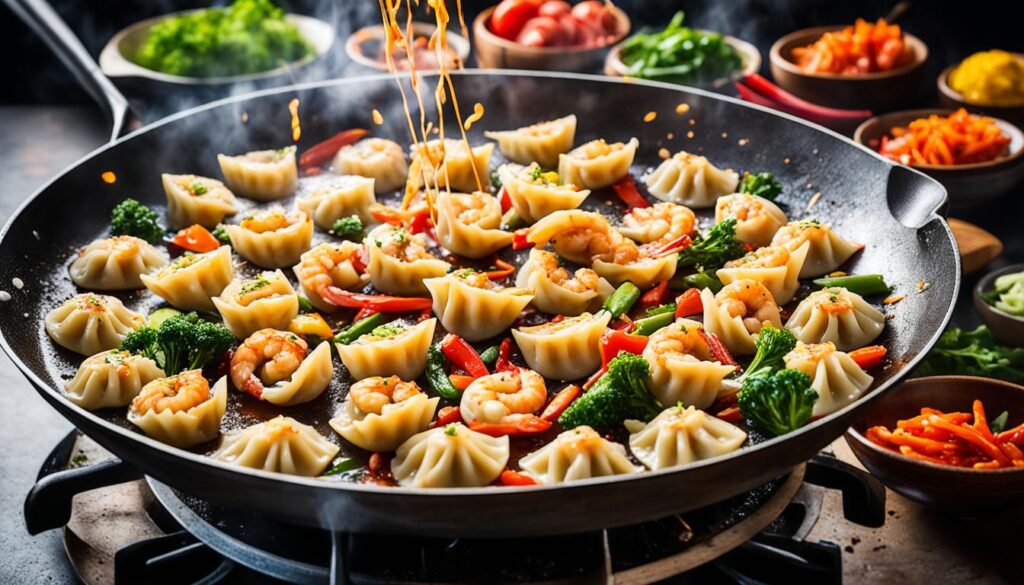
Not medium. Not medium-high. Aggressively, nearly-smoking hot — the kind where a drop of water that falls in the pan bounces and evaporates before it touches the surface, and the oil shimmers the moment it goes in. That heat is what creates the slight char and smokiness that separates a good stir fry from something that tastes like steamed vegetables in sauce.
Restaurant woks run hotter than home stoves will ever get. There’s no fix for that entirely. What you can do at home is use a smaller pan — a 12-inch skillet holds heat better than a 14-inch wok on a regular burner — and preheat it for longer than feels necessary. Five minutes over high heat. Six. Let the pan get genuinely, deeply hot before anything touches it.
Crowding kills it. Single layer, or close. Pile food in and the surface temperature drops immediately — all that water from the vegetables has nowhere to go and you end up braising instead of stir-frying. Pale, soft, not what you’re after.
The shrimp and the vegetables want movement. The dumplings don’t. Dumplings need to sit still and build that crust — move them before they’re ready and you pull the crust off the bottom. Everything else gets tossed and stirred.
Sauce goes in at the very end, pan still screaming hot, and you toss everything fast for 30 to 60 seconds while it reduces and glazes. Then off the heat immediately. That’s the window.
Step-by-Step Cooking Instructions
Full recipe for four people. Ingredients first, process after.
Ingredients (Serves 4)
Protein:
- 1 lb large shrimp (21/25 count), peeled, deveined, completely patted dry
- 16 frozen potstickers or gyoza — do not thaw
Vegetables:
- 2 cups snap peas, strings pulled off
- 1 red bell pepper, sliced into thin strips
- 2 cups napa cabbage, roughly shredded — not too fine
- 4 green onions, cut into 1-inch pieces
Aromatics:
- 4 cloves garlic, minced
- 1-1/2 tbsp fresh ginger, grated on a microplane or the fine side of a box grater
For cooking:
- 3 tbsp neutral oil (vegetable, canola, or avocado), used in stages
- 1/3 cup water for the dumpling steam step
- 1 tsp sesame oil, drizzled on at the very end
Sauce — mix this in a small bowl before anything goes on the stove:
- 3 tbsp soy sauce
- 1 tbsp oyster sauce
- 1 tbsp rice vinegar
- 1-1/2 tsp chili garlic sauce — Sambal Oelek if you can find it
- 1 tsp sesame oil
- 1-1/2 tsp cornstarch dissolved in 2 tbsp cold water — cold, not warm
Instructions
Dumplings first.
Add 1 tablespoon of oil to a large skillet over medium-high heat. When the oil shimmers and a drop of water tossed in sizzles immediately, lay the frozen dumplings flat-side down in a single layer. They’ll stick — that’s correct, leave them. Don’t nudge, don’t check, don’t try to slide them around. Cook 3 to 4 minutes undisturbed. You’re looking for the flat bottom to go from pale to deep golden and the dumpling to release from the pan on its own. If it still resists when you try to lift one edge, it’s not ready.
When the bottoms are golden, pour the 1/3 cup of water around the dumplings — not over them. It’ll hit the hot pan and steam violently. This is what’s supposed to happen. Cover with a lid fast and let them steam 3 to 4 minutes. The wrappers will go from white to slightly translucent, and when you press one gently with a finger it should feel tender rather than firm. Remove the lid, let the water cook off completely, and give them another minute or two to re-crisp that bottom. You should hear them sizzle again. Move them to a plate and set aside.

Wipe the pan. High heat now. Add another tablespoon of oil.
Season the shrimp with salt and pepper. When the oil is very hot — shimmering, just below smoking — lay the shrimp in a single layer. Do not move them. Forty-five seconds. Flip. Another 30 to 45 seconds. They should look pink and opaque and be starting to curl — a loose C shape, not a tight O. Move them to a separate plate from the dumplings the moment they look just barely done. They’re going back in the sauce at the end and they’ll finish cooking there. Shrimp that look fully done when they leave the pan will be overcooked by the time the dish is plated.
Add the last tablespoon of oil to the still-hot pan. Garlic and ginger go in together — stir constantly for 30 seconds. They should smell incredible and look barely golden. The moment any garlic turns brown, add all the vegetables immediately to stop it going further. Toss the vegetables frequently for 2 to 3 minutes. Snap peas should still resist slightly when you bite one. Napa cabbage wilts fast — that’s fine. Bell pepper should have softened but not gone limp.
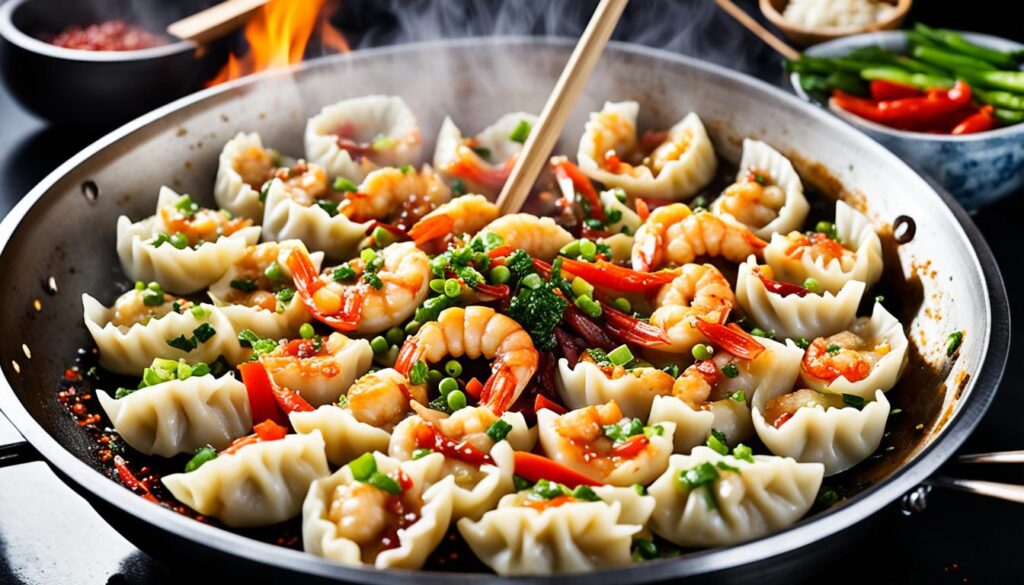
Pour the sauce in. It’ll bubble hard and start thickening almost immediately from the cornstarch. Toss everything in the pan continuously for 30 seconds while the sauce reduces and coats everything with a glossy film. Add the shrimp back in. Add the dumplings back in. A few big tosses to bring everything together and make sure the sauce reaches everything. Drizzle with the sesame oil. Off the heat.
Serve immediately, over steamed jasmine rice or noodles.
Nutritional Information (Per Serving)
| Nutrient | Amount per Serving |
|---|---|
| Calories | 480 |
| Carbohydrates | 42g |
| Protein | 28g |
| Fat | 18g |
| Fiber | 4g |
| Sodium | 980mg |
Creating the Perfect Sauce for Your Stir Fry
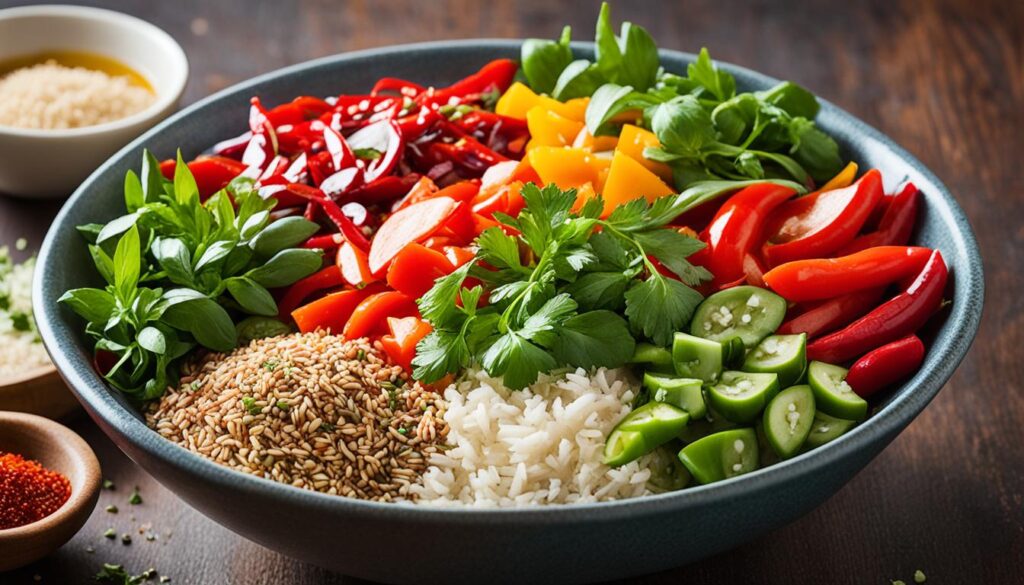
Understanding what each ingredient in the sauce is doing makes it a lot easier to adjust the recipe to your family’s taste — or to swap things out when you’re missing something.
Soy sauce is the salt and the umami. The backbone. Light soy sauce works better than regular soy for stir fry — more flavor, slightly less color, less sodium. Low-sodium version works fine if sodium is a concern in your household, just add a bit more volume to compensate for the reduced saltiness.
Oyster sauce is the sweetness and the depth. It has this rich, almost caramel-like quality that you can’t replicate with anything else easily. Hoisin sauce is the closest substitute but it’s sweeter and less savory — use it if that’s what you have, reduce the soy slightly to balance.
Rice vinegar. This is the acid. Without something to cut through the soy and oyster sauce the whole sauce tastes heavy and flat, like it’s missing something you can’t name. The rice vinegar is what you can’t name. It doesn’t make the sauce taste sour — you won’t notice it’s there. You’ll notice if it’s gone.
The chili garlic sauce is adjustable. My recipe has 1-1/2 teaspoons. My wife thinks that’s plenty. My older son has added more directly to his bowl every time I’ve made this. Figure out where your family lands and calibrate from there.
Cornstarch slurry — cornstarch stirred into cold water first, then added to the sauce. Cold water is not optional here. Hot water makes cornstarch clump before it can do anything useful. Cold lets it stay suspended until it hits the heat in the pan, where it thickens fast and creates that glossy, cling-to-the-shrimp quality that makes the sauce look and taste like something from a real restaurant kitchen.
Three variations worth keeping in a back pocket:
Ginger-scallion version — drop the chili entirely, double the fresh ginger in the sauce, and toss in a full cup of sliced green onion at the very end when everything else is done. Completely different flavor. Cleaner, brighter, less assertive. Good for nights when you want something lighter.
Black bean — swap the oyster sauce for 1-1/2 tablespoons of fermented black bean paste. Funky and deeply savory in a way the standard sauce isn’t. Strong flavor, not subtle, my sons divided on it, my wife loves it.
Teriyaki-style — replace oyster sauce with 2 tablespoons of honey and add a splash of mirin. Sweet-forward. Works particularly well with shrimp and is easier to get kids excited about if yours are on the picky side.
Cooking Techniques for Crispy Dumplings
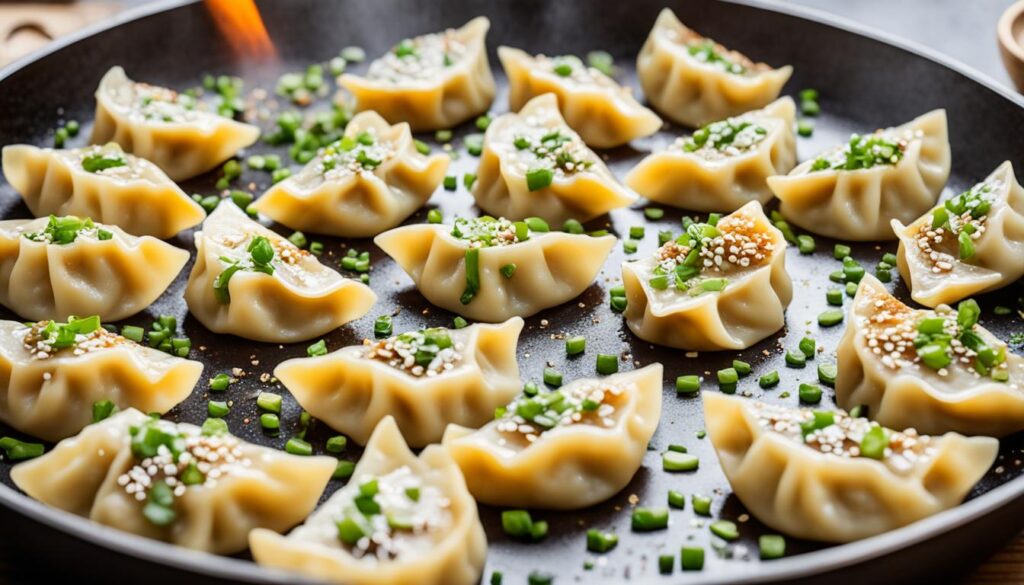
The dumpling crust is the thing people ruin most often. And the reason they ruin it is almost always the same thing: they move the dumplings too early.
Frozen. I keep saying this and I’ll say it one more time. Frozen dumplings go into the pan. Thawed dumplings are soft — the wrapper has started to relax and stick to itself, and by the time the pan is hot enough to form a crust, the dumpling is already falling apart. Start frozen. Every time.
Flat side down. The pleated or pinched top of a potsticker has too much surface variation to sear evenly. The flat bottom is what builds a crust. That’s the side you want against the hot oil.
Heat the pan to medium-high — not screaming high for this part, unlike the shrimp. Medium-high gives the dumplings time to build a proper crust without scorching before the interior has cooked through. When the oil shimmers, the dumplings go in.
Then you wait.
Three to four minutes of not touching them. This is genuinely hard. The instinct is to check, to nudge, to slide one around and peek underneath. Do not do this. The dumpling is stuck to the pan because the crust hasn’t formed yet — it needs contact with the hot surface to build. Interrupt that contact and you tear the bottom off. The dumpling releases on its own when it’s ready.
When the crust has formed — you can tell by carefully lifting one edge with a spatula, it should slide freely — then pour the water in for the steam step. Stand back. Cover immediately. Let them steam 3 to 4 minutes. The wrappers will turn slightly translucent and feel tender. When you press one gently with a finger it compresses slightly and springs back — that means the filling is cooked and the wrapper is done.
Uncover. Water evaporates. Give them another minute. When you hear sizzling again — the water is gone and they’re frying again — they’re ready to come out.
What you want on that flat bottom: deep golden brown, almost mahogany in color in spots, with a faint crackling sound when you press it. The top should look soft and slightly translucent. The contrast between those two textures is the whole point.
Ensuring Perfectly Cooked Shrimp
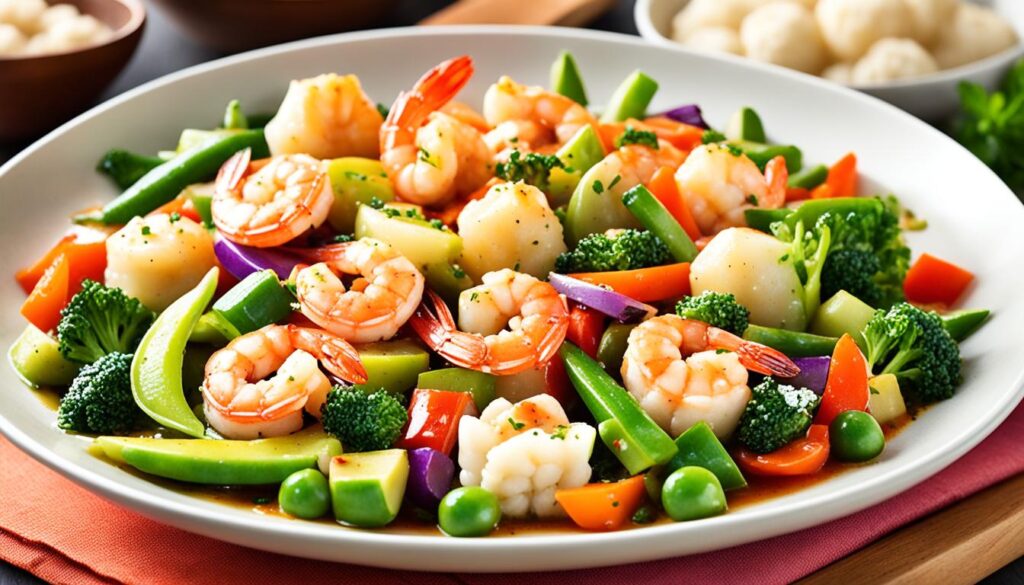
Overcooked shrimp is genuinely one of the worst things in cooking. Rubbery, dense, almost squeaky between the teeth — it’s unpleasant in a way that undercooked shrimp isn’t. And the margin between right and wrong is about 45 seconds. That’s it. Forty-five seconds separates perfect from ruined.
Raw shrimp is grey-blue and almost translucent. It flops easily when you hold it. Perfectly cooked shrimp is pink and fully opaque, curled into a loose C — the tail end and the head end are curved toward each other but not touching. There’s a little color on the exterior from the hot pan. That’s the target.
Overcooked shrimp curls into an O — the tail and head almost touching, the body tight and coiled. Feels dense and firm when pressed. Once it looks like an O, there’s nothing to do.
Pull shrimp from the pan at the loose-C stage. It looks slightly underdone. That’s correct — there’s carry-over cooking from the residual heat, and when it goes back into the hot sauce at the end of the recipe, it finishes perfectly. Shrimp that look done when they leave the pan will be overcooked by the time they’re served.
The USDA Dietary Guidelines recommend at least two servings of seafood per week, as noted by Chicken of the Sea’s nutritional resource. A stir fry like this covers that easily and the quick-sear cooking method keeps the nutrition intact — no deep frying, no heavy breading, just a very hot pan and a couple of minutes.
Vegetable Combinations for Added Nutrition
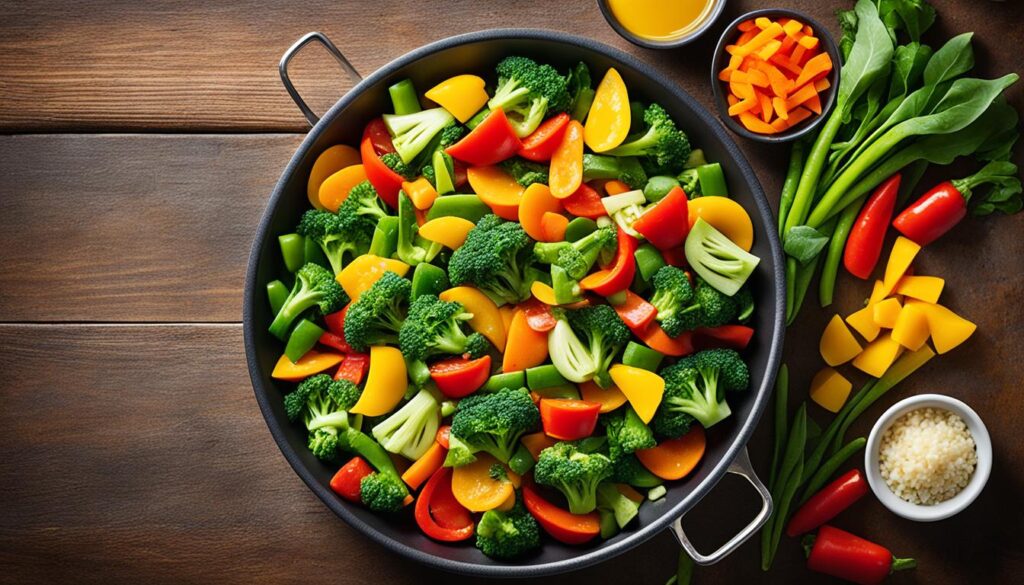
The vegetables in the main recipe work. But this dish is flexible and the vegetable combination changes completely based on what’s in the fridge.
Snap peas, snow peas, baby bok choy, shredded cabbage — any of these — take 2 to 3 minutes in a very hot pan and still have some texture when they’re done. These are the ones I buy specifically for stir fry nights because they work reliably and they taste good.
Sliced shiitake mushrooms go in slightly earlier than the faster vegetables — maybe a minute head start — because they need more time to release their moisture and develop any color. Worth it. They add a savory, earthy note that snap peas don’t have.
Asparagus cut into 1-inch pieces works well too. Thinly sliced zucchini. Corn cut fresh from a cob in summer — different from anything else, sweet and slightly charred at the edges if the pan is hot enough.
What doesn’t work: large broccoli florets that are still raw in the middle when everything else is done. Dense carrots that need real cooking time. Frozen vegetables — they release water the moment they hit the hot pan and drop the temperature. If you want to use frozen, thaw and drain them thoroughly and accept that the sear won’t be quite right.
Per 100 grams, shrimp provides 540 mg of omega-3 fatty acids as DHA and EPA, according to Nutrition Advance. Combined with colorful vegetables, this stir fry delivers a real nutritional punch — protein, omega-3s, fiber, and the antioxidants in bell peppers and cabbage, all in one pan, in about 30 minutes.
Shrimp and Dumpling Stir Fry: Putting It All Together
The sequence matters more than anything else in this recipe.
Dumplings first. Full process — sear, steam, re-crisp. Off to a plate. About 10 minutes.
Then shrimp. Hot pan, single layer, barely cooked, off to a separate plate. Two minutes.
Then aromatics — garlic and ginger, 30 seconds, don’t burn them.
Then vegetables. Two to three minutes, keep the crunch.
Then sauce. Fast, hot, toss to coat.
Then shrimp back in, dumplings back in. One final toss. Sesame oil. Done.
The instinct when making stir fry is to do everything together, all at once, big pan, everything in. That instinct produces mediocre stir fry. The shrimp and dumplings need completely different treatment — one needs a patient sear and steam, the other needs 90 seconds of extremely high heat and then nothing more. Cooking them separately takes maybe 5 extra minutes total. The dish is incomparably better for it.
Rice or noodles. Both work well. Steamed jasmine rice is what I make most often because it’s already going when I start the stir fry and needs zero attention. Noodles are excellent if you want to toss them directly into the pan with the sauce in the last 60 seconds — they absorb the sauce and come out glazed rather than just sitting under it.
Serving Suggestions and Garnishes
Garnishes here aren’t decoration. They’re flavor.
Toasted sesame seeds scattered over everything just before it hits the table — a slight nuttiness, a tiny bit of crunch, a visual texture break from the glossy sauce coating everything else.
Green onions: some went into the pan near the end of cooking, but I always hold a handful back and scatter them raw over the top. The raw green onion has a brighter, sharper quality than the cooked. Keeps the dish from feeling one-dimensional.
Sriracha or fresh sliced chili on the side. Not incorporated into the sauce so it’s already decided — let people add their own heat. My younger son adds a lot. My wife adds none. This is the diplomatic solution.
A small dipping bowl of soy sauce with a few drops of sesame oil and some chili flakes specifically for the dumplings. The stir fry sauce is good on everything but the dumplings specifically are better with a clean, direct dipping sauce alongside. My older son dunks every single one.
Cold cucumber spears on the side. My wife suggested this once and I thought it was odd. She was completely right. The cold, mild crunch of cucumber against the hot, savory stir fry is a relief rather than a distraction.
Skip the fried shallots or crispy garlic on top — they go soggy in about four minutes from the steam rising off the dish. This food needs to be eaten immediately.
Customizing Your Stir Fry: Variations and Substitutions
More flexible than it looks.
Swap the shrimp for chicken thigh — sliced thin, cut across the grain. Same process, slightly longer in the pan, about 2 minutes per side until cooked through. Excellent. Different enough to feel like a different meal but the sauce works the same way.
Skip the shrimp entirely and double the mushrooms, adding a block of pressed firm tofu cut into cubes. Pan-fry the tofu first in the same oil until it’s golden on at least two sides — this takes 5 to 6 minutes — then treat it exactly like the shrimp from that point forward. My wife requests this version regularly. It genuinely doesn’t feel like a compromise.
Different dumplings change the whole character of the dish. Shrimp and chive dumplings with shrimp in the stir fry is shrimp twice and somehow works. Mushroom and glass noodle filling gives the whole dish a more earthy, mellow flavor. Chicken and cilantro dumplings brighten everything up.
Noodles instead of rice — or noodles in addition to nothing, meaning toss the noodles directly into the pan at the end and let them absorb the sauce for 60 seconds before serving. Rice noodles, thin wheat noodles, udon. All work. All different results.
If you’re building a stir fry rotation for weeknight dinners, a healthy beef and broccoli stir fry with noodles gives you a completely different protein direction with the same core technique — hot pan, fast cook, sauce at the end. Worth having both in the regular rotation.
Last thing. The sauce in this recipe works on almost anything stir-fried. Make a double batch, keep half in a jar in the fridge for up to a week. On a night when you need dinner fast and don’t want to think, pull out the jar, cook whatever protein and vegetables are available, add the sauce at the end. Thirty minutes to a good dinner. That’s the whole idea.