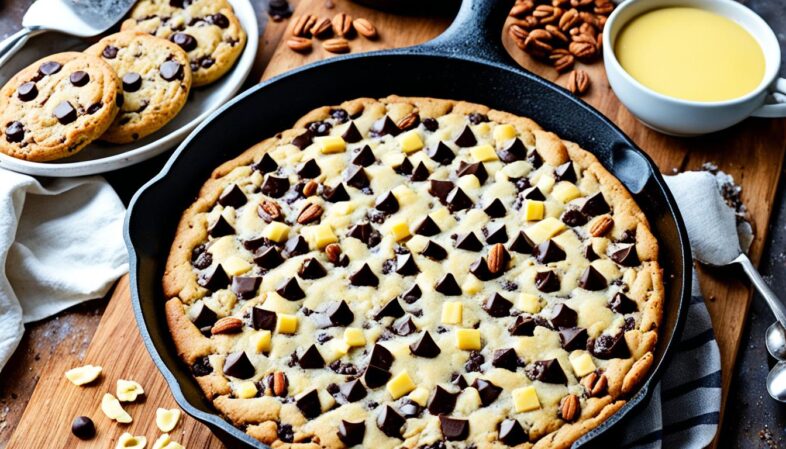
A cast iron skillet cookie is, at its core, just one giant cookie baked straight in the pan instead of scooped onto a sheet. Almost no cleanup, either. I’ve tinkered with all nine of these recipes for years now — tweaking, scrapping, redoing — and what’s below is what actually stuck in my regular rotation, not a first draft. All nine serve four people.
Getting Started with Cast Iron Skillet Cookie Indulgence
Skillet cookies work because the pan holds heat differently than a baking sheet does — you get crisp edges and a soft, almost underbaked center, which is exactly what most people want from a cookie and rarely get.
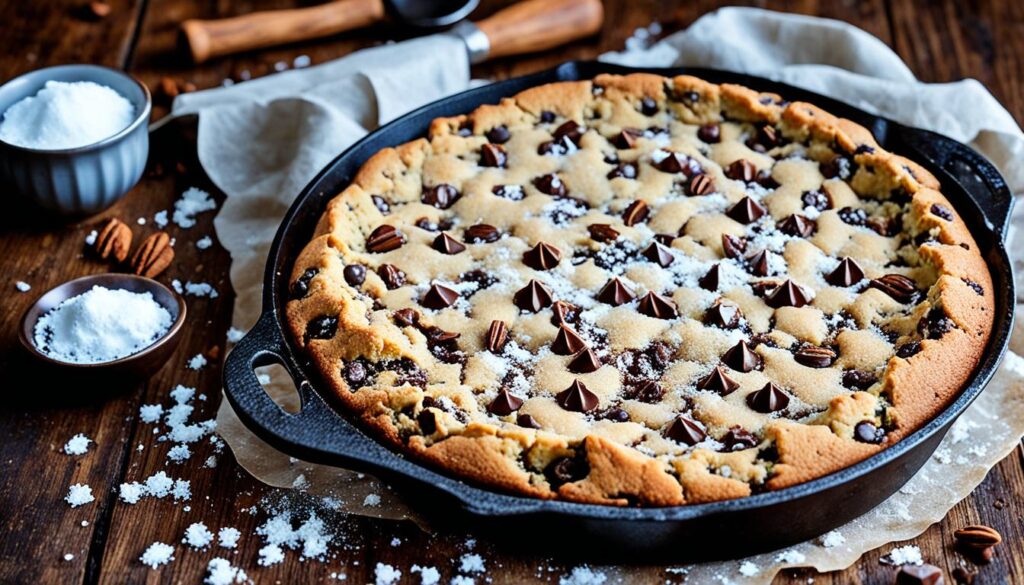
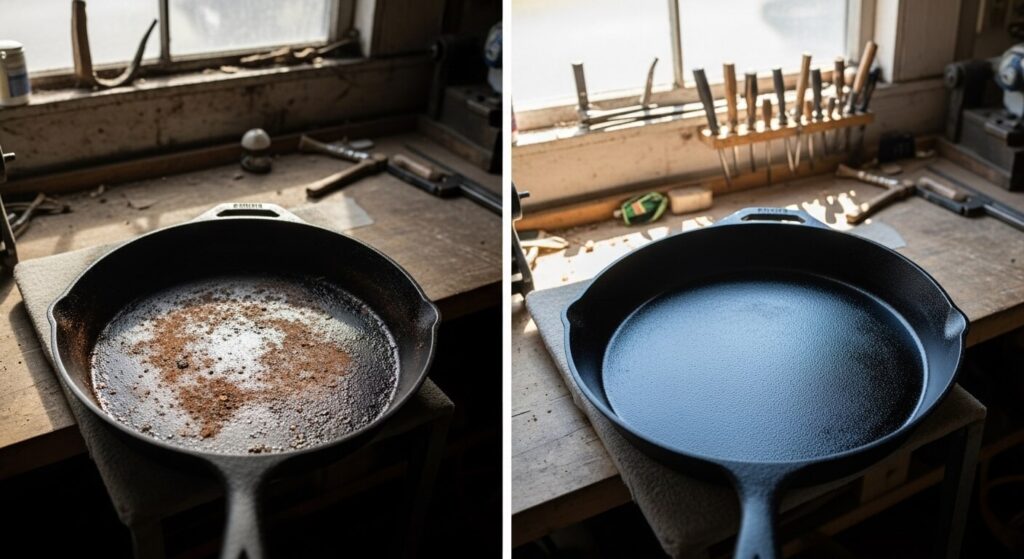
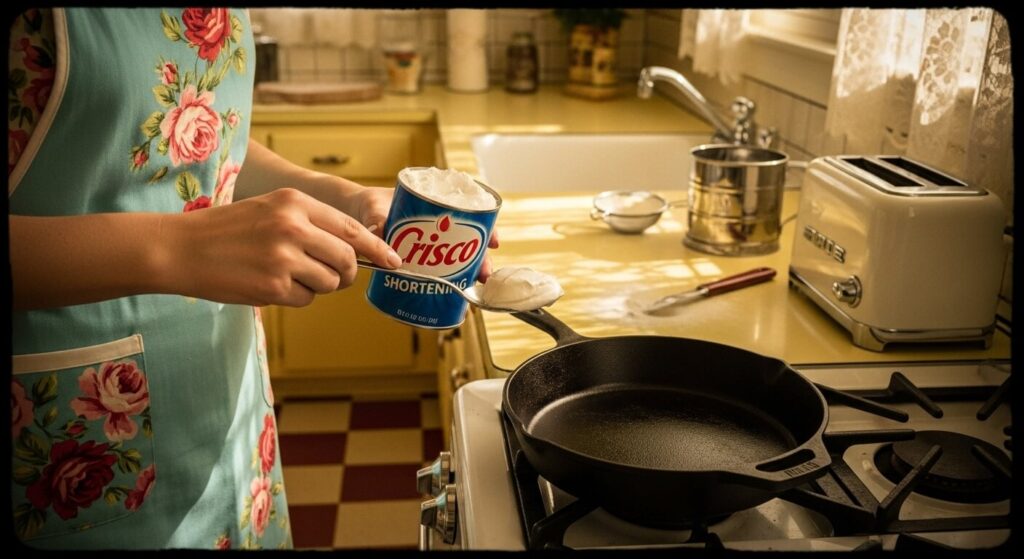
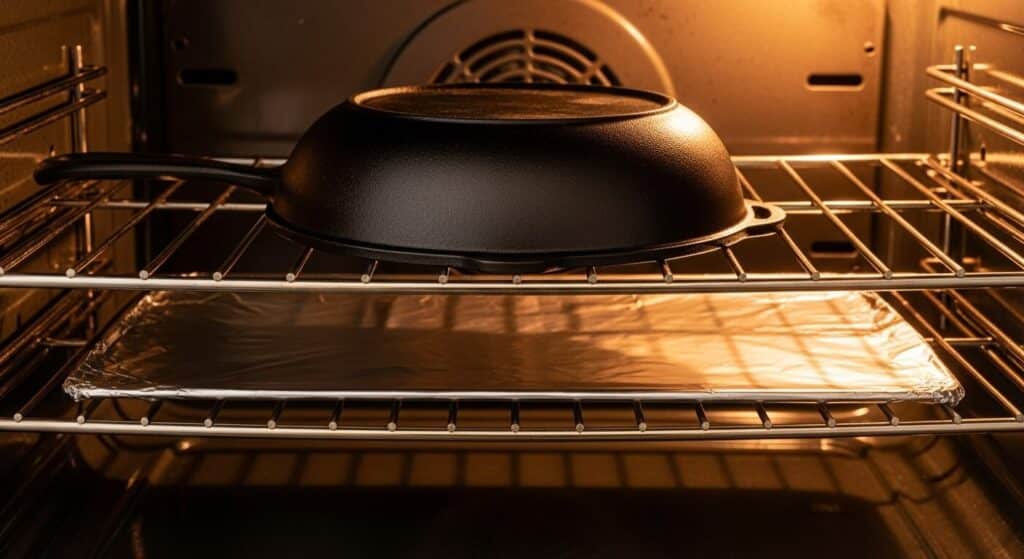
Here’s the thing nobody tells you upfront: this only works if your skillet’s actually ready for it. A pan with a thin or patchy seasoning layer will stick, no matter how much butter you use. So before doing any of the recipes below, take the time on seasoning your skillet right — it’s a one-time job that pays off every single time after.
My go-to is a 10-inch skillet, basically across the board, unless I say otherwise in a specific recipe. Smaller pan? Fine, it’ll still work — just knock a few minutes off the bake time, since the dough sits thicker in a smaller diameter.
The Magic of Baking Cookies in a Cast Iron Skillet
Heat moves differently through cast iron than it does through a thin sheet pan. The edges catch and caramelize instead of drying out, and somehow the center stays gooey way longer than you’d expect from something sitting in a 350°F oven.
There’s also the visual thing — pulling a skillet straight from the oven to the table just looks better than transferring a cookie onto a plate. People notice. The same logic is part of why Chicago-style deep dish pizzas get baked in cast iron too — the pan does a lot of the work that an oven alone can’t.
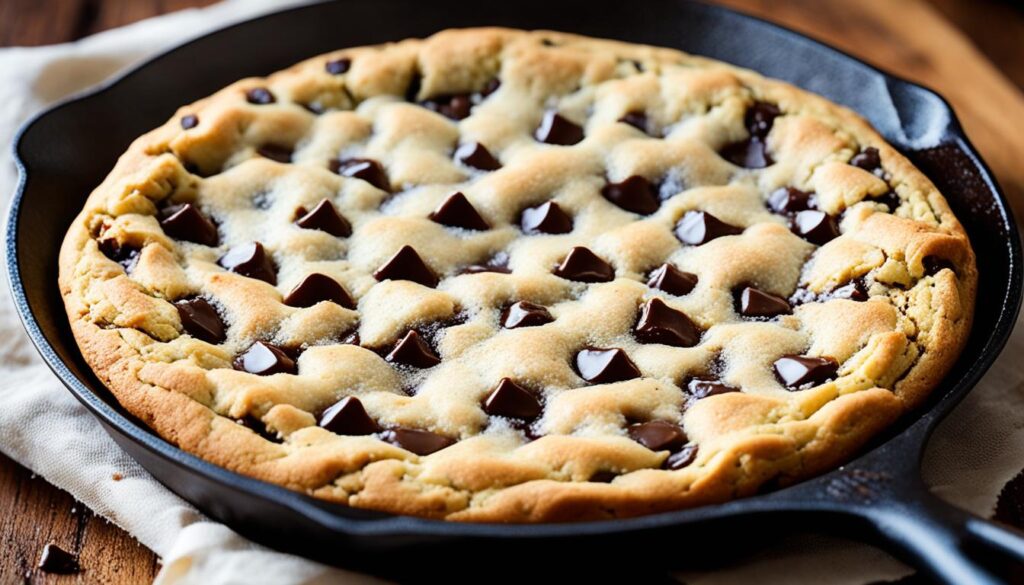
One thing I’ll admit, though: not every cookie benefits from this treatment. Thin, crispy cookies (think classic snickerdoodles) don’t really gain anything from the skillet format. This whole method shines specifically with thick, chewy, gooey-centered cookies. Keep that in mind before you try to skillet-ify everything in your recipe box.
Essential Tools and Ingredients for Skillet Cookies
You need a properly seasoned cast iron skillet, room-temperature butter, and an oven thermometer if you don’t already trust your oven’s actual temperature — that’s really the short list.
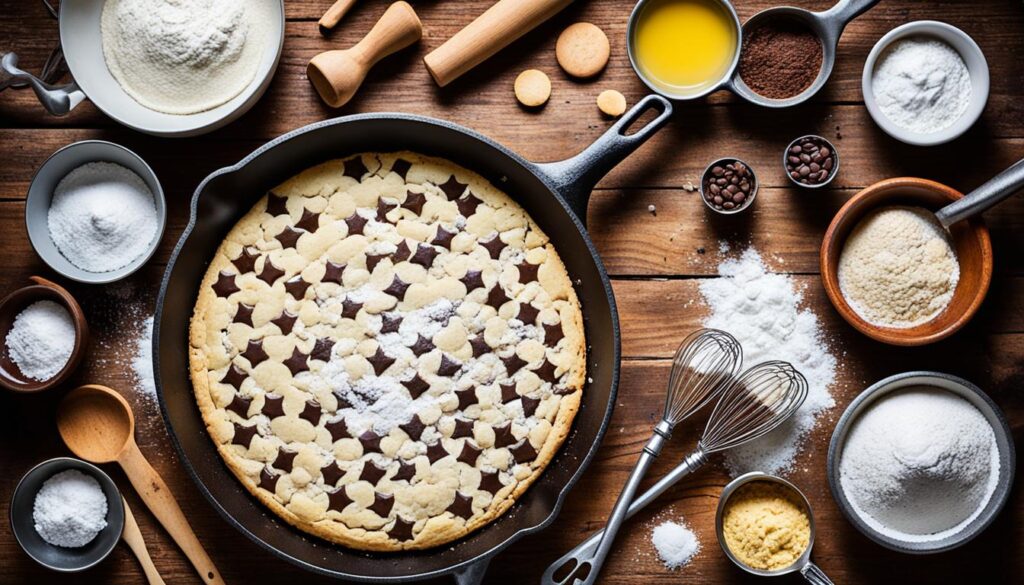
Beyond the skillet itself:
- A hand mixer. Not required, but creaming butter and sugar by hand for five minutes gets old fast.
- Parchment paper, cut into a circle, for the bottom of the skillet if you’re worried about sticking (I usually skip this once a skillet’s well-seasoned, but it’s a fine safety net early on).
- A good spatula. Cast iron handles get hot, and you’ll be pulling this thing in and out of the oven more than once most recipes.
- Standard baking ingredients. Flour, sugar, butter, eggs, vanilla, baking soda. Nothing exotic.
Need a break from dessert after all this? This stir-fry recipe runs on the exact same skillet, and it’ll take about the same amount of time start to finish.
Peanut Butter Lover’s Skillet Cookie
Peanut butter gets folded straight into the dough here, not just dropped in as chips — so the flavor’s everywhere in the bite, instead of showing up only in scattered pockets.
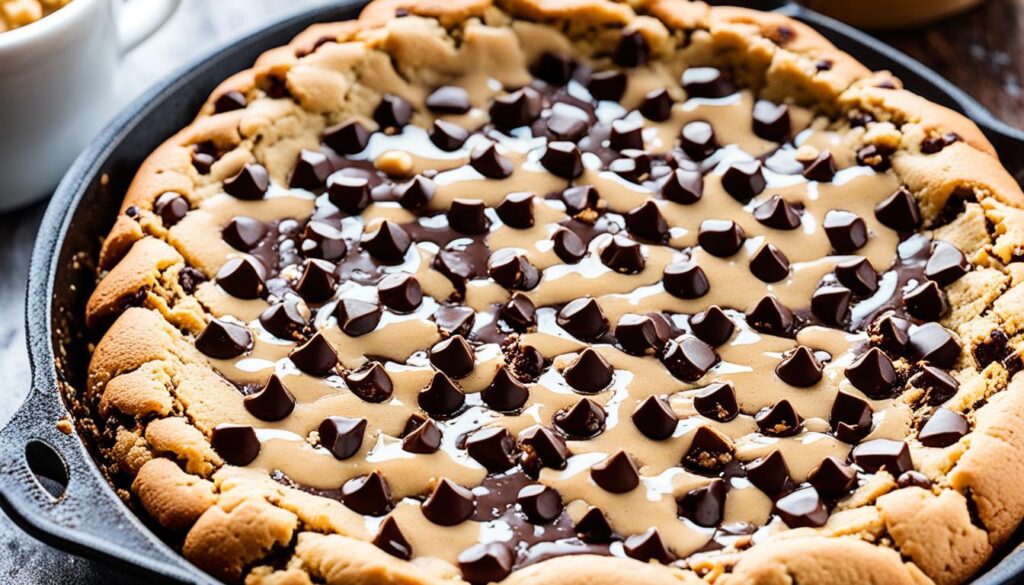
Honestly? This might be my single favorite cookie on this whole list, skillet or otherwise. Peanut butter cookies usually disappoint me — too dry, too crumbly. This one isn’t either of those things.
Ingredients
- 1-1/4 cups all-purpose flour
- 1/2 tsp baking soda
- 1/4 tsp salt
- 1/2 cup unsalted butter, softened
- 3/4 cup creamy peanut butter
- 1/2 cup brown sugar, packed
- 1/4 cup granulated sugar
- 1 large egg
- 1 tsp vanilla extract
- 1 cup peanut butter chips (or chopped peanut butter cups, your call)
- 1/2 cup chopped roasted peanuts, optional
Instructions
Whisk the flour, baking soda, and salt together in a bowl, then set it aside for a minute.
Cream the butter, peanut butter, and both sugars together until smooth. Really smooth — no streaks of either ingredient left visible. It takes longer than a regular butter-and-sugar cream, just because peanut butter’s thicker to work through. Give it the full 2-3 minutes with a hand mixer, don’t shortcut it.
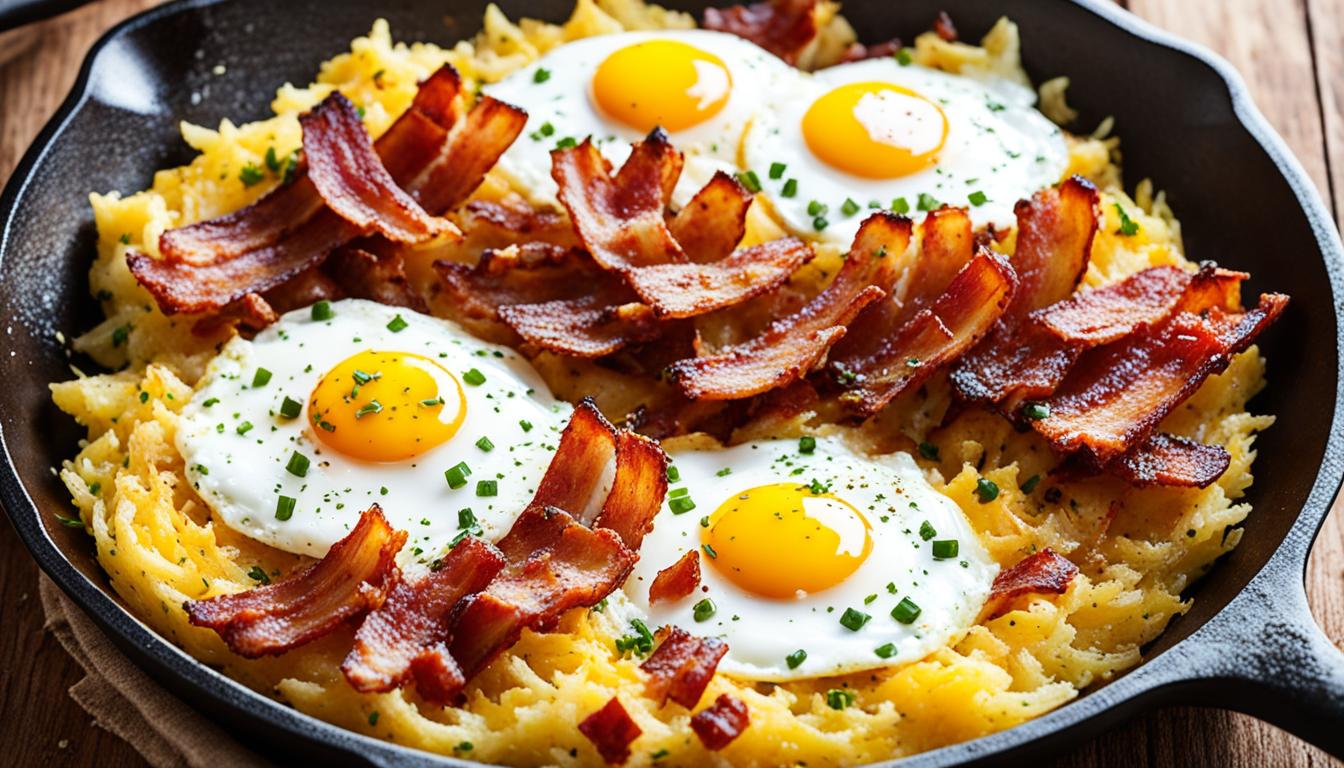
Beat in the egg and vanilla. Bring the dry ingredients in slowly from here — dump it all at once and you’ll spend the next minute coughing through a flour cloud. Stir just until combined, then fold in the peanut butter chips, and the peanuts too if you’re using them.
Press the dough into your buttered skillet and smooth the top with the back of a spoon. Bake at 350°F for 20-22 minutes. Here’s what done looks like: the center’s still a little soft, maybe even slightly wet-looking, but the edges have gone deep golden and pulled in a touch from the pan walls. That softness in the middle is correct. Leave it.
Let it rest for 10-15 minutes before slicing. Peanut butter desserts hold heat oddly well, so don’t rush this part even if it looks ready sooner.
Nutritional Information (per serving)
| Nutrient | Amount per Serving |
|---|---|
| Calories | 548 |
| Carbohydrates | 58g |
| Protein | 13g |
| Fat | 31g |
| Fiber | 3g |
| Sodium | 380mg |
For more ways to put a skillet to work, these skillet recipes lean savory, if you want something to balance out all this sugar later in the week.
Double Chocolate Skillet Cookie Indulgence
Two kinds of chocolate chips plus cocoa powder baked right into the dough — that’s the whole idea here. Chocolate from the first bite to the last, no graham cracker or vanilla base trying to steal attention away from it.
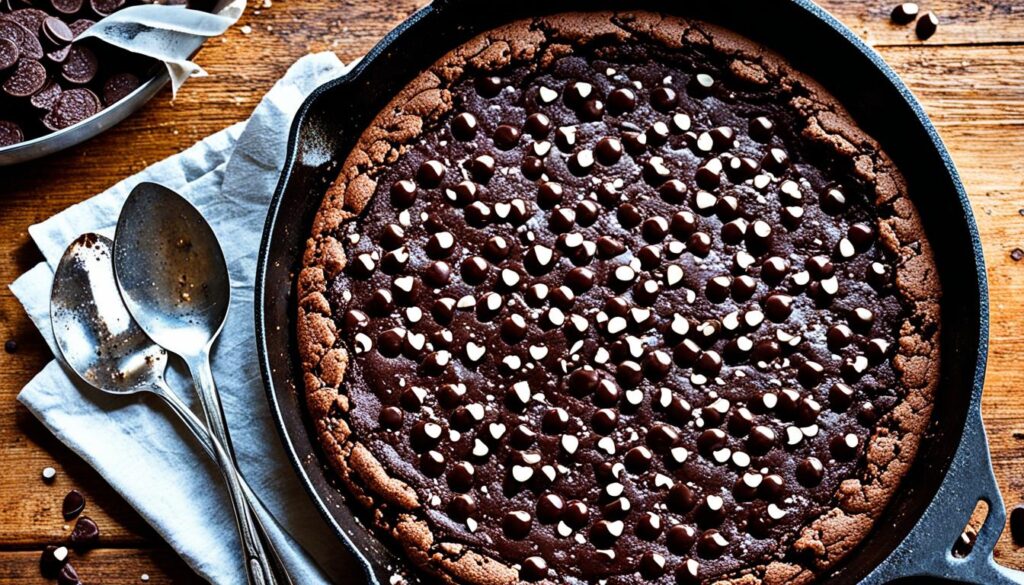
If you ask me, this is the cookie to make when you want something that looks like it took real effort but actually came together in twenty minutes of active work. I make this one more than any other on the list, mostly because it’s hard to mess up.
Ingredients
- 1-1/4 cups all-purpose flour
- 1/3 cup unsweetened cocoa powder
- 1/2 tsp baking soda
- 1/4 tsp salt
- 3/4 cup unsalted butter, softened
- 3/4 cup brown sugar
- 1/4 cup granulated sugar
- 1 large egg
- 1 tsp vanilla extract
- 1 cup semi-sweet chocolate chips
- 1/2 cup dark chocolate chips
Instructions
Sift the flour and cocoa together before anything else. Skip it, and you risk bitter little cocoa clumps showing up in the finished cookie — not worth chancing. Once that’s done, whisk in the baking soda and salt.
In a separate bowl, cream the butter and both sugars until light and fluffy. Then the egg, then the vanilla.
Work the dry ingredients into the wet gradually. The dough goes dark almost the second it comes together — totally normal, not a sign of trouble. Fold in both kinds of chocolate chips.
Press into your buttered skillet. Bake at 350°F for 18-21 minutes. Color won’t help you judge doneness here, since the dough’s already dark from the cocoa. Press the center instead — it should spring back, not feel wet, not sink under a light touch.
Give it at least 10 minutes to cool. It firms up more than you’d expect during that window, so don’t trust the texture you see fresh out of the oven.
Nutritional Information (per serving)
| Nutrient | Amount per Serving |
|---|---|
| Calories | 561 |
| Carbohydrates | 67g |
| Protein | 7g |
| Fat | 30g |
| Fiber | 3g |
| Sodium | 290mg |
The same one-pan thinking works just as well outside dessert — this chocolate skillet cookie variation, or really any savory dish the pan can handle, proves that.
Oatmeal Raisin Skillet Cookie with a Twist
Swap half the raisins for chopped dried cranberries, add a pinch of orange zest, and the usual oatmeal raisin cookie goes somewhere a lot brighter and less predictable than you’d expect.
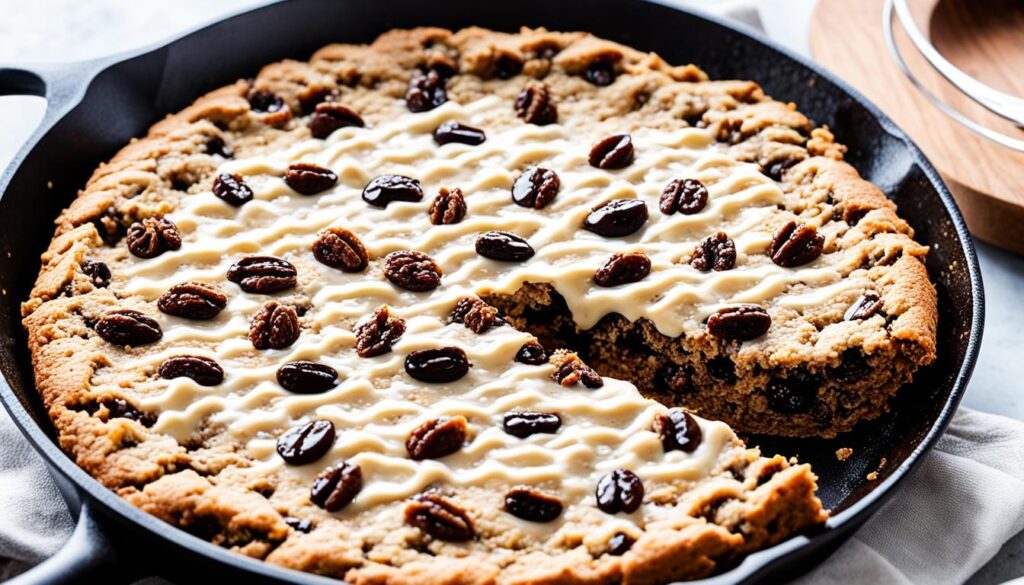
I know oatmeal raisin gets a bad reputation — people joke about it being the “fake chocolate chip cookie.” Fair enough, in cookie form. But baked this way, in a skillet, with the cranberry and orange twist? It’s genuinely one I look forward to making, not just tolerate.

Ingredients
- 1 cup all-purpose flour
- 1-1/2 cups old-fashioned rolled oats
- 1/2 tsp baking soda
- 1/2 tsp cinnamon
- 1/4 tsp salt
- 3/4 cup unsalted butter, softened
- 3/4 cup brown sugar
- 1/4 cup granulated sugar
- 1 large egg
- 1 tsp vanilla extract
- 1 tsp orange zest
- 1/2 cup raisins
- 1/2 cup dried cranberries, chopped
Instructions
Whisk the flour, oats, baking soda, cinnamon, and salt together in a bowl.
Cream the butter and both sugars until fluffy, then beat in the egg, vanilla, and orange zest. Don’t skip the zest — it’s doing more work than you’d guess, and it’s the difference between this and a standard raisin cookie.
Mix the dry ingredients into the wet in a couple of additions. The dough looks shaggier than usual thanks to the oats. That’s fine, expected even, not something to fix. Fold in the raisins and chopped cranberries last.
Press into your buttered skillet. Bake at 350°F for 19-22 minutes. You’re looking for deep golden edges, and the oats on top should look toasted, not pale.
Rest for 10 minutes. Oatmeal-based cookies firm up more on cooling than chocolate ones do, so a soft-looking center straight from the oven isn’t a problem.
Nutritional Information (per serving)
| Nutrient | Amount per Serving |
|---|---|
| Calories | 492 |
| Carbohydrates | 66g |
| Protein | 6g |
| Fat | 23g |
| Fiber | 4g |
| Sodium | 270mg |
Sugar Cookie Skillet Delight
Bake a classic sugar cookie as one giant skillet cookie and you get crisp, slightly crackled edges with a soft, almost shortbread-like center — something a sheet-pan version never quite pulls off.
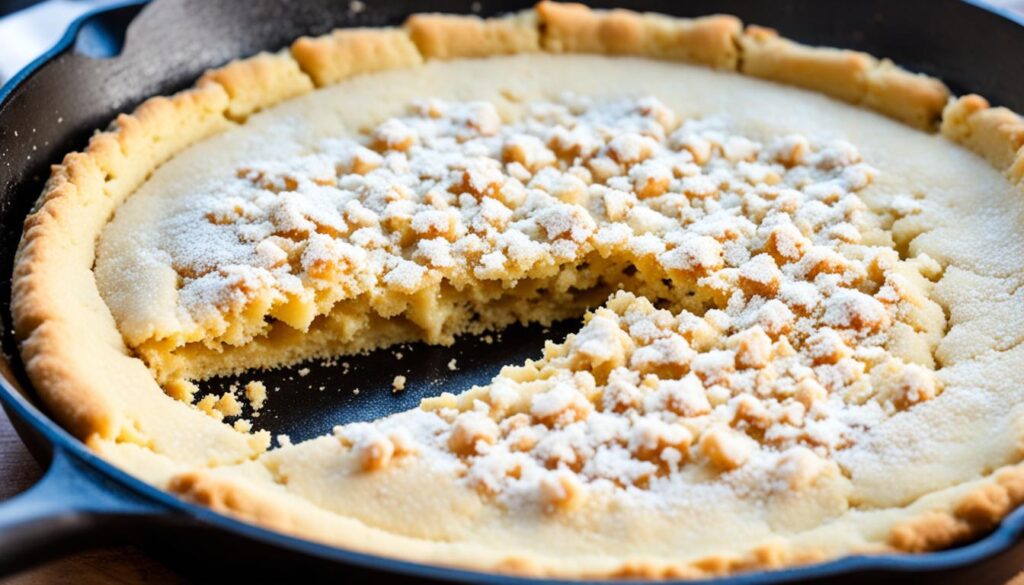
This is the simplest recipe on the list by a wide margin, and that’s exactly why I like it. Some days you don’t want chocolate or peanut butter or a dozen mix-ins — you just want a cookie that tastes like butter and sugar, done right.
Ingredients
- 1-3/4 cups all-purpose flour
- 1/2 tsp baking soda
- 1/4 tsp baking powder
- 1/4 tsp salt
- 3/4 cup unsalted butter, softened
- 1 cup granulated sugar
- 1 large egg
- 1-1/2 tsp vanilla extract
- 2 tbsp coarse or sanding sugar, for topping
Instructions
Whisk the flour, baking soda, baking powder, and salt together in a bowl.
Cream the butter and sugar until it’s pale, properly fluffy. Takes a bit longer than the other recipes here, since there’s no brown sugar around to soften the texture along the way. Beat in the egg, then the vanilla.
Mix the dry ingredients in gradually, just until the dough comes together. It’ll feel stiffer than a chocolate chip dough — that’s normal, sugar cookie dough is supposed to hold its shape rather than spread loose.
Press into your buttered skillet and smooth the top. Sprinkle the coarse sugar over the surface before it goes in. Bake at 350°F. Sixteen to nineteen minutes is all it needs — shorter than most recipes on this list, since there’s nothing in the dough slowing the bake down. Keep an eye on the edges; golden is what you want, not deep brown, or the whole delicate flavor this cookie’s supposed to have gets lost.
Cool for at least 10 minutes before cutting in.
Nutritional Information (per serving)
| Nutrient | Amount per Serving |
|---|---|
| Calories | 463 |
| Carbohydrates | 58g |
| Protein | 5g |
| Fat | 23g |
| Fiber | 1g |
| Sodium | 250mg |
Nutella-Stuffed Skillet Cookie Heaven
A pool of Nutella gets sealed inside the dough before baking, so cutting into this cookie reveals a warm, hazelnut-chocolate center instead of just chips scattered throughout.
This is the cookie I make when I want a reaction. Cutting into it and watching the Nutella spill out never gets old, even on the tenth time making it. If you’re trying to impress someone with minimal effort, start here.
Ingredients
- 1-1/2 cups all-purpose flour
- 1/2 tsp baking soda
- 1/4 tsp salt
- 3/4 cup unsalted butter, softened
- 3/4 cup brown sugar
- 1/4 cup granulated sugar
- 1 large egg
- 1 tsp vanilla extract
- 3/4 cup semi-sweet chocolate chips
- 1/2 cup Nutella, chilled for 20 minutes before using
Instructions
Whisk the flour, baking soda, and salt together. Cream the butter and sugars until fluffy, then beat in the egg and vanilla.
Mix the dry ingredients into the wet gradually, then fold in the chocolate chips.
Press about two-thirds of the dough into your buttered skillet, building a slight well in the center. Drop the chilled Nutella into that well — chilling it first matters, since warm Nutella just spreads through the dough instead of staying put as a pocket. Cover with the remaining dough, sealing the edges as best you can.
Bake at 350°F for 22-25 minutes. The extra time compared to other recipes on this list accounts for that dense, filled center. Edges should be deep golden and the top should look set, not glossy or wet.
Rest for 12-15 minutes before cutting — longer than most recipes here, because the Nutella center stays molten well after the rest of the cookie has cooled. Cut too early and it just runs everywhere instead of oozing out in a controlled way.
For more recipes that use a similar sealed-filling approach, this quick and delicious shrimp and dumpling dish builds on the same idea in a savory direction.
Nutritional Information (per serving)
| Nutrient | Amount per Serving |
|---|---|
| Calories | 589 |
| Carbohydrates | 74g |
| Protein | 6g |
| Fat | 30g |
| Fiber | 3g |
| Sodium | 300mg |
Salted Caramel Chocolate Chunk Skillet Cookie
Caramel sauce drizzled over the top right after baking, finished with flaky salt, gives this chocolate chunk cookie a sweet-and-salty edge that plain chocolate chip versions don’t have.
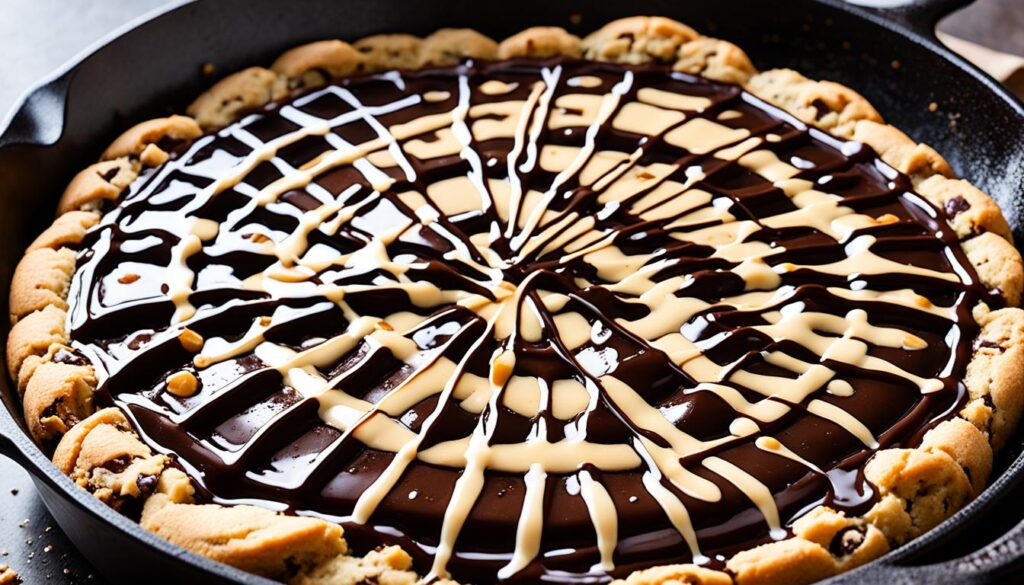
I go back and forth between this one and the double chocolate version for “best on the list.” Most days, this wins — the caramel and salt combination just hits a craving the others don’t reach.
Ingredients
- 1-1/2 cups all-purpose flour
- 1/2 tsp baking soda
- 1/4 tsp salt
- 3/4 cup unsalted butter, softened
- 3/4 cup brown sugar
- 1/4 cup granulated sugar
- 1 large egg
- 1 tsp vanilla extract
- 1-1/4 cups chocolate chunks (semi-sweet or dark, whichever you prefer)
- 1/2 cup caramel sauce
- 1/2 tsp flaky sea salt
Instructions
Whisk the flour, baking soda, and salt together. In a separate bowl, cream the butter and both sugars until light and fluffy.
Beat in the egg and vanilla. Bring the dry ingredients in gradually, then fold in the chocolate chunks.
Press the dough into your buttered skillet. Bake at 350°F for 19-22 minutes. The edges should be golden brown and pulled in slightly from the pan, while the center still looks soft and a little underdone — that’s correct, not a mistake.
The moment it’s out of the oven, drizzle the caramel sauce across the top in long ribbons. Warm it slightly first if it’s stiff from the fridge; it should pour easily, not clump. Scatter the flaky salt over everything right after.
Rest for 10 minutes. The caramel sets up just slightly as it cools, which keeps it from sliding straight off when you cut in.
Nutritional Information (per serving)
| Nutrient | Amount per Serving |
|---|---|
| Calories | 572 |
| Carbohydrates | 71g |
| Protein | 5g |
| Fat | 28g |
| Fiber | 2g |
| Sodium | 410mg |
S’mores Inspired Skillet Cookie Extravaganza
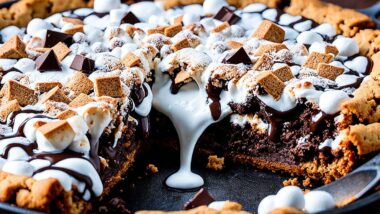
Graham cracker crumbs mixed into the dough and a topping of toasted marshmallow turn a regular chocolate chip skillet cookie into something closer to a campfire dessert.
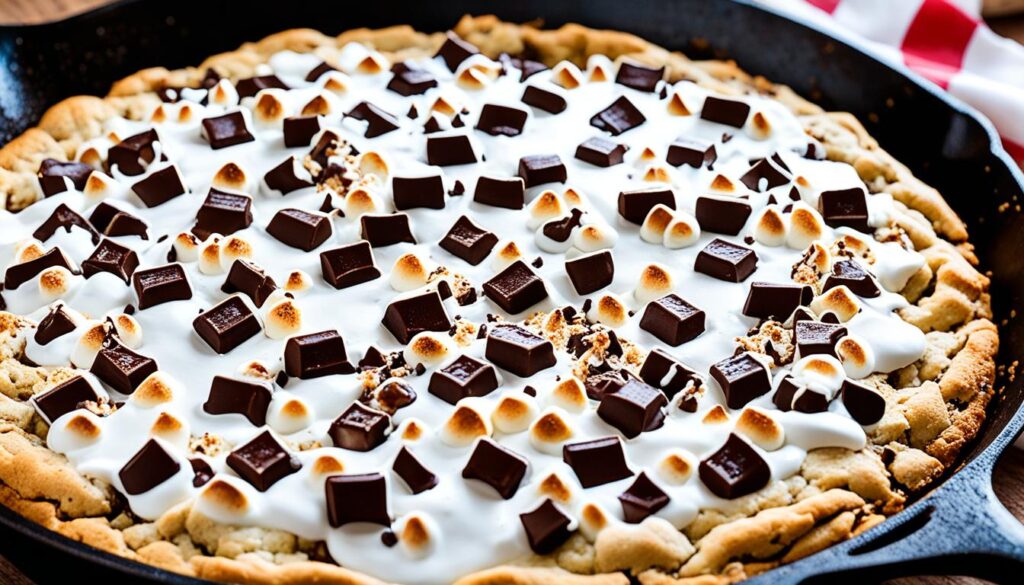
This is the cookie I make in late summer, even when there’s no campfire anywhere nearby. The marshmallow topping does a lot of heavy lifting — it’s hard not to like a cookie that comes out of the broiler looking slightly toasted on top.
Ingredients
- 1-1/2 cups all-purpose flour
- 3/4 cup graham cracker crumbs
- 1/2 tsp baking soda
- 1/2 tsp salt
- 3/4 cup unsalted butter, softened
- 3/4 cup brown sugar
- 1/4 cup granulated sugar
- 1 large egg
- 1 tsp vanilla extract
- 1-1/2 cups semi-sweet chocolate chips
- 2 cups mini marshmallows
Instructions
Whisk the flour, graham crumbs, baking soda, and salt together. Cream the butter and both sugars until pale and fluffy, then beat in the egg and vanilla.
Mix the dry ingredients into the wet gradually, then fold in the chocolate chips.
Press into your buttered skillet. Bake at 350°F for 18-20 minutes. Edges should be golden and pulling slightly from the pan, center still a touch soft — it firms up as it rests.
Scatter the marshmallows over the top and finish under the broiler for 60-90 seconds. Watch this closely. Marshmallows go from perfectly toasted to burnt in a matter of seconds once they start browning.
Rest for 10 minutes before serving.
Nutritional Information (per serving)
| Nutrient | Amount per Serving |
|---|---|
| Calories | 518 |
| Carbohydrates | 68g |
| Protein | 6g |
| Fat | 24g |
| Fiber | 2g |
| Sodium | 340mg |
Brownie-Cookie Hybrid Skillet Sensation
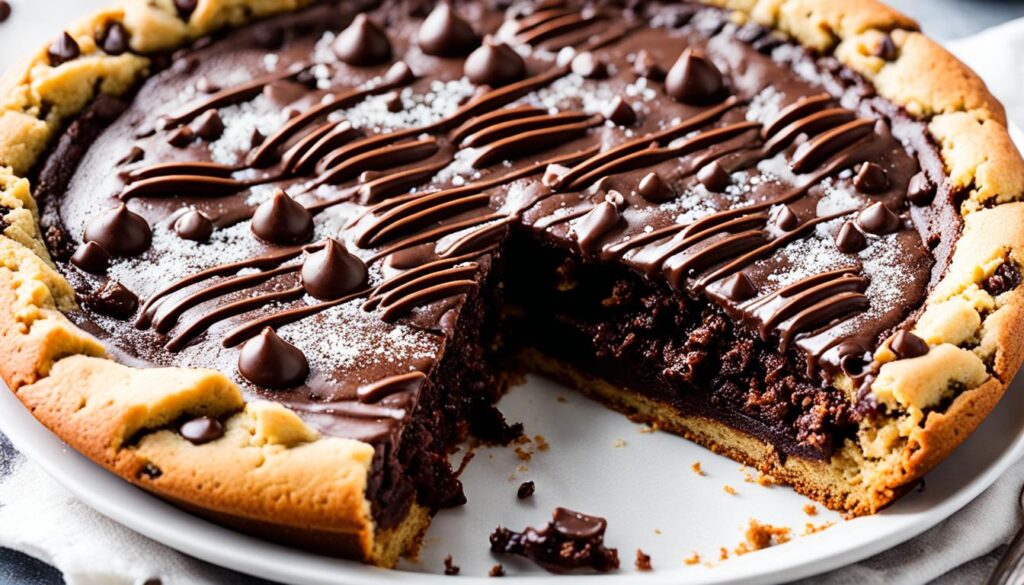
This recipe sits right between a brownie and a cookie, using a fudgier batter than standard cookie dough so the texture lands somewhere dense and chewy rather than cakey.
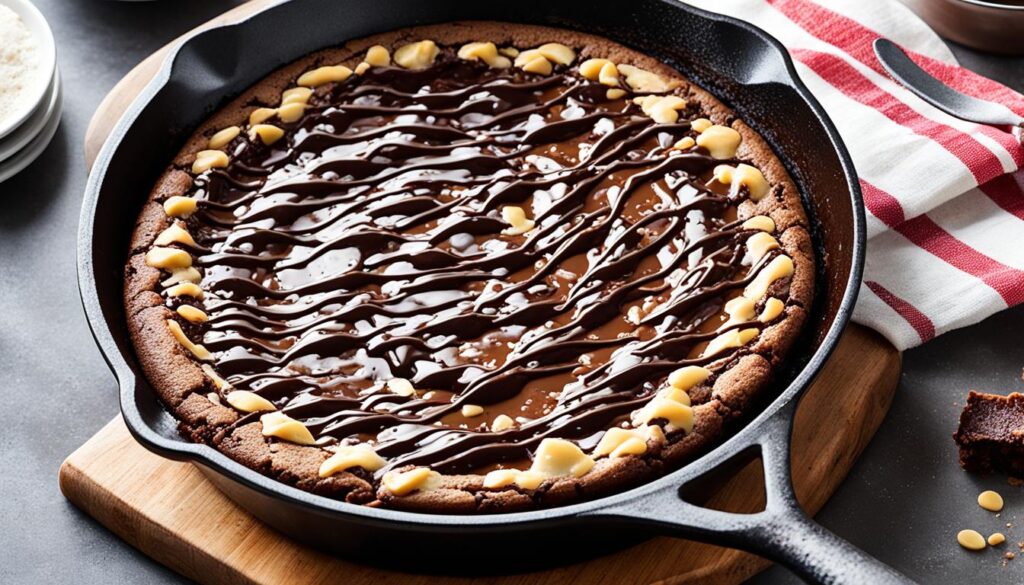
People who can’t decide between a brownie and a cookie need to know about this one. I’ve served it to people who insisted they only liked “real brownies,” and they didn’t ask a single question.
Ingredients
- 1 cup all-purpose flour
- 1/2 cup unsweetened cocoa powder
- 1/2 tsp baking soda
- 1/4 tsp salt
- 3/4 cup unsalted butter, melted
- 1 cup brown sugar
- 1/4 cup granulated sugar
- 2 large eggs
- 1 tsp vanilla extract
- 1 cup semi-sweet chocolate chips
Instructions
Whisk the flour, cocoa powder, baking soda, and salt together in a bowl.
In a separate bowl, whisk the melted butter with both sugars until smooth — this batter starts more like a brownie batter than a cookie dough, since the butter’s melted rather than creamed. Beat in the eggs one at a time, then the vanilla.
Fold the dry ingredients into the wet mixture just until combined. The batter will be noticeably thicker and shinier than a standard cookie dough. Stir in the chocolate chips.
Pour into your buttered skillet and smooth the top. Bake at 350°F for 24-27 minutes — longer than most cookies on this list, since the batter’s denser and needs more time to set through the middle. A toothpick in the center should come out with a few moist crumbs, not wet batter, but also not completely clean (that would mean it’s overbaked).
Let it rest for 15 minutes before slicing. This one needs the longer rest more than any other recipe here — cut too soon and it’s basically brownie soup in the middle.
Nutritional Information (per serving)
| Nutrient | Amount per Serving |
|---|---|
| Calories | 602 |
| Carbohydrates | 75g |
| Protein | 7g |
| Fat | 31g |
| Fiber | 3g |
| Sodium | 310mg |
White Chocolate Macadamia Nut Skillet Cookie
Buttery macadamia nuts and sweet white chocolate chips swap in for the usual semi-sweet chips here, giving this cookie a milder, more dessert-shop flavor than a standard chocolate chip skillet cookie.
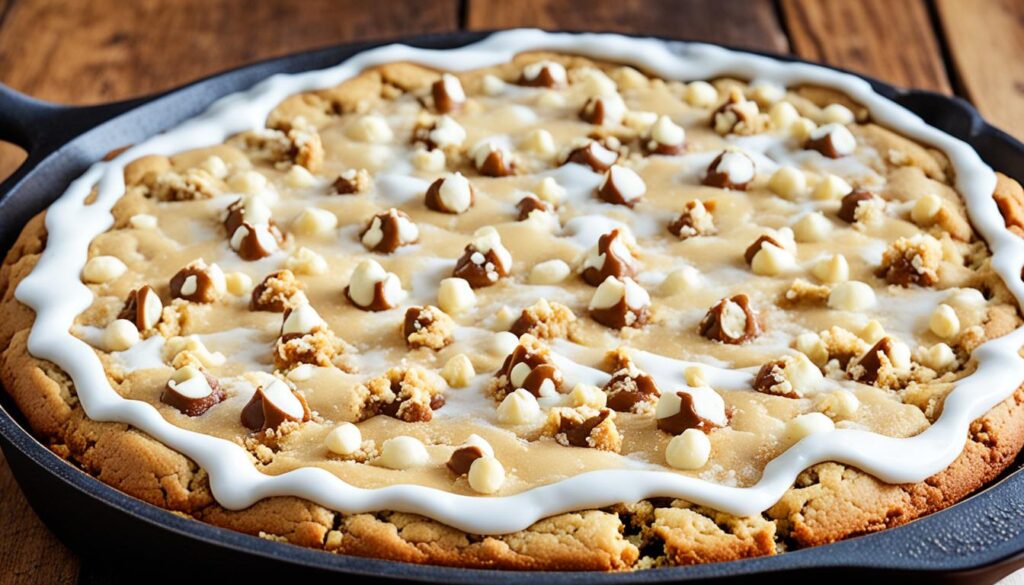
This one feels a little more grown-up than the rest of the list, if that makes sense. Less sugar rush, more actual flavor. I’d put this one out for an adults-only gathering before I’d put out the s’mores version.
Ingredients
- 1-1/2 cups all-purpose flour
- 1/2 tsp baking soda
- 1/4 tsp salt
- 3/4 cup unsalted butter, softened
- 1/2 cup brown sugar
- 1/2 cup granulated sugar
- 1 large egg
- 1 tsp vanilla extract
- 1 cup white chocolate chips
- 3/4 cup macadamia nuts, roughly chopped
Instructions
Whisk the flour, baking soda, and salt together.
Cream the butter and both sugars until light and fluffy. Beat in the egg and vanilla until smooth.
Mix the dry ingredients into the wet in a couple of additions. Fold in the white chocolate chips and chopped macadamia nuts — go easy on the folding here, macadamias are soft and break apart more easily than other nuts if you overwork the dough.
Press into your buttered skillet. Bake at 350°F for 18-21 minutes. The top should turn a light golden color (white chocolate doesn’t darken the same way semi-sweet chips do, so don’t expect the deep brown you’d see with a chocolate version). Edges firm, center still soft.
Rest for 10 minutes before cutting.
Nutritional Information (per serving)
| Nutrient | Amount per Serving |
|---|---|
| Calories | 556 |
| Carbohydrates | 62g |
| Protein | 6g |
| Fat | 31g |
| Fiber | 2g |
| Sodium | 270mg |
Tips for Perfectly Gooey Skillet Cookies Every Time
Gooey centers come down to pulling the cookie out while it still looks slightly underdone, since the residual heat in cast iron keeps cooking the center even after it’s out of the oven.
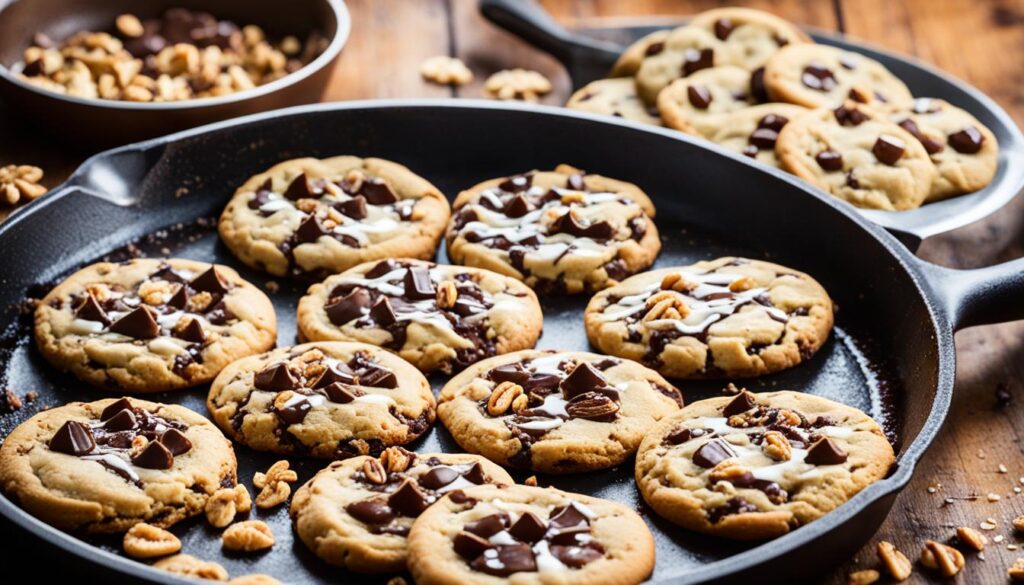
A few things that make a real difference:
- Don’t trust the timer alone. Every oven runs a little differently, so start checking a few minutes before the recipe says to.
- Look at the edges, not the center, to judge doneness. The center should still look a touch soft or wet when you pull it.
- Let the skillet rest on the stovetop or a trivet, not directly on a cold counter — a sudden temperature change can affect how evenly the center finishes setting.
- Resist cutting into it right away no matter how good it smells. Ten minutes minimum, longer for the denser recipes on this list like the brownie hybrid or the Nutella-stuffed version.
Customizing Your Skillet Cookie Creations
Swapping mix-ins is the easiest way to make any base recipe here your own — trade chocolate chips for butterscotch, toss in espresso powder for a mocha edge, or add a layer of crushed pretzels for some crunch and salt.
Texture changes work too, not just flavor. A spoonful of cornstarch added to the dry ingredients makes for a softer, more cake-like center. Browning the butter first before creaming it with the sugar — instead of just softening it — adds a nutty depth that works particularly well with the oatmeal raisin and white chocolate macadamia recipes above.
How to Choose the Right Cast Iron Skillet for Cookies
A 10 to 10.5-inch skillet is the right size for nearly every recipe on this list, since it gives the dough enough room to spread without baking up too thin.
Weight matters more than people expect going in. A heavier, traditional cast iron skillet holds heat more evenly than a thinner enameled one, which translates to more consistent edges across the whole cookie rather than one side browning faster than the other. If you’re shopping for a dedicated cookie skillet, stick with a basic, unenameled cast iron pan over anything fancier — simpler really is better here.
How to Store and Reheat Leftover Skillet Cookies
Leftover skillet cookie keeps well at room temperature for about two days if it’s covered tightly, and up to five days in the fridge after that.
Skip the microwave when reheating if you can manage it — it tends to make the edges chewy in a bad way rather than the good chewy you want. A few minutes in a 300°F oven brings the texture back close to fresh, especially for the denser recipes like the brownie hybrid or the Nutella-stuffed cookie.
Common Mistakes to Avoid When Baking Skillet Cookies
Overbaking is the single biggest mistake people make with skillet cookies, since the visual cues that work for sheet-pan cookies don’t translate directly — a skillet cookie’s center can look underdone and still finish perfectly once it rests.
A few other things worth watching for:
- Using a cold or unevenly heated skillet. Always start with the pan at room temperature, not straight out of the fridge or dishwasher.
- Skipping the rest period. Cutting in immediately means a messier slice and a less set center, even on recipes that don’t have a stuffed filling.
- Overmixing the dough once the flour goes in. This is true of cookies generally, but it matters even more here since a denser dough bakes less evenly in a thick skillet format.
- Forgetting that cast iron stays hot long after it leaves the oven. The skillet itself, not just the cookie, needs a few minutes before it’s safe to handle without a towel or mitt.