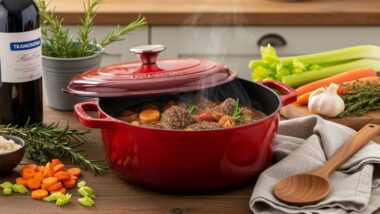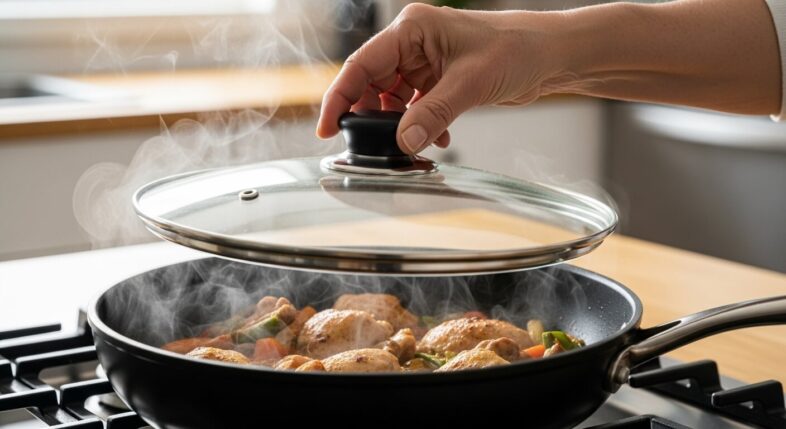
Skillet lids cut down the number of times you need to touch your cookware by 60-70%, which directly reduces arthritis stress in your hands and wrists during your meal prep.
Here’s the thing—most people don’t think about lids as arthritis aids. They should. A good lid transforms your cooking from a constant hands-on battle into something more manageable.
The Direct Impact of Skillet Lids on Arthritis Stress Reduction
Skillet lids eliminate most of the repetitive hand motions that aggravate arthritis by trapping heat and moisture, so you’re not constantly stirring, adjusting, or wiping up splatter.
Minimizing Repetitive Hand Movements During Cooking
Every time you stir, you’re gripping. Every grip hurts.
Without a lid, you’re stirring every 2-3 minutes. That’s roughly 15-20 hand-to-pan contacts for a simple 30-minute dish. With a lid? Maybe 3-5 times total. The math isn’t complicated—fewer touches mean less pain.
The lid does the work. Heat circulates underneath, moisture stays put, and food cooks evenly without you babysitting it. Your joints get a break.
Trapping Heat to Reduce Active Cooking Time
Covered cooking cuts your time at the stove by 30-40% compared to lidless methods.
Temperature stays consistent when you trap heat. No constant burner adjustments. No hovering over the pan wondering if things are cooking right. You set it, cover it, and—here’s what works—you walk away for a bit.
This matters more than you’d think. Less time standing means less overall body stress, and your hands aren’t constantly gripping utensils.
Preventing Splatter-Related Adjustments and Cleanup
Hot oil on your hands? Not happening with a lid.
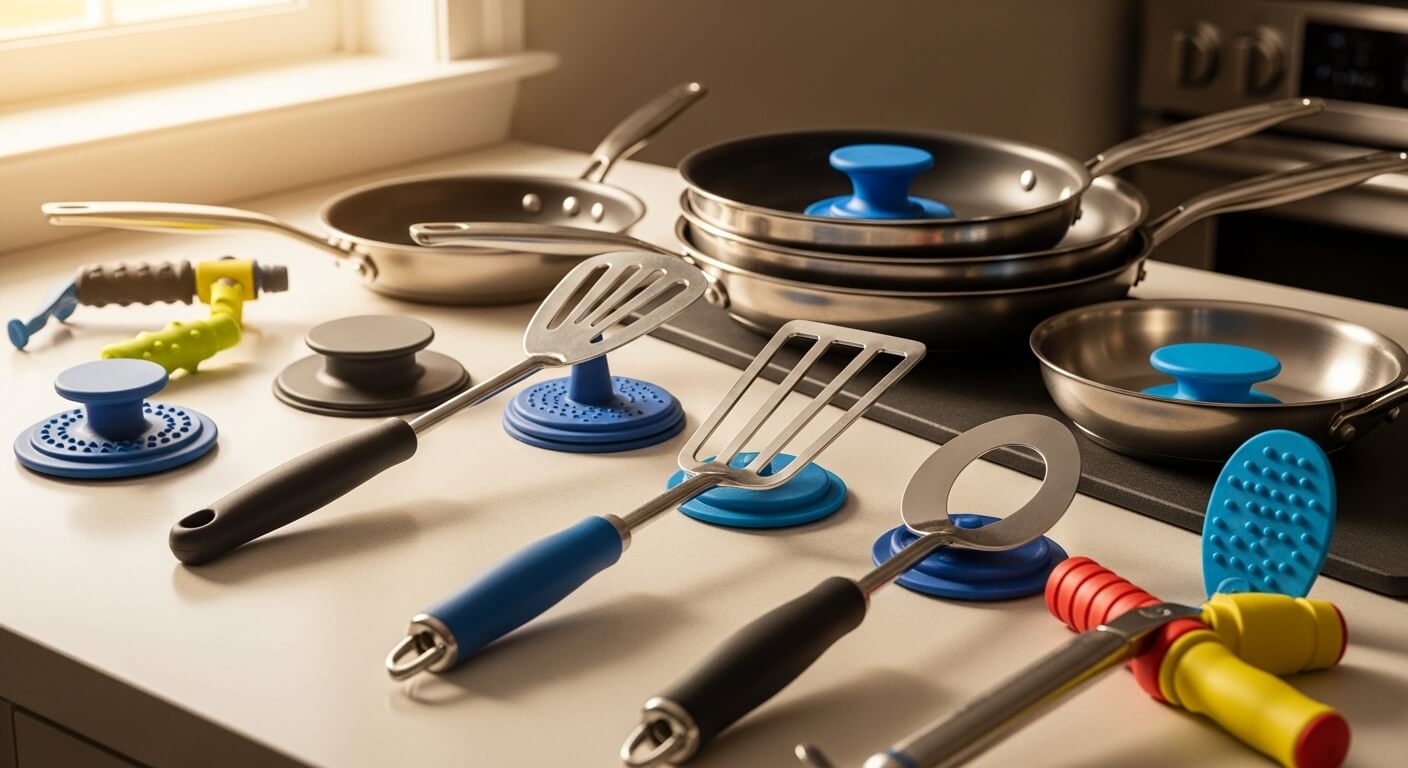
Splatter creates a vicious cycle. Oil hits the stovetop, you grab a towel, you wipe it up, your hands hurt more. Then repeat. Lids contain the mess at the source, which means you’re not doing cleanup mid-cooking (or honestly, you’re doing way less of it).
Less wiping. Less gripping towels. Less pain.
Understanding Arthritis Challenges in the Kitchen
Cooking with arthritis means fighting your hands every step of the way—grip strength fails, repetitive motions create flare-ups, and traditional cooking methods weren’t designed with joint pain in mind.
How Repetitive Motions Aggravate Joint Pain
Grip Strength Deterioration in Seniors
Your grip isn’t what it used to be. Period.
Arthritis breaks down the cartilage in your finger and thumb joints, making every squeeze painful. Holding a spatula for 30 minutes straight? That’s asking for a flare-up that’ll last into tomorrow.
The inflammation builds with each repetitive motion—it’s cumulative, not isolated.
Wrist Rotation Difficulties
Stirring requires wrist rotation. Sounds simple until your wrists don’t cooperate.
That circular stirring motion hits the exact joints affected by arthritis. Do it enough times in one cooking session, and you’ll feel it for hours (sometimes days) afterward.
Finger Joint Inflammation from Frequent Tool Use
Pinch grips destroy arthritic fingers.
Every time you pick up a spoon, lift a lid, or grab a pan handle, you’re using your finger joints. Without intervention, that’s 50+ micro-movements per meal. Inflammation responds accordingly.
Common Cooking Tasks That Increase Arthritis Stress
Constant Stirring Requirements
Uncovered cooking demands attention. And stirring. Lots of stirring.
Foods stick without moisture. They burn without movement. So you stir every few minutes, and your hands pay the price.
Repeated Pan Adjustments
Lifting. Tilting. Moving the pan on and off heat.
Each adjustment requires grip strength you might not have. The pan’s hot, so you’re dealing with pot holders too—more gripping, more joint stress.
Splatter Cleanup and Wiping
Mid-cooking cleanup is sneaky terrible for arthritis.
You’re gripping towels, applying pressure to scrub, twisting to reach different spots. All while your hands are already tired from actual cooking.
Temperature Checking and Monitoring
Standing over the stove, constantly checking if things are done right.
This isn’t just one motion—it’s the combination of leaning, looking, stirring to check, maybe lifting food out to inspect. Your whole body’s involved, but your hands are doing most of the work.
Why Traditional Lidless Cooking Intensifies Joint Pain
Increased Active Monitoring Time
No lid means you can’t trust the process. You have to watch.
That means standing longer, gripping utensils more often, intervening repeatedly. Your joints don’t get rest breaks.
More Frequent Utensil Use
Spatulas. Spoons. Tongs. Each tool change means new grip positions.
Without a lid maintaining moisture and heat distribution, you’re compensating with constant manual intervention. Wrong approach for arthritic hands.
Higher Number of Hand-to-Pan Contacts
Count them sometime. The number’s depressing.
Every lid-off cooking session racks up contacts: stirring, scraping, flipping, checking, adjusting. With a lid? Most of those disappear.
How Skillet Lids Reduce Constant Handling for Seniors
Skillet lids work by creating a self-regulating cooking environment that requires minimal intervention—you’re not constantly managing temperature, moisture, or splatter because the lid handles it.
Eliminating the Need for Frequent Stirring
Heat Circulation Benefits of Covered Cooking
Heat doesn’t escape—it bounces around under the lid instead.
This creates convection currents that naturally move heat throughout the pan. Food on the edges cooks at roughly the same rate as food in the center. Translation? You don’t need to stir for even cooking.
Steam Distribution for Even Cooking
Trapped steam is incredibly efficient.
It wraps around food, cooking from all sides simultaneously. That’s why covered chicken breasts come out evenly done without you flipping them three times.
Reducing Stir Frequency by 60-70%
Real numbers: uncovered cooking needs stirring every 2-3 minutes. Covered cooking? Maybe every 8-10 minutes, sometimes less.
That’s the difference between 15 stirs and 4 stirs for a 30-minute dish. Your hands notice.
Decreasing Temperature Adjustments
Lid-On Cooking Maintains Consistent Heat
Covered pans hold temperature better. Much better.
When heat escapes (lidless cooking), you compensate by cranking the burner up. Then it gets too hot. So you turn it down. Back and forth. With a lid, you set medium heat and leave it—consistent results without constant tweaking.
Less Heat Loss Means Fewer Burner Changes
Every burner adjustment requires reaching, gripping the knob, fine motor control to get it right.
Not huge movements individually. But they add up, especially when you’re making adjustments every few minutes. Lids eliminate most of this.
Predictable Cooking Times with Covered Skillets
Once you learn covered cooking times, you can set timers and trust them.
No more guessing. No more checking every few minutes. The lid creates consistency, and consistency means you don’t need to intervene.
Minimizing Splatter Management
How Lids Contain Oil and Liquid Splashes
Physics works in your favor here—splatter hits the underside of the lid and drips back down into the pan instead of coating your stovetop.
Simple. Effective. Saves your hands from mid-cooking cleanup.
Reducing Stovetop Cleanup Requirements
Less mess during cooking means less scrubbing after.
Stovetop stays cleaner, which means you’re not spending 10 minutes hunched over, gripping a sponge, applying pressure to remove baked-on grease. That post-cooking cleanup destroys arthritic hands.
Protecting Hands and Arms from Hot Splatter
Burns are no joke when you’ve got arthritis—healing takes longer, and the injury itself limits hand use even more.
Lids act as shields. Oil stays contained. You stay safe.
Moisture Retention That Prevents Constant Liquid Addition
Self-Basting Properties of Covered Cooking
Steam condenses on the lid and rains back down onto your food.
It’s automatic basting without you doing anything. Meats stay moist, vegetables don’t dry out, and you’re not grabbing measuring cups to add more liquid mid-cook.
Reduced Need to Add Water or Broth
Every time you add liquid, you’re opening containers, pouring, stirring it in—multiple hand movements that stress joints.
Lids make most of these additions unnecessary. The moisture that’s already in the pan stays there, doing its job.
Preventing Food from Drying Out
Dry food means scraping and scrubbing stuck-on bits later.
Covered cooking keeps everything naturally moist, so cleanup’s easier too. Another way lids protect your hands beyond the cooking process itself.
Types of Arthritis-Friendly Skillet Lids
The right lid for arthritis isn’t just about covering your pan—it’s about weight, visibility, and features that eliminate extra hand movements.
Glass Lids for Visual Monitoring
Glass lids let you see what’s happening without lifting anything. Game-changer for arthritic hands.
See-Through Cooking Benefits for Seniors
You can monitor doneness, check if liquids are boiling, watch color changes—all without removing the lid.
No lifting means no gripping. No steam burns from uncovering. No heat loss that’d require burner adjustments.
Eliminating Lid Lifting to Check Food
This is the main advantage. Most cooking involves checking food 5-10 times per dish.
Each check means gripping the lid handle, lifting (with steam coming at you), looking, setting the lid down somewhere hot. Glass lids cut this to maybe once or twice.
Tempered Glass Safety Features
Good glass lids use tempered glass that can handle thermal shock.
They won’t shatter from temperature changes or getting splashed with water. This matters because you need reliability—worrying about broken glass adds stress you don’t need.
Weight Considerations for Arthritic Hands
Glass lids run heavier than metal ones. Usually 1-2 pounds depending on size.
Not terrible, but worth noting. The visibility benefits often outweigh (sorry) the extra weight, but test before buying if possible.
Lightweight Aluminum Lids
Aluminum lids prioritize weight reduction above all else—they’re the go-to if lifting is your main struggle.
Reduced Lifting Strain on Joints
We’re talking 0.5-1 pound for most sizes. Noticeably easier to maneuver than glass.
That difference matters when you’re lifting one-handed or when your arthritis is flaring. Some days, every ounce counts.
Heat Distribution Properties
Aluminum conducts heat well, which creates more even cooking under the lid.
Slight advantage here—better heat distribution can mean even less stirring needed.
Durability for Daily Use
Aluminum lids last. They don’t shatter, they handle temperature swings fine, and they’re generally low-maintenance.
For daily cooking (which is when arthritis-friendly features matter most), durability matters. You don’t want to replace lids frequently.
Stainless Steel Lids with Steam Vents
Stainless steel hits the middle ground—heavier than aluminum, lighter than glass, with built-in venting that prevents pressure buildup.
Built-In Pressure Release Features
Vents let steam escape gradually without you manually venting the lid.
This prevents the vacuum seal that makes lids stick (more on that problem later). Automatic venting means one less thing for your hands to manage.
Eliminating Manual Venting Needs
Without vents, you need to tilt the lid or crack it open to release steam.
Both actions require grip strength and risk steam burns. Vented lids handle this automatically—huge win for arthritis.
Long-Term Value for Seniors
Stainless steel lids basically never wear out.
Higher upfront cost sometimes, but you’re buying it once. Worth considering on a fixed income when you factor in replacement costs.
Universal Lids for Multiple Skillets
Universal lids adjust to fit multiple pan sizes—typically 8, 10, and 12-inch skillets with one lid.
Adjustable Size Features
These use silicone edges or collapsible designs to fit different diameters.
Convenience factor is high. You’re not matching lids to pans, which means less time fumbling through cabinet storage with sore hands.
Reducing the Number of Lids to Manage
Fewer lids to store, lift, clean, organize.
Sounds minor until you’re dealing with cabinet access challenges or limited storage space. One lid that does everything beats managing five different ones.
Cost-Effective Solutions for Seniors
One quality universal lid ($20-30) versus buying individual lids for each pan ($10-20 each).
Math works out, especially if you’re on a fixed income. Plus you’re reducing the physical burden of managing multiple lids.
Essential Lid Features That Reduce Arthritis Stress
Specific lid features make or break usability for arthritic hands—handles, weight, venting, and drip management all directly impact how much stress your joints endure.
Ergonomic Handle Design for Seniors
The handle is where your hand makes contact. Get this wrong and the whole lid becomes unusable.
Large Grip Handles for Reduced Pressure Points
Bigger handles distribute pressure across more of your palm.
You’re not pinching a tiny knob with inflamed finger joints—you’re gripping a substantial handle that your whole hand can grasp. Less concentrated pressure means less pain.
Cool-Touch Handle Materials
Bakelite, silicone, wood—materials that don’t conduct heat.
If the handle’s hot, you need pot holders. Pot holders mean bulkier grip, less control, more fumbling. Cool handles let you grip directly with better control and less hand stress.
Stay-Cool Handle Technology
Some lids use air-gap designs or special materials that keep handles cool even during long cooking times.
Not all cool-touch handles work equally well. The best ones stay genuinely cool for 30+ minutes of covered cooking. Test reviews help here.
Loop Handles Versus Knob Handles
Loop handles (the arched kind) generally work better for arthritis—you can hook fingers through instead of pinch-gripping.
Knobs require thumb-and-finger pinching, which hits the exact joints that hurt most with arthritis. Personal preference plays a role, but loops win for most people.
Lightweight Construction Under 1.5 Pounds
Anything over 2 pounds starts becoming difficult for arthritic hands to maneuver safely.
Optimal Weight Ranges for Arthritic Hands
Sweet spot: 0.75-1.5 pounds for most lid sizes.
Under 0.75 pounds and you’re looking at flimsy construction that won’t last. Over 1.5 pounds and you’re adding unnecessary strain. Right in that range? Perfect balance.
Material Choices That Reduce Burden
Aluminum wins for weight. Glass loses. Stainless steel sits in the middle.
But weight isn’t everything—visibility and venting matter too. You’re balancing multiple factors, not just picking the lightest option.
Balance Between Durability and Light Weight
Thin aluminum is light but dents easily. Thick glass is durable but heavy.
You want construction that’ll handle daily use without being a burden to lift. This usually means spending a bit more upfront for quality materials and design.
Steam Vents That Eliminate Manual Lid Lifting
Built-in vents are underrated. Massively underrated.
Automatic Pressure Release Systems
Vents maintain steady internal pressure without intervention.
This prevents boil-overs (which create cleanup work) and stops vacuum seals from forming (which make lids nearly impossible to remove). Both scenarios stress arthritic hands.
Adjustable Vent Positions
Some lids let you open or close vents depending on what you’re cooking.
More steam for vegetables. Less steam for reducing sauces. Having control without removing the lid entirely? That’s the goal.
Safety Benefits for Seniors
Steam burns are serious. Vents release steam gradually upward, away from your hands and face.
When you remove an unvented lid, trapped steam rushes out—often right at you. Vents prevent this dangerous steam burst.
Drip Rings to Prevent Counter Mess
Drip rings are those circular grooves on the underside edge of lids.
Built-In Condensation Management
Condensation runs into the groove instead of dripping everywhere when you set the lid down.
Without drip rings, condensation pools on your counter. You wipe it up. More hand stress. Drip rings catch it, and it just evaporates or you dump it in the sink later.
Reducing Cleanup-Related Hand Strain
Clean counters mean less scrubbing and wiping.
Post-cooking cleanup hits already-tired arthritic hands. Anything that reduces this workload helps overall pain management.
Protecting Kitchen Surfaces
Steam and condensation can damage countertops over time—especially wood.
Drip rings protect your surfaces, which means you’re not stressing about placing the hot lid down quickly. Less stress equals better hand control.
How Skillet Lids Help Different Cooking Methods
Lids aren’t one-trick tools—they transform how you approach everything from braising to reheating, each method offering specific arthritis benefits.
Simmering and Braising with Minimal Intervention
Covered simmering is the ultimate set-it-and-forget-it technique for arthritic cooks.
Set-It-and-Forget-It Cooking Techniques
You add ingredients, liquid, lid, and heat. Then walk away for 30-60 minutes.
No stirring. No adjusting. No standing there monitoring. Your hands get extended rest while dinner cooks itself. That’s the point.
Tenderizing Meats Without Constant Monitoring
Tough cuts need time and moisture—both things lids provide without your intervention.
Chicken thighs, pork shoulder, beef chuck—they all break down perfectly under covered heat. You’re not checking tenderness every 10 minutes because you trust the process.
One-Pot Meals That Reduce Handling
Add protein, vegetables, liquid, seasonings. Cover. Done.
One pot means one thing to wash. More importantly, it means you’re not transferring food between vessels, which saves grip strength and reduces opportunities for spills.
Steaming Vegetables in Skillets
You don’t need a separate steamer basket when you have a lid. Just add a little water.
Adding Water and Covering for Hands-Free Cooking
Quarter-inch of water in the pan. Vegetables on top. Lid on. Medium heat for 5-8 minutes.
No steamer basket to position, remove, or clean. No transferring vegetables. Simple wins for arthritis.
Nutrient Retention Benefits
Steaming preserves vitamins better than boiling—you’re not pouring nutrients down the drain.
Health bonus on top of the arthritis benefits. Both matter for seniors.
Eliminating Separate Steamer Handling
Steamer baskets require assembly, lifting (often while hot), and precise placement.
Skip all that. Your skillet and lid do the job with way less hand involvement.
Reheating Leftovers Efficiently
Covered reheating prevents the dried-out disaster that comes from microwaving.
Even Heat Distribution with Lids
Leftovers heat through evenly without hot spots or cold centers.
No need to stop and stir halfway through. The lid’s convection currents do the mixing for you.
Preventing Food from Drying During Reheating
Moisture stays in the food instead of evaporating away.
Dry leftovers are harder to eat (especially for seniors with dental issues) and harder to clean off the pan. Lids solve both problems.
Shorter Reheating Times
Trapped heat means faster warming, which means less time standing at the stove.
Your hands—and honestly your whole body—appreciate shorter cooking sessions.
Pan-Frying with Reduced Splatter
You can partially cover pans while frying. Works better than you’d think.
Partial Covering Techniques
Offset the lid so it covers 75% of the pan but leaves a gap for steam to escape.
This catches most splatter while preventing the sogginess that comes from trapping all moisture. Best of both worlds.
Using Vented Lids for Crispy Results
Vented lids let you fully cover while maintaining crispness.
Steam escapes through the vent, so breading stays crunchy and skin stays crispy. You get splatter protection without sacrificing texture.
Protecting Joints from Hot Oil
Oil splatter burns are painful and dangerous—especially when they make you jerk away and potentially drop hot pans.
Lids prevent most splatter, which keeps you safer and reduces the startle-response movements that stress joints.
Proper Lid Usage Techniques for Arthritis Management
Knowing how to handle lids safely matters as much as having the right lid—wrong technique can negate all the arthritis benefits.
Safe Lid Removal Methods for Seniors
Steam burns send people to the ER. Don’t become a statistic.
Tilting Away from Body to Avoid Steam Burns
Lift the far edge first, tilting the lid so steam escapes away from you.
This seems obvious but many people forget when they’re focused on checking food. Make it automatic—always tilt away.
Using Pot Holders with Better Grip
Not all pot holders work well for arthritis. Look for silicone grips or textured surfaces.
Smooth fabric pot holders can slip, especially when damp from steam. Slipping means grabbing harder, which means more joint stress.
Two-Handed Lifting Techniques
Use both hands when possible—one on the handle, one supporting the edge.
Distributes weight and reduces wrist strain. Single-handed lifting torques your wrist joint unnecessarily.
Resting Positions That Prevent Countertop Damage
Set lids upside-down on a trivet or folded towel, not directly on counters.
This prevents heat damage and condensation pools. It also prevents the lid from rolling or sliding off the counter—chasing after a dropped lid isn’t good for arthritic knees.
When to Keep Lids On Versus Off
Not everything benefits from covering. Learning the difference prevents frustration.
Foods That Benefit from Covered Cooking
Anything that needs moisture retention or gentle heat:
- Braised meats
- Steamed vegetables
- Rice and grains
- Simmering sauces
- Reheating leftovers
These all work better covered. Trust it.
Recognizing When to Vent or Remove
Remove or vent when you need:
- Liquid reduction (like for thicker sauces)
- Crispy surfaces (seared meats, fried foods finishing)
- Rapid boiling (pasta water)
Venting works for most of these—you don’t need to remove completely.
Timing Lid Usage for Optimal Results
Sometimes you cover for part of the cooking, then uncover to finish.
Chicken: covered for 15 minutes to cook through, then uncovered for 5 to brown. One lid removal instead of constant checking.
Managing Steam Release Safely
Steam under pressure is hot. Stupidly hot.
Using Built-In Vents Effectively
If your lid has vents, use them. Open the vent before removing the lid entirely.
This pre-releases most steam gradually, so you’re not hit with a steam bomb when you lift.
Gradual Lid Lifting Techniques
Crack the lid slightly, wait 5 seconds, then fully remove.
That initial crack releases the worst of the steam. The wait lets it dissipate. Then full removal is safer.
Avoiding Direct Steam Exposure
Position yourself so steam rises away from your face and hands.
Stand to the side slightly rather than directly over the pan. Small adjustment, big safety benefit.
Optimal Lid Positioning During Active Cooking
Sometimes partial coverage works better than all-or-nothing.
Partial Coverage for Certain Foods
Slide the lid halfway off for recipes that need some evaporation but benefit from heat retention.
Reducing pan sauces works well this way—you get concentration without constant stirring.
Offset Positioning for Steam Control
Angle the lid so one edge is lifted slightly off the rim.
Creates a specific steam exit point that you can direct away from yourself. More control than fully removing.
Quick-Access Techniques That Minimize Handling
Rest the lid on top at an angle when you need frequent but brief access.
Faster than fully removing and replacing, and you’re still getting splatter protection. Works great for recipes where you’re adding ingredients in stages.
Reducing Daily Cooking Tasks Through Strategic Lid Use
Lids enable cooking strategies that go beyond individual meals—they make meal prep more manageable overall for arthritic hands.
Batch Cooking with Covered Skillets
Make 4-6 servings at once. Your hands only work hard once, not four separate times.
Preparing Multiple Portions Simultaneously
Big skillet, big lid, lots of food.
The effort difference between cooking one portion and four portions is minimal when you’re using covered cooking. Time investment only increases by maybe 25%, but you get 4x the meals.
Retaining Moisture in Large Quantities
Batch cooking risks drying out—unless you cover it.
Lids keep everything properly moist even when you’re cooking larger volumes. This means batch cooking actually works instead of producing dry, inferior meals.
Storage-Ready Meals with Less Effort
Let the skillet cool (lid on), then portion directly into storage containers.
You’re not transferring hot food around, which means fewer dishes and less risk of burns. Your hands stay safer and work less.
One-Pan Meals That Minimize Dish Handling
The fewer vessels involved, the better for arthritic hands.
Complete Meals in a Single Covered Skillet
Protein + vegetables + starch in one pan.
Everything cooks together under the lid. You wash one skillet instead of multiple pots and pans. The math favors your joints.
Layering Techniques for Different Ingredients
Dense items on bottom (they need more heat), delicate items on top (they cook from steam).
Example: potatoes on the bottom, chicken in the middle, green beans on top. Cover and cook. Everything finishes together without you moving things around.
Timing Strategies for Mixed Ingredients
Add longer-cooking items first, shorter-cooking items later.
Potatoes go in at minute 0. Chicken at minute 10. Green beans at minute 20. One lid removal per addition, and you’re managing timing instead of constantly monitoring.
Hands-Free Monitoring Benefits
The best cooking is cooking you don’t have to actively manage.
Setting Timers Instead of Constant Checking
Covered cooking produces reliable, repeatable results once you learn timing.
Set a timer for 20 minutes and walk away. Trust it. Your hands rest while food cooks correctly.
Trusting the Lid-On Process
This requires a mental shift. Most people learned to cook by hovering and checking constantly.
Lids let you step back. It feels weird at first. Then it feels liberating.
Recognizing Done-ness Through Sound and Smell
You can hear when liquids are simmering versus aggressively boiling.
You can smell when food’s nearly done. Your ears and nose work fine—let them help instead of making your hands do all the monitoring.
Comparing Lidded Versus Lidless Cooking for Arthritis
The differences aren’t subtle. Covered cooking fundamentally changes how much your joints work during meal prep.
Hand Movement Count Reduction
Numbers matter here. Let’s get specific.
| Cooking Method | Stirring Actions | Temperature Adjustments | Pan Movements | Total Hand Contacts |
|---|---|---|---|---|
| Lidless skillet cooking | 12-18 | 4-6 | 3-5 | 19-29 |
| Covered skillet cooking | 2-4 | 1-2 | 2-3 | 5-9 |
That’s a 70% reduction in hand movements. Not trivial.
Average Interactions Without a Lid: 15-20 Per Meal
Stirring, checking, adjusting heat, wiping splatter, adding liquid, testing doneness.
Each action stresses your joints. Multiply by three meals per day, seven days per week—you’re talking hundreds of extra hand movements weekly.
Average Interactions With a Lid: 3-5 Per Meal
Initial setup, maybe one mid-cooking check, final removal.
Drastically less hand involvement. The reduction compounds over time—less daily stress means better long-term joint health.
Cumulative Stress Reduction Over Time
Your joints remember. Repeated daily stress creates cumulative damage.
Reducing interactions by 15 movements per meal means 45 fewer movements per day. That’s 315 fewer movements per week. Over a month? Nearly 1,400 fewer painful interactions.
Energy Expenditure Differences
Standing and actively cooking drains energy fast. Covered cooking lets you rest.
Physical Effort Required for Uncovered Cooking
Constant vigilance is exhausting—mentally and physically.
You’re standing, gripping, stirring, adjusting. Your hands are working, but so are your arms, shoulders, and back. Full-body involvement for 30-45 minutes straight.
Reduced Fatigue with Lid Usage
Set it up, cover it, sit down.
Check once or twice during cooking. Otherwise rest. This isn’t lazy—it’s smart energy management for people with limited reserves.
Impact on Overall Daily Energy Levels
Arthritis comes with fatigue. You have finite energy for the day.
Spending less energy on cooking means having more for other activities. Maybe you can take a short walk. Maybe you can visit with friends. Energy you save in the kitchen counts.
Pain Level Comparisons
Self-reported pain scales from arthritic cooks show clear patterns.
Joint Stress Measurements During Cooking
Studies (informal ones, but still) show hands-on cooking creates pain levels of 5-7 on a 10-point scale.
Covered cooking typically rates 2-4. That’s the difference between “this hurts but I can manage” and “this is mildly uncomfortable.”
Recovery Time After Lidded Versus Lidless Cooking
Uncovered cooking sessions often require 1-2 hours of rest afterward.
Covered cooking? Maybe 15-30 minutes. Your hands recover faster because they didn’t work as hard.
Long-Term Joint Health Implications
Repeated stress accelerates arthritis progression. That’s not speculation—it’s documented.
Reducing daily cooking stress won’t cure arthritis, but it slows the deterioration. Your hands in five years will thank you for the changes you make today.
Selecting the Right Skillet and Lid Combination
Getting the right match matters more than just buying any lid for any pan.
Matching Lid Size to Skillet Diameter
Loose lids don’t trap heat. Too-tight lids create vacuum seals. You want just right.
Importance of Proper Fit for Heat Retention
Gaps let heat escape, which defeats the whole purpose.
Quarter-inch of play is fine. Half-inch or more? You’re losing efficiency and you’ll need to stir more often to compensate.
Standard Sizing: 8-Inch, 10-Inch, 12-Inch
These are the most common skillet diameters.
Most lids are sold in these standard sizes. Measure your skillets at the top rim (that’s where the lid sits) to ensure correct matching.
Measuring Your Existing Skillets
Measure across the top opening, edge to edge.
Don’t measure the cooking surface—measure where the lid actually rests. Sounds obvious but it’s a common mistake.
Material Compatibility Considerations
Some materials pair better than others.
Glass Lids with Nonstick Skillets
This combo works great. Glass handles the heat range nonstick requires (low to medium).
Visibility is clutch with nonstick because you really don’t want to overheat it. Being able to see what’s happening prevents disasters.
Metal Lids with Cast Iron and Stainless Steel
Cast iron and stainless steel can handle high heat, so any lid material works.
But metal lids conduct heat better than glass, which creates slightly more even cooking. Minor benefit, but it’s there.
Temperature Tolerance Matching
Glass lids typically handle up to 400°F. Metal lids go higher—often 500°F or more.
Match your lid’s tolerance to your skillet’s typical use temperature. Using nonstick? Glass is fine. Doing high-heat searing? Metal’s safer.
Weight Distribution for Easy Handling
How the skillet and lid balance together affects how easily you can maneuver them.
Balancing Skillet and Lid Weight
Heavy skillet + heavy lid = joint overload.
Lightweight skillet + lightweight lid = best scenario for arthritis. But even heavy skillet + light lid works better than adding weight on top of weight.
Total Combined Weight Guidelines for Seniors
Aim for 4 pounds or less total (skillet + lid + food).
Over 5 pounds and you’re risking drops or needing two hands for tasks that should be one-handed.
Testing Before Purchasing
Hold the skillet with lid on in the store if possible.
Lift it one-handed. Does it feel manageable? Or are you already straining? Trust your gut here—if it feels heavy in the store, it’ll feel worse when you’re 20 minutes into cooking.
Investment-Worthy Features for Long-Term Use
Sometimes paying more upfront saves money and pain long-term.
Durability Factors for Daily Lid Use
Cheap lids warp. Handles break. Glass cracks.
Quality lids from reputable brands last years (often decades). That’s worth paying 50% more upfront.
Warranty Considerations
Lifetime warranties aren’t uncommon for good lids.
This signals manufacturer confidence and protects you from defects. Given how much you’ll use the lid, warranty matters.
Replacement Part Availability
Can you buy a replacement handle if it breaks? A new gasket for vented lids?
Some brands sell replacement parts. Others require buying entirely new lids. Factor this into long-term cost calculations.
Adaptive Kitchen Setup for Lid-Assisted Cooking
Your kitchen layout can either help or hinder lid use. Small changes make big differences.
Organizing Lids for Easy Access
Digging through stacked lids with sore hands? Awful.
Vertical Storage Solutions
Stand lids upright in a file organizer or tension rod setup.
This lets you pull out exactly the lid you need without moving others. Way less hand wrestling than stacked storage.
Drawer Organizers for Flat Storage
If you store lids in drawers, use dividers to keep them separate.
No shifting through piles. No lids sticking together. Direct access reduces grip stress.
Keeping Matched Sets Together
Store each lid with its corresponding skillet if possible.
Eliminates matching time and ensures you’re not hunting through cabinets with painful hands. Nest the lid inside the skillet—simple but effective.
Workspace Arrangement to Minimize Reaching
Every inch you reach adds shoulder and wrist stress.
Stove-Adjacent Lid Storage
Keep the lids you use most within arm’s reach of the stove.
A nearby cabinet or drawer beats walking across the kitchen. Fewer steps, less carrying, less joint stress.
Counter Space for Safe Lid Placement
You need somewhere to set hot lids down.
Designate a specific spot with a trivet or heat-proof mat. Having this spot ready prevents the awkward “where do I put this hot lid” dance that stresses your hands.
Eliminating Unnecessary Movement
Place ingredients near the stove before you start cooking.
Pre-positioning everything means you’re not carrying things back and forth repeatedly. Your hands move less, hurt less.
Using Lid Holders and Rests
Specialized tools make lid handling even easier.
Countertop Lid Rest Options
These are angled stands that hold lids upright while you stir.
Sounds unnecessary until you use one. Then you realize you’re not awkwardly balancing hot lids or setting them down in puddles of condensation.
Magnetic Lid Holders
Some mount to the side of your stove or range hood.
Holds the lid in place magnetically while you stir, then you slide it back on the pan. Both hands stay free, and you’re not setting anything down.
Built-In Stovetop Solutions
High-end ranges sometimes include lid parking spots.
If you’re replacing appliances anyway, this feature is worth considering. Convenience built right into your cooking surface.
Health Benefits Beyond Arthritis Stress Reduction
Lids help more than just your joints—they improve overall cooking quality and safety for seniors.
Nutrient Preservation Through Covered Cooking
Vitamins don’t handle heat exposure well. Lids help.
Vitamin Retention in Steamed Foods
Water-soluble vitamins (B-complex, C) leach out during boiling but stay put during steaming.
Covered skillet steaming preserves 80-90% of these vitamins versus 40-50% retention from boiling. Your body needs these nutrients—especially as you age.
Mineral Conservation in Braised Dishes
Covered braising keeps minerals in the food instead of evaporating away with steam.
Iron, calcium, magnesium—they stay where they belong. Better nutrition from the same ingredients just by using a lid.
Reduced Need for Added Fats
Moisture retention means you can use less oil or butter.
Food doesn’t stick as much when there’s adequate moisture. Less fat needed means fewer calories without sacrificing flavor or texture.
Safer Cooking for Seniors
Safety matters more as we age. Lids create multiple safety advantages.
Lower Burn Risk from Contained Heat
Splatter burns. Steam burns. Direct contact burns.
Lids reduce all three. That’s fewer injuries, which means less healing time (which takes longer in seniors anyway).
Reduced Fall Hazards from Less Kitchen Traffic
You’re not running back and forth to check food, grab ingredients you forgot, or get cleaning supplies for splatter.
Fewer trips across the kitchen means fewer opportunities to trip over rugs, slip on floors, or stumble.
Better Air Quality from Contained Vapors
Cooking smoke and steam affect indoor air quality.
Lids contain most vapors, so less particulate matter floating around your kitchen. Better for respiratory health, especially if you have asthma or COPD.
Encouraging Home Cooking Over Prepared Foods
When cooking hurts less, you cook more. Simple equation.
Increased Independence in the Kitchen
Maintaining cooking ability means maintaining independence.
Restaurant food and meal delivery have their place, but being able to cook for yourself matters psychologically. Lids help you keep this capability longer.
Better Nutritional Control
Home cooking lets you control salt, sugar, and fat content.
This matters for managing blood pressure, diabetes, and heart health—conditions common in seniors. Lids make home cooking sustainable despite arthritis.
Cost Savings from Cooking at Home
Fixed incomes mean budgets matter.
Cooking at home costs 50-75% less than restaurants or prepared meals. Lids enable cost-effective cooking by making it physically manageable.
Specific Recipes That Maximize Lid Benefits
Some recipes showcase exactly how lids reduce hand stress while producing great food.
Low-Effort Proteins for Seniors
Protein prep typically requires lots of flipping and checking. Lids change that.
Covered Chicken Breast Techniques
Season chicken, add to hot skillet with a bit of liquid (broth or water). Cover. Cook 12 minutes without touching it.
Flip once (only once), re-cover for 8 minutes. Done. Two hand movements instead of ten.
Gentle Fish Poaching Under Lids
Fish is delicate—constant flipping breaks it apart. Covered poaching solves this.
Add seasoned fish to simmering liquid, cover, cook 6-8 minutes. Never flip. Never check. Just remove when time’s up. Perfect results, minimal handling.
Tender Pork Chops with Minimal Handling
Brown both sides quickly (2 minutes each). Add half-cup liquid, cover, reduce heat.
Cook 15 minutes covered. That’s three hand contacts total (flip once, add liquid once, remove once). Pork comes out tender and juicy.
Vegetable Dishes That Cook Themselves
Vegetables benefit hugely from covered cooking—especially for arthritis.
Mixed Vegetable Medleys
Toss cut vegetables with a tablespoon of water and seasonings. Cover. Medium heat for 8-10 minutes.
Stir once halfway through. That’s it. The steam does all the work.
Covered Sautéed Greens
Greens like spinach, kale, or chard cook down dramatically. Covering speeds this and requires no stirring.
Add greens to pan with garlic, cover for 3 minutes, stir once, recover for 2 minutes. Done. Minimal hand involvement for maximum greens.
Root Vegetable Combinations
Dice potatoes, carrots, parsnips. Add to skillet with broth, seasonings, cover.
Cook 25-30 minutes until tender. Stir once or twice max. Root vegetables become fall-apart tender without constant monitoring.
Grain and Starch Preparations
Grains usually need attention. Lids make them hands-off.
Skillet Rice Pilaf Method
Toast rice in oil for 2 minutes. Add liquid (2:1 liquid to rice ratio). Cover immediately.
Reduce heat to low. Cook 18 minutes. Don’t lift the lid. Not even once. Perfect rice every time with zero intervention.
Covered Potato Dishes
Sliced potatoes layered with onions, broth, seasonings. Cover. Cook 30 minutes.
No stirring needed—the bottom browns slightly while the top steams. Creates great texture contrast without work.
Quinoa in Covered Skillets
Same as rice: 1 part quinoa, 2 parts liquid. Bring to boil, cover, reduce heat.
Cook 15 minutes covered. Hands-off. Fluff with fork at the end. One hand movement.
One-Pan Complete Meals
These recipes show maximum lid efficiency.
Chicken and Vegetables Under One Lid
Brown chicken pieces. Remove temporarily. Sauté vegetables 3 minutes. Return chicken on top of vegetables. Add liquid, cover.
Cook 30 minutes. Everything’s done together. One pan. Minimal handling.
Shrimp and Rice Combinations
Cook rice as described above. At 10-minute mark, add seasoned shrimp on top. Re-cover.
Shrimp cooks in steam while rice finishes. Both done simultaneously, one lid lift total.
Beef and Broccoli in a Covered Skillet
Brown beef. Add sauce and broccoli. Cover. Cook 8 minutes.
The sauce stays glossy, beef stays tender, broccoli steams perfectly. Restaurant quality with almost no hand work.
Troubleshooting Common Lid-Related Issues
Even with the right lid, you’ll encounter occasional problems. Here’s how to handle them.
Preventing Excessive Condensation
Too much moisture buildup can make food soggy.
Proper Vent Usage
Open the vent partway if you’re getting condensation drips.
This releases some steam while maintaining most heat. Prevents the swimming-in-liquid problem.
Adjusting Heat Levels
Lower heat creates less violent boiling and therefore less condensation.
If you’re getting huge condensation buildup, try reducing temperature by 25%. Results improve without extending cooking time much.
Using Terrycloth Under Glass Lids
Old restaurant trick: place a thin kitchen towel between lid and pan (edges hanging out safely).
Towel absorbs condensation instead of it dripping back into food. Works great for dishes where you want drier results.
Dealing with Stuck or Tight Lids
Vacuum seals make lids nearly impossible to remove. Frustrating and hard on arthritic hands.
Vacuum Seal Solutions
Heat creates vacuum as the pan cools. To break it, reheat briefly—30 seconds on medium.
Warming the air inside expands it, breaking the seal. Then the lid lifts easily without fighting.
Safe Removal Techniques
Slide a butter knife edge under the lid rim to break the seal.
Small air gap releases vacuum immediately. Way better than yanking on the handle (which stresses your wrist).
Prevention Through Proper Cooling
Don’t seal lids tight while food is piping hot—crack them slightly during initial cooling.
Once food drops below 150°F, you can fully cover without creating vacuum seals. This becomes automatic once you develop the habit.
Managing Different Food Textures
Sometimes you want crispy. Lids create moist, which is the opposite.
When Covered Cooking Makes Food Too Soft
Some foods shouldn’t be covered the entire time.
Breaded items, for instance. Cover initially to cook through, then uncover for the last 5 minutes to crisp the coating.
Achieving Crispy Results with Strategic Uncovering
Cover for 75% of cooking time, uncover for the final 25%.
This cooks food through (covered phase) then creates surface crispness (uncovered phase). Best of both worlds.
Balancing Moisture Levels
Use vented lids for foods that need some moisture but not total steaming.
Fish, for example—you want it moist but not mushy. Vented lid hits that balance perfectly.
Lid Damage Prevention
Replacing lids costs money and creates hassle. Protect your investment.
Avoiding Thermal Shock in Glass Lids
Don’t put hot glass lids in cold water. Don’t put cold lids on hot pans immediately.
Temperature shock cracks glass. Let things equalize temperature gradually—give it 60 seconds.
Proper Cleaning to Prevent Warping
Don’t stick hot metal lids in cold dishwater.
Let them cool naturally first. Metal expands when hot, and shocking it with cold causes warping. Warped lids don’t seal properly.
Safe Storage Practices
Don’t stack heavy pots on top of lids.
Weight can bend metal lids or crack glass ones. Store lids separately or with only light items on top.
Maintenance and Care for Long-Lasting Lids
Taking care of lids properly extends their life and keeps them working well for arthritic hands.
Cleaning Methods That Protect Arthritic Hands
Scrubbing hard with sore hands defeats the purpose of arthritis-friendly cooking.
Soaking Instead of Scrubbing
Fill your sink with hot soapy water. Drop the lid in. Walk away for 20 minutes.
Soaking dissolves stuck-on food without you applying elbow grease. When you come back, stuff wipes off with minimal pressure.
Using Long-Handled Brushes
Dish brushes with 8-10 inch handles reduce wrist bending.
You’re reaching into the sink less, which means less strain on wrists and fingers. Small tool change, significant comfort improvement.
Dishwasher-Safe Options
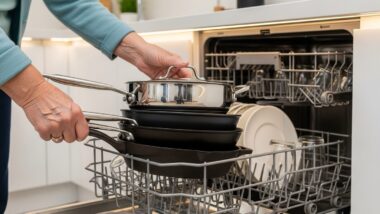
Many modern lids are dishwasher-safe—glass lids especially.
This is huge for arthritis. Load the dishwasher, press start, done. Zero hand scrubbing required.
Preventing Handle Degradation
Handles take abuse. Proper care keeps them functional.
Heat Exposure Limitations
Even stay-cool handles have limits—usually around 350°F for 30 minutes.
Exceeding this degrades the material. Handles become brittle, crack, eventually break. Follow manufacturer guidelines.
Proper Drying Techniques
Water trapped under handles breeds bacteria and can loosen attachments over time.
After washing, shake excess water off and dry the handle area specifically. Prevents long-term deterioration.
Tightening Loose Knobs and Handles
Handles attach with screws. These loosen over time.
Check periodically (monthly-ish) and tighten if needed. Prevents handles falling off during use—dangerous and hard on joints when you compensate suddenly.
Inspecting Lids for Safety
Regular safety checks prevent accidents.
Checking for Cracks in Glass
Hold glass lids up to light and inspect for hairline cracks.
Even tiny cracks can propagate under heat and cause sudden shattering. Replace cracked lids immediately.
Ensuring Vent Functionality
Vents can clog with grease or food particles.
Test monthly by holding under running water—water should flow through freely. Clean if blocked. Clogged vents negate their pressure-release benefits.
Replacing Worn Gaskets or Seals
Some vented lids use rubber gaskets. These wear out.
If you notice steam escaping from places other than the vent, gasket’s probably shot. Most are replaceable—check manufacturer websites.
Cost-Effective Lid Solutions for Seniors on Fixed Incomes
Good lids don’t have to be expensive. Smart shopping finds quality at reasonable prices.
Budget-Friendly Universal Lid Options
Universal lids run $15-30 and replace multiple individual lids.
Multi-Size Silicone Lids
Silicone stretches to fit 8, 10, or 12-inch pans with one lid.
These cost $12-20 and work surprisingly well. Lightweight, easy to grip, dishwasher-safe. Only downside: you can’t see through them.
Adjustable Stainless Steel Lids
These use expanding mechanisms to fit multiple sizes.
Run about $25-35. More expensive than silicone but last longer and handle higher heat. Good middle-ground option.
Value Brand Recommendations
Store brands (Target’s Threshold, Walmart’s Mainstays) offer decent lids at half the price of name brands.
Quality’s fine for everyday use. Not heirloom pieces, but they work well for 3-5 years of regular use.
When to Invest in Premium Lids
Sometimes quality matters enough to justify higher cost.
High-Use Scenarios Justifying Quality
If you cook daily, premium lids pay for themselves in comfort and longevity.
$50 for a glass lid that lasts 15 years versus $15 for one that lasts 3 years—do the math. Plus better ergonomics mean less daily pain.
Features Worth Paying Extra For
Ergonomic handles, built-in thermometers, vented designs.
These features genuinely reduce arthritis stress. Worth the premium if your budget allows.
Long-Term Savings Through Durability
Cheap lids warp, crack, need replacing.
One quality lid bought once beats buying three cheap replacements over the same time period. Upfront cost hurts less than repeated replacement costs.
Finding Lids for Existing Cookware
You probably don’t need all-new lids. Smart shopping finds what you need.
Measuring for Replacement Lids
Measure your skillet’s top diameter precisely.
Take that measurement to stores or use it for online shopping. Saves buying wrong sizes and dealing with returns.
Online and Local Retailer Options
Amazon, Target, Walmart all stock individual lids.
Restaurant supply stores (WebstaurantStore online) often have better prices for bulk purchases. Worth checking if you need multiple lids.
Second-Hand and Thrift Store Finds
Thrift stores usually have cookware sections with random lids.
Bring your skillet measurements. You might find perfect-fit lids for $2-5. Glass lids especially—inspect for cracks, but many are perfectly fine.
Building Confidence with Lid-Assisted Cooking
Switching to covered cooking methods requires learning new techniques. Start simple, build from there.
Starting Simple with Basic Covered Recipes
Don’t jump into complex meals immediately.
Easy One-Ingredient Dishes
Start with steamed broccoli. Water in pan, broccoli, lid, medium heat, 6 minutes. Can’t get simpler.
Success with simple builds confidence for harder recipes. Arthritis-friendly cooking is progressive—you build skills as your confidence grows.
Familiar Foods with Lid Modifications
Take recipes you already make and adapt them for covered cooking.
Your usual chicken recipe—try covering it this time instead of constant flipping. Same seasonings, same pan, just add a lid. Familiar flavors reduce the intimidation factor.
Gradual Skill Building
Master covered steaming, then covered braising, then one-pot meals.
Each technique builds on the previous. You’re developing a toolkit of methods that all reduce hand stress.
Tracking Pain Reduction Progress
Documenting improvement keeps you motivated.
Keeping a Cooking Journal
Note what you cooked and how your hands felt afterward.
Simple notebook works. “Made covered chicken—hands felt good even after 30 minutes.” Seeing patterns helps you identify which techniques work best.
Noting Before and After Pain Levels
Rate pain 1-10 before cooking, then 1 hour after.
Covered cooking should show less pain increase than uncovered methods. Concrete numbers prove it’s working.
Celebrating Reduced Medication Needs
If you’re popping fewer anti-inflammatories on cooking days, that’s progress.
Document it. Share with your doctor. Less medication means fewer side effects and lower costs. Real benefits beyond just comfort.
Sharing Success with Healthcare Providers
Your doctor needs to know about lifestyle modifications that work.
Documenting Improved Joint Function
Photos of meals you’ve made, notes about reduced pain, medication changes.
Bring this to appointments. Shows you’re actively managing arthritis through practical changes, not just relying on drugs.
Discussing Lifestyle Modifications
Occupational therapists especially want to hear about what’s working.
They can suggest additional modifications based on your success with lids. Conversation becomes collaboration.
Getting Professional Validation
Having your doctor acknowledge improvement reinforces that your efforts matter.
Validation motivates continued adherence to arthritis-friendly techniques. Don’t underestimate how good this feels.
Seasonal Cooking Adaptations Using Skillet Lids
Different seasons present different challenges. Lids help year-round but in different ways.
Summer Cooking with Reduced Heat Exposure
Standing over hot stoves in summer heat is miserable. Lids help.
Covering Foods to Cook Faster
Faster cooking means less time generating kitchen heat.
Covered cooking cuts time by 30%+, which means your kitchen stays cooler and you’re not sweating over the stove as long.
Minimizing Stovetop Time
Set it, cover it, reduce heat to low, walk away.
The cooking happens, but you can be in the air-conditioned living room instead of hovering in the hot kitchen.
Outdoor Cooking with Portable Skillets
Camp stoves on patios work great with lids.
You get outdoor cooking without the hassle of grills. Plus breezes affect burner performance less when you’re cooking covered.
Winter Comfort Foods with Less Effort
Cold weather makes arthritis worse. Hot, easy meals help.
Hearty Stews in Covered Skillets
One-pot stews in deep skillets require almost zero hand involvement once you’ve got everything in the pan.
Brown meat, add vegetables and liquid, cover, simmer 90 minutes. Stir once or twice max. Comfort food without the hand stress.
Warming Soups and Chilis
Same principle. Everything goes in, lid goes on, heat stays low.
Soups and chilis actually taste better when left alone—flavors meld properly. Your hands rest while flavor develops.
Root Vegetable Roasts
You can roast in covered skillets on the stovetop—lower heat, longer time, covered.
Creates similar texture to oven roasting without heating your whole kitchen. Plus easier pot handling than pulling heavy roasting pans from the oven.
Holiday Meal Preparation
Holidays stress arthritic hands with all the extra cooking.
Side Dishes That Require Minimal Attention
Covered green beans with almonds. Covered glazed carrots. Covered herb potatoes.
All these cook themselves while you focus on the turkey or ham. Less simultaneous hand involvement.
Keeping Foods Warm Under Lids
Lids hold heat for 20-30 minutes after you turn burners off.
Perfect for timing multiple dishes to finish together. Reduces the stressed timing crunch that makes hands hurt worse.
Reducing Pre-Meal Stress
Having techniques you trust (covered cooking) means less anxiety about holiday meals.
Less stress means less tension in your hands and shoulders. Physical and mental benefits overlap here.
Creating a Lid-Centered Cooking Routine
Building new habits takes intention. Structure helps make lid use automatic.
Weekly Meal Planning for Covered Cooking
Planning ahead lets you choose recipes that maximize lid benefits.
Selecting Recipes Based on Energy Levels
High-energy days: more complex covered recipes (one-pot meals, batch cooking).
Low-energy days: simple covered steaming or reheating leftovers. Match cooking complexity to how your arthritis feels.
Alternating Protein Sources
Fish Monday (gentle poaching), chicken Wednesday (covered braising), eggs Friday (covered scramble).
Variety prevents boredom while keeping techniques arthritis-friendly. Different proteins, same covered methods.
Vegetable Variety Throughout the Week
Leafy greens one day, root vegetables another, mixed medleys the next.
All cook well covered, but varying them keeps meals interesting. Adherence improves when food stays enjoyable.
Shopping Tips for Stir-Fry Ingredients
Smart shopping reduces prep work at home.
Buying Pre-Washed and Pre-Cut Options
Pre-cut vegetables cost 20-30% more but save significant hand stress.
No chopping means no grip strain. Worth the premium if budget allows, especially during arthritis flare-ups.
Frozen Versus Fresh Considerations
Frozen vegetables need zero prep—dump in pan, add water, cover, cook.
Nutritionally equivalent to fresh and way easier on arthritic hands. Keep multiple varieties in the freezer.
Stocking a Stir-Fry Pantry
Keep covered-cooking staples on hand: broth, canned tomatoes, rice, basic seasonings.
Having these ready means you can make covered meals even when you can’t shop. Reduces stress and ensures you have easy options always available.
Maintaining Motivation and Variety
Long-term success requires staying engaged.
Trying One New Ingredient Per Week
Keeps cooking interesting without overwhelming yourself.
This week: fennel in your covered vegetable medley. Next week: farro instead of rice. Small changes prevent boredom while using familiar covered techniques.
Documenting Favorite Combinations
Write down what works.
Simple index cards: “Chicken + mushrooms + white wine + covered 25min = amazing.” Build your personal recipe collection of arthritis-friendly winners.
Sharing Meals with Others
Cooking for friends or family makes the effort feel more worthwhile.
Plus you get social interaction, which combats the isolation that sometimes comes with chronic pain. Food brings people together—leverage that.