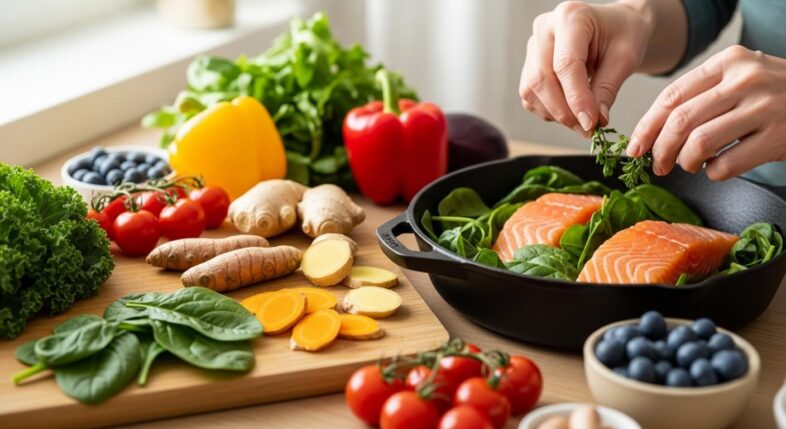
Anti-Inflammatory Skillet Recipes for Seniors Eating to Combat Arthritis Pain

Anti-Inflammatory Skillet Recipes for Seniors: Eating to Combat Arthritis Pain

Anti-inflammatory skillet recipes for seniors combine arthritis-fighting ingredients like fatty fish, turmeric, leafy greens, and healthy oils in simple one-pan meals that reduce joint pain through targeted nutrition while requiring minimal cooking effort.

Here’s what matters—what you eat directly affects how much your joints hurt. Not maybe. Not sometimes. Always. The inflammation driving your arthritis pain responds to food choices within hours to days, and the cumulative effect over weeks and months can be genuinely life-changing.

Understanding Anti-Inflammatory Eating for Arthritis Relief

Diet impacts arthritis pain by either increasing or decreasing inflammatory markers in your bloodstream, with anti-inflammatory foods like omega-3 fatty acids, antioxidants, and specific spices actively reducing the chemical signals that cause joint swelling and pain.

How Diet Influences Arthritis Pain Levels

Your diet creates inflammation or fights it. There’s no neutral ground.

Every time you eat, you’re either adding fuel to the inflammatory fire burning in your joints or you’re dousing it with compounds that actively reduce swelling and pain. Prostaglandins, cytokines, C-reactive protein—these inflammatory markers rise and fall based on what you put in your mouth.

Studies show that people with rheumatoid arthritis who follow anti-inflammatory diets report 20-40% reduction in pain scores within 3-6 months. That’s significant. Not a cure, but definitely meaningful relief that stacks with whatever medications you’re taking.

The Science Behind Anti-Inflammatory Foods

Omega-3 fatty acids compete with omega-6 fatty acids for the same enzymes in your body. When omega-3s win, your body produces less inflammatory compounds and more anti-inflammatory ones—specifically, resolvins and protectins that actively calm inflammation.

Polyphenols from colorful vegetables act as antioxidants, neutralizing free radicals that damage joint tissue. Curcumin from turmeric inhibits COX-2 enzymes (same target as ibuprofen, but through food). Gingerol from ginger blocks inflammatory pathways at the cellular level.

This isn’t mystical. It’s biochemistry.

Key Nutrients That Combat Joint Inflammation

The heavy hitters for arthritis:

  • Omega-3 fatty acids (EPA and DHA from fish, ALA from plants) – directly reduce inflammatory cytokine production
  • Curcumin from turmeric – blocks NF-kB inflammatory pathway, as effective as some NSAIDs in studies
  • Gingerol from fresh ginger – inhibits prostaglandin and leukotriene synthesis (that’s inflammation talk)
  • Vitamin C from peppers and citrus – supports collagen formation, antioxidant protection for joint cartilage
  • Quercetin from onions – mast cell stabilizer, reduces histamine-driven inflammation
  • Anthocyanins from berries and red cabbage – powerful antioxidants that protect joint tissue

You need all of these regularly. Not occasionally. Daily consumption creates cumulative anti-inflammatory effects.

Foods to Avoid That Worsen Arthritis Symptoms

Some foods actively increase inflammation:

Food Category Why It’s Bad What Happens in Your Joints
Refined carbs (white bread, pastries) Spike blood sugar, increase inflammatory cytokines More swelling, increased pain within hours
Fried foods Trans fats and oxidized oils promote inflammation Joint stiffness, prolonged morning pain
Red meat (excessive amounts) High in arachidonic acid, inflammatory omega-6 Increased prostaglandin production = more pain
Sugary drinks Rapid blood sugar spikes, AGE formation Cartilage damage acceleration

You don’t need to eliminate these entirely (though honestly, sugary drinks and fried foods aren’t doing you any favors). But minimize them. The ratio matters—more anti-inflammatory foods, fewer pro-inflammatory ones.

Essential Anti-Inflammatory Ingredients for Skillet Cooking

Anti-inflammatory skillet cooking relies on fatty fish rich in omega-3s, colorful vegetables packed with antioxidants, healing spices like turmeric and ginger, and healthy fats that support nutrient absorption while fighting inflammation themselves.

Omega-3 Rich Proteins

Fatty Fish: Salmon, Mackerel, and Sardines

Salmon is the superstar here. Wild-caught has more omega-3s than farmed (though farmed still beats no salmon at all). A 4-ounce serving delivers about 1.5-2 grams of EPA and DHA—right in the therapeutic range for reducing inflammation.

Mackerel packs even more omega-3s per ounce but has stronger flavor. Sardines are budget-friendly and sustainable, loaded with omega-3s plus calcium from the tiny bones. All three cook beautifully in skillets.

Plant-Based Omega-3 Sources

Flaxseeds, chia seeds, walnuts, hemp seeds. These contain ALA, which your body converts to EPA and DHA—but inefficiently, maybe 5-10% conversion rate.

Still worth including for the fiber, minerals, and other beneficial compounds. But don’t rely solely on plant omega-3s if you’re serious about reducing arthritis inflammation. Fish wins here.

Portion Sizes for Senior Nutrition

Four ounces of cooked fish per serving. That’s about the size of a deck of cards or your palm (not including fingers).

Seniors need adequate protein—0.8 to 1.0 grams per pound of body weight daily—but portions don’t need to be huge. Quality over quantity.

Storage and Freshness Tips

Fresh fish should smell like ocean, not fishy. Use within 2 days of purchase. Frozen fish is perfectly fine—flash-frozen often retains more nutrients than “fresh” that’s been sitting for a week.

Thaw in the refrigerator, never on the counter. Cook from frozen in a pinch—just add 5-8 minutes to cooking time.

Arthritis-Fighting Vegetables

Leafy Greens: Spinach, Kale, and Swiss Chard

Dark leafy greens are loaded with vitamin K (reduces inflammatory markers), vitamin C (antioxidant protection), and various polyphenols that fight inflammation.

Spinach wilts in 90 seconds in a hot skillet. Kale needs 3-4 minutes. Swiss chard falls in between. All work beautifully in skillet meals.

Cruciferous Vegetables: Broccoli and Cauliflower

Sulforaphane in broccoli blocks inflammatory pathways—legitimate anti-inflammatory compound with solid research behind it.

Chop small, sauté in skillets 5-7 minutes until tender-crisp. Don’t overcook—you’re destroying beneficial compounds.

Colorful Bell Peppers for Antioxidants

Red, yellow, orange peppers have way more vitamin C than oranges—like, 150-200% of daily value in one pepper.

They’re also loaded with beta-carotene and other carotenoids that reduce oxidative stress in joints. Sauté them, they get sweet and delicious.

Mushrooms and Their Anti-Inflammatory Properties

Mushrooms contain ergothioneine and selenium—both powerful antioxidants that reduce inflammatory markers. Shiitake, maitake, and even regular button mushrooms all deliver benefits.

Sauté until golden brown to develop umami flavors that make meals satisfying without excessive salt.

Healing Spices and Herbs

Turmeric and Curcumin Benefits

Curcumin is the active compound in turmeric. Multiple studies show it reduces arthritis pain as effectively as ibuprofen in some patients.

But here’s the catch—curcumin absorbs poorly unless combined with black pepper (piperine increases absorption by 2000%). Always pair turmeric with black pepper in recipes.

Use liberally. Quarter to half teaspoon per serving is a good target.

Fresh Ginger for Joint Pain

Ginger’s been used for arthritis in traditional medicine for centuries. Modern research confirms it works—gingerol compounds inhibit inflammatory prostaglandin synthesis.

Fresh ginger beats dried for potency. Peel and mince or grate. One tablespoon fresh ginger per recipe delivers therapeutic amounts.

Garlic’s Anti-Inflammatory Compounds

Garlic contains diallyl disulfide, which limits cartilage-damaging enzymes in joints. Studies show regular garlic consumption reduces arthritis pain markers.

Three to four cloves per skillet recipe. Mince or crush (crushing releases more beneficial compounds than slicing).

Rosemary, Thyme, and Mediterranean Herbs

These herbs contain rosmarinic acid and other polyphenols that reduce inflammation. They’re not as powerful as turmeric or ginger, but they add up.

Use fresh when possible—more potent than dried. Dried works fine too, just use less (one-third the amount of fresh).

Healthy Fats for Cooking

Extra Virgin Olive Oil Benefits

EVOO is loaded with oleocanthal—a compound that works like ibuprofen in your body. Good quality EVOO has that throat-burning quality—that’s the oleocanthal.

Use for low to medium-heat cooking (smoke point around 375°F). Drizzle more on after cooking for maximum anti-inflammatory benefit.

Avocado Oil for High-Heat Cooking

Smoke point around 520°F makes avocado oil perfect for higher-heat skillet cooking. It’s high in oleic acid (monounsaturated fat) that reduces inflammation.

Neutral flavor works with everything. More expensive than olive oil but worth it for versatility.

Coconut Oil Considerations

Controversial. Coconut oil is saturated fat, which traditionally gets bad marks. But some research suggests medium-chain triglycerides in coconut oil might have anti-inflammatory effects.

Use sparingly if you like the flavor. Not a primary anti-inflammatory fat, but not terrible either.

Avoiding Inflammatory Oils

Skip corn oil, soybean oil, sunflower oil (except high-oleic varieties). These are high in omega-6 fatty acids that promote inflammation when consumed in excess.

Most Americans get 15-20 times more omega-6 than omega-3. You’re trying to correct that ratio, not make it worse.

One-Pan Salmon Recipes for Arthritis Relief

Salmon skillet recipes deliver 1.5-2 grams of anti-inflammatory omega-3 fatty acids per serving while cooking in 15-20 minutes, making them the most effective arthritis-fighting meals seniors can prepare quickly.

Mediterranean Salmon Skillet

Ingredient List and Measurements

  • 4 salmon fillets (4 oz each)
  • 2 cups cherry tomatoes, halved
  • 1 cup kalamata olives, pitted
  • 3 cups baby spinach
  • 4 cloves garlic, minced
  • 2 tablespoons extra virgin olive oil
  • 1 teaspoon dried oregano
  • Juice of 1 lemon
  • Black pepper to taste

Step-by-Step Cooking Instructions

Heat oil in a large skillet over medium-high. Add salmon skin-side down (if it has skin—if not, just place it in). Cook 4-5 minutes without touching it.

Flip salmon. Add tomatoes, olives, and garlic around the salmon. Sprinkle oregano over everything. Cook another 4-5 minutes.

Add spinach on top. It’ll wilt in about 60 seconds. Squeeze lemon over everything. Done.

Total time: 12 minutes. Seriously.

Anti-Inflammatory Benefits Breakdown

Omega-3s from salmon. Lycopene from tomatoes. Polyphenols from olive oil. Vitamin C from lemon. Garlic’s sulfur compounds.

This meal hits multiple anti-inflammatory pathways simultaneously. That’s the goal—stack benefits.

Serving Suggestions and Sides

Eat as-is or serve over quinoa, farro, or cauliflower rice. Add crusty whole grain bread if you want (preferably sourdough—easier digestion, lower glycemic impact).

Turmeric Ginger Salmon with Vegetables

Recipe Components and Prep

  • 4 salmon fillets
  • 2 teaspoons fresh turmeric, grated (or 1 teaspoon ground)
  • 1 tablespoon fresh ginger, grated
  • 2 cups broccoli florets
  • 1 red bell pepper, sliced
  • 1 tablespoon avocado oil
  • Quarter-teaspoon black pepper (crucial for turmeric absorption)
  • 2 tablespoons coconut aminos or low-sodium soy sauce

Mix turmeric, ginger, and black pepper with coconut aminos. Coat salmon in this mixture.

Cooking Technique for Tender Fish

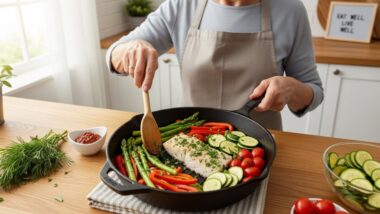
Medium heat works better than high for salmon—prevents overcooking. Heat oil, add broccoli and peppers first. Sauté 5 minutes.

Push vegetables to the sides. Add salmon to the center. Cook 4 minutes per side. The turmeric creates a golden crust that’s not just pretty—it’s medicinal.

Nutritional Profile for Seniors

Twenty-eight grams protein per serving. Two grams omega-3s. Massive dose of curcumin from turmeric. Sulforaphane from broccoli. Vitamin C from peppers.

Complete anti-inflammatory arsenal in one meal.

Storage and Reheating Tips

Refrigerate up to 3 days. Reheat gently at 300°F for 10 minutes or microwave on 50% power. Salmon dries out if you reheat too aggressively.

Add a splash of water or broth when reheating to maintain moisture.

Lemon Herb Salmon and Asparagus

Simple Ingredient Combinations

  • 4 salmon fillets
  • 1 pound asparagus, trimmed
  • 3 cloves garlic, minced
  • 2 tablespoons olive oil
  • Zest and juice of 1 lemon
  • Fresh dill or parsley
  • Black pepper

That’s it. Six ingredients plus herbs.

One-Pan Cooking Method

Oil in pan. Asparagus in first—they take longer than salmon. Sauté 4 minutes.

Nestle salmon among the asparagus. Sprinkle garlic, lemon zest, and herbs over everything. Cook 8-10 minutes, flipping salmon once.

Squeeze lemon juice at the end. The acid brightens everything.

Omega-3 and Vitamin Benefits

Omega-3s from salmon. Vitamin K and folate from asparagus. Flavonoids from lemon. Sulfur compounds from garlic.

Asparagus also contains glutathione—an antioxidant that reduces oxidative stress in joints.

Meal Prep Adaptations

Cook extra salmon and asparagus Sunday. Eat cold on salads throughout the week or reheat gently. Cold salmon on mixed greens with lemon vinaigrette is legitimately excellent.

Anti-Inflammatory Chicken Skillet Recipes

Chicken skillet recipes with turmeric, ginger, and vegetables provide lean protein for muscle maintenance while delivering anti-inflammatory compounds that reduce joint pain when combined with arthritis-fighting spices and colorful produce.

Golden Turmeric Chicken with Vegetables

Ingredient Selection and Preparation

  • 1.5 pounds chicken breast or thighs, cut into bite-sized pieces
  • 2 teaspoons turmeric
  • 1 tablespoon grated fresh ginger
  • Half-teaspoon black pepper
  • 2 cups cauliflower florets
  • 1 red onion, sliced
  • 2 tablespoons avocado oil
  • 1 cup coconut milk (optional for creaminess)

Mix turmeric, ginger, and black pepper. Coat chicken in this. Let it sit 10-15 minutes if you’ve got time (not mandatory).

Skillet Cooking Instructions

High heat. Oil in pan. Chicken in. Brown on all sides—about 6-8 minutes total.

Add vegetables. Stir-fry 5 minutes. If using coconut milk, add it now and let simmer 3-4 minutes to thicken slightly.

The turmeric turns everything golden yellow. That’s curcumin doing its thing.

Joint Health Benefits

Curcumin from turmeric. Gingerol from ginger. Sulforaphane from cauliflower. Quercetin from onion.

Multiple anti-inflammatory compounds attacking joint inflammation from different angles. This is strategic eating.

Portion Control for Seniors

Five to six ounces of cooked chicken per person. Don’t go crazy—excess protein doesn’t help arthritis and can be hard on kidneys (which sometimes decline with age).

Mediterranean Chicken and Artichokes

Heart-Healthy Ingredient List

  • 1.5 pounds chicken breast, pounded thin
  • 1 can artichoke hearts, drained and quartered
  • 1 cup sun-dried tomatoes
  • Half-cup kalamata olives
  • 4 cloves garlic, minced
  • 2 tablespoons olive oil
  • Fresh basil
  • Lemon juice

Easy One-Pan Method

Olive oil in pan. Chicken in. Cook 4-5 minutes per side.

Remove chicken. Add artichokes, tomatoes, olives, and garlic to the same pan. Sauté 3 minutes. Return chicken. Add basil and lemon. Done.

Total time: 18 minutes.

Antioxidant Properties

Artichokes contain cynarin and silymarin—compounds that reduce oxidative stress. Sun-dried tomatoes are concentrated lycopene. Olives provide polyphenols and healthy fats.

Mediterranean diet is consistently linked to reduced arthritis symptoms. This recipe is why.

Leftover Ideas

Shred the chicken and artichoke mixture. Serve over greens as a salad. Or wrap in lettuce leaves. Or mix with quinoa for grain bowls.

Versatile leftovers extend your cooking effort.

Ginger Garlic Chicken Stir-Fry

Anti-Inflammatory Seasoning Mix

  • 2 tablespoons fresh ginger, grated
  • 6 cloves garlic, minced
  • 1 teaspoon turmeric
  • 2 tablespoons coconut aminos
  • 1 tablespoon rice vinegar
  • Half-teaspoon red pepper flakes (optional)

This is your sauce base. Mix it ahead of time.

Quick Cooking Technique

Chicken pieces in hot oiled skillet. High heat. Sear 2 minutes per side. Remove.

Vegetables in: bell peppers, snap peas, whatever you’ve got. Stir-fry 4 minutes. Return chicken. Add sauce. Cook 2 minutes more.

Fast. Hot. Efficient.

Vegetable Combinations

  • Broccoli + red peppers + mushrooms
  • Snap peas + carrots + bok choy
  • Green beans + onions + bell peppers

Mix it up. Different colors = different antioxidants.

Serving Over Quinoa or Rice

Quinoa is complete protein and more nutritious than white rice. Brown rice is fine too—more fiber, lower glycemic impact.

Or skip grains entirely and serve over cauliflower rice for lower carb intake.

Rosemary Lemon Chicken Thighs

Bone-In Versus Boneless Options

Bone-in thighs have more flavor and stay juicier, but they take longer to cook (25-30 minutes versus 15-18 for boneless).

For arthritis-friendly cooking, boneless might win on convenience despite slight flavor trade-off.

Crispy Skin Technique

Pat skin dry. Salt it. Place skin-side down in hot oiled skillet. Don’t touch for 8-10 minutes.

That patience creates crispiness. Flip. Cook another 8-10 minutes. Skin gets golden and crackling.

Herb Benefits for Inflammation

Rosemary contains rosmarinic acid—reduces inflammatory cytokines. Also has carnosic acid, which protects against oxidative damage.

Use liberally. Two tablespoons fresh rosemary per pound of chicken.

Complete Meal Additions

Add quartered potatoes (sweet or regular) and green beans to the skillet halfway through cooking. Everything finishes together—protein and vegetables in one pan.

Plant-Based Anti-Inflammatory Skillet Meals

Plant-based anti-inflammatory skillets combine fiber-rich legumes, antioxidant-packed vegetables, and healing spices to fight arthritis pain without animal products, providing complete nutrition for seniors following vegetarian or vegan diets.

Turmeric Chickpea and Spinach Skillet

Protein-Rich Legume Benefits

Chickpeas deliver 12-15 grams of protein per cup. Not complete protein (missing some amino acids), but pair with grains or seeds and you’re covered.

They’re also loaded with fiber—which supports gut health, and gut health connects directly to inflammation levels. Healthy gut, less systemic inflammation.

Spice Blend Creation

  • 2 teaspoons turmeric
  • 1 teaspoon cumin
  • 1 teaspoon coriander
  • Half-teaspoon black pepper
  • Half-teaspoon paprika

This combo creates warm, complex flavor while delivering anti-inflammatory compounds.

Cooking Time and Texture

Heat oil. Add spices (they bloom in hot oil—releases more flavor). Add drained chickpeas. Sauté 5 minutes until slightly crispy.

Add 4 cups spinach. It wilts in 90 seconds. Squeeze lemon over everything. Done in 8 minutes total.

Calcium and Iron Content

Spinach and chickpeas both provide iron—important for seniors, especially women. Vitamin C from lemon helps iron absorption.

Spinach also has calcium, though oxalates reduce absorption somewhat. Still contributes to bone health alongside joint health.

Mediterranean Vegetable Medley

Colorful Vegetable Selection

Zucchini, yellow squash, red onion, cherry tomatoes, bell peppers—as many colors as you can fit.

Different colors = different phytonutrients = comprehensive anti-inflammatory coverage.

Olive Oil and Herb Dressing

Three tablespoons good olive oil. Two cloves garlic. Fresh oregano and basil. Lemon zest.

Mix this separately, drizzle over cooked vegetables. Raw olive oil preserves more beneficial compounds than cooking it.

Antioxidant Power Combination

Lycopene from tomatoes. Beta-carotene from yellow squash. Anthocyanins from red onion. Quercetin from peppers.

This is a vitamin and antioxidant bomb. Your joints will thank you.

Serving as Main or Side Dish

As a side: serves 6-8. As a main: serves 3-4 (add chickpeas or white beans to boost protein).

Versatile dish that complements or stands alone.

Tempeh and Broccoli Stir-Fry

Tempeh Preparation Tips

Tempeh is fermented soybeans—complete protein, probiotic benefits, firm texture that holds up to stir-frying.

Cube it. Some people steam it first for 5 minutes to reduce bitterness (I don’t bother, but you might want to).

Anti-Inflammatory Sauce Recipe

  • 3 tablespoons coconut aminos or tamari
  • 1 tablespoon rice vinegar
  • 1 tablespoon fresh ginger, grated
  • 2 cloves garlic, minced
  • 1 teaspoon sesame oil
  • Half-teaspoon turmeric

Mix this. Set aside.

Cruciferous Vegetable Benefits

Broccoli’s sulforaphane inhibits inflammatory enzymes. Like, measurably—studies show reduced inflammatory markers in people who eat broccoli regularly.

Don’t overcook. Four minutes in a hot skillet is plenty.

Complete Protein Considerations

Tempeh is complete protein. Pair with brown rice and you’ve got a nutritionally complete meal—all essential amino acids, healthy fats, complex carbs, fiber.

White Bean and Kale Skillet

Fiber and Protein Balance

White beans: 15 grams protein, 12 grams fiber per cup. That’s substantial nutrition for plant-based protein.

Kale adds more fiber, plus vitamins K and C. Together they create a filling, nutritious meal.

Garlic and Herb Flavoring

Six cloves garlic (yes, six—this is a garlic-forward dish). Fresh rosemary and thyme. Red pepper flakes if you want heat.

Sauté garlic in olive oil first to create a flavor base.

One-Pan Simplicity

Garlic in oil. Add kale (it’ll seem like too much—it wilts down). Add beans. Add broth if you want it saucier. Cook 6-7 minutes. Season. Eat.

Doesn’t get simpler than that.

Blood Sugar Stability Benefits

Beans have low glycemic index—they don’t spike blood sugar. Stable blood sugar means less inflammation overall.

This matters for arthritis. Blood sugar spikes promote inflammatory processes.

Breakfast Skillets to Start the Day Right

Anti-inflammatory breakfast skillets provide morning nutrition that reduces joint stiffness through omega-3s from eggs or salmon, antioxidants from vegetables, and turmeric-spiced preparations that fight inflammation first thing in the morning.

Anti-Inflammatory Vegetable Scramble

Egg Benefits for Seniors

Eggs are complete protein, easily digestible, affordable. The yolk contains choline (brain health) and omega-3s (if you buy omega-3 enriched eggs—worth the extra dollar).

Two to three eggs per serving provides 12-18 grams protein.

Spinach, Tomato, and Mushroom Mix

Classic combination. Spinach wilts fast. Tomatoes add moisture and lycopene. Mushrooms contribute umami and selenium.

Sauté vegetables first, then add beaten eggs.

Turmeric-Spiced Eggs

Add half-teaspoon turmeric to beaten eggs before cooking. Creates golden color and adds anti-inflammatory curcumin.

The heat doesn’t destroy curcumin—it’s actually more bioavailable when cooked with fat (from the eggs).

Quick Morning Preparation

Six minutes total. Seriously. Beat eggs, sauté vegetables 3 minutes, add eggs, scramble 2-3 minutes. Done.

No excuse for skipping breakfast when it’s this fast.

Sweet Potato and Greens Hash

Complex Carbohydrate Benefits

Sweet potatoes are complex carbs with low glycemic index—they don’t spike blood sugar like white potatoes do. Plus they’re loaded with beta-carotene.

Beta-carotene reduces oxidative stress in joints. Proven benefit for arthritis.

Beta-Carotene for Joint Health

That orange color is beta-carotene. Your body converts it to vitamin A, which supports cartilage health and reduces inflammatory markers.

One medium sweet potato provides 400% of daily vitamin A requirement.

Adding Protein Options

Top with a fried egg. Or add crumbled turkey sausage while cooking. Or serve with a side of Greek yogurt.

Hash alone is mostly carbs—adding protein makes it more balanced.

Make-Ahead Possibilities

Cook the hash Sunday. Reheat portions throughout the week. Add fresh eggs daily for complete meals.

Meal prep breakfast saves morning time and ensures you eat well.

Smoked Salmon and Avocado Breakfast Bowl

Omega-3 Rich Morning Meal

Three ounces smoked salmon delivers about 1 gram omega-3s. Start the day with anti-inflammatory fats.

Plus you’re getting high-quality protein right away—important for seniors maintaining muscle mass.

Healthy Fat Combinations

Salmon’s omega-3s plus avocado’s monounsaturated fats. Both reduce inflammation through different mechanisms.

Fat also helps absorb fat-soluble vitamins (A, D, E, K) from other foods you eat that day.

Quick Assembly Method

Spinach or arugula in a bowl. Top with smoked salmon, sliced avocado, cherry tomatoes, cucumber. Squeeze lemon. Sprinkle everything bagel seasoning.

Zero cooking required. Two-minute breakfast.

Portion Sizing for Seniors

Two to three ounces salmon, half an avocado, two cups greens. Substantial but not excessive.

You don’t need huge portions—seniors need nutrient density, not volume.

Quinoa Breakfast Skillet

Complete Protein Grain Benefits

Quinoa contains all nine essential amino acids. Rare for a plant food. This makes it a complete protein source.

One cup cooked quinoa: 8 grams protein, 5 grams fiber.

Cinnamon Anti-Inflammatory Properties

Cinnamon contains cinnamaldehyde—reduces inflammatory markers and helps regulate blood sugar. Add liberally to breakfast foods.

One teaspoon per serving is a good target.

Berry and Nut Additions

Blueberries or strawberries (anthocyanins), walnuts (omega-3 ALA), sliced almonds (vitamin E).

These additions multiply the anti-inflammatory compounds in the meal.

Warm Versus Cold Serving

Some people like warm quinoa breakfast bowls (like oatmeal). Others prefer it cold (like overnight oats).

Both work. Cook quinoa ahead, reheat with cinnamon and milk for warm version, or top cold quinoa with fruit and nuts.

Seafood Skillet Recipes for Joint Health

Seafood skillets provide the highest concentration of anti-inflammatory omega-3 fatty acids while cooking quickly (under 15 minutes), making them ideal for seniors seeking maximum arthritis relief with minimal cooking effort.

Garlic Shrimp with Zucchini Noodles

Quick-Cooking Protein Benefits

Shrimp cook in literally 3-4 minutes. Pink and curled means done. Gray and straight means overcooked.

Fast cooking preserves nutrients and saves energy—yours and the electricity.

Low-Carb Vegetable Noodles

Zucchini noodles (“zoodles”) are basically carb-free. Four grams per cup versus 40+ for pasta.

If you’re managing blood sugar or trying to lose weight (reduces joint stress), zoodles are clutch.

Garlic’s Anti-Inflammatory Power

Six to eight cloves for this recipe. Garlic’s diallyl disulfide protects cartilage from degradation.

Multiple studies link regular garlic consumption to reduced arthritis symptoms.

Light and Easy Digestion

Shrimp and zucchini digest easily—no food coma after this meal. Light but satisfying.

Perfect for dinner when you don’t want to feel heavy afterward.

Recipe: Sauté spiralized zucchini 2 minutes. Remove. Add garlic and shrimp to the same pan. Cook 3 minutes. Return zucchini. Toss. Serve with lemon.

Mediterranean Cod with Tomatoes

Lean Fish Protein Source

Cod is mild, flaky, lean protein. Less omega-3 than salmon (about 0.2-0.3 grams per serving) but still healthy.

Some people find salmon too fishy—cod works for them.

Lycopene-Rich Tomato Benefits

Tomatoes cooked in oil release more lycopene than raw tomatoes. Lycopene is a carotenoid that reduces inflammatory markers.

Use cherry tomatoes—they’re sweeter and contain more lycopene per ounce.

Simple Herb Seasoning

Oregano, basil, thyme. Mediterranean herbs that complement fish without overpowering.

Plus they add their own anti-inflammatory polyphenols.

Omega-3 Content Comparison

Cod versus salmon omega-3 content:

  • Salmon: 1.5-2g per 4oz serving
  • Cod: 0.2-0.3g per 4oz serving

Salmon wins for omega-3s. But cod is cheaper and more accessible to people who don’t love strong fish flavor.

Recipe: Cod in hot oiled skillet, 4 minutes per side. Add tomatoes and herbs. Cook 3 more minutes. Done.

Turmeric Scallops and Vegetables

Premium Protein Option

Scallops aren’t cheap—$15-20 per pound typically. But they’re a treat that’s worth it occasionally.

Plus they cook in 2 minutes total. Fastest protein out there.

Golden Anti-Inflammatory Sauce

Turmeric, ginger, coconut milk, lime juice. Creates a rich golden sauce that coats scallops and vegetables.

The fat in coconut milk helps curcumin absorption.

Quick Searing Technique

Pat scallops completely dry. Hot pan. Oil. Scallops in. Don’t touch for 90 seconds. Flip. Another 90 seconds. Done.

Touching them prematurely prevents the golden crust from forming.

Special Occasion Meal Ideas

This is fancy enough for company but simple enough for a regular Tuesday. Serve with asparagus and cauliflower rice.

Your dinner guests will think you spent hours. You spent 12 minutes.

Ground Meat Anti-Inflammatory Recipes

Ground meat skillets combine lean proteins with anti-inflammatory vegetables and spices in budget-friendly meals that cook in 15-20 minutes, providing arthritis-fighting nutrition without requiring expensive ingredients or complex techniques.

Turkey and Vegetable Skillet

Lean Protein Selection

Ground turkey is leaner than ground beef—less saturated fat, which is good for inflammation management. Ninety-three percent lean is a good target.

Still flavorful if you season it properly.

Colorful Vegetable Mix

Diced bell peppers, zucchini, tomatoes, onions. As many colors as possible.

Brown the turkey first, then add vegetables in order of cooking time—onions and peppers first, zucchini and tomatoes last.

Anti-Inflammatory Seasoning Blend

  • 1 teaspoon turmeric
  • 1 teaspoon cumin
  • Half-teaspoon coriander
  • Half-teaspoon garlic powder
  • Quarter-teaspoon black pepper

Mix this into the turkey while it browns.

Budget-Friendly Option

Ground turkey costs $3-5 per pound typically. Vegetables add another $5-7 for enough to feed four people.

Under $15 for four anti-inflammatory meals. That’s economical.

Grass-Fed Beef and Broccoli

Omega-3 in Grass-Fed Beef

Grass-fed beef contains more omega-3s than grain-fed—still not as much as fish, but significantly more than conventional beef. Ratio of omega-6 to omega-3 is better too.

Worth the extra cost if your budget allows.

Cruciferous Vegetable Pairing

Broccoli’s sulforaphane + beef’s protein = complete meal nutritionally. The beef provides heme iron (more bioavailable than plant iron).

Two complementary foods that enhance each other.

Ginger Garlic Sauce

Classic flavor combination. Grated ginger, minced garlic, coconut aminos, rice vinegar. Mix together, pour over the beef and broccoli, let it simmer 2 minutes.

Creates restaurant-quality flavor at home.

Iron Benefits for Seniors

Seniors, especially women, often become iron deficient. Beef provides heme iron that absorbs easily (20-30% absorption versus 10-15% for plant iron).

Iron supports energy levels—important when arthritis causes fatigue.

Chicken Meatball and Spinach Skillet

Homemade Versus Store-Bought

Store-bought meatballs are convenient but often contain inflammatory ingredients (cheap oils, fillers, excess sodium).

Homemade takes 10 minutes and you control ingredients.

Hidden Vegetable Additions

Mix finely minced mushrooms, grated zucchini, or minced spinach into the meatball mixture. Kids won’t notice. Neither will you, but you’ll get extra vegetables.

Increases nutrient density without changing flavor much.

Tomato-Based Anti-Inflammatory Sauce

Crushed tomatoes, garlic, basil, oregano. Simmer meatballs in this sauce 15 minutes.

Lycopene from tomatoes, polyphenols from herbs, protein from chicken. Complete anti-inflammatory meal.

Freezer-Friendly Preparation

Make double batch of meatballs. Freeze half. Pull them out for quick meals when you don’t feel like cooking.

Pre-cooked frozen meatballs reheat in 10 minutes—ultimate convenience.

One-Pan Complete Meals for Easy Nutrition

Complete one-pan meals combine protein, vegetables, and optionally grains in a single skillet, providing balanced anti-inflammatory nutrition for arthritis while minimizing cooking steps, dishes to wash, and total kitchen time to under 25 minutes.

Salmon, Sweet Potato, and Kale Power Bowl

Nutrient-Dense Ingredient Combination

Omega-3s from salmon. Beta-carotene from sweet potato. Vitamins K and C from kale. This is a nutritional powerhouse.

All three ingredients fight inflammation through different mechanisms—synergistic effect.

Layered Cooking Technique

Sweet potato cubes first—they take longest. Sauté 10 minutes. Add kale, cook 3 minutes. Push everything to sides, add salmon to center, cook 8-10 minutes.

Everything finishes at the same time without overcooking anything.

Complete Nutritional Profile

Thirty grams protein. Complex carbs. Healthy fats. Five-plus grams fiber. Vitamins A, C, K, D, B12. Omega-3s. Iron. Calcium.

This is a complete meal nutritionally—you don’t need anything else.

Meal Prep Efficiency

Cook components separately Sunday. Store in containers. Reheat together for quick assembled meals.

Or cook the whole thing, portion it, reheat throughout the week.

Chicken, Quinoa, and Vegetable Skillet

All-in-One Nutrition

Complete protein from chicken and quinoa. Vegetables add fiber and antioxidants. One pan, complete nutrition.

This is what efficient cooking looks like.

Proper Cooking Sequence

Chicken first. Brown it, remove it. Quinoa and broth in the same pan. Simmer 15 minutes. Add vegetables during last 5 minutes. Return chicken.

Proper sequencing prevents overcooked chicken or undercooked quinoa.

Anti-Inflammatory Spice Mix

Turmeric, cumin, coriander, garlic powder, black pepper. Mix into the quinoa while it cooks—flavors infuse the grain.

Spices distributed throughout the dish instead of just on the surface.

Portion Guidelines

One and a half cups total per serving (about half quinoa, one-third vegetables, one-sixth chicken by volume). Fills you up without overeating.

Appropriate portions for seniors managing weight.

Shrimp and Cauliflower Rice Bowl

Low-Carb Complete Meal

Cauliflower rice has 5 grams carbs per cup versus 45 for regular rice. Significant difference if you’re managing blood sugar.

Still satisfying and filling despite low carbs.

Quick Cooking Method

Cauliflower rice first (sauté 5 minutes). Add vegetables (bell peppers, peas, carrots). Cook 3 minutes. Add shrimp. Cook 3 minutes. Done in 12 minutes total.

Faster than ordering takeout.

Colorful Vegetable Additions

Red peppers, green peas, orange carrots. Rainbow of vegetables = rainbow of antioxidants.

Visual appeal matters—we eat with our eyes first.

Blood Sugar Friendly

Low glycemic impact from cauliflower rice. Won’t spike blood sugar like regular rice. This prevents inflammatory blood sugar swings.

Important for anyone managing diabetes alongside arthritis (common combination).

Anti-Inflammatory Sauces and Seasonings

Anti-inflammatory sauces and seasonings using turmeric, ginger, garlic, lemon, and herbs transform basic skillet meals into arthritis-fighting dishes by adding concentrated anti-inflammatory compounds without requiring additional cooking steps or ingredients.

Turmeric Golden Sauce

Ingredient Ratios and Preparation

  • 1 can coconut milk
  • 2 teaspoons turmeric
  • 1 tablespoon grated ginger
  • 2 cloves garlic, minced
  • Half-teaspoon black pepper
  • Juice of 1 lime
  • Pinch of salt

Simmer everything together 5 minutes. That’s it.

Using with Multiple Proteins

Works with chicken, fish, shrimp, tofu, vegetables. Universal sauce that makes anything taste good while delivering anti-inflammatory benefits.

Make a jar Sunday, use it all week on different proteins.

Storage Duration

Refrigerates 5-7 days. Freezes 3 months. Make big batches and freeze in ice cube trays for portion control.

Pop out cubes as needed.

Heat Stability Tips

Turmeric’s curcumin is heat-stable up to about 350°F. Don’t boil aggressively—gentle simmer preserves more beneficial compounds.

But don’t stress too much—cooked turmeric still delivers benefits.

Ginger Garlic Marinade

Fresh Versus Powdered Options

Fresh ginger and garlic are more potent—higher concentrations of gingerol and allicin. Use fresh when possible.

Powdered works in a pinch—use one-third the amount (1 teaspoon powder replaces 1 tablespoon fresh).

Marinating Time Recommendations

Minimum 15 minutes. Ideal 2-4 hours. Maximum overnight (acids in marinade can make protein mushy if left too long).

Even 15 minutes makes a difference—don’t skip marinating just because you’re short on time.

Tenderizing Properties

Ginger contains enzymes that break down proteins. This tenderizes meat naturally—important for seniors with dental issues or digestive sensitivities.

Less chewing required, easier digestion.

Flavor Intensity Control

Start with less ginger and garlic than you think you need. You can always add more next time if it’s too mild.

Too much ginger can be overpowering and actually unpleasant.

Lemon Herb Dressing

Fresh Herb Combinations

Parsley + dill (Mediterranean feel), cilantro + mint (Middle Eastern), basil + oregano (Italian).

Mix and match based on what you’re serving.

Olive Oil Base Benefits

Three parts olive oil to one part lemon juice. The oil provides healthy fats and helps absorb fat-soluble nutrients from your meal.

Plus oleocanthal in good olive oil adds anti-inflammatory punch.

Versatile Usage Ideas

Drizzle over cooked proteins. Toss with vegetables. Mix into grains. Use as salad dressing.

One sauce, multiple applications.

Make-Ahead Convenience

Keeps refrigerated 7-10 days. The flavors actually improve after a day or two—herbs infuse into the oil.

Anti-Inflammatory Spice Blends

Creating Custom Mixes

Blend your own spice mixes in larger quantities. Store in jars. Use liberally on everything.

Saves time and ensures you’re getting anti-inflammatory compounds consistently.

Turmeric, Ginger, and Black Pepper Blend

  • 3 tablespoons turmeric
  • 2 tablespoons ground ginger
  • 1 tablespoon black pepper
  • 1 tablespoon garlic powder
  • 1 tablespoon onion powder

Mix together. Use one to two teaspoons per serving of protein or vegetables.

Mediterranean Herb Mix

  • 2 tablespoons dried oregano
  • 2 tablespoons dried basil
  • 1 tablespoon dried thyme
  • 1 tablespoon dried rosemary
  • 1 teaspoon black pepper

Grind together for fine consistency.

Storage and Shelf Life

Store in airtight containers away from light and heat. Spices lose potency over time—replace every 6-12 months.

Date your containers so you know when to refresh them.

Cooking Techniques That Preserve Nutrients

Cooking techniques for anti-inflammatory meals should use medium heat (not high), minimal oil, strategic timing that adds delicate ingredients last, and covered cooking when appropriate to preserve vitamin content and beneficial compounds that fight arthritis.

Proper Heat Levels for Nutrient Retention

Medium Versus High Heat

High heat (above 400°F) destroys some beneficial compounds—vitamin C especially, some B vitamins, certain polyphenols.

Medium heat (325-375°F) cooks food thoroughly while preserving more nutrients. Takes slightly longer but worth it.

Avoiding Nutrient Destruction

Vitamin C starts degrading around 375°F. Some antioxidants break down at high temps. You’re not destroying everything, but you’re reducing nutritional value.

Lower heat = better nutrient retention. Period.

Maintaining Beneficial Compounds

Curcumin, gingerol, sulforaphane—the anti-inflammatory compounds we want—all survive cooking fine at reasonable temperatures. They’re relatively heat-stable.

Just don’t char things. Charred food contains inflammatory compounds that counteract the benefits.

Safe Cooking Temperatures

Chicken to 165°F internal. Fish to 145°F. Beef/pork to 145°F (medium), 160°F (medium-well).

Use a meat thermometer. Guessing risks food poisoning or overcooking (which destroys nutrients).

Minimal Oil Cooking Methods

Using Cooking Spray Effectively

Oil spray delivers thin, even coating with less oil than pouring. Use avocado or olive oil spray.

Spray from 6-8 inches away. Brief spray, not soaking—you want light coverage.

Water Sautéing Technique

Add tablespoon of water or broth instead of oil to sauté vegetables. Works surprisingly well for low-calorie cooking.

Add flavored oils after cooking for taste without excess fat.

Appropriate Oil Amounts

One tablespoon per skillet is usually sufficient. You’re looking for a thin film, not pooling oil.

More oil doesn’t prevent sticking better—proper heat and patience prevent sticking.

Preventing Oxidation

Oil oxidizes (goes rancid) when exposed to heat, light, and air. Store oils in dark bottles in cool places. Buy smaller bottles you’ll use within 2-3 months.

Oxidized oils are inflammatory—opposite of what you want.

Adding Delicate Ingredients Last

Preserving Fresh Herb Potency

Fresh herbs lose flavor and beneficial compounds when cooked too long. Add them in the last 1-2 minutes of cooking or sprinkle on top after plating.

Dried herbs can go in earlier—they need time to rehydrate.

Leafy Green Timing

Spinach wilts in 60-90 seconds. Kale needs 3-4 minutes. Add at the end so they’re just wilted, not overcooked and mushy.

Overcooked greens lose vitamins and taste terrible.

Garlic and Ginger Addition Points

Garlic burns easily—burnt garlic is bitter and loses beneficial compounds. Add it near the end (last 2-3 minutes) or at the beginning with plenty of oil to prevent burning.

Ginger is more forgiving but still best added mid-cooking rather than sitting in hot oil for 15 minutes.

Finishing Touches for Maximum Benefit

Drizzle fresh olive oil after cooking. Squeeze lemon juice. Sprinkle fresh herbs. Add these at the end for maximum nutrient and flavor impact.

Heat destroys some benefits—raw additions preserve them.

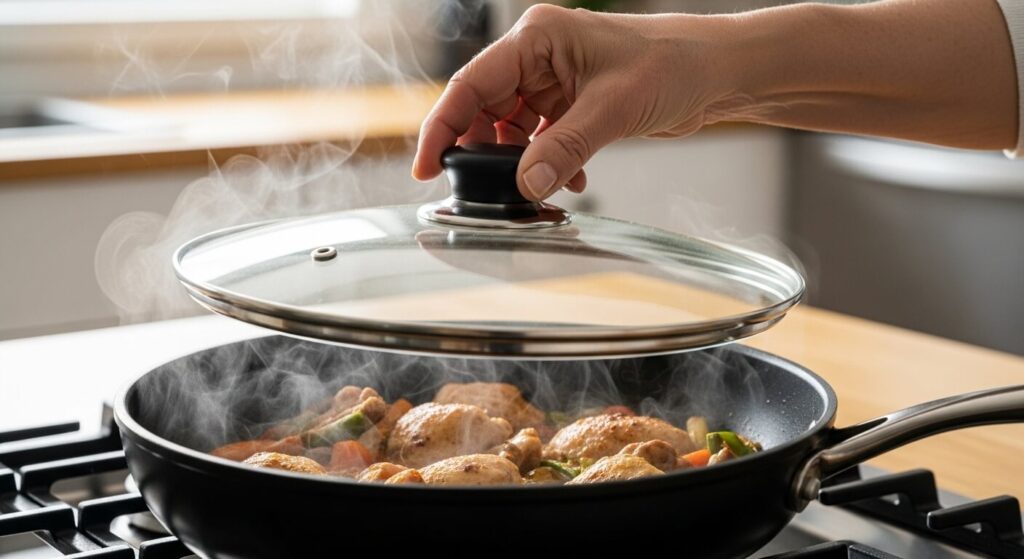
Covered Versus Uncovered Cooking

Moisture Retention Benefits

Lids trap moisture. This prevents food from drying out, which means you need less added fat to keep things tender.

Less fat = fewer calories, but you’re still getting the anti-inflammatory benefits of the foods themselves.

Vitamin Preservation

Some vitamins (especially B vitamins and vitamin C) leach into cooking water. Covered cooking reduces water loss, keeping vitamins in the food.

Not a huge difference, but it adds up over time.

Texture Considerations

Covered cooking creates softer textures (steaming effect). Uncovered creates crispier surfaces (evaporation and browning).

Choose based on what you’re making—proteins often benefit from covered cooking, vegetables sometimes do better uncovered if you want caramelization.

When to Use Lids

Use lids for: chicken breasts (stay juicy), fish (prevents drying), braising (tenderizes). Don’t use lids for: getting crispy skin, reducing sauces, achieving browning.

Strategic lid use improves results.

Meal Planning with Anti-Inflammatory Skillet Recipes

Meal planning for anti-inflammatory cooking focuses on fish two to three times weekly, rotating plant-based and poultry meals, batch cooking on high-energy days, and organizing shopping lists around seasonal anti-inflammatory ingredients to maintain arthritis-fighting nutrition consistently.

Weekly Menu Templates

Monday Through Friday Simple Plan

  • Monday: Salmon and vegetables
  • Tuesday: Turmeric chicken skillet
  • Wednesday: Chickpea spinach skillet
  • Thursday: Shrimp and cauliflower rice
  • Friday: Turkey and vegetable stir-fry

Simple rotation that covers all protein types and provides varied anti-inflammatory compounds.

Variety and Rotation Strategy

Don’t eat the same thing every day—different foods provide different anti-inflammatory compounds. Rotating proteins and vegetables ensures comprehensive coverage.

But don’t overcomplicate either. Five to seven go-to recipes is plenty.

Shopping List Organization

Organize by store section: proteins, vegetables, pantry staples, spices. This prevents forgotten items and reduces shopping time.

Pre-made list on your phone makes shopping with arthritis easier (less writing).

Prep Day Efficiency

Sunday prep: wash and chop vegetables, portion proteins, cook grains. Store everything in containers.

Weeknight cooking becomes assembly rather than full prep—saves energy and ensures you eat well even on high-pain days.

Batch Cooking Strategies

Preparing Multiple Servings

Cook four to six servings of each recipe. Eat one immediately, refrigerate or freeze the rest.

This turns one cooking session into multiple meals—huge time and energy savings.

Proper Storage Methods

Glass containers with tight lids. Cool food before refrigerating (prevents bacterial growth). Label with date.

Refrigerate 3-4 days max. Freeze up to 3 months.

Safe Reheating Techniques

Reheat to 165°F internal temperature. Add splash of water or broth to prevent drying.

Microwave on 70% power or oven at 300°F works better than full power/high heat, which dries food out.

Maintaining Quality and Taste

Some foods freeze better than others. Salmon can get dry. Soups and stews freeze great. Cooked quinoa freezes fine. Use frozen meals within 2-3 months for best quality.

Balancing Proteins Throughout the Week

Fish Two to Three Times Weekly

This is the target for omega-3 intake. Two servings minimum provides about 3-4 grams omega-3s weekly—the therapeutic range for inflammation reduction.

More is fine if you enjoy fish.

Poultry Options

Chicken or turkey two to three times weekly. Lean protein, versatile, affordable.

Mix up preparation methods—turmeric chicken, Mediterranean chicken, ginger chicken—so it doesn’t get boring.

Plant-Based Meal Frequency

One to two plant-based meals weekly provides variety and adds different anti-inflammatory compounds (fiber, different antioxidants).

You don’t need to be vegetarian to benefit from occasional plant-based meals.

Red Meat Limitations

Once weekly max. Red meat contains arachidonic acid, which promotes inflammation in excess.

Small amounts are fine—excess amounts worsen arthritis symptoms.

Incorporating Seasonal Vegetables

Spring and Summer Produce

Asparagus, peas, tomatoes, zucchini, bell peppers. Peak nutrition and flavor when in season.

Also cheaper—buy what’s abundant.

Fall and Winter Options

Broccoli, cauliflower, Brussels sprouts, kale, sweet potatoes. Cruciferous vegetables are peak anti-inflammatory foods.

Hearty vegetables for heartier meals in cold weather.

Fresh Versus Frozen Nutrition

Frozen vegetables are flash-frozen at peak ripeness—nutrient content equals or exceeds “fresh” that’s been sitting for a week.

Don’t feel guilty about frozen. It’s legitimate nutrition.

Cost-Effective Shopping

Seasonal produce costs 30-50% less than out-of-season. Your wallet and your joints benefit from seasonal eating.

Shopping Guide for Anti-Inflammatory Ingredients

Shopping for anti-inflammatory ingredients prioritizes wild-caught fish over farmed, organic produce for the “Dirty Dozen” items, fresh spices in small quantities, and high-quality extra virgin olive oil in dark bottles to ensure maximum anti-inflammatory compound content.

Selecting Fresh Fish and Seafood

Wild-Caught Versus Farmed

Wild-caught salmon has more omega-3s (30-40% more typically) and fewer contaminants than farmed. But farmed is still way better than no salmon.

If wild-caught is too expensive, buy farmed. Don’t skip fish entirely due to cost.

Freshness Indicators

Clear eyes (if whole fish). Firm flesh that springs back when pressed. Ocean smell, not fishy smell. Shiny appearance.

If it smells strongly fishy, it’s old. Pass.

Mercury Considerations for Seniors

Salmon, sardines, anchovies are low-mercury. Tuna and swordfish are higher-mercury—limit to once monthly.

Mercury toxicity is cumulative and worse for seniors with compromised kidney function.

Budget-Friendly Options

Canned salmon and sardines deliver omega-3s at fraction of fresh fish cost. Frozen fish fillets work fine. Look for sales on fresh fish and freeze it yourself.

Choosing Quality Produce

Organic Versus Conventional

The “Dirty Dozen” (strawberries, spinach, kale, apples, grapes, etc.) have highest pesticide residues—buy organic if budget allows. “Clean Fifteen” (avocados, onions, cabbage, etc.) are fine conventional.

If buying all organic is too expensive, prioritize the Dirty Dozen.

Frozen Vegetable Benefits

Flash-frozen at peak ripeness. Often more nutritious than “fresh” that’s been transported and sitting for days.

Plus they’re pre-washed and pre-chopped—huge convenience for arthritic hands.

Pre-Washed and Pre-Cut Convenience

Costs 30-50% more. Worth it if the alternative is not eating vegetables because prep is too painful.

Don’t feel guilty about convenience items when you have arthritis.

Seasonal Shopping Savings

In-season produce costs less and tastes better. Buy what’s abundant and plan meals around it.

Farmers markets often have better prices than supermarkets for seasonal items.

Spice and Herb Selection

Fresh Versus Dried Comparison

Fresh herbs are 3x more potent than dried (use more fresh to get equivalent flavor). Fresh ginger and turmeric are way more potent than powdered.

Buy fresh when you’ll use it quickly. Dried is fine for longer storage.

Quality Indicators

Vibrant color. Strong aroma when opened. Not clumped or caked (indicates moisture exposure). Check expiration dates.

Cheap spices often have fillers or are old—they don’t deliver flavor or benefits.

Buying in Appropriate Quantities

Spices lose potency after 6-12 months. Buy small quantities you’ll use within that timeframe.

Bulk bin spices from health food stores let you buy exact amounts needed.

Proper Storage Methods

Airtight containers. Dark location (light degrades spices). Cool temperature. Away from stove (heat damages them).

Healthy Oil Purchasing

Extra Virgin Olive Oil Quality

Look for: harvest date within last year, dark bottle, “extra virgin” designation, single-origin (Italy, Spain, Greece, California).

Real EVOO should have peppery, slightly bitter taste. Smooth, mild oil might be fake or old.

Cold-Pressed Options

Cold-pressed means extracted without heat—preserves more beneficial compounds. Most quality EVOO is cold-pressed.

Check labels. Worth the premium for health benefits.

Dark Bottle Protection

Clear bottles let light in, which oxidizes oil. Dark glass or tin containers protect oil better.

Transfer clear-bottle oil to dark container at home if necessary.

Expiration Date Awareness

Olive oil doesn’t improve with age. Use within 12-18 months of harvest, 6-9 months after opening.

Old oil loses beneficial compounds and can become inflammatory.

Adapting Recipes for Special Dietary Needs

Anti-inflammatory recipes adapt easily for special dietary needs by using salt-free seasoning blends, controlling portions and carb counts for diabetes, substituting naturally gluten-free ingredients, and replacing dairy with plant-based alternatives that maintain anti-inflammatory properties.

Low-Sodium Modifications

Salt-Free Seasoning Alternatives

Mrs. Dash and similar blends. Or make your own: garlic powder, onion powder, herbs, black pepper, lemon zest, nutritional yeast.

Flavor without sodium is absolutely possible.

Using Herbs and Spices

Fresh herbs, dried herbs, spices—all add flavor without salt. Lemon juice, vinegar, and tomatoes add acidity that brightens food similarly to salt.

Most people adapt to lower sodium within 2-3 weeks—your taste buds adjust.

Broth and Stock Selection

Regular broth has 700-900mg sodium per cup. Low-sodium versions have 140mg. Homemade has zero (or whatever you add).

Read labels. “Reduced sodium” isn’t the same as “low sodium.”

Flavor Without Sodium

Umami from mushrooms, nutritional yeast, tomatoes. Acid from citrus and vinegar. Heat from peppers. Aromatics from garlic and ginger.

Layer these elements and you won’t miss salt.

Diabetic-Friendly Adjustments

Blood Sugar Impact Considerations

Pair carbs with protein and fat to slow digestion—prevents blood sugar spikes. Choose low-glycemic carbs (quinoa, sweet potato, beans) over high-glycemic (white rice, white bread).

Portion Size Recommendations

Half-cup cooked grains per serving (not one cup). Focus on filling half your plate with non-starchy vegetables, quarter with protein, quarter with carbs.

Volume from vegetables prevents feeling deprived while controlling carb intake.

Carbohydrate Counting

Aim for 45-60 grams carbs per meal typically. Work with your doctor or dietitian for your specific target.

Track for a few weeks until you get a feel for appropriate portions.

Protein and Fiber Balance

High protein and high fiber both slow carb absorption and improve blood sugar control. Every meal should include both.

This naturally happens in anti-inflammatory meals—they’re inherently diabetic-friendly.

Gluten-Free Adaptations

Naturally Gluten-Free Ingredients

Meat, fish, eggs, vegetables, fruits, rice, quinoa, potatoes, beans, nuts. Most whole foods are naturally gluten-free.

Skillet recipes in this article are mostly naturally gluten-free already.

Safe Cross-Contamination Practices

If you have celiac disease: separate cutting board for gluten-free items, wash pans thoroughly, check all packaged items for gluten-containing ingredients.

For gluten sensitivity (not celiac), cross-contamination usually isn’t as critical.

Thickening Agent Alternatives

Cornstarch or arrowroot instead of flour. Or use pureed vegetables (cauliflower, potato) to thicken sauces.

Works just as well as flour.

Reading Labels Carefully

Gluten hides in soy sauce, some broths, spice blends, and processed foods. Read every label.

Or stick to whole, unprocessed ingredients where gluten naturally doesn’t exist.

Dairy-Free Options

Nutritional Yeast for Flavor

Nutritional yeast has cheesy, umami flavor. Sprinkle on vegetables, mix into sauces. B-vitamin bonus too.

Not everyone likes it at first—acquired taste for some.

Coconut Milk Alternatives

Full-fat coconut milk replaces cream in recipes. Light coconut milk or almond milk replaces regular milk.

Oat milk is creamy and neutral-flavored—works well in savory recipes.

Calcium Source Substitutions

If avoiding dairy for calcium concerns: dark leafy greens, canned salmon with bones, fortified plant milks, almonds.

Dairy isn’t the only calcium source, though it’s the most concentrated.

Creamy Texture Without Dairy

Pureed cauliflower, cashew cream (soaked cashews blended with water), coconut milk—all create creamy textures without dairy.

Don’t sacrifice satisfaction—these alternatives work well.

Budget-Friendly Anti-Inflammatory Cooking

Budget-friendly anti-inflammatory cooking uses affordable protein sources like canned fish and eggs, buys seasonal produce and frozen vegetables, stretches meals with beans and grains, and makes spice blends at home rather than buying expensive pre-mixed seasonings.

Affordable Protein Sources

Canned Salmon and Sardines

Canned salmon: $2-4 per can (about 2 servings). Wild-caught, omega-3 rich, shelf-stable.

Sardines even cheaper: $1-3 per can. Loaded with omega-3s, calcium from bones. Overlooked protein that delivers serious nutrition.

Eggs as Budget Protein

Dozen eggs: $3-5 typically. That’s 12 servings of high-quality complete protein.

Cheapest protein per gram available. Omega-3 enriched eggs add only $1-2 per dozen.

Dried Beans and Lentils

Dollar per pound or less. One pound dried beans makes 6-8 servings after cooking.

Ultimate budget protein. Fiber bonus. Anti-inflammatory bonus from plant compounds.

Chicken Thighs Versus Breasts

Thighs cost 30-40% less than breasts. More flavor, stay juicier, harder to overcook.

Only downside is slightly higher fat content—which isn’t really a downside for anti-inflammatory eating (healthy fats matter).

Economical Vegetable Choices

Seasonal Produce Savings

In-season vegetables cost half what out-of-season costs. Base your meal planning on what’s currently abundant.

August tomatoes: $1-2 per pound. February tomatoes: $4-5 per pound. Math is simple.

Frozen Vegetable Value

Frozen broccoli, spinach, mixed vegetables: $1-2 per pound. As nutritious as fresh, sometimes more so.

No waste from spoilage. Huge advantage for seniors living alone.

Buying in Bulk

Onions, potatoes, carrots in bulk bags cost less per pound. Store properly and they last weeks.

Bulk buying works if you’ll use it. Don’t buy 10 pounds of something you’ll only use half of.

Growing Simple Herbs

Basil, parsley, cilantro in pots on your windowsill. Costs $3-5 initially, produces for months.

Fresh herbs from the store cost $2-3 per bunch and last one week. Growing your own saves money fast.

Stretching Meals Further

Adding Grains and Legumes

Half-cup beans or quinoa added to meals increases volume without expensive ingredients. Turns 4 servings into 6.

Maintains nutrition while reducing cost per serving.

Using Vegetable Scraps

Broccoli stems (peel and dice them—they’re edible). Cauliflower leaves. Beet greens. Carrot tops.

Most vegetable scraps are edible and nutritious. Not using them is wasting food and money.

Portion Planning

Cook appropriate amounts—no more, no less. Food waste is money waste.

Americans waste 30-40% of food purchased. That’s literally throwing money away.

Leftover Integration

Monday’s roasted chicken becomes Tuesday’s chicken and vegetable skillet. Wednesday’s quinoa becomes Thursday’s breakfast bowl.

Strategic leftovers aren’t boring—they’re efficient.

DIY Versus Store-Bought

Making Your Own Spice Blends

Pre-mixed spice blends cost $5-8 per jar. Individual spices cost $3-5 and make multiple batches of blends.

DIY saves money and lets you control salt and quality.

Homemade Versus Pre-Made Sauces

Jarred sauces: $4-6 and often contain sugar, inflammatory oils, excess sodium. Homemade sauce: $2-3 in ingredients, no junk additives.

Plus homemade tastes better.

Bulk Buying Advantages

Buying spices, grains, nuts in bulk sections saves 30-50% versus packaged versions. Buy what you need, not pre-set package sizes.

Cost Per Serving Calculations

Calculate actual cost per serving, not package price. That $8 salmon might make 4 servings—$2 per serving. That $3 bag of chips makes 1.5 servings—$2 per serving.

Cost per serving reveals true value.

Tracking Arthritis Symptoms and Food Responses

Tracking arthritis symptoms through food and pain journals identifies personal trigger foods and beneficial patterns, typically showing measurable improvements in joint pain within 3-6 weeks of consistent anti-inflammatory eating, with full benefits emerging over 3-6 months.

Keeping a Food and Pain Journal

What to Record Daily

Date, foods eaten (with portions), pain levels (1-10 scale), stiffness duration, medication taken, energy levels, mood.

Comprehensive tracking reveals patterns you’d miss otherwise.

Identifying Trigger Foods

Some people react badly to nightshades (tomatoes, peppers, eggplant). Others to dairy or gluten. You won’t know until you track.

If pain spikes consistently after eating specific foods, you’ve found a trigger.

Recognizing Beneficial Patterns

“I ate salmon Tuesday and Wednesday, pain dropped Thursday” type observations. These patterns prove what’s working for your body specifically.

Everyone’s slightly different—find your patterns.

Sharing Data with Healthcare Providers

Bring your journal to appointments. Concrete data helps doctors adjust treatment plans effectively.

Doctors appreciate patients who track objectively—it makes their job easier.

Measuring Inflammation Changes

Joint Stiffness Tracking

Morning stiffness duration: how many minutes until you can move normally? Track this daily.

Reduction from 60 minutes to 20 minutes is significant improvement—document it.

Pain Level Monitoring

Rate pain 1-10 at same time each day (morning is most consistent). Graph it weekly to see trends.

Daily variations are normal. Weekly trends show real changes.

Mobility Improvements

Can you open jars easier? Walk further without pain? Climb stairs without holding the railing?

Functional improvements matter more than numbers on a scale.

Medication Adjustments

Are you taking fewer pain pills? Lower NSAID doses? Discuss any med changes with your doctor, but reduced medication needs indicate real improvement.

Timeline for Dietary Impact

Immediate Versus Long-Term Effects

Some people feel better within days. Most need 3-6 weeks for noticeable improvement. Maximum benefits take 3-6 months.

Be patient. You’re healing inflammation, not just masking pain.

Patience with Dietary Changes

Medication works in hours or days. Food changes work in weeks to months. Different mechanisms, different timelines.

Don’t give up after two weeks. Give it eight weeks minimum.

Realistic Expectations

Anti-inflammatory eating reduces pain, improves mobility, slows disease progression. It doesn’t cure arthritis or eliminate it completely.

Significant improvement, not miracles. That’s still worth pursuing.

When to Seek Professional Guidance

If you see zero improvement after 3 months of strict anti-inflammatory eating, consult a dietitian or rheumatologist. There might be other factors at play.

Working with Dietitians and Doctors

Communicating Dietary Changes

Tell your doctor you’re implementing anti-inflammatory diet. Bring your food journal. Ask if it affects any medications or conditions.

Medical team should know about all interventions, including dietary.

Professional Meal Plan Development

Registered dietitians can create personalized meal plans considering your specific arthritis type, other health conditions, food preferences, and budget.

Insurance sometimes covers dietitian visits—check your benefits.

Supplement Considerations

Fish oil, curcumin, ginger supplements can complement dietary changes. But get doctor approval—they can interact with medications.

Food first, supplements second as needed.

Monitoring Overall Health Markers

Blood tests showing C-reactive protein (CRP), erythrocyte sedimentation rate (ESR), and other inflammation markers can objectively show improvement.

Request these tests before starting anti-inflammatory eating, then retest after 3-6 months.

Kitchen Setup for Easier Anti-Inflammatory Cooking

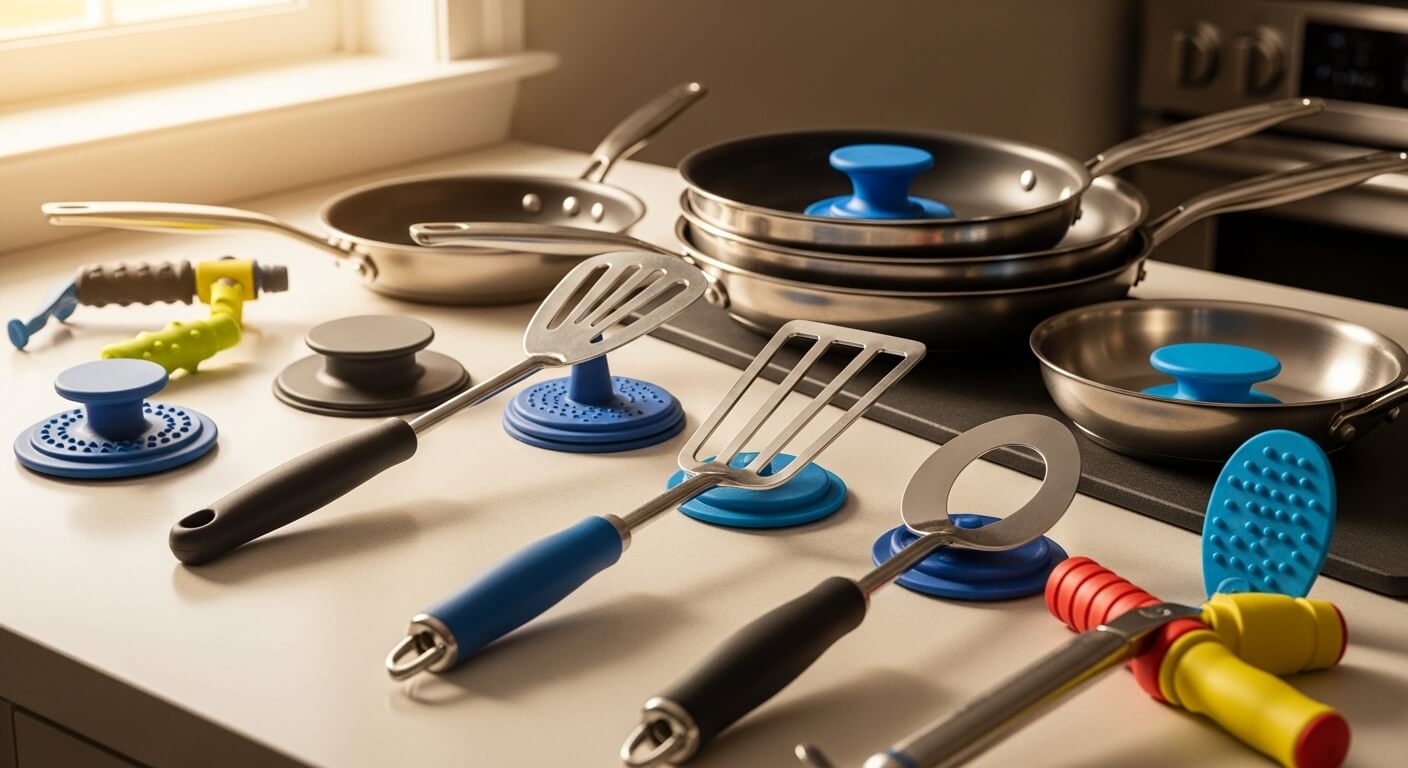
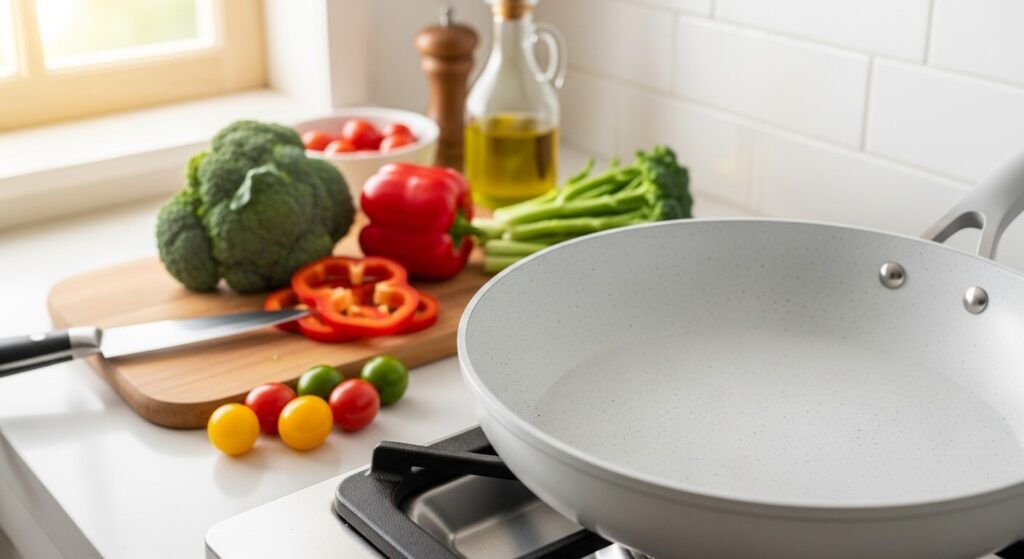
An arthritis-friendly kitchen setup uses lightweight nonstick skillets with ergonomic handles, sharp knives with comfortable grips, jar openers and easy-measuring tools, and organized storage that keeps anti-inflammatory spices and ingredients within easy reach.

Essential Lightweight Cookware

Best Skillets for Arthritis

Hard-anodized aluminum (2-3 pounds for 12-inch), carbon steel (3-4 pounds), tri-ply stainless (3.5-4.5 pounds). All way lighter than cast iron (7-8 pounds).

Weight matters enormously for arthritic hands and wrists.

Ergonomic Handle Features

Long handles (8-10 inches) for better leverage. Helper handle opposite main handle for two-handed lifting. Silicone or stay-cool covering so you don’t need pot holders.

Test handle comfort before buying—everyone’s hands are different.

Nonstick Versus Other Surfaces

Nonstick requires less oil and makes cleanup easier—both good for arthritis. Modern nonstick (PTFE-free options) is safe when not overheated.

Carbon steel develops natural nonstick with seasoning. Stainless steel doesn’t pretend to be nonstick but cleans easily in dishwasher.

Size Recommendations

Ten-inch skillet for one to two people. Twelve-inch for two to four people. Larger than that gets heavy even in lightweight materials.

Buy size you’ll actually use.

Helpful Kitchen Tools

Sharp Knives with Good Grips

Dull knives require more pressure—harder on arthritic hands. Sharp knives cut with minimal force.

Ergonomic handles (thicker, contoured) distribute pressure better than thin straight handles.

Easy-to-Use Measuring Tools

Measuring cups with large loops (not tiny handles). Adjustable measuring cups (one tool does multiple measurements). Pre-portioned containers.

Anything that reduces fine motor movements helps.

Jar Openers and Can Openers

Rubber grip pads for jars. Under-cabinet jar openers. Electric can openers.

These adaptive tools cost $10-30 and eliminate one of the most frustrating kitchen tasks for arthritis.

Food Processors for Prep

Chopping vegetables with a knife stresses arthritic hands. Food processor does it in seconds.

Worth the investment and counter space if chopping is painful.

Storage Solutions

Accessible Spice Organization

Counter-level spice rack—not upper cabinet where you need to reach. Drawer organizers work too.

Frequently-used spices (turmeric, ginger, garlic powder) in prime positions.

Refrigerator and Freezer Setup

Most-used items at eye level. Heavy items on lower shelves (easier to lift from below than above). Clear containers so you see contents without lifting them.

Pantry Arrangement

Shelf at waist height for frequently-used items. Step stool nearby for higher shelves. Lazy Susan for items in back.

Organization reduces physical strain of finding things.

Pre-Portioned Ingredient Storage

Pre-measure spice blends into small containers. Pre-portion proteins and freeze individually. Prep and container vegetables Sunday for the week.

Reduces daily hand work.

Time-Saving Appliances

Instant Pot Skillet Function

Electric pressure cookers with sauté modes let you brown ingredients then pressure cook in same pot. Less dish-washing, hands-off cooking.

Useful for tougher cuts that benefit from pressure cooking.

Air Fryer Complement

Air fryer creates crispy textures without pan-handling. Load basket, set timer, done.

Complements skillet cooking—use both based on what you’re making.

Slow Cooker Integration

Brown ingredients in skillet (5-10 minutes), transfer to slow cooker, forget about it for 6-8 hours. Minimal active cooking time.

Blender for Sauces

Making smooth sauces by hand requires whisking—hard on wrists. Blender does it in 30 seconds.

Also useful for smoothies if you want omega-3 and turmeric in liquid form.

Evidence-Based Benefits of Anti-Inflammatory Eating

Research shows Mediterranean-style anti-inflammatory diets reduce arthritis pain by 20-40% within 3-6 months, with omega-3 supplementation providing additional measurable improvements in joint tenderness and morning stiffness comparable to low-dose NSAIDs.

Research on Diet and Arthritis

Mediterranean Diet Studies

Multiple studies show Mediterranean diet (high in fish, olive oil, vegetables, whole grains) reduces inflammatory markers and improves arthritis symptoms in 60-70% of participants.

Not everyone responds equally, but majority see benefits.

Omega-3 Clinical Trials

Meta-analysis of 17 randomized controlled trials: omega-3 supplementation significantly reduced joint pain intensity and morning stiffness compared to placebo.

Effects modest but consistent across studies.

Curcumin Research Findings

Studies comparing curcumin to NSAIDs found similar pain reduction and improved function—with fewer gastrointestinal side effects than drugs.

Effective dose: 500-1000mg curcumin daily (roughly quarter to half-teaspoon turmeric with black pepper).

Anti-Inflammatory Food Meta-Analyses

Systematic reviews conclude that anti-inflammatory dietary patterns (high in omega-3s, antioxidants, fiber) consistently associate with reduced arthritis symptoms and slower disease progression.

Evidence is solid. This isn’t alternative medicine—it’s evidence-based nutrition.

Expected Results and Timeframes

First Month Changes

Reduced bloating, better digestion, possibly slight pain reduction. Early changes, not dramatic yet.

Some people feel significantly better within two weeks. Others need longer.

Three to Six Month Improvements

This is when most people notice clear improvement: reduced morning stiffness, less pain, better mobility, possibly reduced medication needs.

Give it this long before judging effectiveness.

Long-Term Arthritis Management

After six months to a year, anti-inflammatory eating becomes automatic. Benefits continue accumulating—slower disease progression, maintained function, better quality of life.

This is lifestyle change, not temporary diet.

Complementing Medical Treatment

Anti-inflammatory eating works alongside medications, not instead of them. Combined approach delivers best results.

Don’t stop medications without doctor approval. Add diet improvements to your existing treatment.

Beyond Joint Pain Relief

Cardiovascular Benefits

Anti-inflammatory diet (Mediterranean-style) reduces heart disease risk by 30-40%. Arthritis and heart disease often occur together—diet helps both.

Omega-3s, olive oil, vegetables—all support heart health.

Brain Health Improvements

Same diet that reduces arthritis inflammation also reduces dementia risk. Omega-3s support cognitive function. Antioxidants protect brain cells.

You’re eating for multiple benefits simultaneously.

Weight Management Support

Anti-inflammatory foods tend to be filling (high protein, high fiber) without excess calories. Weight loss reduces joint stress—every pound lost removes four pounds of pressure from knees.

Diet helps arthritis directly (reducing inflammation) and indirectly (promoting weight loss).

Overall Quality of Life

Less pain. Better mobility. More energy. Ability to do activities you enjoy. These matter more than lab values.

Quality of life improvements are the real goal.

Individual Variation in Response

Genetic Factors

Some people are genetically better converters of ALA to EPA/DHA. Others need preformed omega-3s from fish. Genetic variations affect nutrient metabolism.

This explains why not everyone responds identically to same diet.

Arthritis Type Differences

Rheumatoid arthritis (autoimmune) might respond differently than osteoarthritis (wear-and-tear). Both benefit from anti-inflammatory eating but through different mechanisms.

Medication Interactions

Some medications affect nutrient absorption or metabolism. Fish oil can thin blood (interacts with warfarin). Turmeric affects some liver enzymes.

Inform your doctor about dietary supplements and significant diet changes.

Personalized Approach Importance

Track your individual response. What works for your friend might not work identically for you. Find your optimal combination of anti-inflammatory foods.

Building Sustainable Eating Habits

Sustainable anti-inflammatory eating habits develop through gradual weekly recipe additions, focusing on flavor and variety to prevent boredom, tracking improvements to maintain motivation, and integrating arthritis-fighting foods as default choices rather than temporary dietary restrictions.

Making Gradual Changes

One New Recipe Per Week

Don’t overhaul everything Monday. Add one anti-inflammatory recipe per week. Build slowly.

Twelve weeks = twelve new recipes = complete rotation of meals. Manageable pace.

Replacing Inflammatory Foods Slowly

Week one: replace soybean oil with olive oil. Week two: swap white rice for quinoa. Week three: add salmon twice weekly.

Gradual replacement feels less restrictive than wholesale elimination.

Building Cooking Confidence

Start with easiest recipes (salmon and vegetables, eggs and spinach). Master these. Then try more complex ones.

Confidence comes from repeated success, not from attempting complicated recipes immediately.

Avoiding Overwhelm

Too much change too fast leads to quitting. Better to make three permanent changes than attempt twenty changes that last two weeks.

Sustainable beats perfect.

Creating Enjoyable Meals

Flavor First Approach

If food tastes good, you’ll eat it. Anti-inflammatory food can be absolutely delicious—use herbs, spices, good olive oil, lemon.

Don’t suffer through bland food. Season well.

Variety to Prevent Boredom

Rotate through different proteins, different vegetables, different spices. Same salmon recipe every week gets old fast.

Five salmon recipes in rotation stays interesting.

Social Eating Opportunities

Cook anti-inflammatory meals for family or friends. Make it social, not isolating.

Food is social glue—don’t disconnect from that by eating separately.

Treating Food as Medicine and Pleasure

Both are true simultaneously. Food reduces inflammation (medicine) and should taste good (pleasure). These aren’t opposing goals.

Maintaining Motivation

Tracking Positive Changes

Keep your food and pain journal. Review monthly. See the improvements objectively documented.

When you doubt whether it’s working, your journal proves it is.

Celebrating Small Wins

Pain reduced from 7 to 5? Celebrate that. Climbed stairs without holding railing? That’s success.

Don’t wait for perfection to acknowledge progress.

Connecting with Support Groups

Online groups for arthritis, anti-inflammatory cooking communities, local senior centers. Connect with people pursuing similar goals.

Support makes adherence easier.

Remembering Why It Matters

You’re eating this way to reduce pain, maintain mobility, preserve independence, improve quality of life. Those reasons don’t go away—keep them front of mind.

Long-Term Lifestyle Integration

Making Anti-Inflammatory Default

Eventually this becomes how you eat, not a special diet you’re on. Anti-inflammatory choices become automatic.

That’s when it’s truly sustainable—when it’s effortless.

Occasional Flexibility

Eighty percent adherence delivers most benefits. Perfect isn’t necessary. Have birthday cake. Eat restaurant food sometimes.

Rigidity breaks adherence. Flexibility maintains it long-term.

Teaching Skills to Family

Share recipes with family. Cook together. Pass along knowledge. This creates support system and potentially helps others with inflammation too.

Continuing Education on Nutrition

Stay current on arthritis nutrition research. Read articles. Try new anti-inflammatory ingredients. Keep learning.

Knowledge empowers better choices and maintains engagement.

Previous Post
How Cooking in Cast Iron Helps Seniors with Arthritis Meet Their Daily Iron Needs
Seniors

How Cooking in Cast Iron Helps Seniors with Arthritis Meet Their Daily Iron Needs

Next Post
Low-Impact Searing How Seniors Enjoy Cast Iron Flavor Despite Arthritis
Seniors

Low-Impact Searing: How Seniors Enjoy Cast Iron Flavor Despite Arthritis

error: Content is protected !!