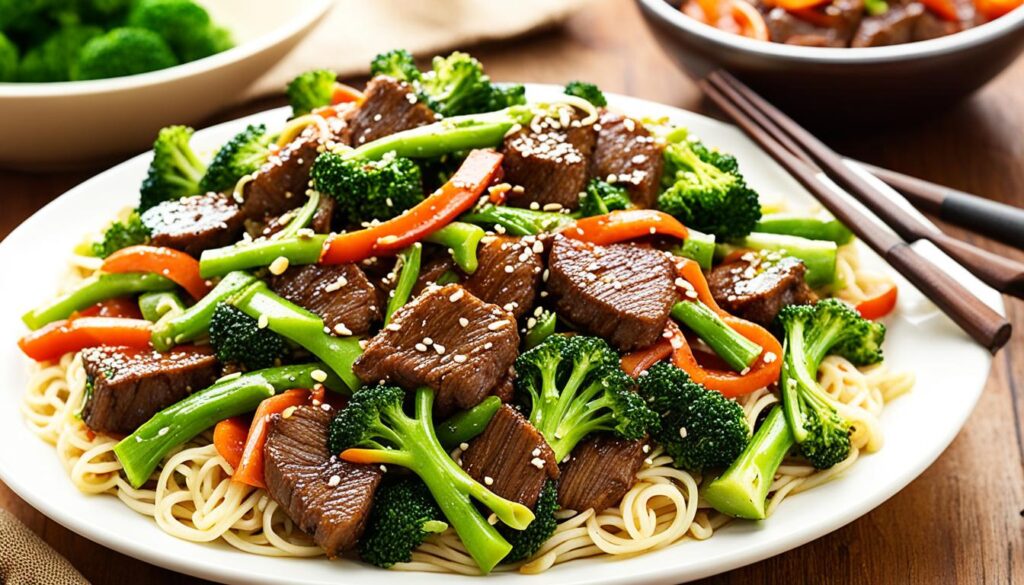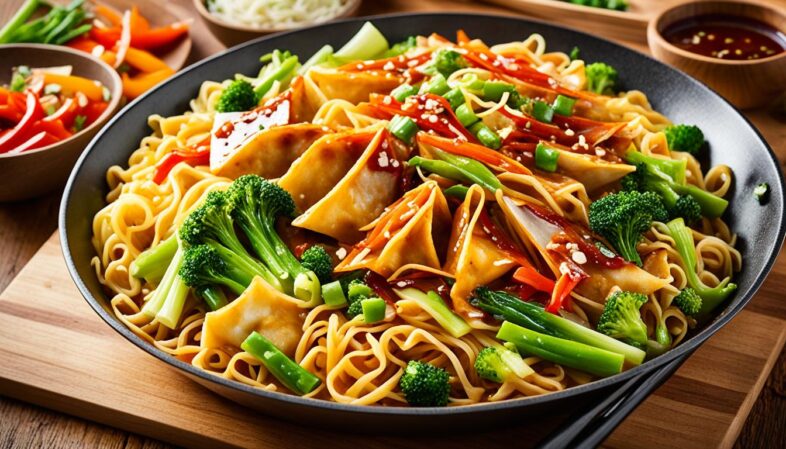
Stir fry wonton noodles are a 20-minute weeknight meal — chewy egg noodles, high heat, a savory sauce that clings to everything — and they genuinely beat most takeout I’ve had in years.
I started making this after one particularly bad delivery experience. Cold noodles, watery sauce, vegetables that had clearly been sitting in a steam table for an hour. My wife looked at the container, looked at me, and said nothing. Which said everything. That was about four years ago. We haven’t ordered wonton noodle stir fry since.
My sons call this dish “the noodle thing.” I’ve tried to give it a better name. It’s been “the noodle thing” for four years and I’ve accepted that it will always be “the noodle thing.”
Getting Started with Stir Fry Wonton Noodles
Stir fry wonton noodles work because of one principle: everything gets prepped before the pan gets hot, and once cooking starts, it moves fast.
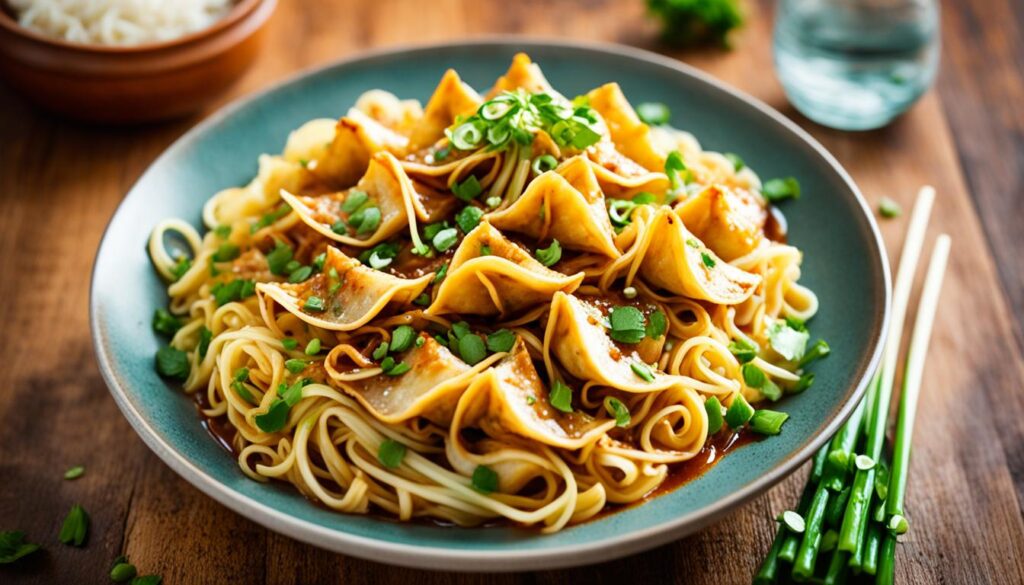
This is where most people go wrong. They start cooking, then realize the sauce isn’t mixed. Or the noodles aren’t cooked yet. Or the garlic is sitting unminced on the cutting board while the protein is already burning. Stir fry doesn’t wait. It runs on high heat and it runs fast, and if you’re not ready when it starts, the whole thing falls apart.
Stir fry techniques that actually matter — and there aren’t many — mostly come down to prep and heat. Have your sauce mixed. Have your noodles cooked and drained. Have your protein sliced and marinating. Have your vegetables cut and sitting in bowls next to the stove within arm’s reach. Then and only then does the pan go on.
Actual cooking time is eight minutes. Maybe ten. The other fifteen minutes is prep.
According to the USDA FoodData Central, wheat-based wonton noodles provide a solid base of complex carbohydrates and moderate protein per serving — which means paired with lean protein and vegetables, this dish covers most of what a complete meal needs.
Also — and I can’t stress this enough — read the whole recipe before you start. Every single time. Even if you’ve made it before. There’s always one step you’ll forget until it’s too late.
The recipe for stir fry wonton noodles follows the same principles as any good stir fry: high heat, small batches, sauce at the end.
Essential Ingredients for Stir Fry Wonton Noodles
Fresh wonton noodles, oyster sauce, soy sauce, sesame oil, garlic, and ginger are the backbone of this dish — get those right and everything else is flexible.
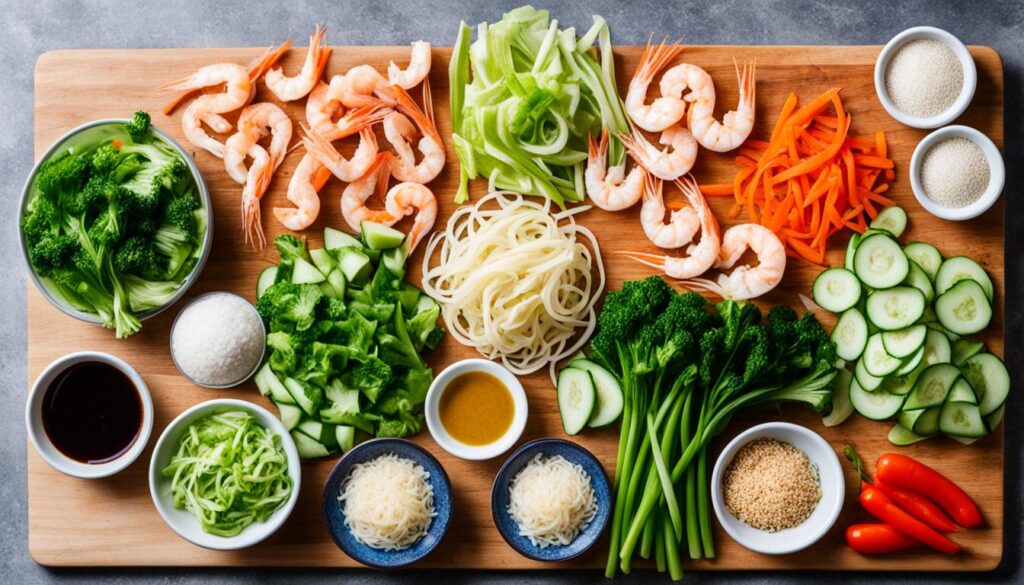
The ingredient that makes the biggest difference — and the one most home cooks skip — is oyster sauce. Soy sauce alone gives you salty. Oyster sauce gives you glossy, savory, and deep in a way that’s hard to describe but immediately obvious when it’s missing. Don’t substitute it. Don’t skip it. It’s worth having in the pantry.
What you need:
- Fresh wonton noodles — refrigerated section at Asian grocery stores. Look for them near the tofu and dumpling wrappers.
- Soy sauce — regular or low-sodium depending on your preference
- Oyster sauce — non-negotiable, as I just mentioned
- Dark soy sauce — adds color and a richer, slightly molasses-forward flavor. Not essential but worth having.
- Sesame oil — added to the sauce or drizzled at the end, never used for cooking
- Fresh garlic and ginger — jarred ginger exists, jarred garlic exists, they both produce a noticeably flatter result
- Neutral high-smoke-point oil — vegetable, peanut, or avocado. Not olive oil. Olive oil burns at stir fry temperatures and turns bitter.
- Green onions — more than garnish, they add a fresh bite that the cooked ingredients can’t provide
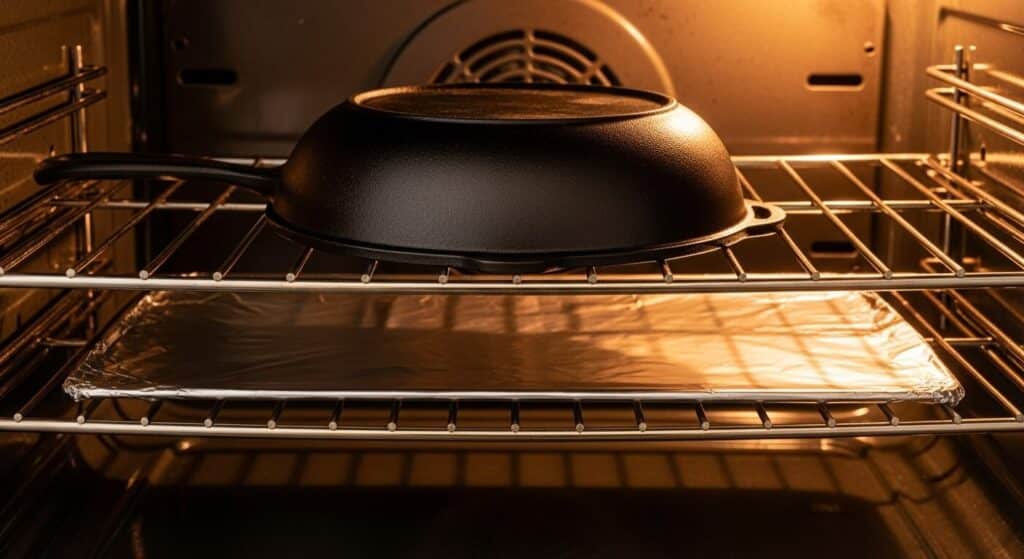
The cast iron skillet handles stir fry well when preheated properly. Same principle as browning ground beef — thermal mass holds the temperature when ingredients hit the surface.
Choosing the Right Noodles for Your Stir Fry
Fresh wonton noodles are the right choice — thin, egg-based, slightly bouncy — and they hold their texture under high heat better than most substitutes.
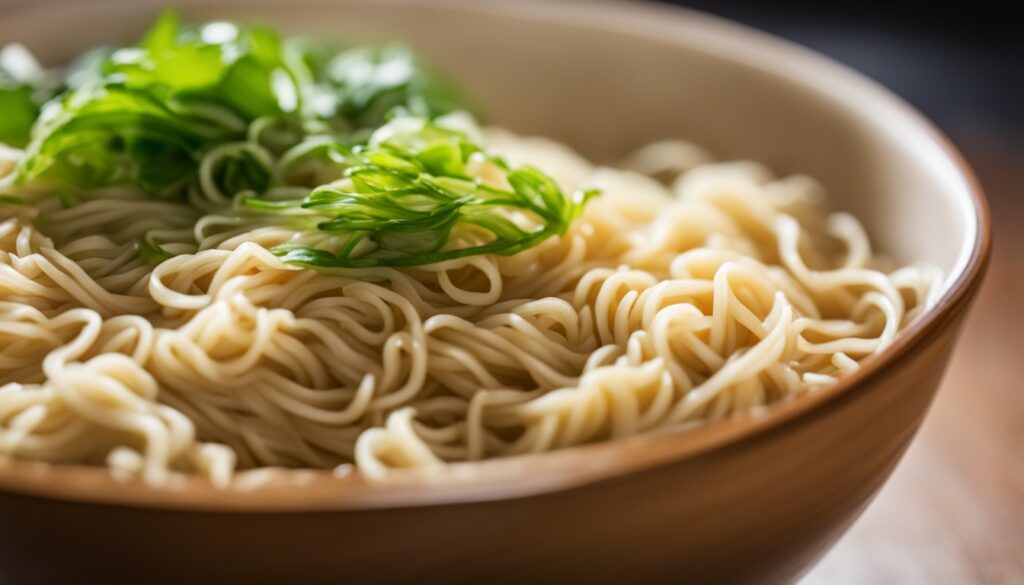
That’s the ideal. But I live in a mid-sized city where fresh wonton noodles require a specific trip to a specific store, and sometimes that trip doesn’t happen. So here’s how the substitutes actually perform in practice, from someone who has used all of them:
Fresh ramen noodles are a very close second. Similar texture, slightly thicker. Barely noticeable difference in the final dish.
Lo mein noodles — chewier, heartier, changes the character of the dish more than you’d expect. Still good. Just different.
Dried egg noodles — cook them to about 90% done, rinse with cold water, toss with a little oil. They’ll finish in the pan. Fully cooked dried noodles that get stir fried go soft and start sticking together.
Rice noodles — technically a completely different dish. But a good one. Just don’t call it wonton noodles.
Whatever you’re using, the technique that matters most is this: cook the noodles slightly underdone, rinse them with cold water immediately after draining, and toss them with a small drizzle of oil. Cold water stops the cooking. The oil keeps them from clumping into a solid block while you finish prepping everything else.
Skip this step and you’ll be pulling noodle clumps apart with two forks while the pan smokes. I know because I’ve done it.
A hot skillet finishes the noodles in the last 90 seconds of cooking anyway — that’s where they pick up the slight char and toasted flavor that makes this dish taste like something you’d order at a restaurant.
The Perfect Stir Fry Sauce: Balancing Flavors
The perfect stir fry sauce for wonton noodles tastes aggressively salty and savory when you mix it raw — that’s correct, it dilutes when it hits the noodles.
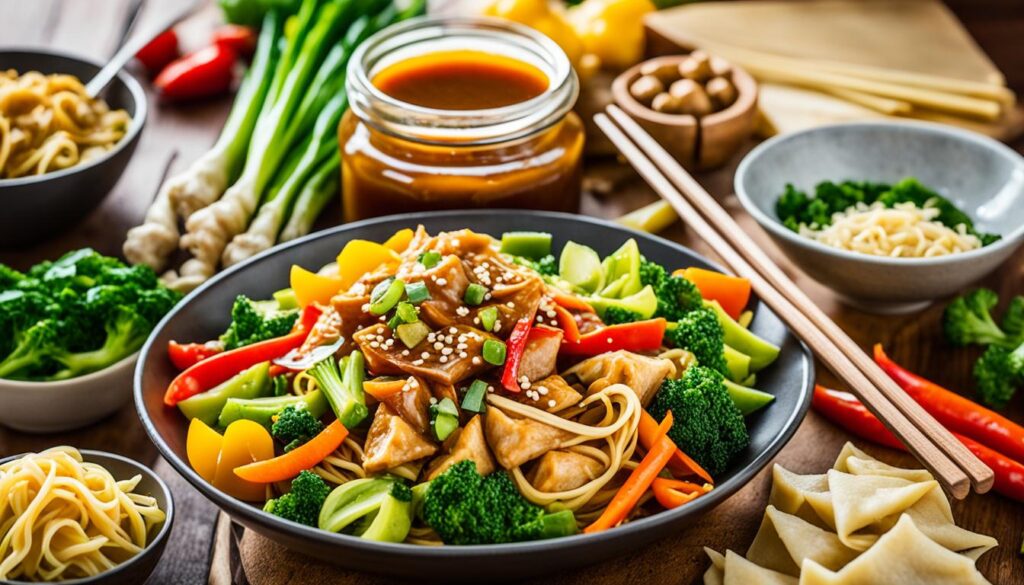
This is the version I’ve landed on after a lot of adjustments. The ratios below are for four servings — don’t eyeball this. Sauce is the one part of stir fry where precision matters.
The sauce:
- 3 tablespoons soy sauce
- 2 tablespoons oyster sauce
- 1 tablespoon dark soy sauce (or substitute regular soy if you don’t have it)
- 1 teaspoon sesame oil
- 1 teaspoon sugar
- 1/2 teaspoon white pepper
- 1 tablespoon cornstarch stirred into 2 tablespoons cold water
That cornstarch slurry. It’s the thing. When the sauce hits the hot pan, the cornstarch thickens it in seconds and makes it cling to every noodle and vegetable instead of pooling at the bottom of the pan. A stir fry without the cornstarch slurry is wetter and flatter-tasting. The difference is obvious.
Mix everything in a small bowl and set it right next to the stove. The electric skillet or cast iron will be very hot when the sauce goes in — you need it ready to pour immediately, not sitting across the kitchen while you stir and measure.
Taste the raw sauce. Should taste like too much. Saltier than seems right. That’s correct — trust it.
Protein Options for Your Stir Fry Wonton Noodles
Chicken thighs, shrimp, beef, pork, or tofu all work in stir fry wonton noodles — the protein you choose changes the dish more than almost any other variable.
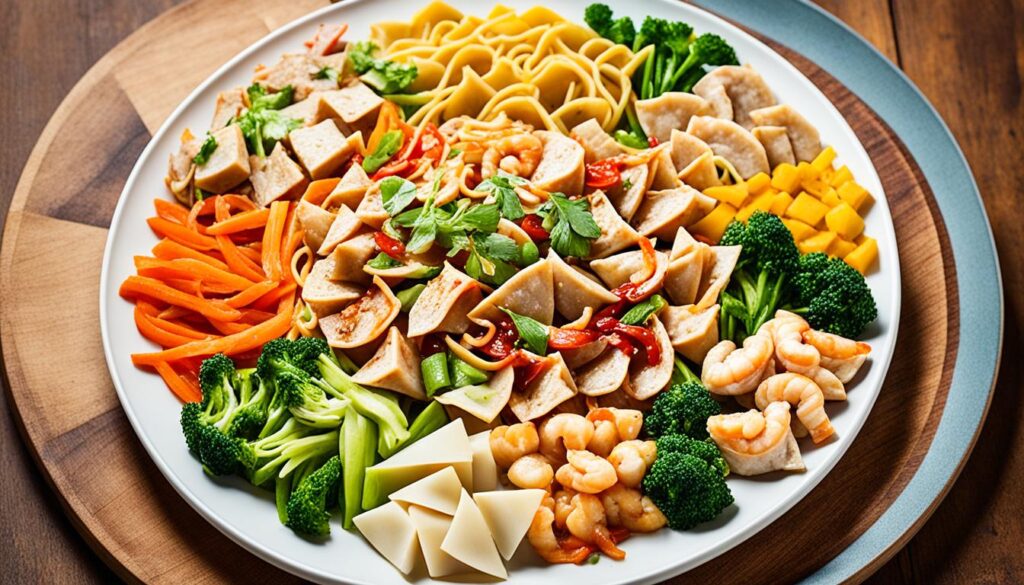
My default is chicken thighs. Not breast meat — thighs. Thighs have enough fat that they don’t dry out when the heat spikes, which it always does in a stir fry. They also develop better color in the pan. Slice them thin across the grain.
The rest of the options, honestly ranked:
Shrimp — fast and easy but unforgiving. Two minutes in the pan, maybe less. Pull them the second they curl into a C shape and go opaque pink. Thirty seconds past that and they’re rubber.
Flank or skirt steak — the best version of this dish, in my opinion. Needs to be sliced paper-thin against the grain and cooked over very high heat very fast. Get it right and it’s incredible. Get it wrong and it’s chewy.
Pork tenderloin — similar to chicken thighs in terms of forgiveness and flavor. Good choice.
Extra-firm tofu — has to be pressed dry and pan-fried separately until golden before it joins the noodles. Add it at the very end or it’ll break apart from all the tossing.
The National Institutes of Health notes that chicken delivers essential amino acids, B vitamins, and minerals in a relatively low-calorie package — which is part of why it’s become the default protein in so many weeknight dishes like this one.

One technique regardless of which protein you choose: marinate it for at least 15 minutes in soy sauce, a pinch of cornstarch, and a splash of neutral oil. The cornstarch creates a thin coating that protects the protein in the high heat and gives it a slightly velvety texture. Chinese restaurants call this velveting. It works.
Vegetable Additions to Enhance Your Dish
The best vegetables for stir fry wonton noodles cook fast, hold their texture, and add color — bok choy, bean sprouts, carrots, and mushrooms are the ones I use most.
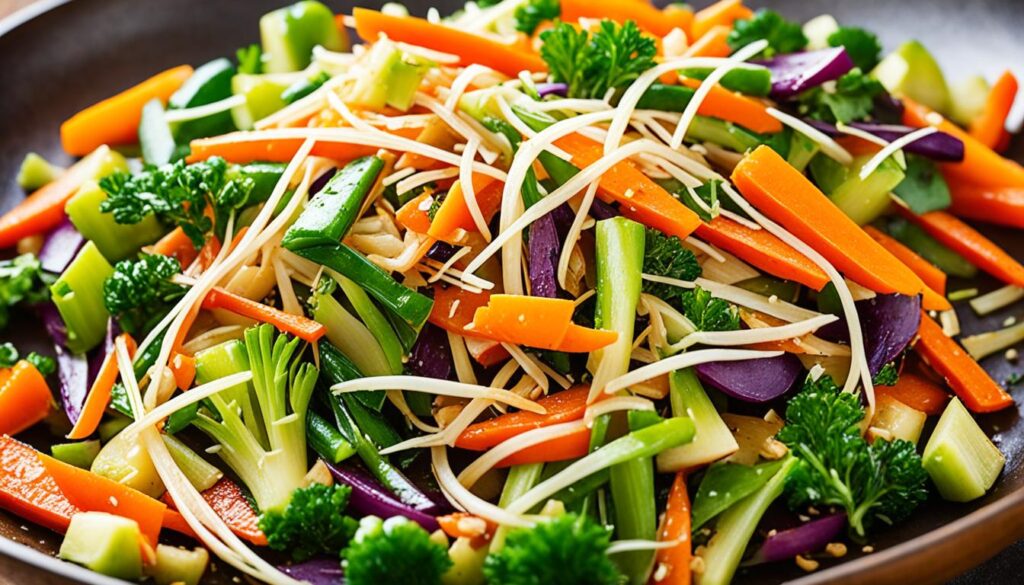
Sequencing matters here. Not every vegetable cooks at the same speed, and in a stir fry where everything is moving fast over high heat, adding things in the wrong order means some are raw while others are mush. Here’s what I’ve figured out about timing:
Goes in early (3-4 minutes): carrots, bok choy stems, broccoli florets — the dense things that need actual cooking time
Goes in the middle (2 minutes): cabbage, mushrooms, bell peppers — softer but still need some heat to develop flavor
Goes in last (30-60 seconds): bean sprouts, bok choy leaves, snow peas, snap peas — these should barely touch the heat and stay crisp and bright green
Overcooked bean sprouts are watery and limp and unpleasant. Overcooked snow peas turn yellow. Both are sad. Both are avoidable if you add them at the very end and pull the pan off the heat immediately after.
Research published in the Journal of the Academy of Nutrition and Dietetics found that stir-frying preserves significantly more water-soluble vitamins in vegetables than boiling does — short cook time, minimal water contact, high heat. This recipe method is actually the right one nutritionally, not just for taste.
Cut everything before the pan goes on. No exceptions. There is no time to julienne a carrot once the garlic is in.
Stir Fry Wonton Noodles Recipe: Step-by-Step Instructions
Here’s the full recipe — chicken thighs, bok choy, bean sprouts, carrots, the sauce — start to finish.
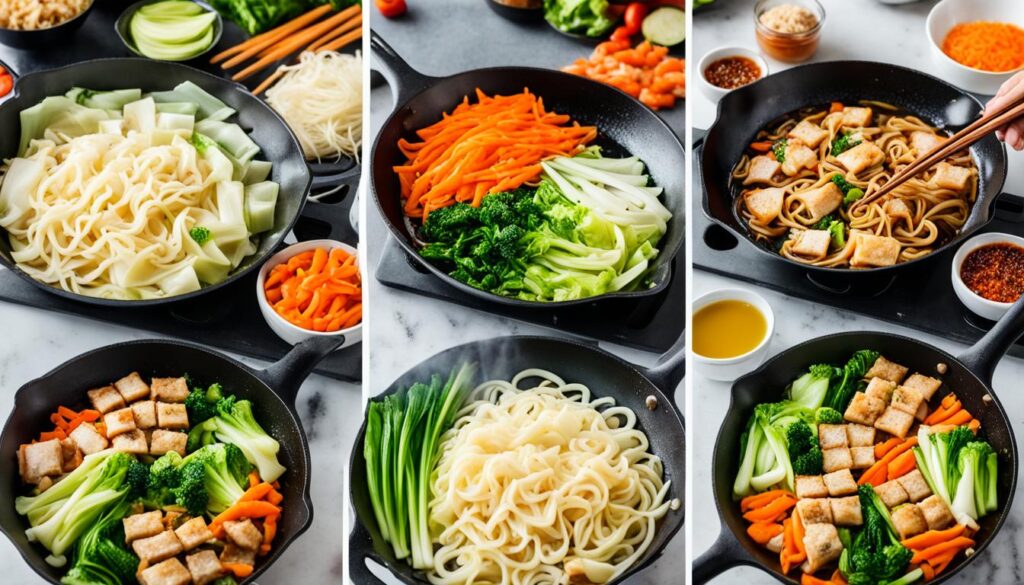
This is “the noodle thing.” Four years running. My younger son once ate three portions of this in one sitting and then asked if there was more. There wasn’t. He was disappointed in a way that felt like a compliment.
Ingredients (serves 4)
Noodles:
- 14 oz fresh wonton noodles
- 1 teaspoon neutral oil (to toss with noodles after cooking)
Protein:
- 1 lb boneless, skinless chicken thighs, thinly sliced
- 1 tablespoon soy sauce
- 1 teaspoon cornstarch
- 1 teaspoon neutral oil
Vegetables:
- 2 heads baby bok choy, stems and leaves separated
- 1 cup bean sprouts
- 2 medium carrots, julienned thin
- 3 cloves garlic, minced
- 1 tablespoon fresh ginger, grated
Sauce (mix this before you start):
- 3 tablespoons soy sauce
- 2 tablespoons oyster sauce
- 1 tablespoon dark soy sauce
- 1 teaspoon sesame oil
- 1 teaspoon sugar
- 1/2 teaspoon white pepper
- 1 tablespoon cornstarch mixed with 2 tablespoons cold water
To finish:
- 3 tablespoons neutral oil, divided
- 3 green onions, sliced
- Sesame seeds for garnish
Instructions
Before the pan gets hot:
Mix the sauce in a small bowl. Combine the sliced chicken with soy sauce, cornstarch, and oil in another bowl and let it sit. Cook the wonton noodles in boiling water for 1-1/2 minutes — less time than the package says, deliberately underdone. Drain, rinse immediately with cold water, toss with a teaspoon of oil. Set everything within arm’s reach of the stove.
Cooking the protein:
Pan over high heat, 3 minutes of preheating. Add 1-1/2 tablespoons of oil. When the oil starts to shimmer and smoke at the edges — not just hot, actually starting to smoke — the chicken goes in. Single layer, spread out, don’t touch it. Ninety seconds. Let the bottom crust form. Then toss and cook another 2 minutes until just cooked through. The chicken should look golden in spots, not gray. Remove it from the pan.
Cooking the vegetables:
Same pan, still hot. Remaining oil in. Bok choy stems and julienned carrots first — the dense stuff — 2-3 minutes, stirring every 30 seconds or so. Add the garlic and ginger. Thirty seconds of constant stirring. The pan should smell sharp and fragrant. If the garlic starts to brown, work faster.
Adding the noodles:
Noodles into the pan. Spread them out flat and leave them for about 45 seconds — the bottom layer should get a slight toast on the side touching the pan. Then toss everything together.
Finishing:
Pour the sauce over everything. It thickens almost immediately — toss fast to coat every noodle before it over-reduces. Chicken back in. Bok choy leaves and bean sprouts in. Thirty more seconds of tossing. The leaves should just wilt and the bean sprouts should still have crunch.
Taste it. Adjust salt if needed. Plate immediately, garnish with green onions and sesame seeds, and serve while it’s hot.
Noodles cool fast. Don’t let them sit.
Nutrition Info (per serving, serves 4)
| Nutrient | Amount per Serving |
|---|---|
| Calories | 520 |
| Carbohydrates | 58g |
| Protein | 34g |
| Fat | 16g |
| Fiber | 4g |
| Sodium | 980mg |
Tips for Achieving Restaurant-Quality Stir Fry at Home
Restaurant-quality stir fry at home requires more heat than feels comfortable — and probably more heat than your instincts tell you to use.
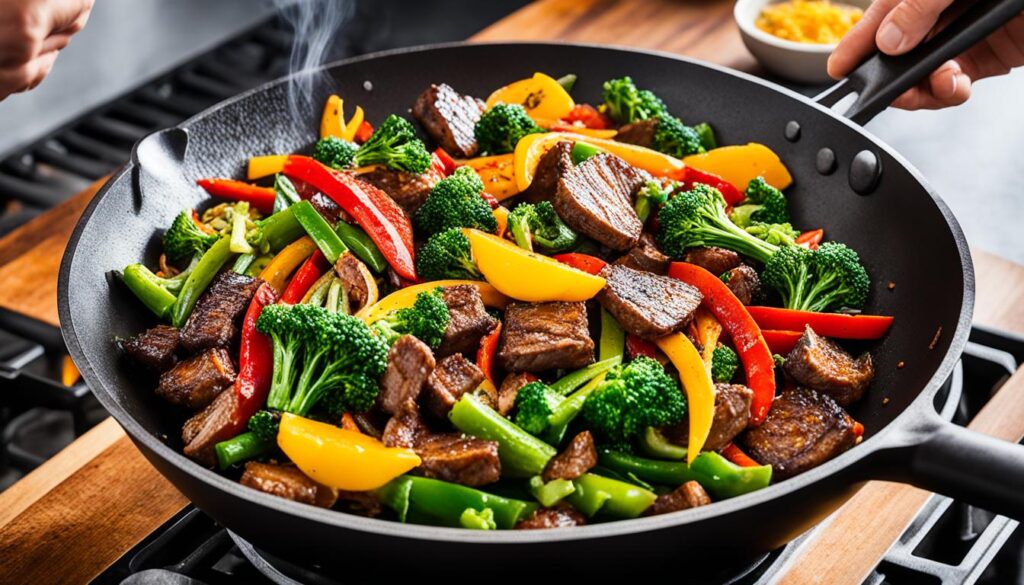
Restaurant woks run at temperatures a home stove can’t match. That smoky, slightly charred flavor — wok hei — comes from extreme heat combined with volatile compounds in oil hitting an open flame. You can’t fully replicate it. But you can get closer than most home cooks do.
Use the biggest burner you have. Turn it all the way up. Preheat the pan for at least 3 minutes. It should feel aggressively hot when you hold your hand 3 inches above the surface. This is hotter than most home cooking happens. That’s the point.
Small batches. I said this earlier and I’ll say it again because it’s the most violated rule in home stir fry. Crowding the pan drops the temperature immediately and turns browning into steaming. If you have more protein than fits in a single layer, brown it in two batches. Yes it takes longer. Yes it’s worth it.
Dry everything. Wet vegetables steam. Wet protein steams. Pat protein dry with paper towels before the marinade goes on. Spin vegetables dry if you washed them. Water is the enemy of char.
Don’t use sesame oil in the hot pan. Its smoke point is low and it turns bitter fast. It belongs in the sauce or drizzled over the finished dish. This is a mistake I made for a while before I understood why the dish occasionally tasted slightly off.
Sauce goes in fast, tossing starts immediately. Once the cornstarch slurry hits the heat it thickens in seconds. You need to coat every noodle and piece of protein before the sauce over-reduces into a sticky paste at the bottom of the pan. This is the step that requires the most speed in the whole recipe.
Customizing Your Stir Fry Wonton Noodles
The base recipe is a framework — the protein, vegetables, heat level, and dietary adjustments are all flexible without changing the core technique.
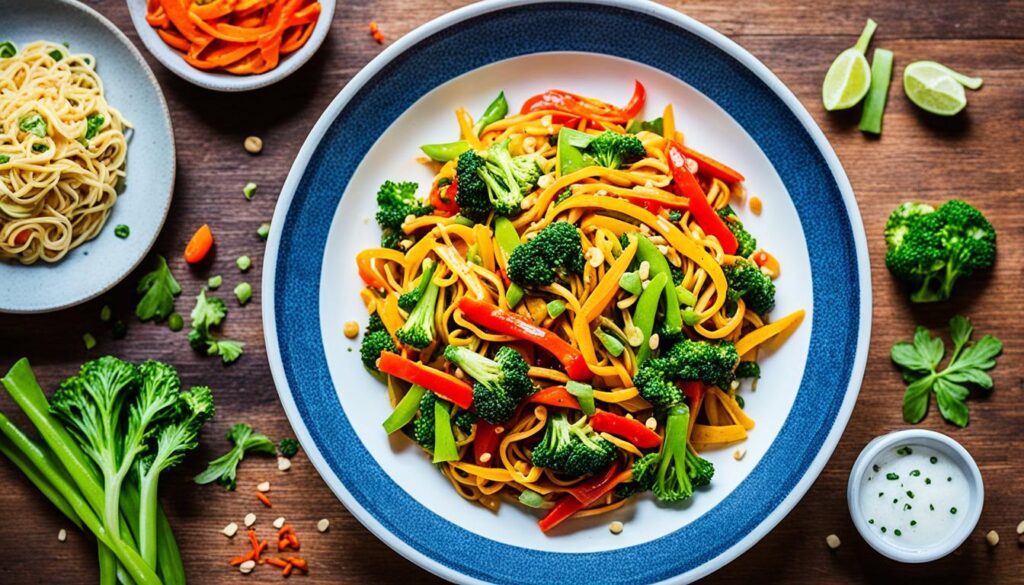
For a spicier version: a tablespoon of sambal oelek or chili garlic sauce stirred into the sauce before cooking. Or fresh sliced chiles added with the garlic. My older son specifically asks for this version. He would make it spicier than I do if he were cooking it himself.
Vegan: replace oyster sauce with mushroom oyster sauce — most Asian grocery stores carry it and the flavor difference is minimal. Use tofu instead of chicken, pressed dry and pan-fried separately until golden before it joins the noodles.
Lower sodium: low-sodium soy sauce and half the oyster sauce. Noticeably less intense, but still good. Finish with a squeeze of lime to compensate for the depth you lose.
Gluten-free: rice noodles instead of wonton noodles, tamari instead of soy sauce, and check the oyster sauce label — some brands contain wheat flour.
Adding eggs: push everything to the sides of the pan after the noodles go in, crack two eggs into the center, scramble them quickly, and fold into the noodles before the sauce. My wife started asking for this variation maybe six months ago. It adds richness and makes the dish more substantial — a good direction.
Serving Suggestions and Presentation Ideas
Stir fry wonton noodles are a complete meal on their own — protein, carbs, vegetables, all in one pan — but a few additions and garnishes make a real difference in how the dish lands.
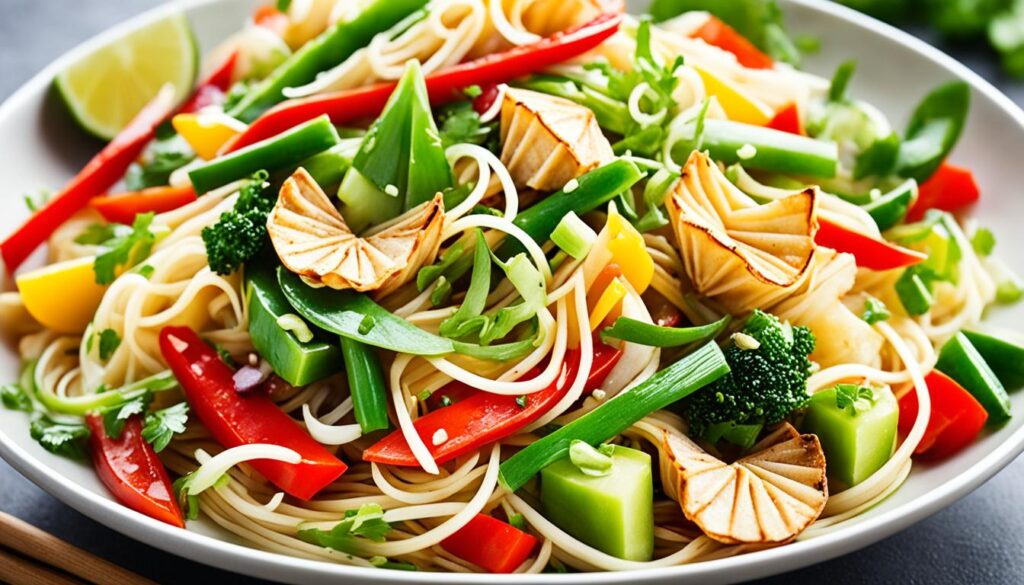
Garnishes worth using:
- Green onions — always. The fresh, slightly sharp bite cuts through the richness of the sauce in a way nothing else does.
- Sesame seeds — mostly visual, small crunch
- Crispy fried shallots scattered over the top — if you have them
- Chili oil drizzled over individual portions
- Lime wedges on the side — a squeeze right before eating brightens the whole dish noticeably
What about sides? Honestly, this dish doesn’t need them. If you want something alongside, a simple cucumber salad — thin slices dressed with rice vinegar, sesame oil, and a pinch of sugar — works well as a cold contrast to the warm noodles. Light and acidic against something savory and hot. That combination works.
Serve from the pan directly. Don’t transfer to a serving bowl and let it sit — noodles cool fast, absorb the remaining sauce, and clump together. Plate immediately and eat while it’s hot. This is one of those dishes where the difference between eating it at the right moment and five minutes later is actually significant.
Leftovers: not ideal. The noodles soften overnight. If you have them, re-fry in a hot pan with a splash of oil rather than microwaving — it revives the texture better than anything else.
Health Benefits of Stir Fry Wonton Noodles
Stir fry wonton noodles made with lean protein and plenty of vegetables deliver a genuinely balanced meal — solid protein, complex carbohydrates, and a range of micronutrients the stir fry method actually preserves well.
The cooking method itself matters nutritionally. As mentioned in the vegetable section, stir-frying preserves more water-soluble vitamins than boiling because of the short cook time and minimal water contact. Bok choy — a cruciferous vegetable with meaningful amounts of vitamins C and K — retains most of those nutrients when stir-fried. Research from the Nutrients journal specifically found that brief high-heat cooking preserves cruciferous vegetable nutrition significantly better than water-based methods.
The protein in the base recipe — chicken thighs — covers all essential amino acids along with B vitamins, phosphorus, and selenium. Add the egg variation and the nutritional profile improves further without much change to the dish’s character.
Sodium is high. I won’t pretend otherwise. The sauce depends on soy sauce and oyster sauce in amounts that add up. Low-sodium soy sauce and reduced oyster sauce bring the number down meaningfully if that’s a concern. The flavor takes a small hit — a squeeze of lime at the end helps compensate.
Carbohydrate load from the wonton noodles is moderate. Egg-based wheat noodles behave differently in the body than plain white rice — the protein and fat in the egg content slows digestion slightly, and the fiber from the vegetables in this recipe helps further.
My family eats this weekly. Nobody is complaining — about the food or anything else.
Nutrition Info (per serving, serves 4)
| Nutrient | Amount per Serving |
|---|---|
| Calories | 520 |
| Carbohydrates | 58g |
| Protein | 34g |
| Fat | 16g |
| Fiber | 4g |
| Sodium | 980mg |