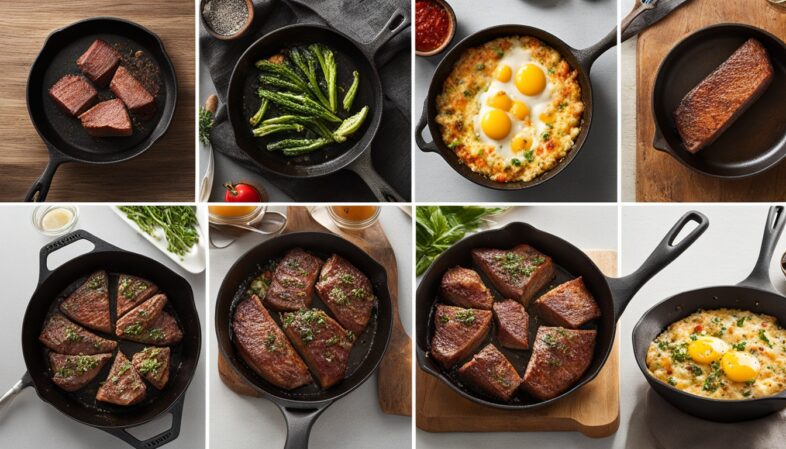
A cast iron skillet is used for searing steaks, baking cornbread, frying chicken, roasting vegetables, making pizza, and honestly a lot more than most people ever try. It’s the one pan that actually earns its counter space.
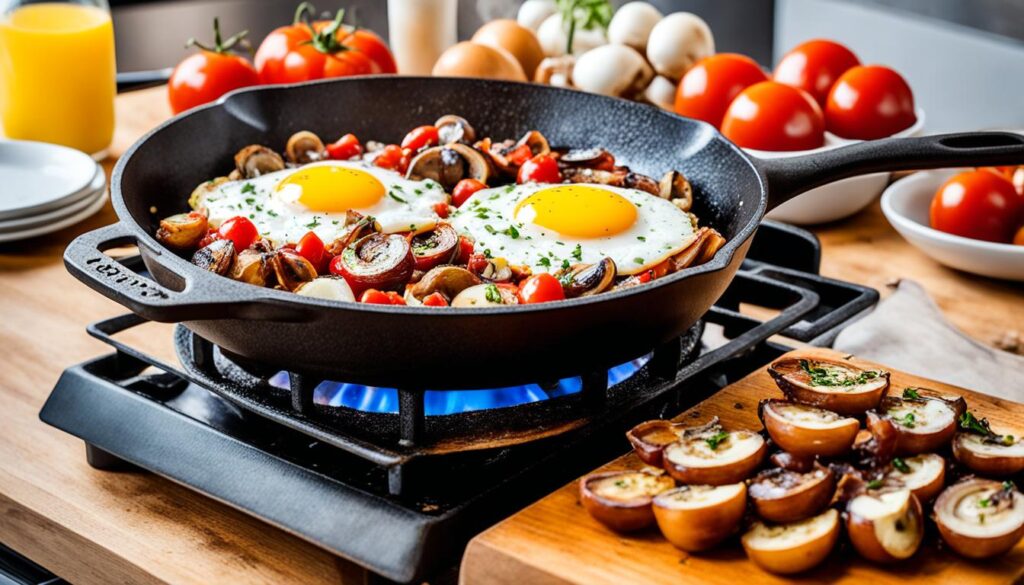
Most people grab their cast iron for one or two things, then it sits in the back of the cabinet. That’s a waste. This pan can handle almost every cooking method — stovetop, oven, broiler, campfire. And it only gets better the more you use it.
Here’s everything it can actually do.
What Is a Cast Iron Skillet Used For: Everyday Cooking
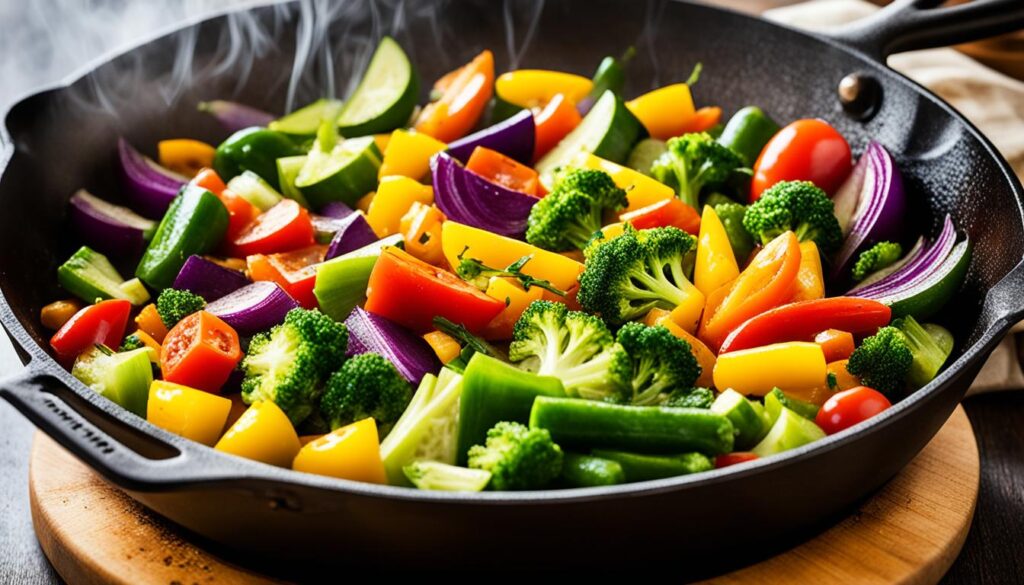
For everyday cooking, cast iron handles breakfast through dinner without complaint. The heat retention is the whole game. Once this pan is hot, it stays hot — and that changes how food cooks in ways you’ll notice immediately.
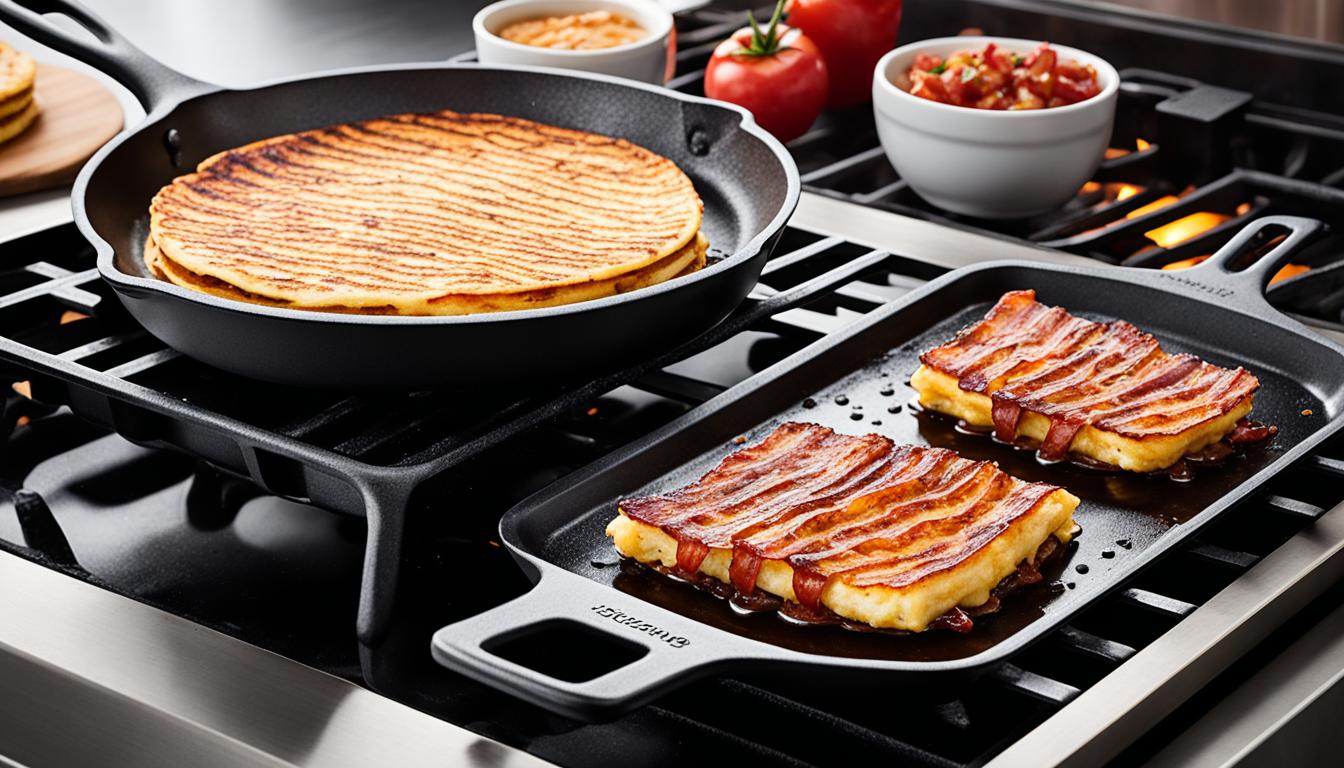
Frying Eggs and Bacon
Eggs in cast iron are genuinely great once you’ve got a well-seasoned surface. Medium-low heat, real butter, a little patience. Don’t crank the heat. The pan holds it anyway. Bacon is even more forgiving — fat renders out slowly, everything crisps up evenly, and the pan gets better seasoned in the process.
People assume cast iron and eggs are incompatible. They’re not. A seasoned skillet is practically non-stick for eggs. The key is fat and patience — same as any pan, just slightly more of both.
One-Pan Meals and Skillet Dinners
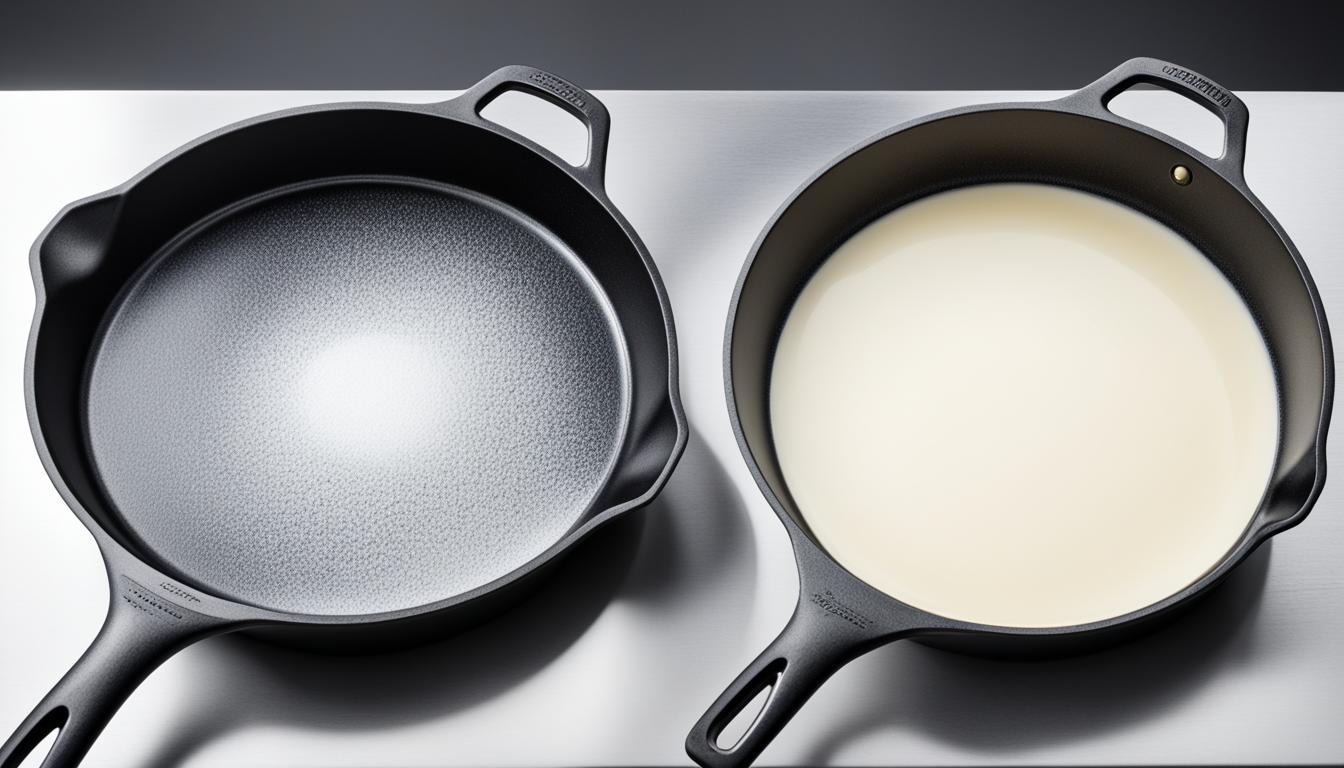
This is where cast iron earns real loyalty. Less cleanup, more flavor, and the even heat means nothing gets cold in the corners while the center overcooks. Dishes like Shrimp and Dumpling Stir-Fry come together fast in a cast iron for exactly this reason.
Some weeknight one-pan ideas that actually work:
- Ground beef, rice, and broth cooked down together — done in 25 minutes, minimal dishes
- Sausage, peppers, and onions all going in at once
- Skillet mac and cheese with a crunchy bottom crust from the pan contact
- Hash browns with whatever protein you have on hand
From Stovetop to Oven: Versatile Cooking Methods
Here’s what makes cast iron genuinely different. It goes from burner to 500°F oven without any drama. No transferring to a different pan. No worrying about plastic handles. Start a crust on the stovetop, finish the cook in the oven — frittatas, thick-cut pork chops, stuffed peppers. One pan, start to finish.
Searing and Browning Meats to Perfection
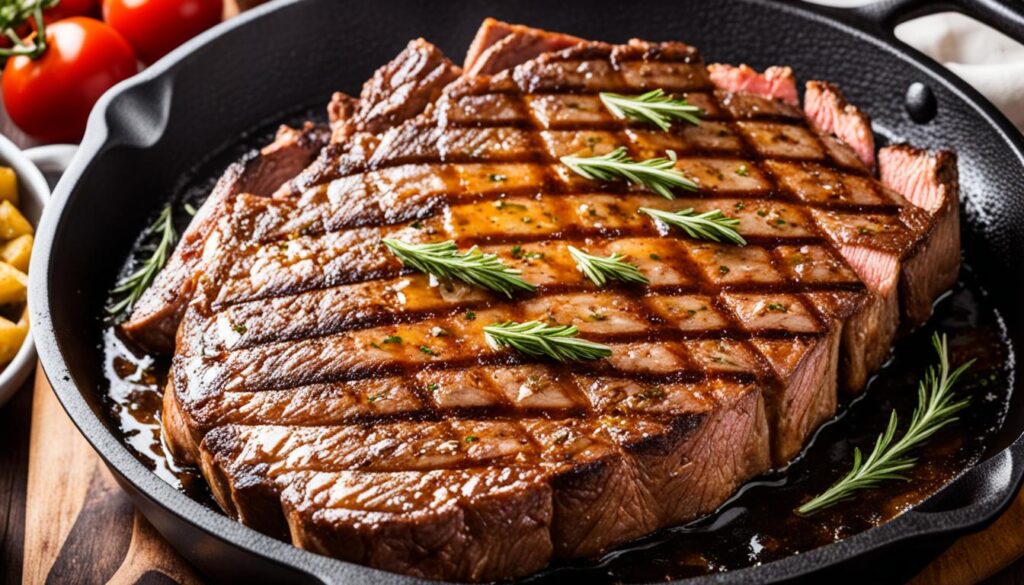
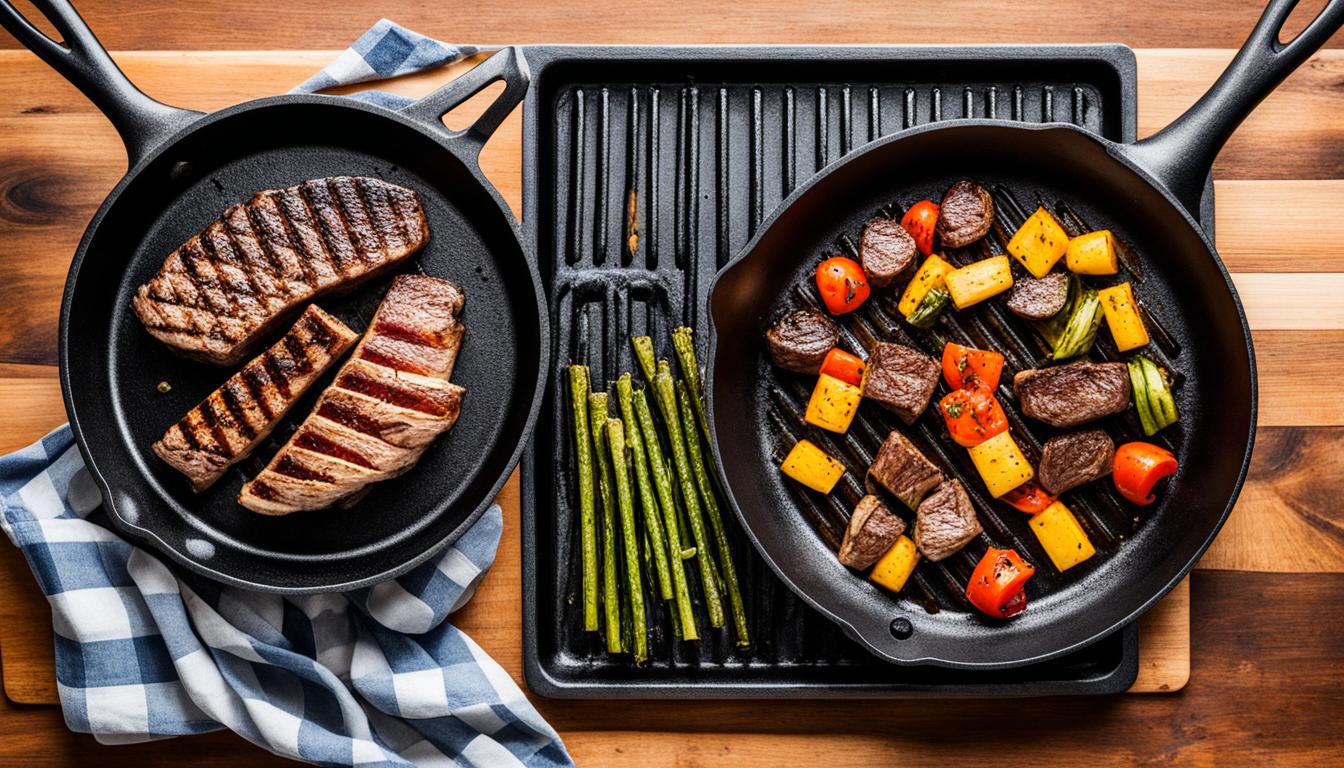
Searing meat is what cast iron does better than any other pan in the average kitchen. Better than stainless. Better than nonstick. Better than ceramic. It gets hotter, holds that heat when cold protein hits the surface, and creates a crust through the Maillard reaction that other pans just can’t match consistently.
Achieving the Perfect Crust on Steaks
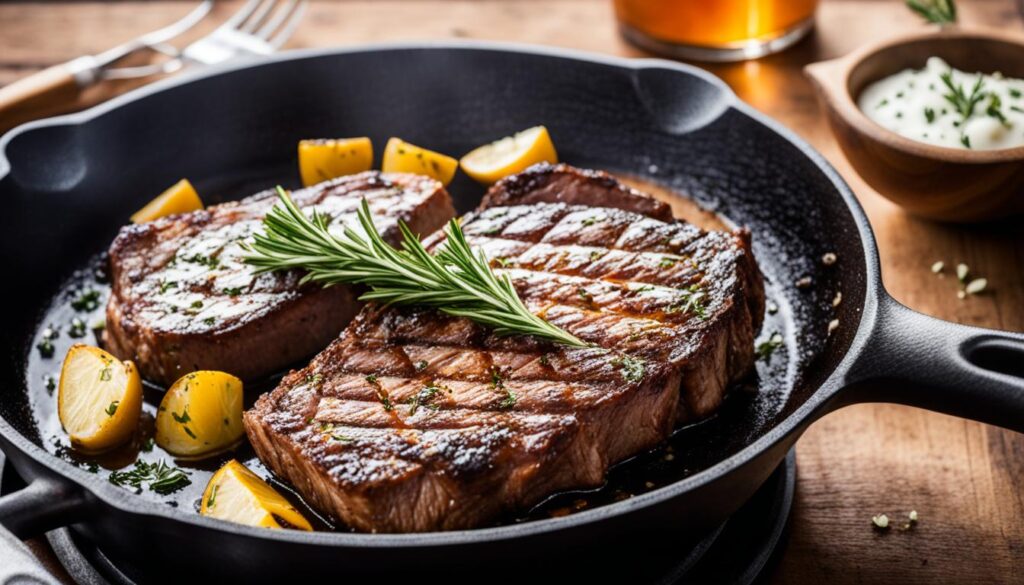
Get the pan hot before anything touches it. That’s the move. Five minutes over high heat — it should be smoking, or close. Add a high smoke point oil (avocado, refined vegetable, ghee), then lay the steak in away from your body.
Now leave it alone. Don’t poke it. Don’t move it. Let the crust form and release naturally. Two to four minutes per side depending on thickness. Add butter, garlic, and thyme at the end if you want to go the extra mile — and you should.
| Steak Thickness | Sear Time Per Side | Finish |
|---|---|---|
| Under 1 inch | 2–3 minutes | Done on stovetop |
| 1–1.5 inches | 3–4 minutes | Finish in 400°F oven |
| Over 1.5 inches | 3–4 minutes | Oven finish + rest |
Searing Chicken for Juicy Results
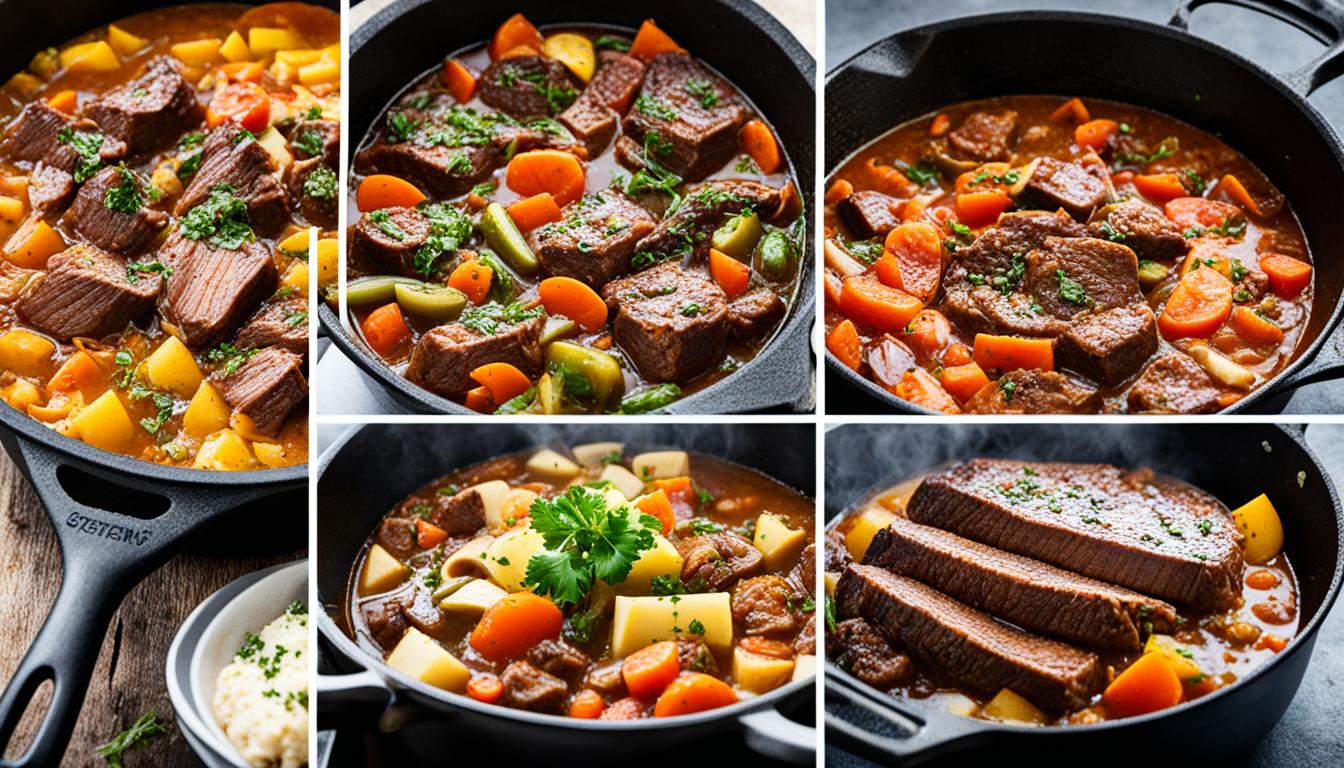
Chicken thighs in cast iron might be the most reliable weeknight dinner in existence. Skin-side down in a hot, lightly oiled pan — then walk away. The skin renders slowly, crisps up, and lifts off clean when it’s ready. Forcing it early tears the skin. Trust the process.
Bone-in, skin-on thighs: 7–8 minutes skin-side down on the stovetop, flip, then into a 425°F oven for 10–15 minutes. Crispy outside, juicy all the way through.
Tips for Even Browning
A few things that make a real difference:
- Pat the protein dry first. Surface moisture turns to steam and kills browning. Paper towels, quick press, done.
- One layer only, with space between pieces. Crowding the pan steams everything instead of searing it.
- Preheat longer than you think. Cast iron takes 4–5 minutes to heat through properly — thin pans respond faster but don’t hold it.
- Pull meat from the fridge 20–30 minutes early. Room temperature protein browns more evenly than cold.
After high-heat searing sessions, check out this guide on cleaning cast iron skillets — how you clean it directly affects how the seasoning holds up over time.
Frying and Deep-Frying Dishes
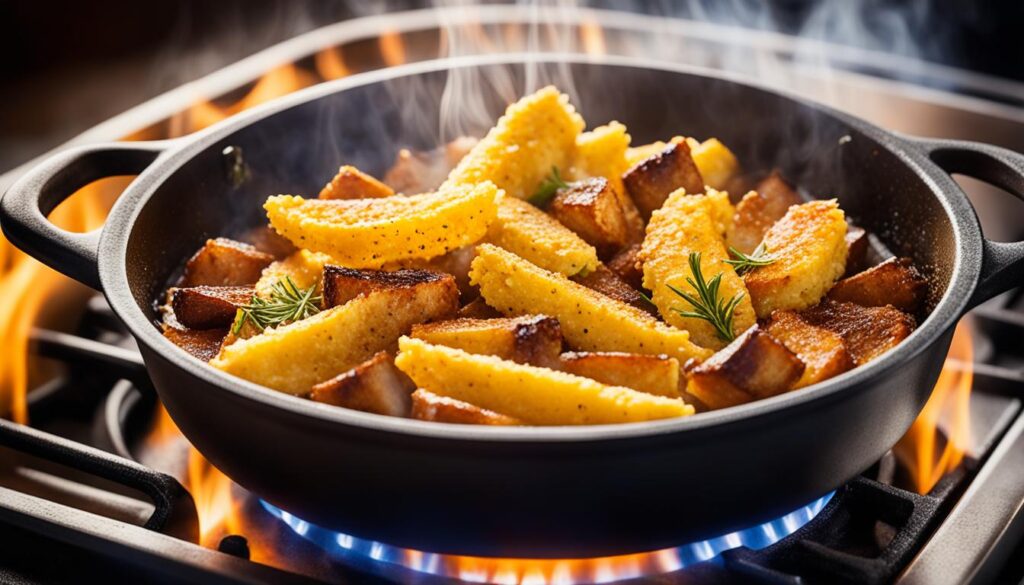
Cast iron is arguably the best vessel for frying at home. It holds oil temperature more steadily than thin pans — so when you drop cold food in, the temperature doesn’t crash as hard. Less oil absorption. Crispier crust. Better results.
Both shallow and deep frying work well. Things that shine in cast iron:
- Fried chicken — the definitive use case. Cast iron plus hot oil plus chicken equals that golden, shattering crust
- Hush puppies and fritters — small, fast, need steady heat the whole time
- Breaded pork chops and fish — shallow frying works great, uses far less oil
- Donuts or beignets — cast iron keeps temperature stable across batches
Use a thermometer for deep frying. Cast iron holds heat so well it can overshoot when you’re not watching. Target 325–375°F depending on what you’re making. Too low and things come out greasy. Too high and the outside burns before the inside finishes.
Baking Delicious Cornbread and Desserts
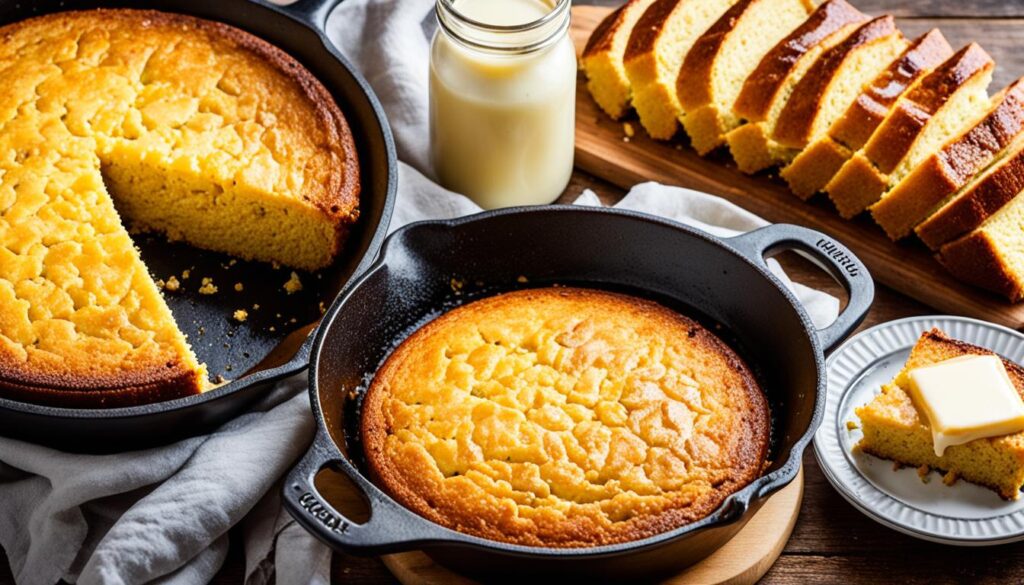
Skillet baking is criminally underrated. Cast iron conducts heat directly into the bottom and sides of whatever you’re baking — and the result is edges and crusts that a standard baking dish simply can’t produce.
The Secret to Crispy Cornbread Crust
Preheat the skillet in the oven before the batter goes in. That’s it. Heat the pan with a little butter or oil inside until everything is screaming hot, pour in the batter, and return it to the oven immediately. The batter hits a hot iron surface and starts forming a crust right away.
You end up with a deeply golden, almost fried bottom crust and a tender, moist interior. Try getting that from a glass baking dish. You can’t.
Skillet Cookies and Other Sweet Treats
The giant skillet cookie is worth making at home — press a batch of chocolate chip cookie dough into a well-buttered cast iron, bake at 350°F for about 20 minutes, and serve it straight from the pan with vanilla ice cream. The edges go crispy. The center stays gooey. It’s the best version of a cookie.
Other sweet things that genuinely work in cast iron:
- Upside-down cakes — pineapple, plum, stone fruit of any kind
- Skillet brownies with a crackled, fudgy center
- Dutch babies (the puffy pancake that looks impressive and takes 20 minutes)
- Fruit cobblers and crisps with a real golden crust
Balancing Sweet and Savory Uses
If your cast iron gets heavy use with garlic-forward or fish-based dishes, season and clean it properly before switching to desserts. Cast iron can carry over strong flavors into neutral foods. Not always a problem — but worth a quick re-season if you’re baking something delicate.
Roasting Vegetables and Whole Chickens
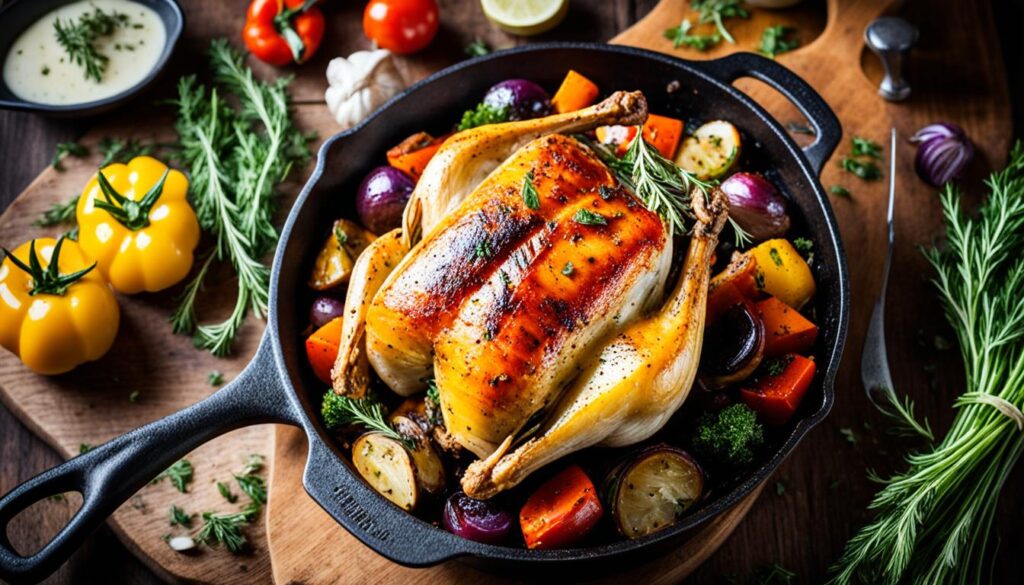
Roasting in cast iron beats a sheet pan for most vegetables and proteins. The reason is direct bottom heat — cast iron radiates heat up through the food while the oven works from above. Two-directional cooking. Everything gets more color, more caramelization, faster.
Vegetables stop just softening and start actually caramelizing. Single layer in a preheated skillet, tossed with oil and salt, roasted at 425°F. Broccoli, Brussels sprouts, potatoes, carrots, asparagus — all of them come out with better color and texture than a sheet pan produces.
Whole chicken roasted in cast iron has noticeably crispier skin than most other methods. A 10 or 12-inch skillet fits a 3.5–4.5 lb bird comfortably. Season it well, place it breast-side up with aromatics underneath and around it, roast at 425–450°F for 50–70 minutes depending on size.
When the bird comes out, the drippings stay right there in the pan. Make a quick pan sauce on the stovetop. One pan, whole roast dinner.
Cooking Breakfast Classics
Cast iron and breakfast have always made sense together. The pan holds heat through multiple batches — critical when you’re feeding more than one person — and the seasoned surface handles everything from eggs to sausage to pancakes without fuss.
What breakfast looks like in cast iron:
- Pancakes — even heat across the whole surface means even browning. No pale centers, no burnt edges.
- Breakfast hash — diced potatoes crisped directly against hot iron. Nothing matches it for texture.
- Frittatas — start on the stovetop to set the bottom, then under the broiler to finish the top. Cast iron handles both without issue.
- French toast — thick slices get a proper golden crust all the way across without the soggy middle problem.
- Biscuits — baked right in the skillet, the bottoms get a crust that baking sheets don’t produce.
One pan. Whole breakfast. That’s the pitch.
Making One-Pan Pasta and Grain Dishes
Less obvious, but genuinely useful. One-pan pasta in a cast iron works because the heat retention keeps liquid at a steady simmer without constant adjustment — sauté protein and aromatics first, add dry pasta or grains plus liquid, cover and let it absorb.
Things that work particularly well this way:
- Skillet mac and cheese finished under the broiler for a crunchy top
- Rice-based dishes where steady low heat is the whole point
- Orzo cooked down with vegetables, white wine, and stock
- Polenta — cast iron holds the temperature steady through the slow stir
One thing to watch: cast iron doesn’t telegraph scorching well until it’s already happened. Keep heat moderate and stir periodically when cooking anything liquid-based for a long time.
Sautéing and Stir-Frying
Sautéing in cast iron is fast and reliable. High heat, a little oil, things that cook quickly. The pan handles it without temperature swings.
Stir-frying is slightly different. A wok over extremely high heat with constant motion is the traditional method — cast iron approximates this, especially a large, well-seasoned skillet. The main rule: don’t overcrowd. Work in batches if the volume is high, or everything steams instead of charring.
Dishes like Chinese Chicken Cabbage Stir Fry and Healthy Beef and Broccoli Stir-Fry both translate well to cast iron — not identical to wok cooking, but fast, flavorful, and far more practical for a home kitchen.
A few things that actually help with sautéing:
- Preheat the pan, then add oil — not the reverse
- High heat, short time for vegetables with high water content
- Let things sit and develop color instead of constantly stirring
- Add garlic and ginger near the end to avoid burning
Making Pizza in a Cast Iron Skillet
Cast iron pizza is worth your time. The bottom crust gets a texture that’s nearly impossible to replicate in a home oven any other way — almost fried, deeply golden, with real structure underneath. It’s the closest thing to a pizzeria crust without specialized equipment.
The basic method:
- Oil the skillet generously and press the dough in, pushing it to the edges
- Add sauce, cheese, and toppings
- Start on the stovetop over medium heat for 3–4 minutes to set the bottom crust
- Transfer to a 500°F oven for 10–12 minutes until cheese bubbles and the edges go dark
The stovetop start is non-negotiable. It gives the bottom a head start that oven heat alone won’t provide. Skip it and you get pale, soft bottom crust. Don’t skip it.
For a full Chicago deep dish, this Cast Iron Skillet Chicago Deep Dish Pizza recipe is worth following — the cast iron handles the thick walls and long bake time perfectly.
Foods to Avoid Cooking in Cast Iron
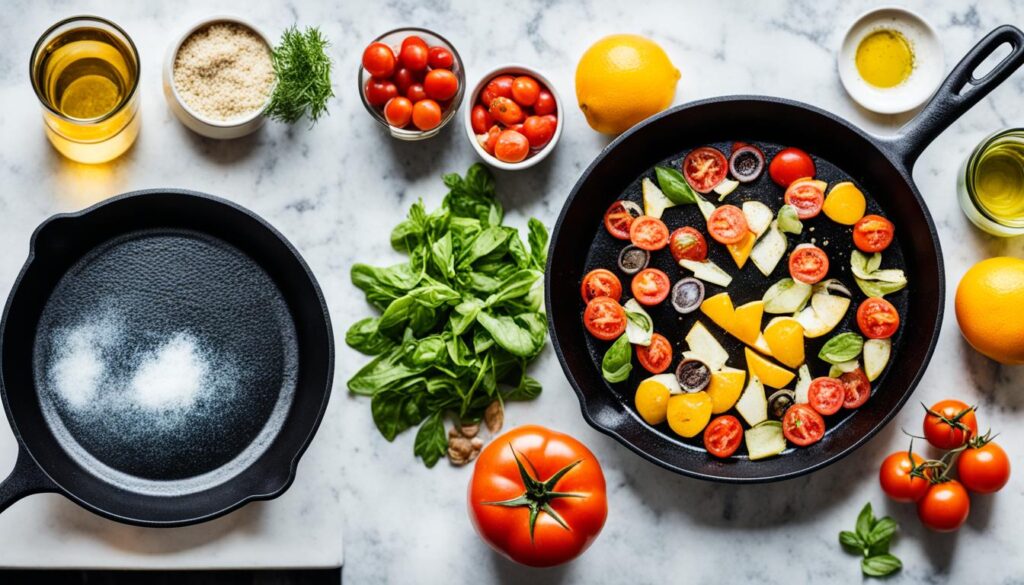
Cast iron isn’t perfect for everything. A few categories cause real problems.
Acidic Foods and Tomato-Based Sauces
Tomatoes, wine, citrus juice, and vinegar react with the iron surface. A well-seasoned pan can handle brief contact — a splash of wine to deglaze, a quick tomato-based sauce that’s done in 15 minutes. But a long-simmered tomato braise? That strips seasoning and pulls iron into the food, leaving a metallic taste.
For acidic, long-cooked dishes, use stainless steel or enameled cast iron.
Delicate Fish and Sticky Foods
Delicate white fish — tilapia, sole, thin cod fillets — tend to stick and fall apart in cast iron, especially if the seasoning isn’t in perfect shape. A nonstick or well-seasoned stainless pan with controlled, moderate heat handles these better.
Heavily glazed proteins are also tricky. The glaze bonds to the iron surface and makes cleanup difficult. Not impossible, but not the right tool for the job either.
Preventing Flavor Transfer in Your Skillet
Cast iron holds onto strong flavors between uses — particularly fish, heavily spiced dishes, and anything garlic-heavy. If you’re switching from seared salmon to baking cornbread, give the pan a thorough clean and re-oil.
And on cleaning: a small amount of soap on a well-seasoned cast iron is fine. The old rule about never using soap comes from an era when soap contained lye that could damage the seasoning. Modern dish soap doesn’t. This cast iron cleaning guide breaks down the full process properly.
| Food Type | Cast Iron? | Why |
|---|---|---|
| Steaks | Yes | High-heat searing is what it’s built for |
| Cornbread | Yes | Crispy crust comes from direct pan contact |
| Long tomato sauce | No | Strips seasoning, metallic flavor risk |
| Delicate white fish | Probably not | Sticking risk, fragile texture |
| Fried chicken | Yes | Holds oil temperature through multiple batches |
| Acidic braises | No | Use enameled cast iron instead |
Seasoning and Maintaining Your Cast Iron Skillet
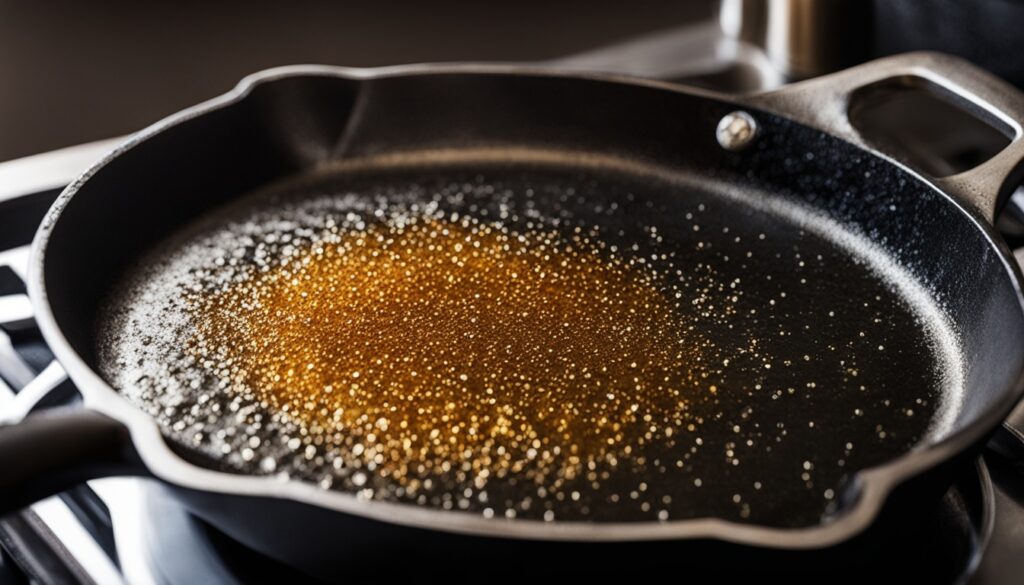
Seasoning is the layer of polymerized oil that builds up on cast iron over time. It’s what makes the surface non-stick, rust-resistant, and progressively better with every use. It’s not complicated. But it does require a bit of attention upfront and consistent care afterward.
How it works: thin layers of oil get baked onto the iron at high heat. The oil polymerizes — bonds to the surface — and forms a hard, slick layer. More layers mean a better surface. Every time you cook with fat in cast iron, you’re adding to it.
To season a new or stripped pan:
- Wash it thoroughly and dry it completely — in a warm oven if needed
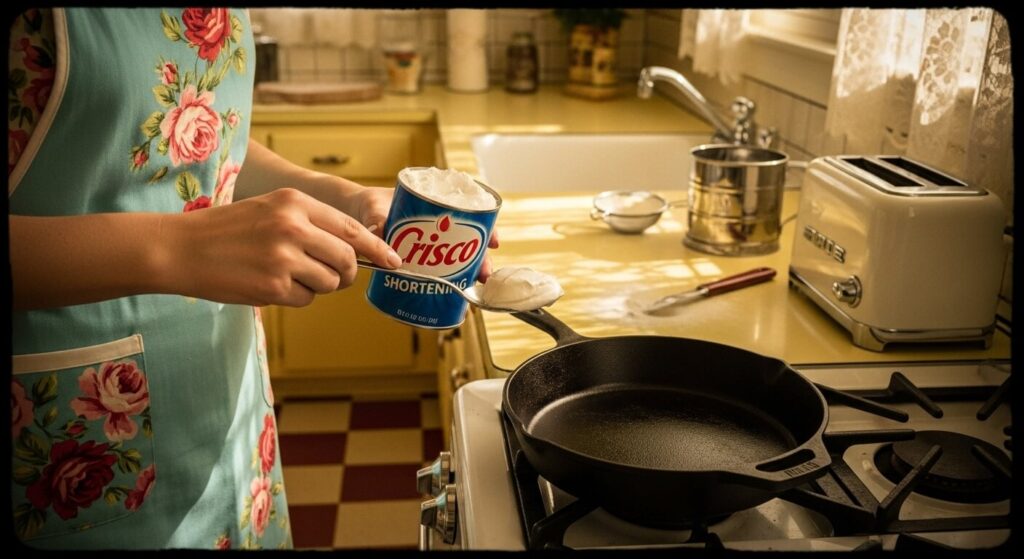
- Apply a very thin layer of flaxseed oil, vegetable oil, or Crisco — then wipe almost all of it off
- Bake upside-down at 450–500°F for one hour
- Let it cool in the oven
- Repeat 3–4 times to build a solid base
Day-to-day maintenance:
- Clean while still warm — food releases much more easily
- Hot water and a stiff brush or chainmail scrubber for residue
- Dry completely on the stovetop over low heat — trapped moisture causes rust
- Rub a thin film of oil on the surface before putting it away
- Never soak it in water. That’s how rust starts.
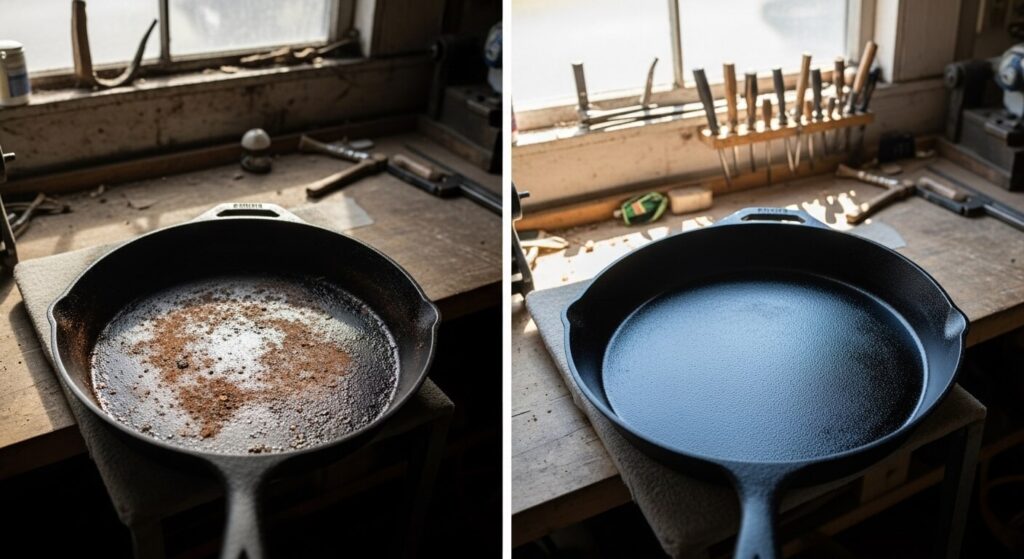
Rust happens occasionally, especially in humid climates. It’s fixable. Scrub it off with steel wool, wash, dry completely, and re-season from scratch. Cast iron is genuinely hard to ruin permanently.
Choosing the Right Cast Iron Skillet
Not all cast iron is the same. Here’s what actually matters when picking one.
Size
| Skillet Size | Best For |
|---|---|
| 8-inch | Single portions, eggs, small-batch baking |
| 10-inch | The most versatile everyday size |
| 12-inch | Families, large sears, pizzas, whole chickens |
| 14-inch | Large-batch cooking, big cuts of meat |
Most people should own a 10 or 12-inch. If you regularly cook for four or more, go 12. If it’s mostly solo cooking, 10 is plenty.
Pre-seasoned vs. Unseasoned
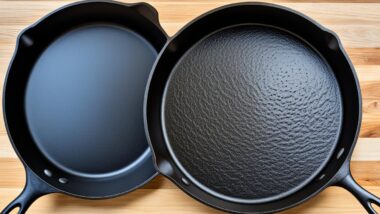
Most modern cast iron (Lodge and similar brands) comes pre-seasoned and is functional out of the box. The surface improves significantly with regular use over the first several months. Vintage cast iron — Griswold, Wagner, old unmarked pieces — often has a smoother machined surface that performs very well once restored. Worth picking up at thrift stores when you find it.
Weight
A 12-inch cast iron skillet runs 7–8 pounds. That’s just reality. If the weight is a concern, carbon steel cookware offers similar heat retention and seasoning behavior at roughly half the weight. But cast iron’s mass is part of why it works — the weight stores the heat.
Enameled Cast Iron
Enameled cast iron (Le Creuset, Lodge Enamel, Staub) has a porcelain coating that prevents iron reactivity. No seasoning needed. Works for acidic dishes. But it won’t sear the same way bare cast iron does, and it can’t go over open campfire heat without risk of cracking the enamel.
From Kitchen to Campfire: Outdoor Cooking with Cast Iron
Cast iron was made for campfire cooking — long before modern stoves existed, it was the primary outdoor cooking vessel. The same properties that make it work in your kitchen make it work over coals.
The main difference outdoors is heat control. Flame-based heat is less predictable than a stove burner, so a few adjustments help:
- Cook over coals, not active flames. Coals provide steady, radiant heat. Direct flames create uneven hot spots and burn the pan exterior faster.
- Use a grate or trivet to keep the pan slightly elevated from the coals.
- Protect it after camp cooking. Outdoor conditions — moisture, dirt, temperature swings — are harder on seasoning. Oil it thoroughly after every outdoor use.
- For camp oven cooking, a Dutch oven with a lipped lid lets you pile coals on top for all-around heat. A standard skillet won’t do that.
Bacon and eggs cooked in cast iron over morning campfire coals tastes better than the same food made at home. That’s not scientific. It just does.
When you’re back home, a proper clean and re-season after a camping trip keeps the pan in good shape for whatever comes next.