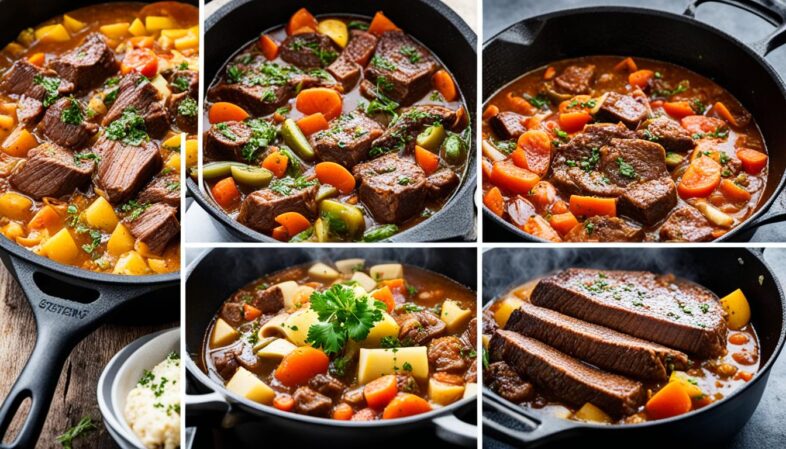
Cast Iron Skillet vs Dutch Oven: Which to Choose?
A cast iron skillet is best for high-heat searing, frying, and stovetop cooking, while a Dutch oven shines for slow braises, soups, and deep one-pot meals—which one you actually need depends on how you cook.
Both are cast iron. Both are workhorses. But they’re built for different things, and buying the wrong one is a real bummer.
Understanding Cast Iron Cookware
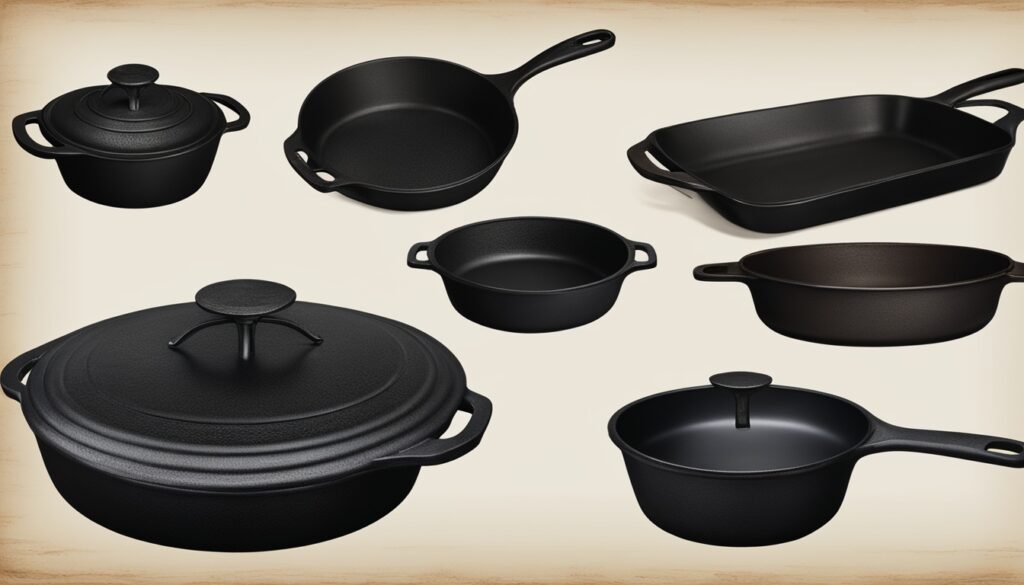
Cast iron cookware is exactly what it sounds like—iron that’s been melted down and cast into a mold. Simple. Heavy. Incredibly effective.
Here’s what makes it special: cast iron holds heat like nothing else. Once it’s hot, it stays hot. That’s why a cold steak doesn’t tank the pan temperature the way it would in a thin stainless pan. You get a real sear. Actual crust formation.
There are two main types you’ll run into:
- Bare/raw cast iron — needs seasoning, reacts to acidic foods, but builds an incredible non-stick surface over time
- Enameled cast iron — coated with porcelain enamel, no seasoning required, handles acidic foods just fine, but costs more
Both types apply to skillets and Dutch ovens. So when you’re comparing the two, you’re really comparing shape, depth, and intended cooking method—not necessarily the material itself.
Cast iron’s density is also its main downside. These things are heavy. A standard 12-inch skillet runs about 8 pounds. A 5-quart Dutch oven? Closer to 12–15 pounds, sometimes more when full of food. If you’ve got wrist or shoulder issues, that’s worth thinking about.
The Versatility of Dutch Ovens
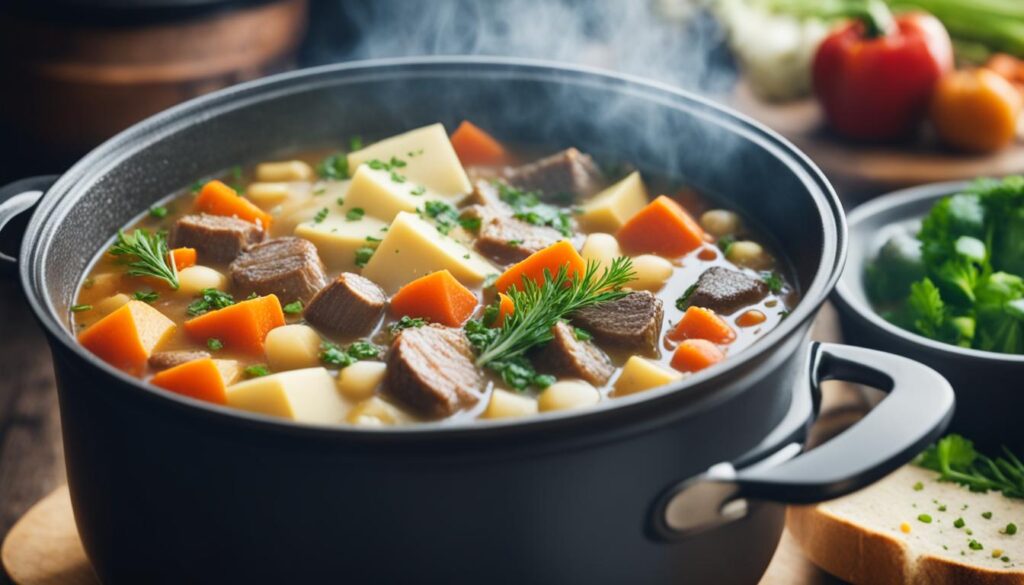
Dutch ovens are surprisingly versatile. Like, more than most people realize.
The design—a deep, heavy pot with a tight-fitting lid—creates a self-basting environment. Steam builds up, condenses on the lid, and drips back down onto the food. That’s what makes braises so incredibly tender. The moisture never escapes.
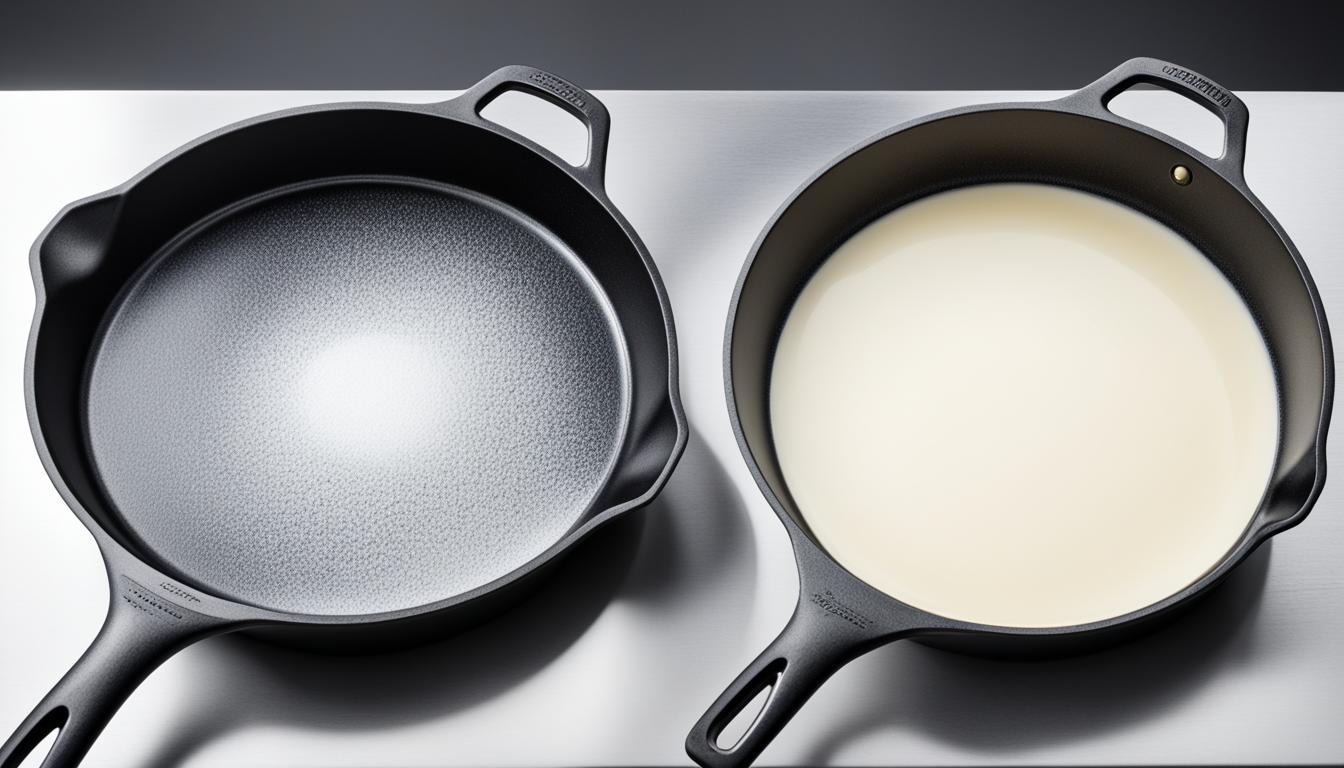
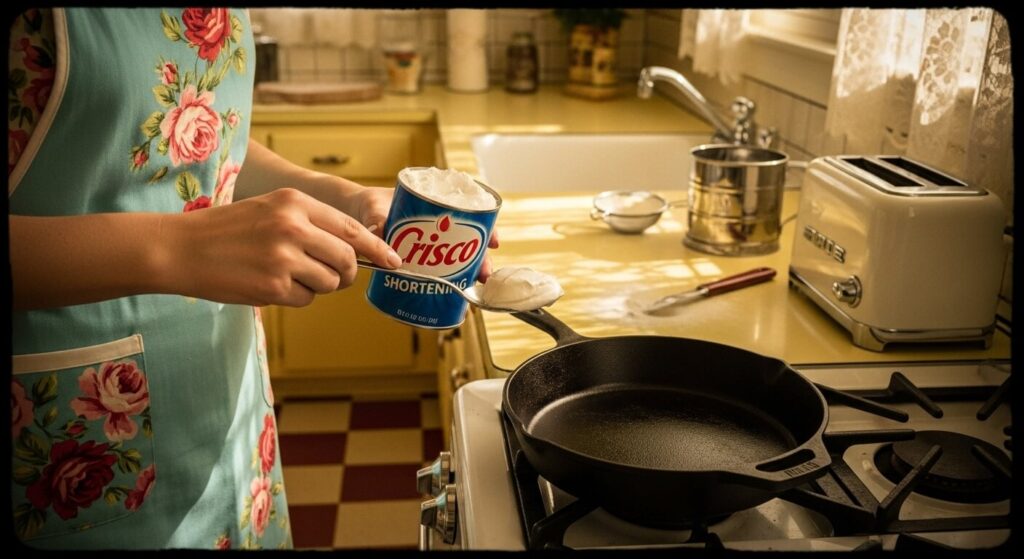
If you’re new to cast iron entirely, getting your seasoning right is the foundation for both pieces—check out this guide on seasoning cast iron skillets before you cook your first meal in either one.
What you can actually do with a Dutch oven:
- Braise short ribs, chicken thighs, lamb shanks
- Make soups and stews — it’s basically purpose-built for this
- Bake bread — no-knead bread in a Dutch oven produces bakery-quality crust
- Deep fry — the depth and heat retention make it safer and more consistent than a skillet
- Cook rice or grains at scale
- Simmer chili or pasta sauces for hours without scorching
The lid is key. That trapped moisture and heat is doing a ton of work. And the depth means you can cook large cuts whole without cutting them down.
Honestly? If you had to own just one piece of cast iron, a good Dutch oven might be the more flexible choice for most home cooks. But a skillet is still faster and more intuitive for everyday stuff.
Cast Iron Skillet vs Dutch Oven: Key Differences
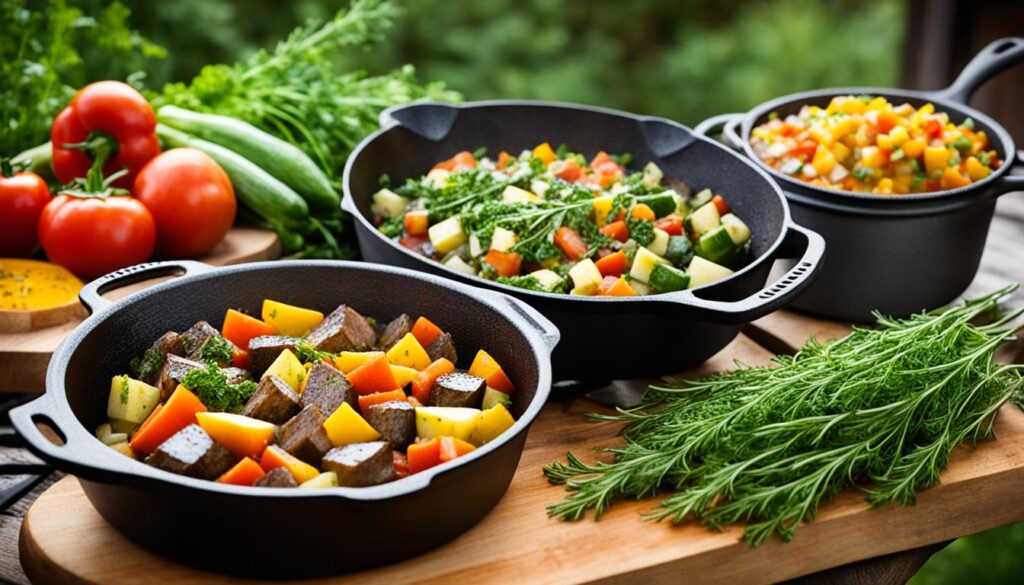
Let’s get specific. Here’s how they actually differ:
| Feature | Cast Iron Skillet | Dutch Oven |
|---|---|---|
| Depth | 2–3 inches | 4–6+ inches |
| Lid | Usually none (sold separately) | Tight-fitting, included |
| Primary use | Searing, frying, baking | Braising, soups, stews, baking |
| Surface area | Wide, open | Narrower, deeper |
| Weight | 6–10 lbs | 10–15+ lbs |
| Preheating | Fast | Slower |
| Best for | High-heat, quick cooking | Low-and-slow, moist cooking |
The skillet’s wide, flat surface is the whole point. You want maximum food-to-pan contact. More contact = better browning. That’s why steaks, chops, eggs, cornbread, and pan sauces all belong in a skillet.
The Dutch oven’s depth is the whole point. You need enough volume to submerge or surround food in liquid. A braise doesn’t work in 2 inches of pan.
Shape really does determine function here.
Heat Distribution and Retention Comparison
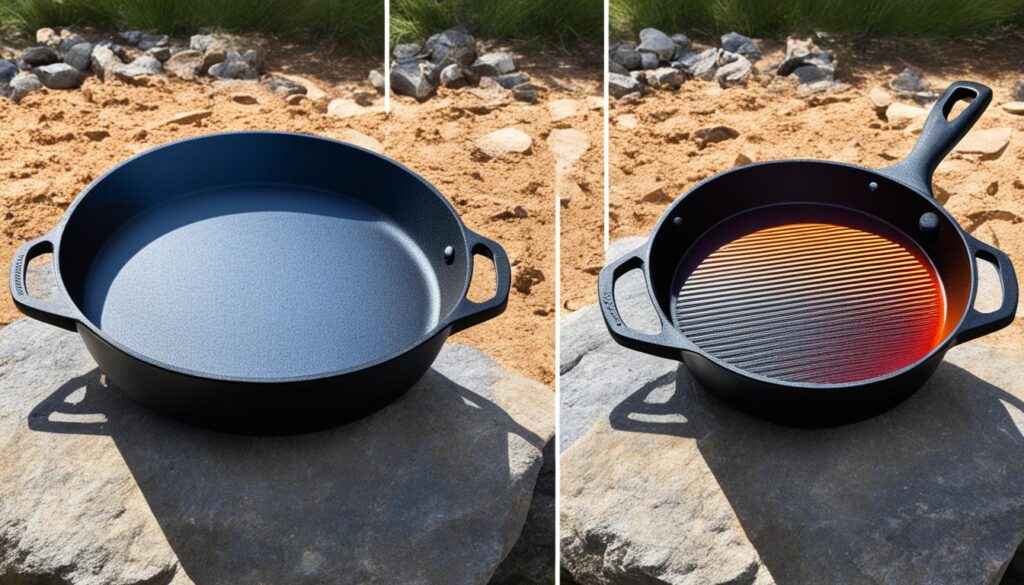
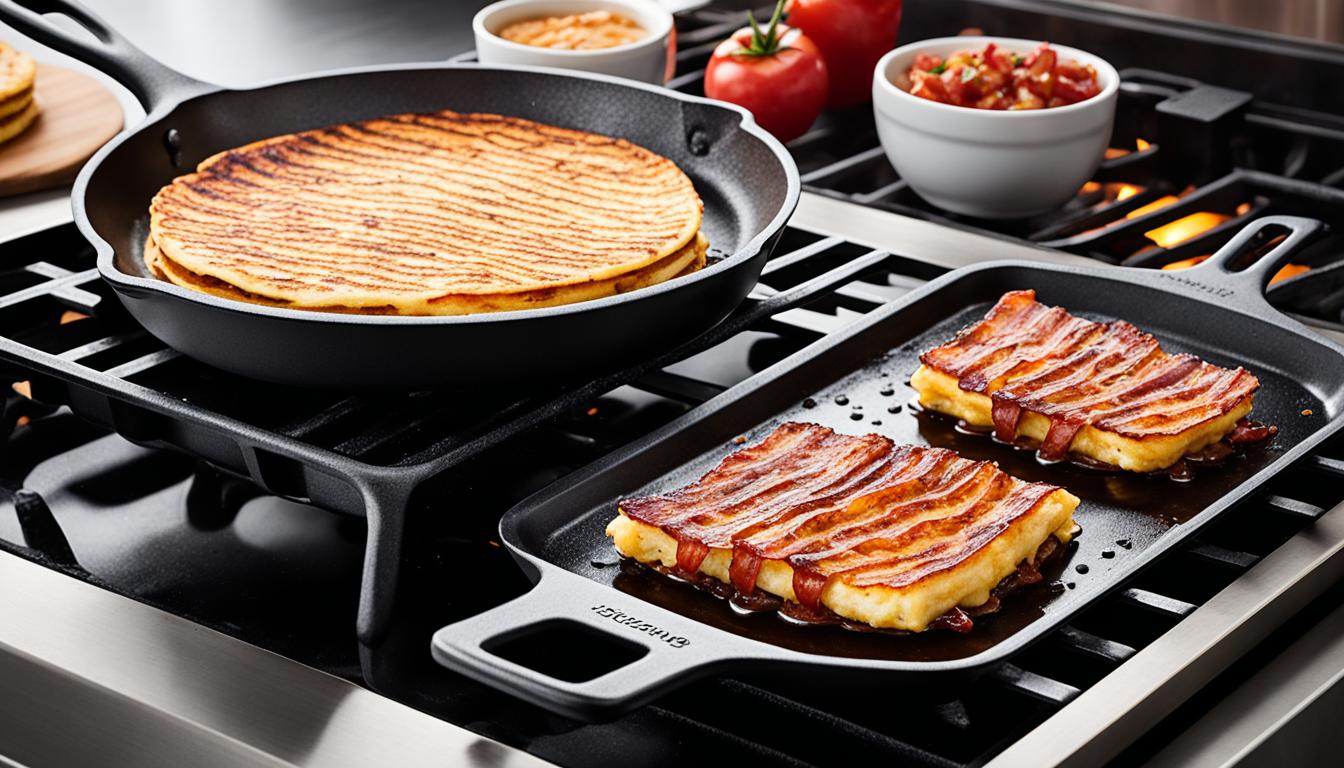
Both are cast iron, so both retain heat well. But they behave differently—and that matters.
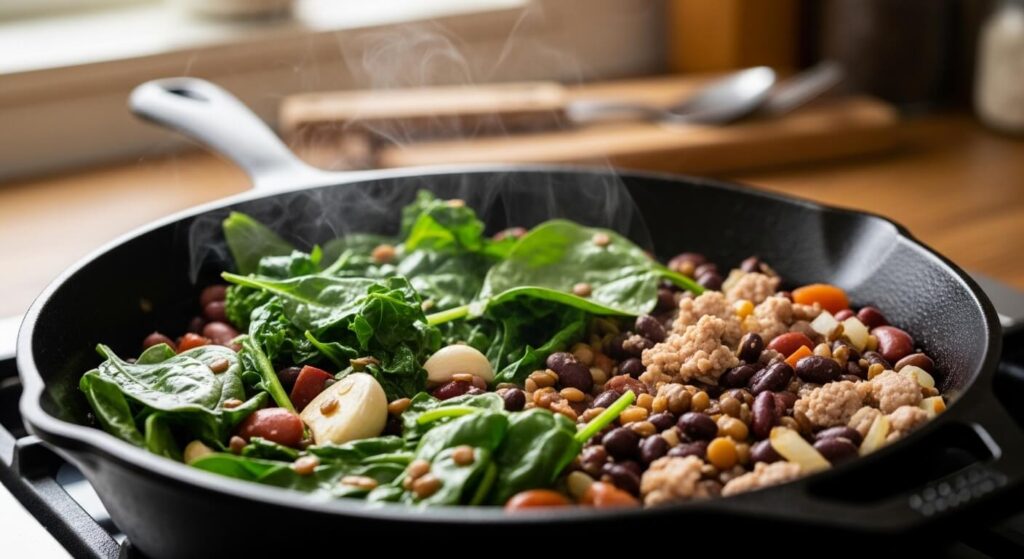
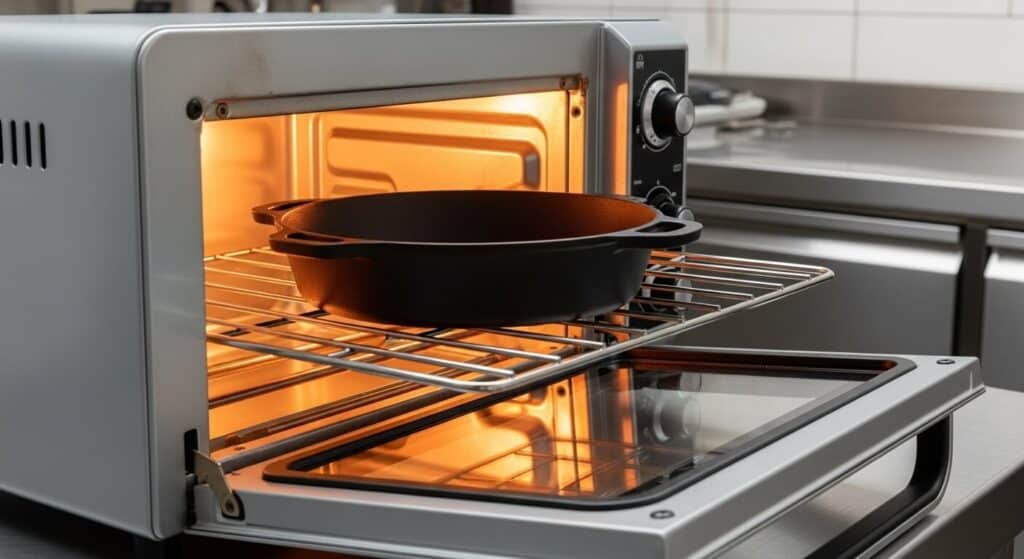
Cast iron skillets heat unevenly at first. Raw cast iron has some hot spots, especially in the center directly over the burner. You need to preheat it properly—5 to 10 minutes over medium heat—before cranking it up. Once it’s evenly hot though? Remarkably stable. And once you’ve got it ripping hot, dishes like this healthy beef and broccoli stir fry come together fast—the skillet holds enough heat to actually char the vegetables instead of steaming them.
Dutch ovens are slower to heat but distribute it more evenly across the whole vessel. That makes sense—more mass, more surface area in contact with the heat source. The thick walls and base mean the entire interior reaches a consistent temperature.
A few things worth knowing:
- Skillets respond faster to temperature changes. Good for precise searing.
- Dutch ovens hold temperature longer after removing from heat. Good for slow cooking.
- Both work on gas, electric, induction, and in the oven—but check if your Dutch oven is induction-compatible if that matters to you.
- Enameled Dutch ovens can handle higher oven temps but check manufacturer limits (usually 450–500°F max for knobs and seals).
Neither one is better at heat—they’re just optimized differently.
Best Uses for Each: Recipes and Cooking Scenarios
What the Skillet Does Best
The skillet is a high-heat, high-contact cooking tool. It excels when you want crust, color, and caramelization.
- Searing steaks and chops — this is the skillet’s superpower. Nothing beats it.
- Frying eggs and bacon — low maintenance once it’s well-seasoned
- Cornbread and biscuits — the bottom crust you get from cast iron is unreal
- Stir-fries — gets hot enough to actually wok-cook if you let it rip
- Smash burgers — flat surface, ripping hot, incredible crust
- Pan-roasted vegetables — better browning than a sheet pan for smaller batches
- Skillet cookies and brownies — fudgy, slightly crispy edges, impressive presentation
If you want to push the skillet to its limits, try making a cast iron skillet Chicago deep dish pizza—it’s one of those recipes that genuinely couldn’t happen in any other pan. And for fast weeknight dinners that take full advantage of the skillet’s heat retention, this shrimp and broccoli stir-fry with oyster sauce is a solid go-to.
What the Dutch Oven Does Best
The Dutch oven is a patience tool. Low heat, long time, deeply flavored results.
- Pot roast and braised short ribs — this is the move. Fall-apart tender.
- Chicken cacciatore or coq au vin — classic braises that need depth
- French onion soup — caramelize right in the pot, add broth, done
- No-knead bread — the enclosed steam environment creates an insane crust
- Beef stew and chili — the volume handles big batches easily
- Deep frying chicken or donuts — more stable oil temp than a shallow pan
Neither does the other’s job badly—you can braise in a skillet with foil on top—but you’re working against the tool. Use the right one.
Cooking Performance: Searing, Frying, and Baking
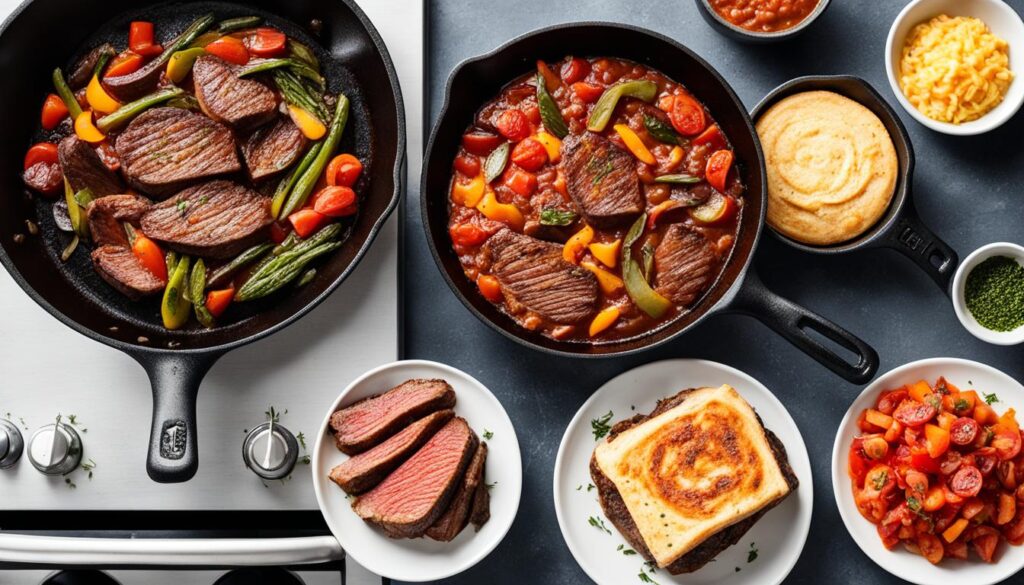
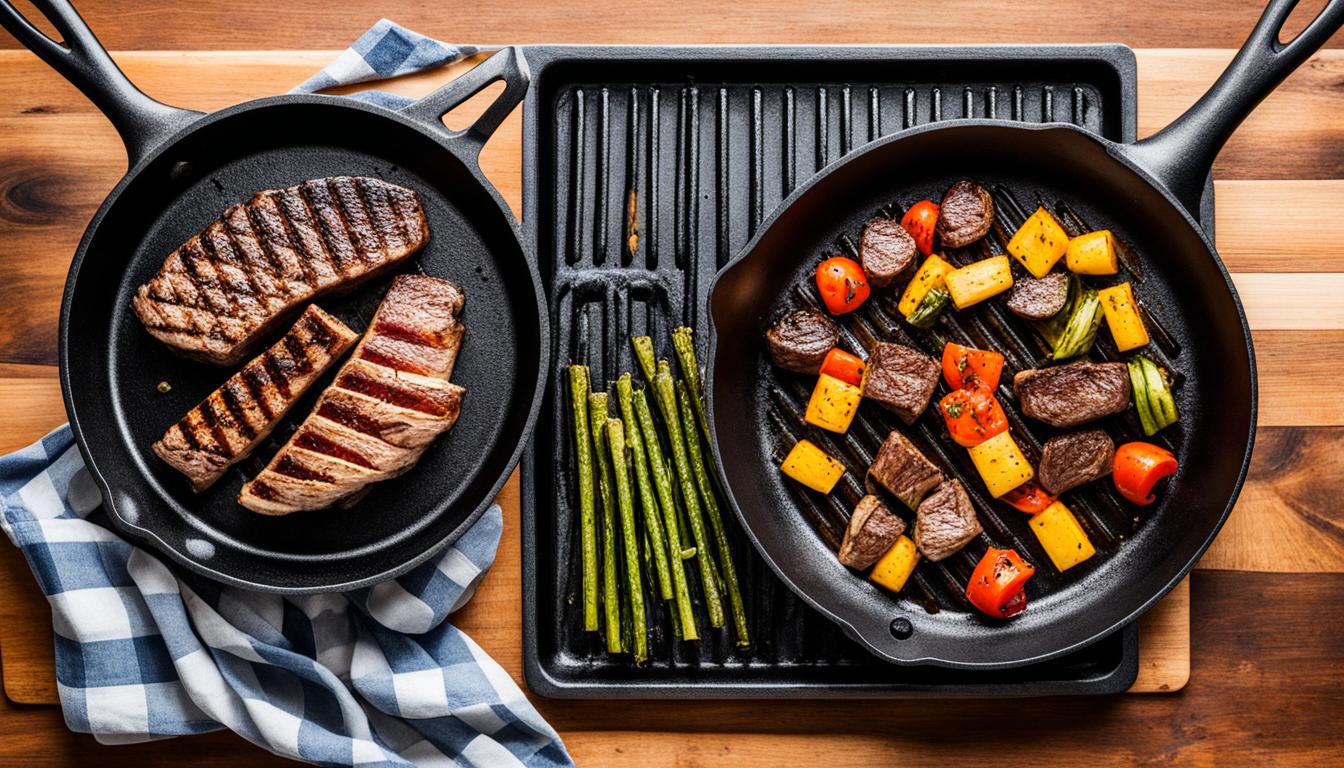
Searing. Skillet wins. Full stop. The wide, flat surface, the high heat tolerance, the direct contact—it’s just purpose-built for this. A Dutch oven can sear in a pinch (and you’ll want to brown meat before braising anyway), but the narrower base means crowding and steaming instead of actual crust.
Frying. Dutch oven wins here—for deep frying specifically. The depth keeps oil splatter contained. The mass keeps oil temperature stable when you add food. A skillet can shallow-fry just fine, but for proper deep frying? Go Dutch oven.
Baking. Depends on what you’re baking.
- Cornbread, skillet cake, pan pizza → skillet, no contest
- Bread loaves, casseroles, cobblers → Dutch oven handles these better
One underrated thing: both go from stovetop to oven without issue (assuming no plastic handles). That flexibility is genuinely useful. Start a dish on the burner, finish it in a 400°F oven. Works every time.
Maintenance and Care: Skillet vs Dutch Oven
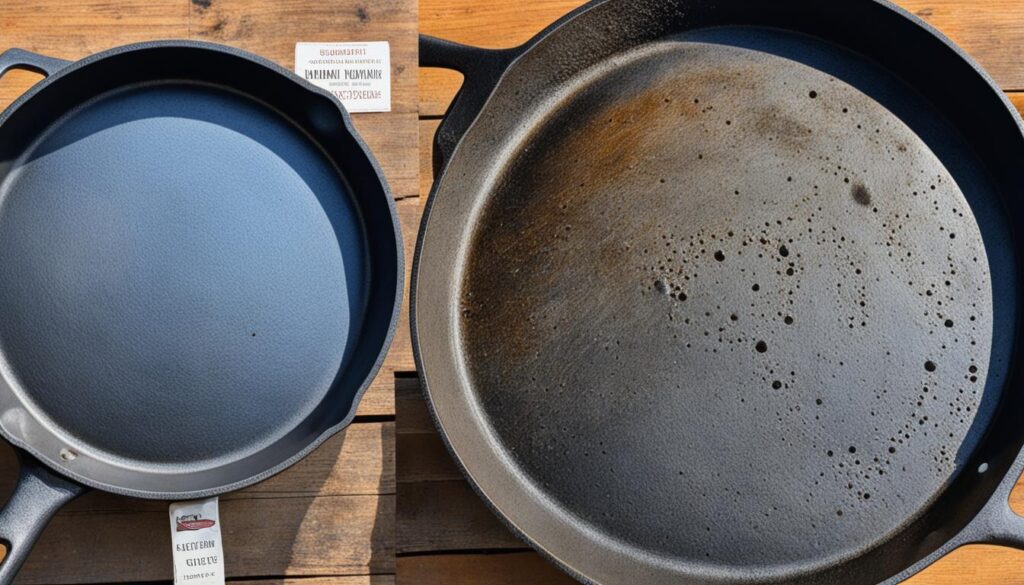
This is where a lot of people get confused—or just scared off entirely. It’s not that complicated.
Bare Cast Iron (Both Skillets and Uncoated Dutch Ovens)
- Wash with warm water and a stiff brush. Mild soap is fine occasionally—that “never use soap” rule is outdated.
- Dry immediately and completely. Rust forms fast if you leave water sitting.
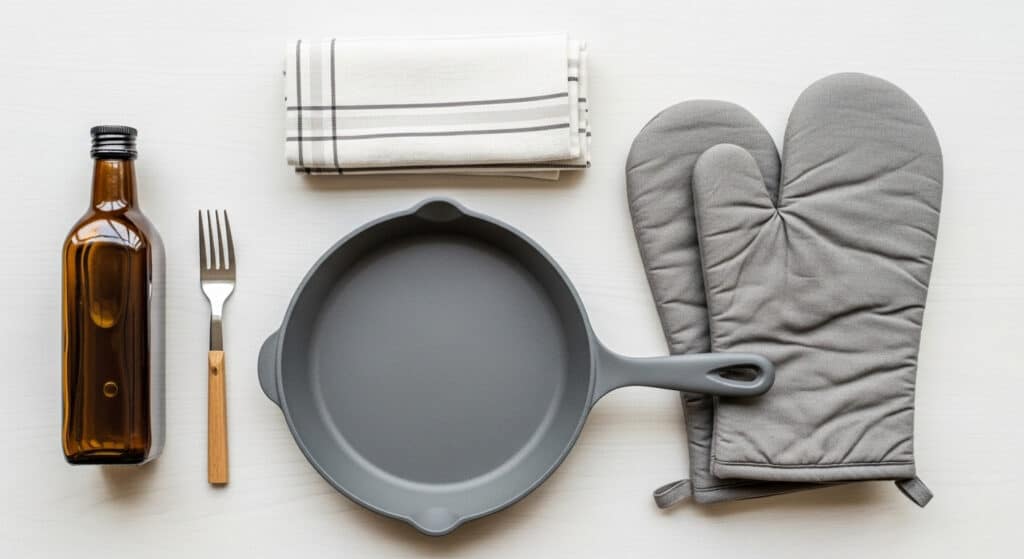
- Apply a thin layer of oil after drying while the pan is still warm. Just a wipe-down. Don’t glob it on.
- Never soak in water. Ever.
- Avoid cooking acidic foods (tomatoes, citrus, wine) for long periods in unsealed bare iron—it strips seasoning and can add a metallic taste.
For a deeper breakdown of cleaning methods that won’t damage your seasoning, the best ways to clean a cast iron skillet covers everything from rust removal to daily maintenance—same principles apply to a bare cast iron Dutch oven.
Enameled Cast Iron (Most Dutch Ovens)
- Dishwasher technically safe but handwashing extends the life of the enamel
- Avoid metal utensils—they chip the enamel coating
- Don’t preheat empty on high heat—thermal shock can crack the enamel
- Stains are normal. The interior of a white or cream enamel Dutch oven will darken. That’s fine. It doesn’t affect performance.
- Stubborn stuck-on food? Simmer some water with baking soda in the pot. Comes right off.
Bare cast iron has more rules but builds a better non-stick surface over time. Enameled is lower maintenance but can’t be reseasoned if damaged.
Durability and Longevity
This is one of the best things about cast iron in general. These things last generations. Not an exaggeration.
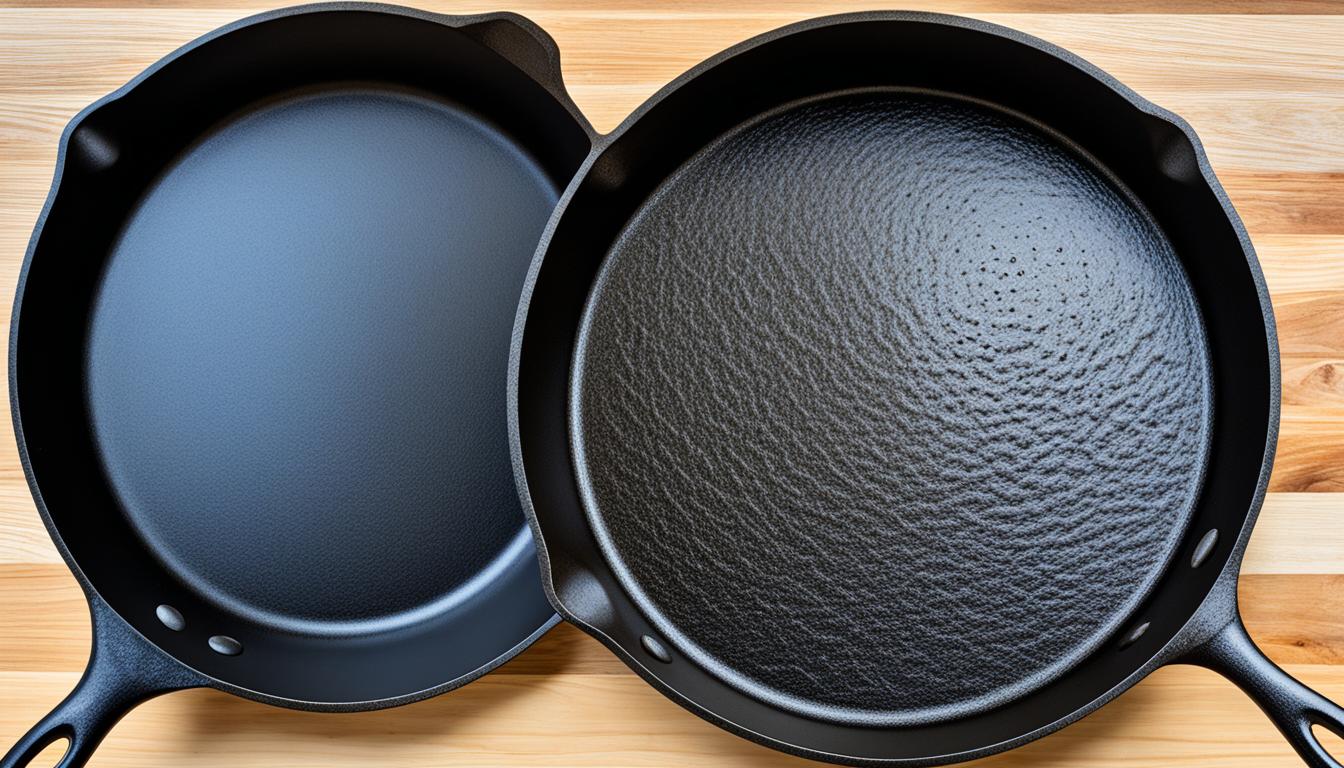
Your grandma’s cast iron skillet? Still works. Still great. Might even be better than new.
The caveat: bare cast iron can rust if neglected, but rust is fixable. It’s not death. Strip it, reseason it, good as new. Enamel on a Dutch oven can chip if you bang it against things or overheat it empty—and chipped enamel is harder to repair. Not impossible, but annoying.
A few practical durability notes:
- Drop it and it can crack. Cast iron is brittle under impact despite being heavy. Don’t drop it on a tile floor.
- Thermal shock can crack it too. Don’t run a screaming-hot pan under cold water.
- Warping isn’t common but can happen with extreme temperature swings.
- Lodge, Le Creuset, Staub, Field Company—all make pieces that realistically outlast you if maintained.
Buy quality once. That’s the whole strategy.
Versatility in Cooking Environments
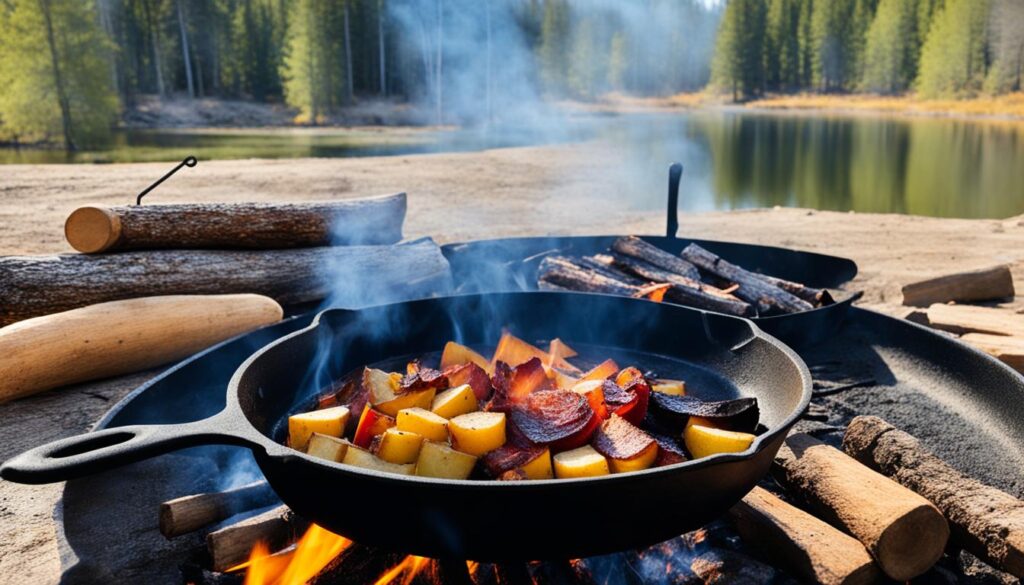
Cast iron might be the most flexible cookware for where you cook, not just what you cook.
Indoor stovetop: Works on gas, electric, glass-ceramic, and induction (check that your specific piece is induction-compatible—most are, but enameled pieces vary).
Oven: Both pieces are fully oven-safe. The skillet handles broiler duty too. Dutch ovens usually cap out around 450–500°F because of the knob.
Outdoor grill: Skillet on a grill grate is brilliant. Gets insanely hot. Great for searing when you don’t want to heat the whole kitchen.
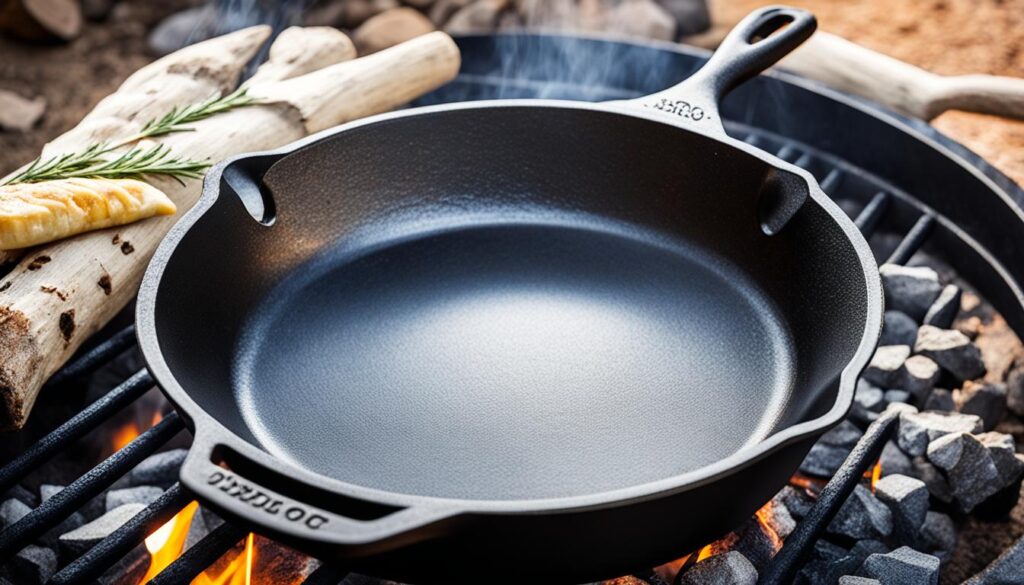
Campfire: This is where cast iron is basically unbeatable. Set it directly in coals. Dutch ovens with flat lids are specifically designed for campfire cooking—you can pile coals on top for even heat. The skillet works great over open flame too.
No Teflon to worry about. No temperature limits on bare cast iron (within reason). Just iron.
Price Comparison: Investment vs Value
Price range is all over the place here, depending on brand and type.
| Type | Budget | Mid-Range | Premium |
|---|---|---|---|
| Cast Iron Skillet | $20–30 (Lodge) | $80–120 (Field, Finex) | $150–200+ (Smithey) |
| Bare Cast Iron Dutch Oven | $30–50 (Lodge) | $60–100 | $150+ |
| Enameled Dutch Oven | $60–80 (Amazon basics) | $150–200 (Tramontina) | $350–500+ (Le Creuset, Staub) |
Here’s the honest take: Lodge makes excellent skillets for $25–35. There’s genuinely no reason to spend more unless you want something lighter or with a better finish. A $25 Lodge skillet will outperform a $200 non-stick pan and last longer than your car.
Dutch ovens are trickier. The cheap enameled ones are cheaper for a reason—thinner walls, less even heating, enamel that chips earlier. The Le Creuset premium is real, but so is the price. Tramontina hits a nice sweet spot around $70–80.
If budget is tight: skillet first. More daily use, lower cost. Add a Dutch oven when you’re ready.
Aesthetic Appeal and Kitchen Decor
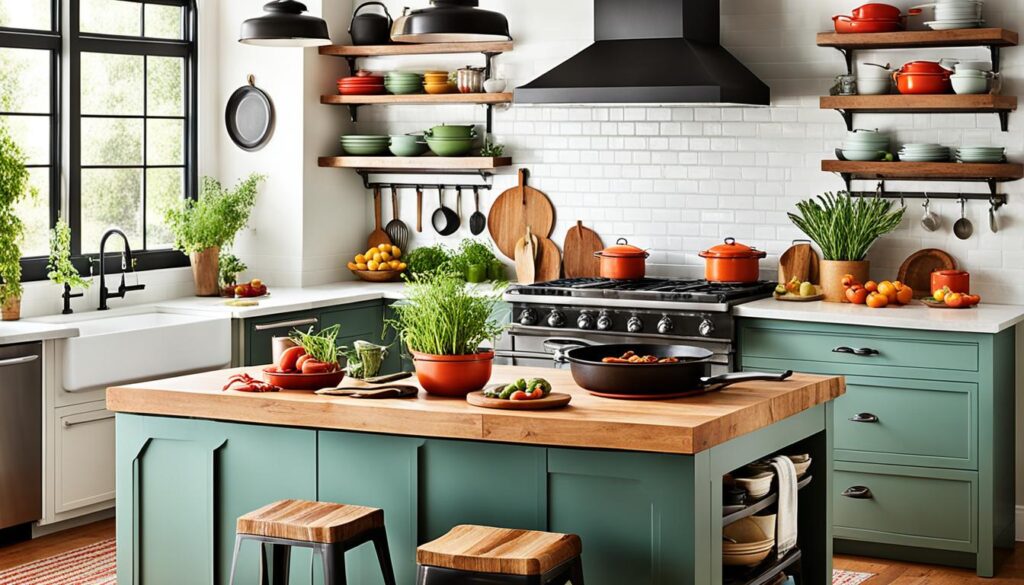
Okay, this matters more than people admit.
Dutch ovens are gorgeous. Le Creuset’s Flame orange or Marseille blue sitting on a stovetop or countertop—it’s genuinely beautiful cookware. That’s part of why people spend $400 on them. Function and form.
Cast iron skillets have their own thing going. That matte black, the weight, the utilitarian vibe. Hanging a well-seasoned skillet on a pot rack looks like a real cook lives there.
Some practical notes on the aesthetics side:
- Enameled Dutch ovens come in dozens of colors—easy to match or contrast your kitchen
- Bare cast iron is basically one look: dark, matte, rugged. That’s it.
- Both serve-from-pot beautifully for dinner parties or table presentation
- A cracked or heavily chipped enamel piece looks rough—worth investing a bit more upfront
It’s cookware you’ll use for decades. If it makes you happy to look at, that’s a valid factor.
Which Is Right for You? Making the Right Choice for Your Kitchen
If you’re still on the fence, browsing a broader cast iron cookware guide can help you understand how cast iron compares to other materials—useful context before committing to either piece.
That said, the answer usually comes down to this:
Get the skillet if:
- You cook steaks, chops, or eggs regularly
- You want one pan that works for stovetop and oven
- Budget is limited and you want maximum utility per dollar
- You do a lot of quick, high-heat cooking
- You’re a beginner—the skillet teaches you how cast iron behaves
Get the Dutch oven if:
- You make soups, stews, or braises often
- You want to bake bread at home
- You cook for larger groups
- You’re doing campfire or outdoor cooking that needs depth
- You already own a skillet and want to expand
Get both if:
- You cook seriously and want full coverage
- You do both high-heat searing and slow braising regularly
- You entertain often
Honestly? Start with a $25–35 Lodge skillet. Most people find it covers 80% of their everyday cooking. Then, when you hit the ceiling of what it can do—when you want to make a proper braise or a big pot of soup—that’s when you add the Dutch oven.
Both are worth owning eventually. It’s just a matter of which one fills the gap you actually have right now.