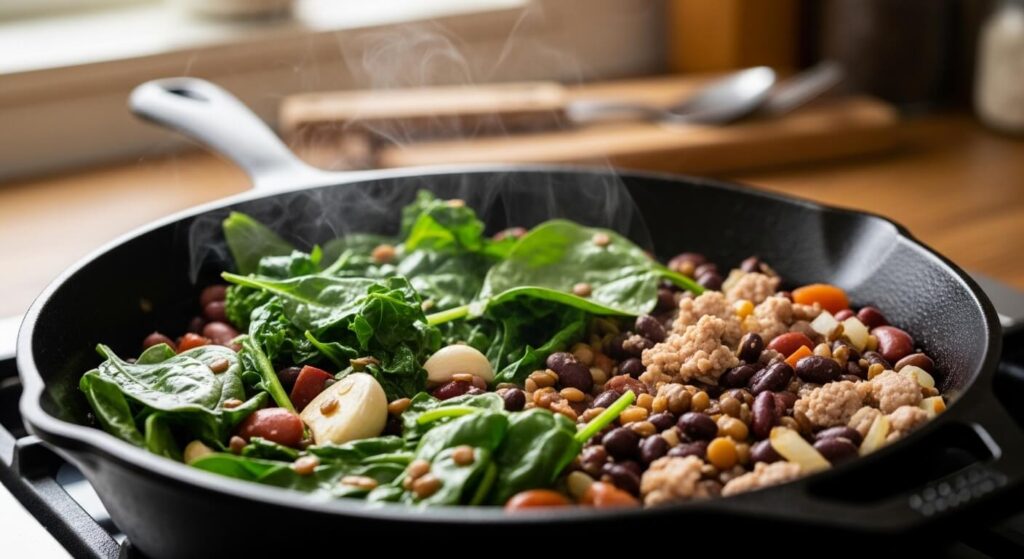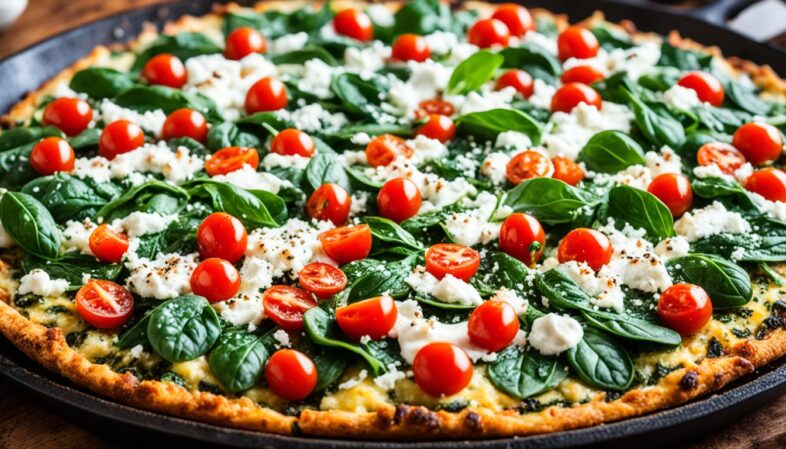
Your cast iron skillet is the only pan you actually need for a great breakfast – that’s the 100 percent truth.
It heats evenly, moves from stovetop to oven without a second thought, and — once it’s properly seasoned — it’s almost naturally non-stick. That means less oil, less mess, and more flavor. Whether you’re going low-carb, high-protein, gluten-free, or just trying to feed four hungry people before 9am, these recipes have you covered. These are ten healthy breakfasts your cast iron was built for.
The Benefits of Cooking Breakfast in a Cast Iron Skillet
A cast iron skillet does things other pans can’t. Here’s what actually matters.
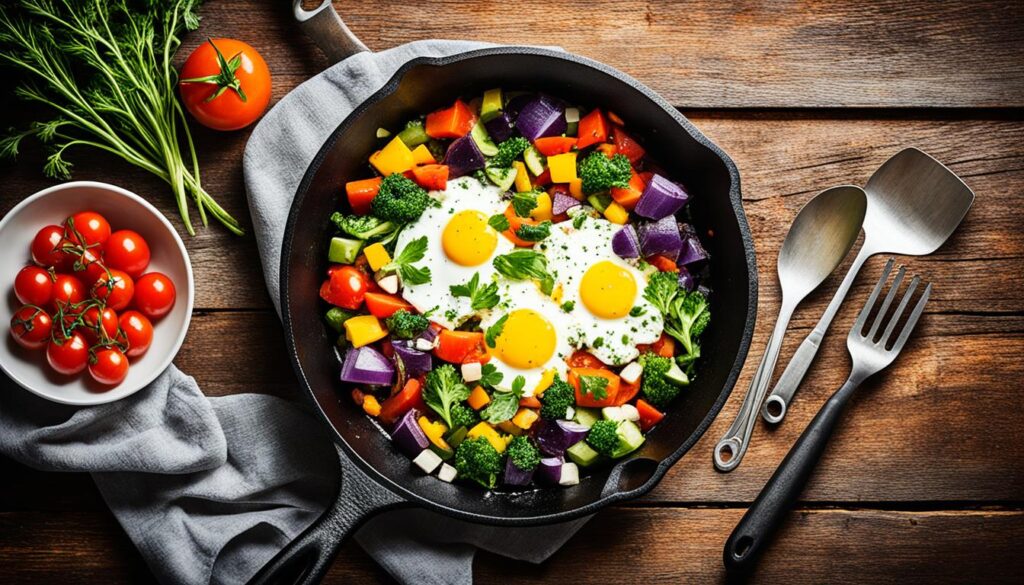
Even Heat Distribution
Pancakes are the real test. Cook them in a thin pan and you’ll get scorched centers and raw edges. In cast iron? Even golden every time. The thick material holds heat uniformly, so there’s no fighting for the “hot spot.”
From Stovetop to Oven — No Drama
Start a frittata on the burner, finish it in the oven. Same pan. That flexibility is genuinely useful — you’re not juggling cookware, you’re just cooking. Extra-large electric skillets are great for big crowds, but for daily morning cooking, nothing beats cast iron’s oven compatibility.
Natural Non-Stick Properties
Seasoning builds up over time. The more you cook with it, the better it performs. And “less oil” isn’t just about calories — it means your eggs actually taste like eggs, not like whatever oil you poured in.
| Feature | Why It Matters |
|---|---|
| Heat retention | Food stays warm while you’re plating everything else |
| Durability | Won’t warp, won’t flake, won’t quit |
| Adds trace iron | Genuinely boosts nutritional value |
| Versatile cooking | Sauté, bake, fry — same pan |
Essential Tips for Using Your Cast Iron Skillet
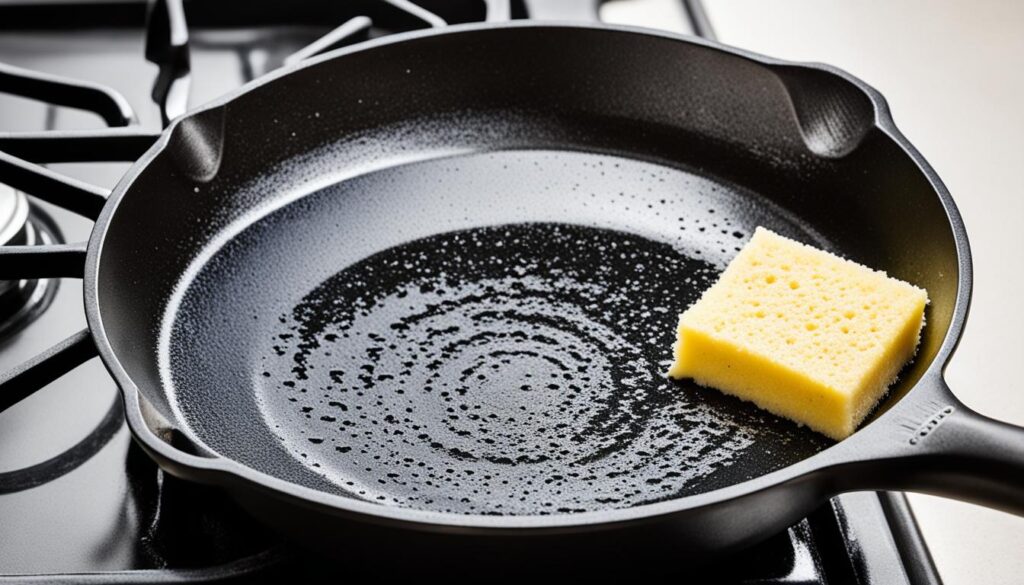
A few rules that actually make a difference:
- Preheat it. Always. Two to three minutes over medium before anything goes in. Cold cast iron is sticky cast iron.
- Low-to-medium heat for eggs. High heat and eggs don’t get along in any pan, but it’s especially unforgiving here.
- Clean it while it’s still warm — hot water, stiff brush, no soaking. Soaking is how rust starts.
- Dry it completely, then rub a thin layer of oil over the surface. That’s it. Five seconds of work.
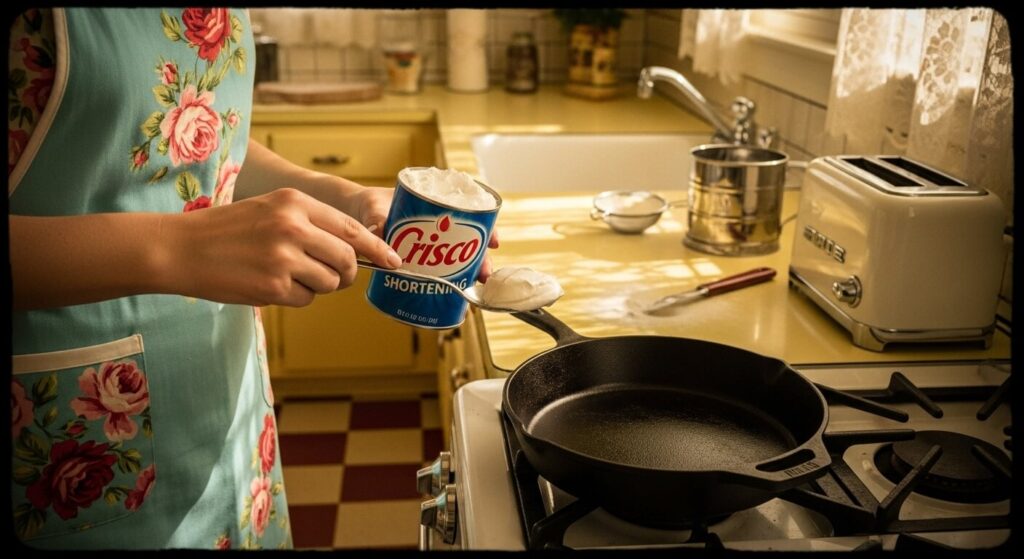
On seasoning your cast iron — do it 3–4 times in the oven and you’ll build a surface that’s incredibly resilient. Pick your oil based on smoke point.
| Oil | Smoke Point (°F) | Approx. Cost (32 oz) |
|---|---|---|
| Canola | 400 | ~$4 |
| Grapeseed | 420 | ~$8 |
| Avocado | 520 | ~$15 |
| Flaxseed | 225 | ~$12 |
Avocado oil is ideal for seasoning. Canola works fine if you’re watching budget.
Savory Mediterranean Frittata
This is the cast iron recipe to start with. A Mediterranean frittata is high-protein, packed with vegetables, and it looks impressive. The fact that it takes about 20 minutes total is almost embarrassing.
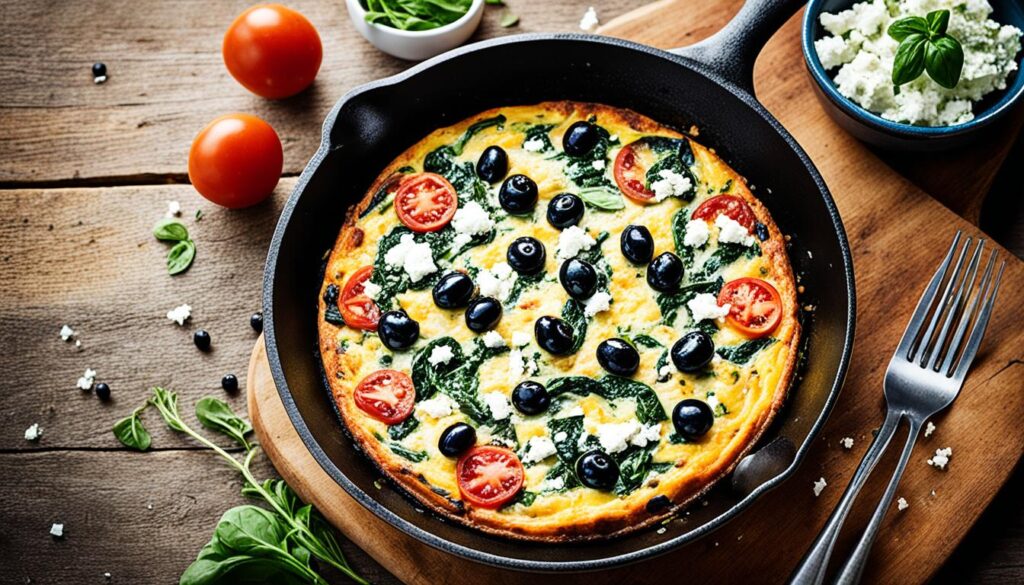
What You’ll Need (Serves 4)
- 8 large eggs
- 1/4 cup whole milk
- 2 cups fresh spinach, roughly chopped
- 1 cup cherry tomatoes, halved
- 1/2 cup feta cheese, crumbled
- 1/2 medium red onion, thinly sliced
- 3 tablespoons olive oil
- 1-1/2 teaspoons dried oregano
- Salt and black pepper to taste
How to Make It
- Preheat your oven to 375°F.
- Whisk eggs with milk, a pinch of salt, and pepper. Set aside.
- Heat olive oil in the skillet over medium. Add onion and cook 3 minutes until soft.
- Toss in spinach and tomatoes. Cook until spinach wilts — about 2 minutes.
- Pour the egg mixture over the vegetables. Don’t stir.
- Scatter feta and oregano across the top.
- Cook on the stove 4–5 minutes until edges are just set.
- Transfer to oven. Bake 10–12 minutes until golden and puffed.
Serve straight from the skillet. Pair with whole grain toast or sliced fruit.
Nutrition (Per Serving)
| Nutrient | Amount per Serving |
|---|---|
| Calories | 285 |
| Carbohydrates | 6g |
| Protein | 18g |
| Fat | 21g |
| Fiber | 1.5g |
| Sodium | 480mg |
Sweet Potato and Kale Hash
This one earns its spot as a go-to vegetarian breakfast. Sweet and earthy. Filling without being heavy. Throw a fried egg on top and it becomes something else entirely.
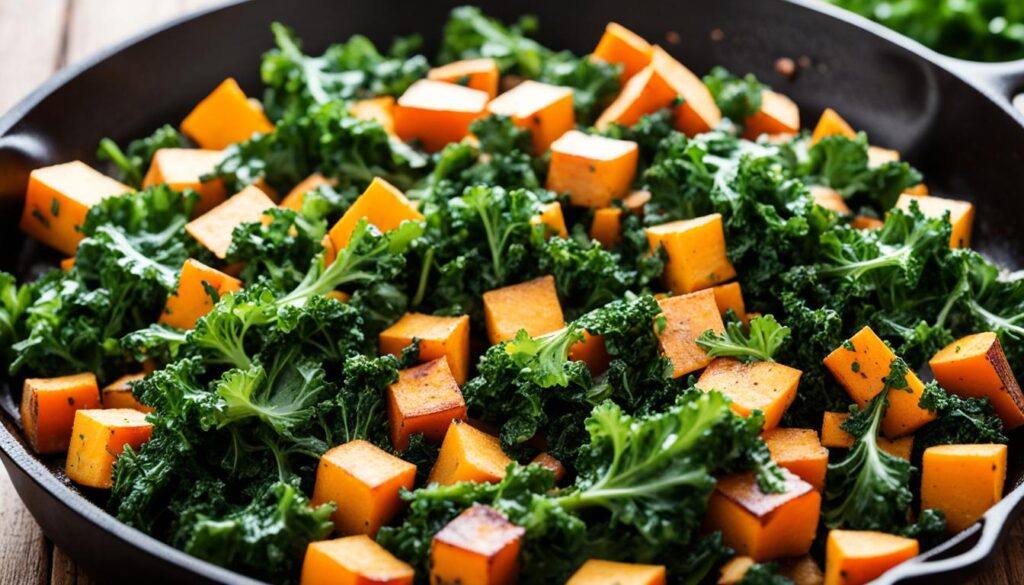
What You’ll Need (Serves 4)
- 3 medium sweet potatoes, diced small (about 4 cups)
- 1 large bunch kale, stems removed, chopped (about 5 cups)
- 1 large onion, diced
- 3 cloves garlic, minced
- 3 tablespoons olive oil
- 1 teaspoon smoked paprika
- 1/2 teaspoon cumin
- Salt and pepper to taste
- Optional: 4 eggs for topping
How to Make It
Heat oil in your skillet over medium-high. Add sweet potatoes — spread them out, don’t crowd. Cook 10–12 minutes, stirring occasionally, until golden and tender. Add onion and garlic. Another 3–4 minutes.
In goes the kale. Stir and cook 2–3 minutes until wilted. Season with paprika, cumin, salt, and pepper.
Want eggs? Make four wells in the hash, crack one egg into each. Cover and cook 3–5 minutes depending on how you like your yolks. For a healthy beef and broccoli stir-fry using your skillet another night, that’s worth checking out too.
Nutrition (Per Serving)
| Nutrient | Amount per Serving |
|---|---|
| Calories | 260 |
| Carbohydrates | 38g |
| Protein | 5g |
| Fat | 11g |
| Fiber | 6g |
| Sodium | 190mg |
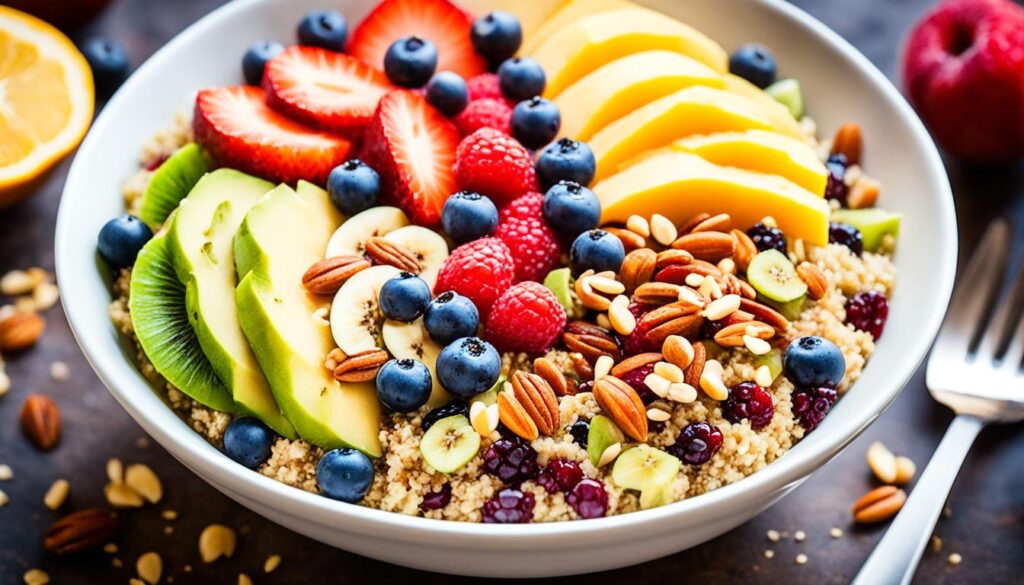
Protein-Packed Quinoa Breakfast Bowl
Gluten-free. High protein. Genuinely filling. A quinoa bowl in the skillet sounds fancier than it is — the whole thing takes 20 minutes. And it scales beautifully for the family.
Preparing the Quinoa Base (Serves 4)
- 1-1/2 cups quinoa, rinsed
- 3 cups water or low-sodium vegetable broth
- Pinch of salt
Add rinsed quinoa and liquid to the skillet. Bring to a boil, reduce to a simmer, cover loosely with foil. Cook 15 minutes until fluffy and the germ ring separates. Remove from heat, fluff with a fork.
Adding Healthy Toppings
For a sweet bowl:
- 1/2 cup each blueberries and raspberries
- 1/4 cup chopped almonds or walnuts
- 1 tablespoon honey per bowl
- A scoop of Greek yogurt
For a savory bowl:
- 1 poached egg per person
- Sliced avocado
- Sautéed spinach with garlic
- Pumpkin seeds and a drizzle of olive oil
Flavor Variations
Stir cinnamon and vanilla extract into the quinoa while it cooks for a warm, cozy base. Or go savory from the start — adding herbs like thyme or fresh basil changes the entire character of the bowl.
Nutrition (Per Serving — Sweet Version)
| Nutrient | Amount per Serving |
|---|---|
| Calories | 340 |
| Carbohydrates | 52g |
| Protein | 14g |
| Fat | 9g |
| Fiber | 5g |
| Sodium | 95mg |
Whole Grain Apple Pancake
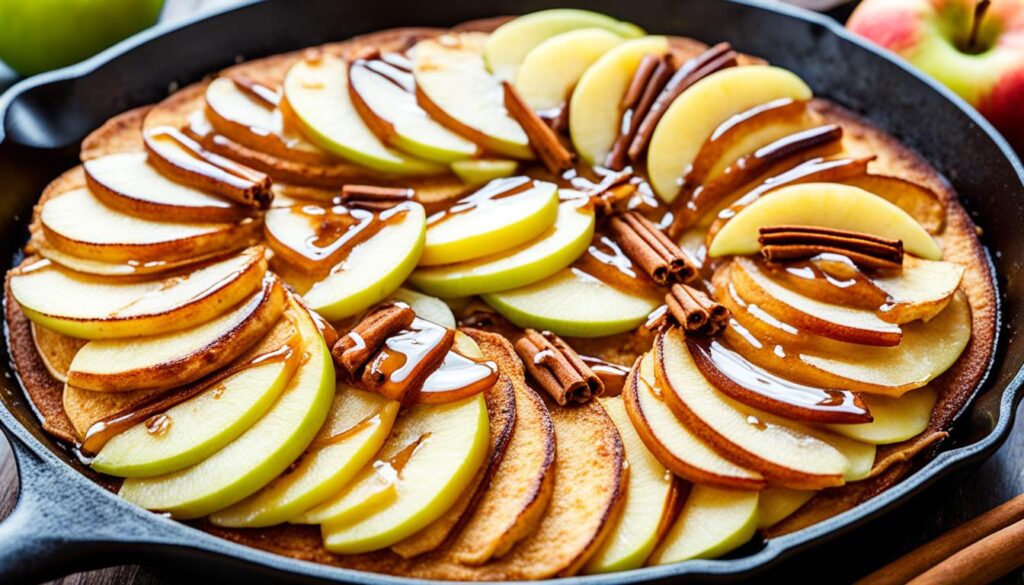
This isn’t a stack of pancakes — it’s one big, puffed, oven-baked pancake that feeds everyone at once. No standing over the stove flipping. Just pour it in, put it in the oven, and twenty minutes later it’s golden and gorgeous.
What You’ll Need (Serves 4)
- 1-1/4 cups whole wheat flour
- 3 large eggs
- 1-1/4 cups whole milk
- 3 medium apples, peeled and diced
- 3 tablespoons honey
- 1-1/2 teaspoons cinnamon
- 1/4 teaspoon nutmeg
- 1/4 teaspoon salt
- 3 tablespoons unsalted butter
How to Make It
- Preheat oven to 425°F.
- Whisk flour, eggs, milk, honey, cinnamon, nutmeg, and salt until smooth — a few lumps are fine.
- Fold in diced apples gently.
- Heat a 12-inch cast iron skillet over medium. Add butter and let it melt, swirling to coat the sides.
- Pour batter in. It will sizzle. That’s what you want.
- Immediately transfer to oven. Bake 20–25 minutes until puffed and deep golden.
It deflates a little when it comes out — totally normal. Slice like a pie. Top with a dollop of Greek yogurt or a handful of chopped pecans. Much better than regular pancakes, honestly. This nutritious skillet pancake is one of those recipes you’ll repeat weekly.
| Ingredient | What It Does |
|---|---|
| Whole wheat flour | Fiber and slow-burn energy |
| Eggs | Binds everything, adds protein |
| Apples | Natural sweetness, texture |
| Honey | Sweetener that doesn’t spike hard |
Nutrition (Per Serving)
| Nutrient | Amount per Serving |
|---|---|
| Calories | 370 |
| Carbohydrates | 55g |
| Protein | 11g |
| Fat | 13g |
| Fiber | 5g |
| Sodium | 200mg |
Vegetable-Loaded Breakfast Casserole
Meal prep people — this one’s for you. Make it Sunday. Eat it all week. It reheats in 90 seconds and tastes just as good on Thursday.
Choosing the Right Vegetables
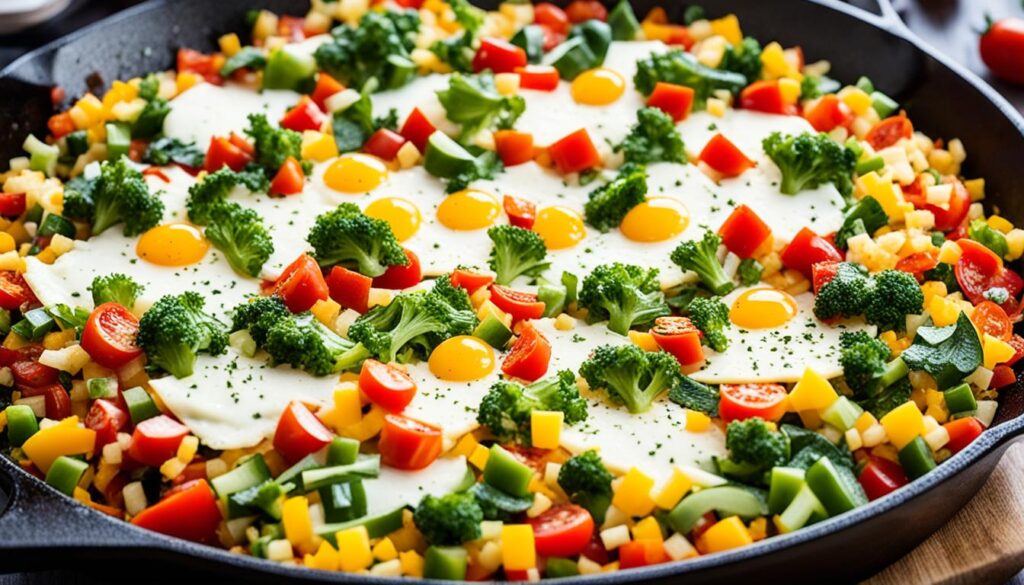
You want a mix of colors and textures. Here’s what works well together:
- 1 cup diced red bell pepper
- 1 cup yellow bell pepper, diced
- 1-1/2 cups sliced mushrooms
- 2 cups fresh spinach
- 1/2 cup diced yellow onion
- 3 cloves garlic, minced
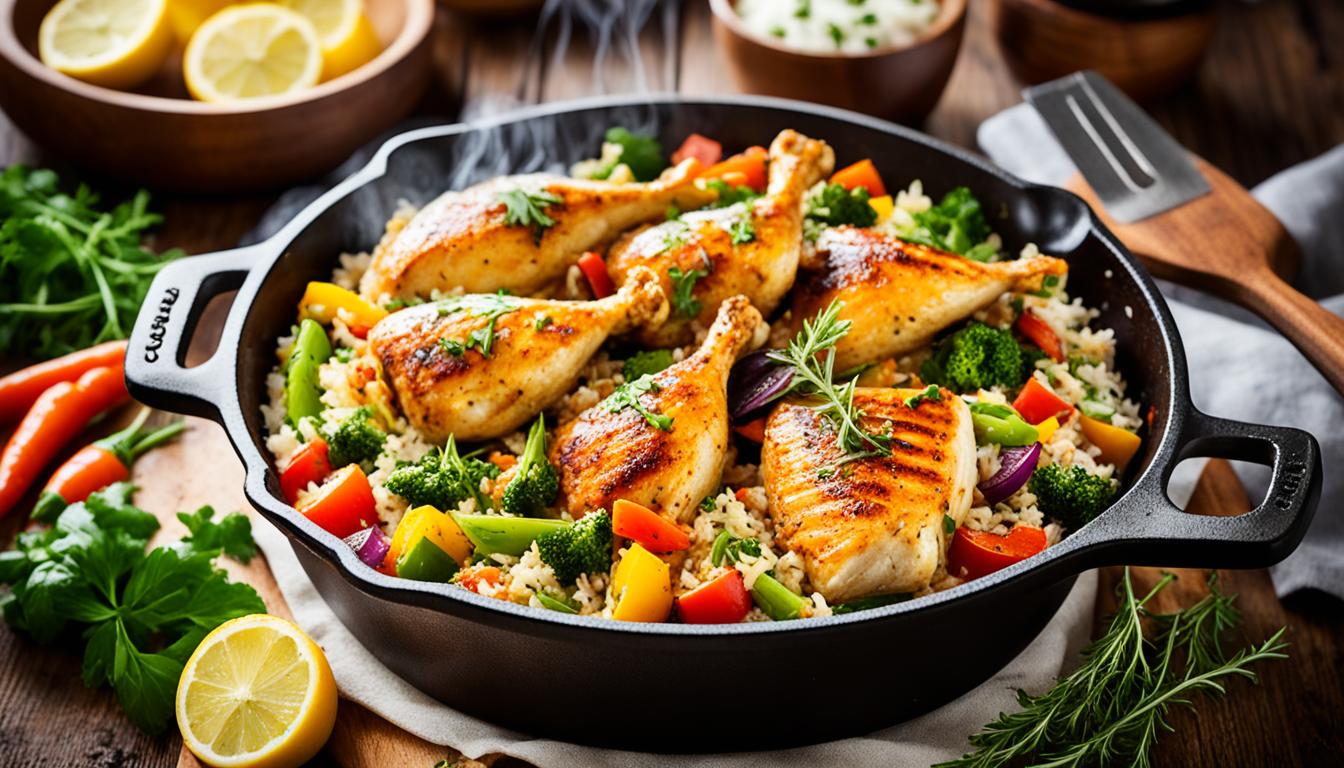
Don’t overthink it. Use what you have. Zucchini works. So does broccoli.
Assembling and Baking (Serves 4–6)
Egg mixture:
- 8 large eggs
- 1/3 cup whole milk
- 1/2 cup shredded cheddar or mozzarella
-
Salt, pepper, and red pepper flakes to taste
-
Preheat oven to 375°F.
- Sauté all vegetables in 2 tablespoons olive oil for 5–6 minutes. Season as you go.
- Whisk eggs with milk, salt, and pepper.
- Pour egg mixture over the vegetables in the skillet.
- Top with cheese.
- Bake 22–25 minutes until fully set and lightly golden on top.
Make-Ahead Options
Cut into portions once cooled. Store in the fridge up to 5 days. Reheat individual slices in the microwave — 90 seconds, covered. For another fast weeknight idea, this shrimp and dumpling stir-fry is worth bookmarking.
Nutrition (Per Serving)
| Nutrient | Amount per Serving |
|---|---|
| Calories | 210 |
| Carbohydrates | 8g |
| Protein | 16g |
| Fat | 13g |
| Fiber | 2g |
| Sodium | 310mg |
Spinach and Feta Greek Omelet
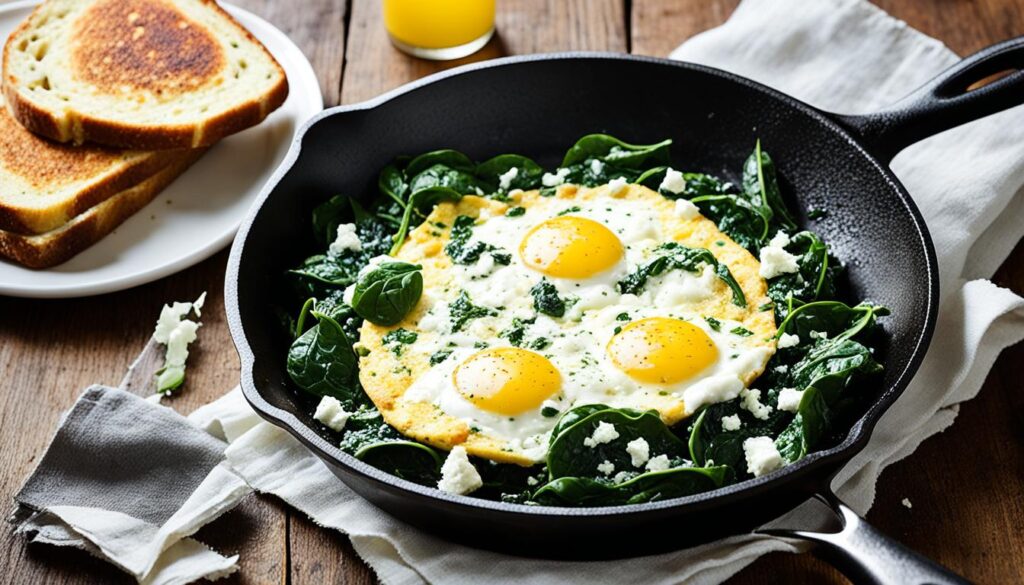
Low-carb. High-protein. Ready in ten minutes. This is the breakfast to make when you want something satisfying without a lot of effort. The feta brings saltiness, the spinach adds substance, and together they’re much better than a plain egg omelet.
What You’ll Need (Serves 4)
- 8 large eggs
- 2 tablespoons water
- 3 cups fresh baby spinach
- 1/2 cup crumbled feta cheese
- 2 tablespoons olive oil
- 1 tablespoon unsalted butter
- 1/4 teaspoon dried oregano
- Salt and pepper to taste
- Optional: sliced kalamata olives, fresh dill
How to Make It
Work in two-omelet batches for best results. Heat 1/2 tablespoon olive oil over medium in the skillet. Wilt half the spinach — 1–2 minutes. Set aside.
Wipe the pan, add 1/2 tablespoon butter. Whisk 4 eggs with a splash of water, salt, and pepper. Pour into the skillet. As the edges set, use a spatula to pull them in, tilting the pan so uncooked egg runs underneath.
When eggs are almost set but still slightly glossy on top, add half the spinach and half the feta to one side. Fold the other half over. Slide onto a plate. Repeat for the second omelet. Garnish with olives or fresh dill if you’ve got it.
Serve with cherry tomatoes on the side — it gives the whole plate a proper Greek breakfast feel.
Nutrition (Per Serving)
| Nutrient | Amount per Serving |
|---|---|
| Calories | 265 |
| Carbohydrates | 3g |
| Protein | 18g |
| Fat | 20g |
| Fiber | 0.5g |
| Sodium | 460mg |
Berry Chia Seed Skillet Oatmeal
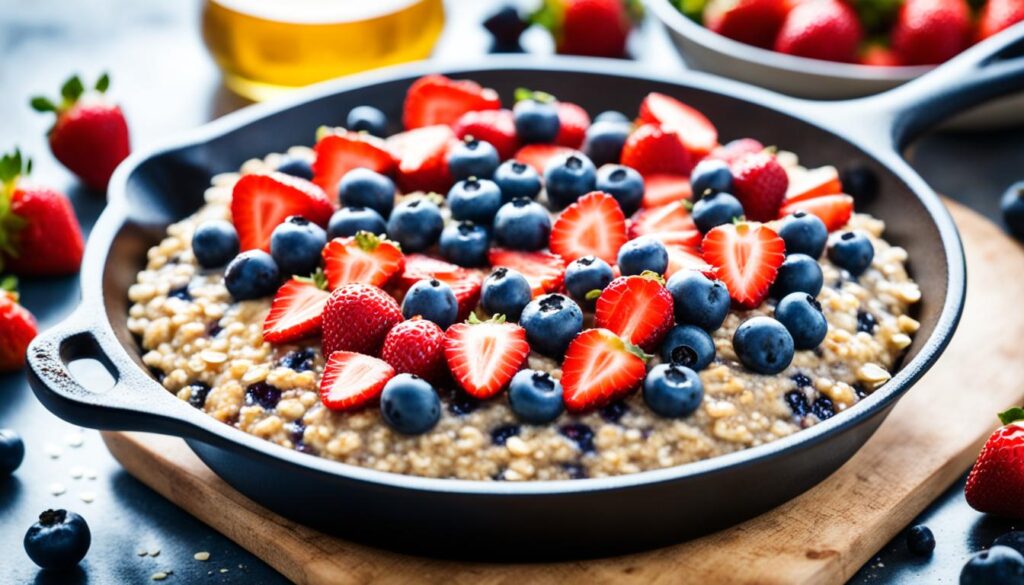
Comfort food that’s actually good for you. The chia seeds thicken everything up into something that’s more like pudding than wallpaper paste. And the berries on top — whatever’s in season — make it feel like an actual treat.

The Health Benefits of Chia Seeds
Two tablespoons of chia seeds contain about 4g of protein, 11g of fiber, and a solid dose of omega-3 fatty acids. Small addition. Real impact. They absorb liquid and create a creamy texture that transforms basic oatmeal.
Cooking Perfect Skillet Oatmeal (Serves 4)
- 2 cups rolled oats
- 4 cups unsweetened almond milk (or regular milk)
- 3 tablespoons chia seeds
- 2 cups mixed berries (fresh or frozen)
- 1 teaspoon cinnamon
- 2 tablespoons maple syrup
- Pinch of salt
Combine oats, milk, chia seeds, cinnamon, and salt in the skillet over medium heat. Stir frequently for 6–8 minutes as it thickens. Add half the berries and cook 2–3 more minutes. Spoon into bowls, top with remaining berries and a drizzle of maple syrup.
Seasonal Berry Variations
- Spring/Summer: Strawberries, blueberries, fresh peaches
- Fall: Blackberries, raspberries, diced pear
- Winter: Frozen mixed berries work great — don’t thaw them, just stir in frozen
Nutrition (Per Serving)
| Nutrient | Amount per Serving |
|---|---|
| Calories | 310 |
| Carbohydrates | 52g |
| Protein | 10g |
| Fat | 7g |
| Fiber | 9g |
| Sodium | 130mg |
Low-Carb Zucchini Breakfast Pizza
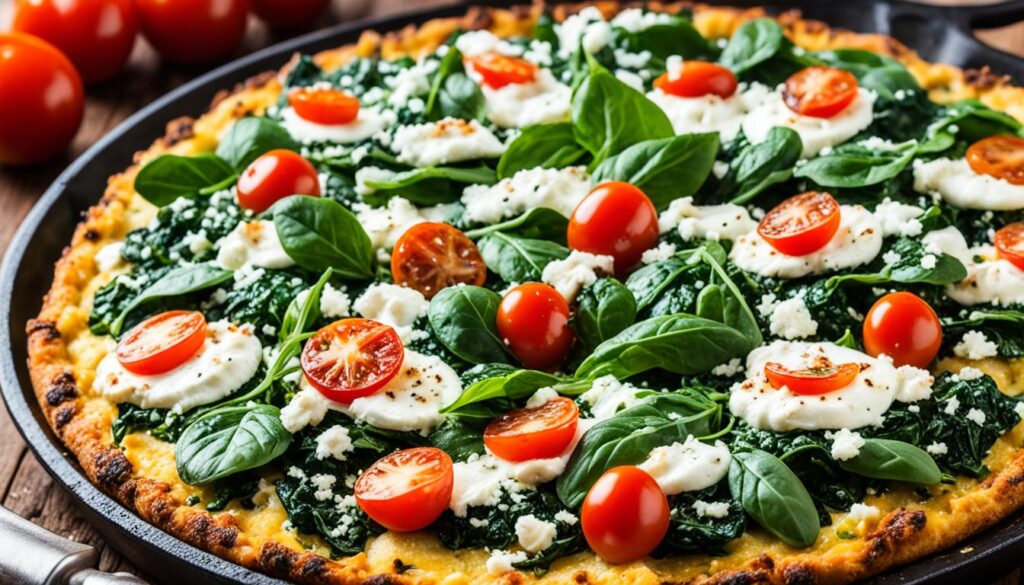
This genuinely surprises people. Pizza for breakfast sounds indulgent, but at 3.5g net carbs per serving, it fits cleanly into a keto morning. The zucchini base gets crispy on the bottom in the cast iron — something you can’t replicate in a regular baking dish.
What You’ll Need (Serves 4)
- 4 medium zucchinis, sliced 1/4 inch thick
- 3/4 cup marinara sauce (low-sugar)
- 1-1/2 cups shredded mozzarella
- 2 tablespoons grated Parmesan
- 12 slices pepperoni, quartered
- 1 teaspoon dried oregano
- 1/2 teaspoon garlic powder
- 1/2 teaspoon salt
- 1/4 teaspoon black pepper
- Optional: red pepper flakes, fresh basil
How to Make It
- Preheat oven to 375°F.
- Layer zucchini slices in the skillet — overlap them slightly to form a solid base. Season with salt, pepper, garlic powder, and half the oregano.
- Spoon marinara evenly over the top, leaving a half-inch border.
- Sprinkle Parmesan, then mozzarella.
- Scatter pepperoni across the top. Add remaining oregano.
- Bake 28–32 minutes until cheese is bubbling and edges are golden.
- Rest 5 minutes before slicing — the base firms up as it cools.
Want to go fully vegetarian? Skip the pepperoni and add sliced olives, roasted red peppers, or artichoke hearts. Still excellent.
Nutrition (Per Serving)
| Nutrient | Amount per Serving |
|---|---|
| Calories | 245 |
| Carbohydrates | 7g |
| Protein | 19g |
| Fat | 16g |
| Fiber | 1.5g |
| Sodium | 580mg |
Shakshuka: Middle Eastern Eggs in Tomato Sauce
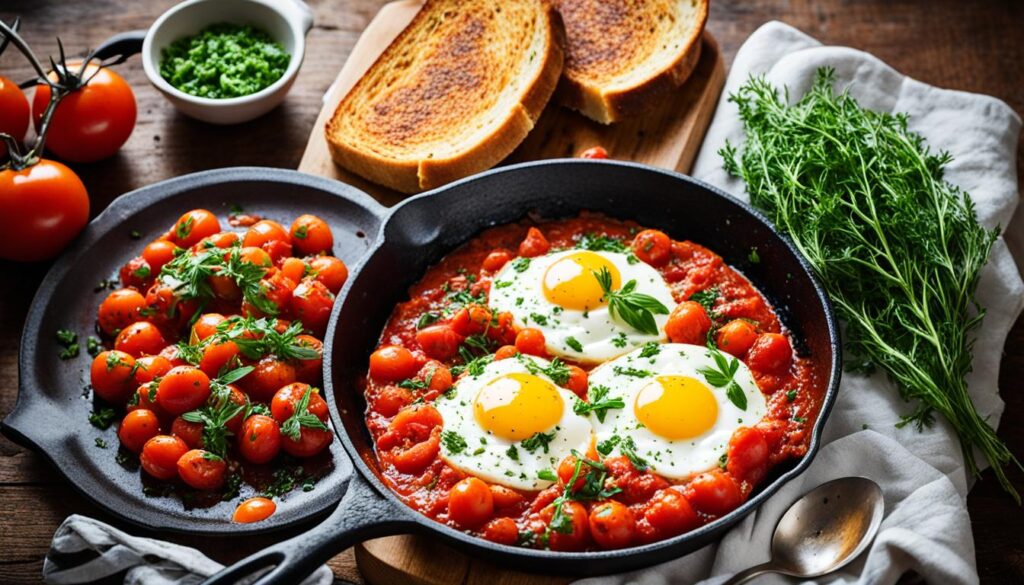
Shakshuka doesn’t look like a typical American breakfast, which is exactly why you should make it. Eggs poached directly in spiced tomato sauce, eaten straight from the skillet with crusty bread. It’s the kind of breakfast people linger over.
Origins of Shakshuka
The dish traces back to North Africa — Tunisia, likely — and traveled east to become a breakfast staple in Israel. The name comes from Arabic and roughly means “mixture.” It’s been a morning mainstay across the Middle East for generations, which says something about how well it works.
Customizing Your Shakshuka (Serves 4)
Base recipe:
- 1 large onion, diced
- 2 red bell peppers, chopped
- 4 garlic cloves, minced
- 6 medium tomatoes, diced (or one 28oz can crushed tomatoes)
- 1/2 cup tomato sauce
- 1-1/2 teaspoons cumin
- 1-1/2 teaspoons smoked paprika
- 1/4 teaspoon cayenne
- 8 large eggs
- 2 tablespoons olive oil
- Salt and pepper to taste
- Fresh parsley or cilantro for serving
Cook onion and peppers in olive oil over medium heat — 6–7 minutes until softened. Add garlic and spices, stir for 1 minute. Add tomatoes and sauce. Simmer 10–12 minutes until it thickens slightly. Taste and adjust seasoning.
Make eight small wells in the sauce. Crack an egg into each. Cover and cook 5–8 minutes depending on how set you want the yolks. Remove from heat, scatter herbs over the top.
Pairing Suggestions
Warm crusty sourdough or pita for dipping. A simple green salad alongside. This also pairs beautifully with other dishes in a Middle Eastern spread — hummus, a handful of olives, sliced cucumber. For another quick meal using the same skillet, the shrimp and dumpling stir-fry is a different direction entirely but equally satisfying.
Nutrition (Per Serving)
| Nutrient | Amount per Serving |
|---|---|
| Calories | 245 |
| Carbohydrates | 14g |
| Protein | 14g |
| Fat | 15g |
| Fiber | 3.5g |
| Sodium | 360mg |
Gluten-Free Almond Flour Pancakes
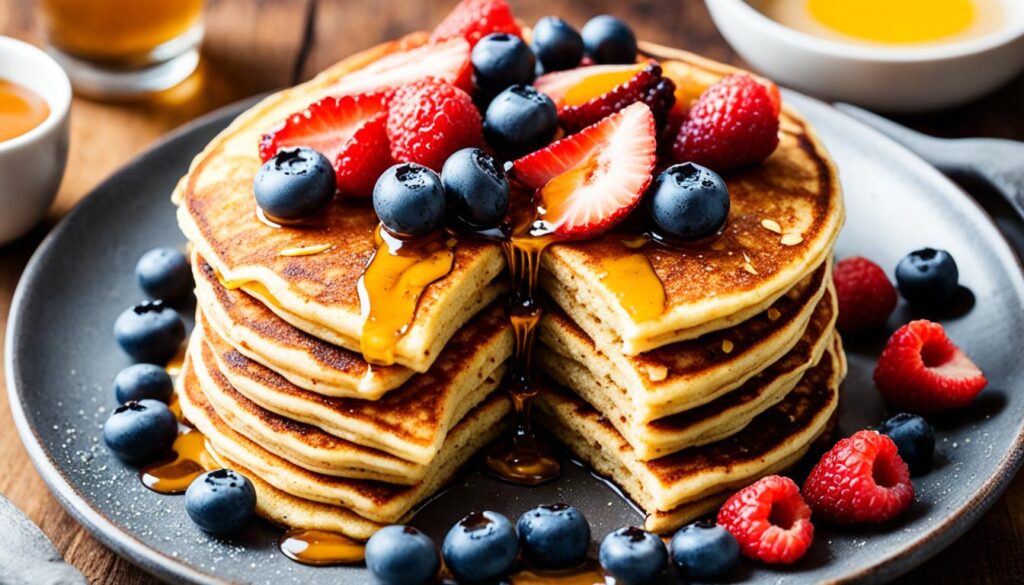
These are genuinely good pancakes. Not “good for gluten-free” — just good. The almond flour keeps them moist and gives them a slightly nutty flavor that works well with maple syrup or fresh fruit. Low sugar, solid protein.
What You’ll Need (Serves 4 — about 12 medium pancakes)
- 2-1/2 cups blanched almond flour (not almond meal)
- 4 large eggs
- 1/2 cup unsweetened almond milk
- 2 tablespoons maple syrup
- 1 teaspoon baking powder
- 1 teaspoon vanilla extract
- 1/4 teaspoon sea salt
- Coconut oil or butter for cooking
How to Make It
Whisk eggs, almond milk, maple syrup, and vanilla in a large bowl. Add almond flour, baking powder, and salt. Stir until smooth — the batter will be slightly thicker than regular pancake batter.
Heat the cast iron over medium-low (not medium — these brown faster than wheat pancakes). Add a small amount of coconut oil or butter. Pour about 1/4 cup of batter per pancake. Cook 3–4 minutes until bubbles form and edges look set. Flip carefully — almond flour pancakes are more delicate — cook another 2–3 minutes.
For a texture closer to traditional pancakes, mix in 2 tablespoons of tapioca flour. Works surprisingly well. Arrowroot is a solid backup if that’s what you have.
Topping Ideas
- Fresh berries and a drizzle of honey
- Banana slices with almond butter
- Greek yogurt and a sprinkle of granola
Nutrition (Per Serving — 3 pancakes)
| Nutrient | Amount per Serving |
|---|---|
| Calories | 380 |
| Carbohydrates | 18g |
| Protein | 16g |
| Fat | 29g |
| Fiber | 4g |
| Sodium | 220mg |
Incorporating Lean Proteins in Skillet Breakfasts
Not every recipe needs to be its own elaborate dish. Sometimes you want something fast that just happens to be high in protein. These three options deserve a spot in the rotation.
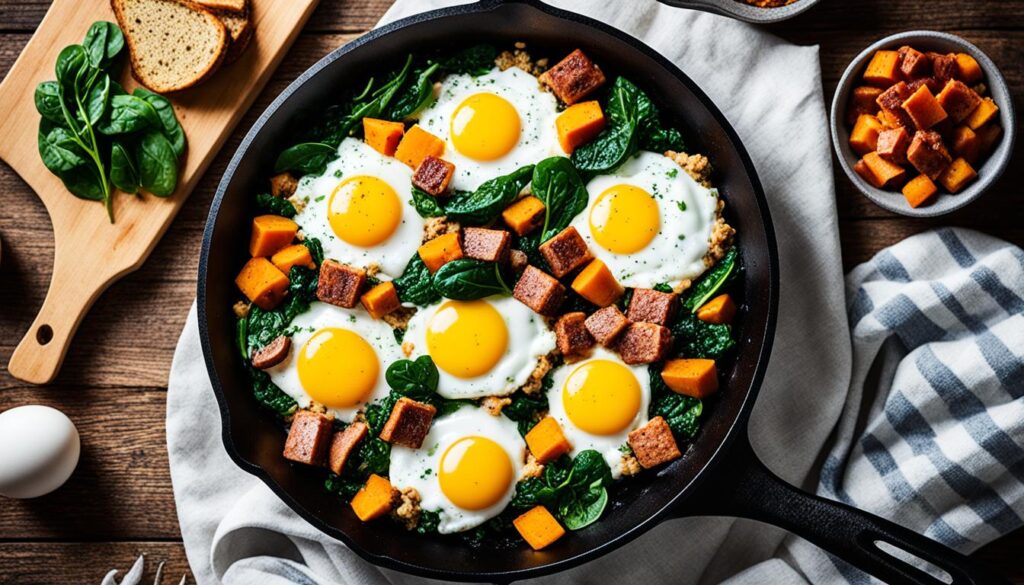
Turkey Sausage and Veggie Scramble
Quick. Filling. 24g of protein per serving and only about 200 calories. Brown 4–5 ounces of turkey sausage per person in the skillet, break it up as it cooks. Add diced bell peppers, onion, and a couple handfuls of spinach. Crack in eggs at the end — two per person — and scramble everything together. Season with garlic powder, black pepper, and a splash of hot sauce.
Smoked Salmon and Dill Frittata
This one feels special but it’s not complicated. Make it the same way as the Mediterranean frittata above — but swap the feta for smoked salmon pieces and replace the oregano with fresh dill. About 22g of protein per serving. The omega-3s from the salmon make this nutritionally excellent, not just tasty.
Tofu Breakfast Tacos
Don’t skip this one if you’re vegetarian. Crumble firm tofu into a hot, oiled skillet. Season with cumin, smoked paprika, turmeric, and garlic powder — this is what gives it that egg-like color and savory flavor. Add black beans and diced peppers. Serve in small corn tortillas with avocado and salsa. About 18g of plant protein per serving.
| Recipe | Protein | Calories | Prep Time |
|---|---|---|---|
| Turkey Sausage Scramble | 24g | 200 | 8 min |
| Smoked Salmon Frittata | 22g | 210 | 12 min |
| Tofu Breakfast Tacos | 18g | 240 | 15 min |
Maintenance and Care for Your Cast Iron Skillet
A well-cared-for cast iron skillet will outlast you. Not an exaggeration — there are skillets passed down through three generations that cook better now than when they were bought. The trick is simple maintenance done consistently.
After every use:
- Let it cool (don’t shock it with cold water — that can cause cracks)
- Scrape out food debris with a wooden spatula or pan scraper
- Rinse with hot water, scrub gently with a stiff brush
- Dry completely — either on the stove over low heat for a minute, or in a warm oven
- Rub a very thin layer of vegetable oil over the entire surface while still warm
- Store in a dry spot
Never soak it. Never run it through the dishwasher. Never leave it wet. That’s really all there is to it.
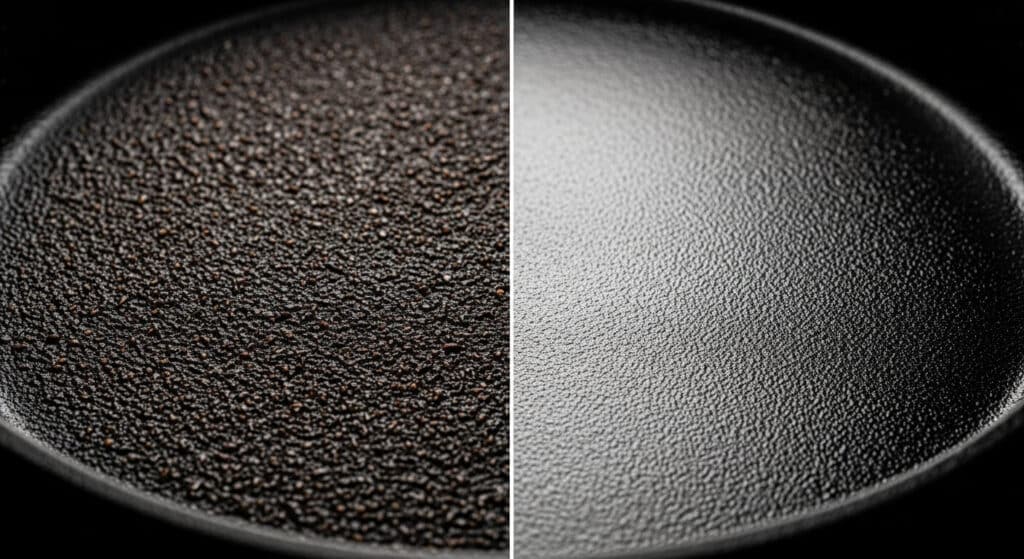
For deeper re-seasoning your cast iron when it starts to look dull or develops rust spots: scrub with steel wool, rinse, dry completely, coat the entire pan (inside and out) in a thin layer of oil, and bake upside down at 450°F for an hour. Let it cool in the oven. Do this 3–4 times and the surface comes back better than before.
Use it often. The more you cook in it — especially with some oil or fat — the better the seasoning becomes. Cast iron rewards regular cooking. So cook breakfast in it tomorrow.