Cast iron skillet healthy brunch recipes are some of the most satisfying meals you can put on a table — good for you, genuinely delicious, and all made in one pan. No juggling three skillets. No mountain of dishes. Just solid food that happens to be nutritious.
These 10 recipes cover sweet and savory, vegetarian and protein-heavy, quick weekday options and slower weekend projects. All serve a family of four.
The Magic of Cast Iron Cooking for Brunch
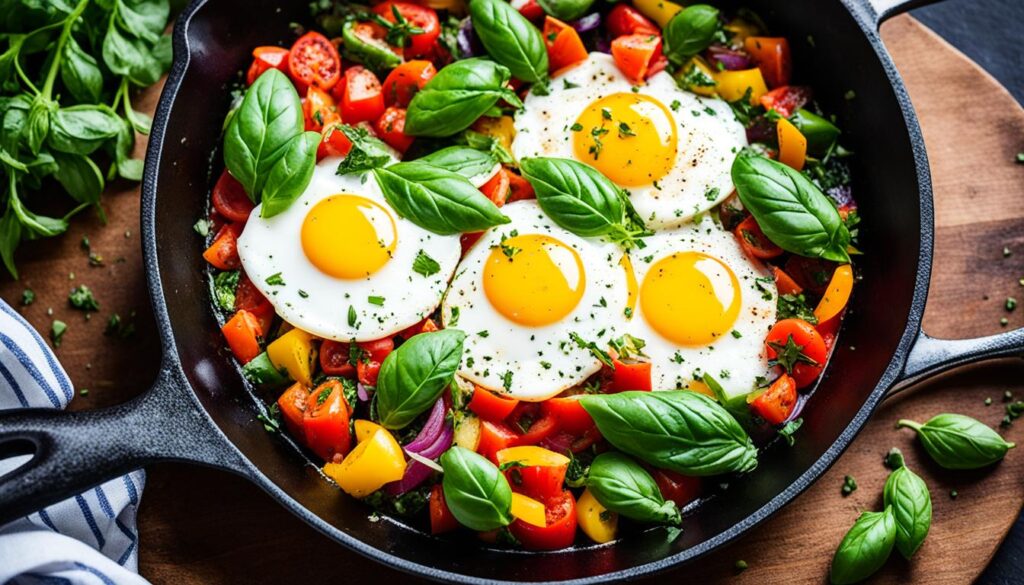
Cast iron changes brunch cooking in a way that’s hard to describe until you’ve experienced it. The heat is different. It’s even, it’s consistent, and it holds — so when you crack eggs into a hash or pour frittata batter over sautéed vegetables, everything cooks at the same rate. No raw spots. No overcooked edges.
It goes stovetop to oven without swapping pans. That matters for Dutch babies, baked egg dishes, and frittatas that need a few minutes under the broiler. One pan handles the whole thing.
Why Cast Iron Beats Other Pans for Brunch
Here’s the honest case:
- Even heat means pancakes brown consistently — not pale in the middle, burnt at the edge
- The surface gets better with every use, unlike non-stick coatings that degrade
- Cooking acidic or iron-rich foods actually picks up trace dietary iron from the pan
- Goes from stovetop to 500°F oven without any issue
The oil you season with matters for high-heat cooking. Quick reference:
| Oil Type | Smoke Point (°F) | Best For |
|---|---|---|
| Avocado oil | 520 | High-heat searing, seasoning |
| Grapeseed oil | 420 | General cooking, seasoning |
| Canola oil | 400 | Everyday cooking |
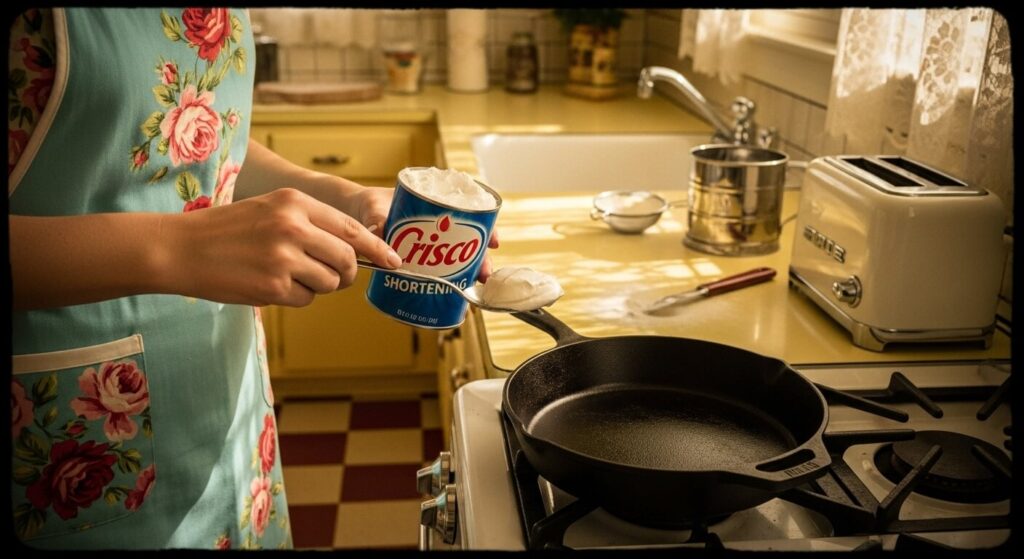
To clean your cast iron after brunch: hot water, stiff brush, no soap. Dry completely on the stovetop. Thin wipe of oil while still warm. Done in two minutes.
Essential Tips for Seasoning and Maintaining Your Cast Iron Skillet
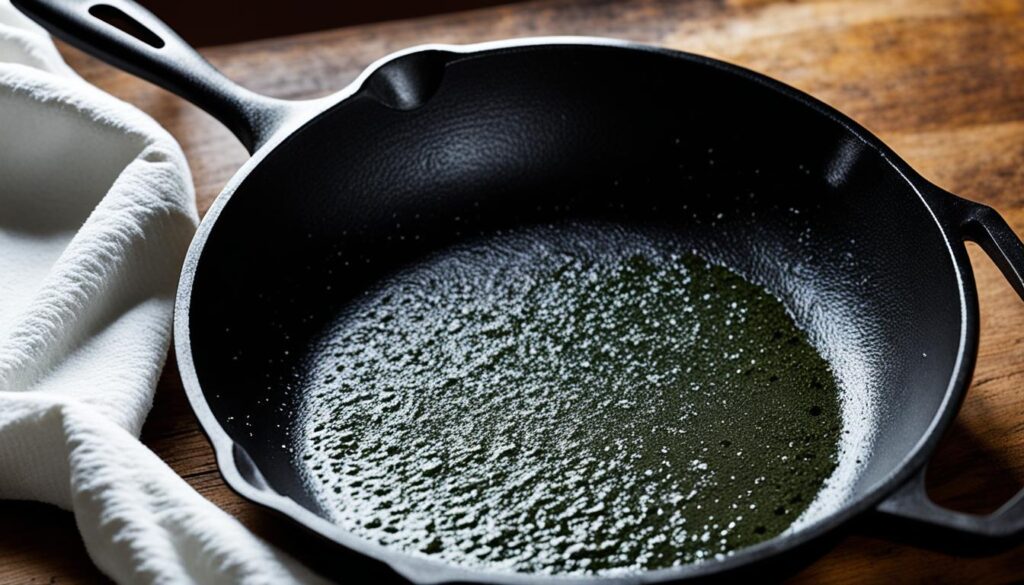
A well-maintained cast iron skillet outlasts every other pan in your kitchen by decades. The care routine isn’t complicated — it just needs to be consistent.
Proper Seasoning Techniques
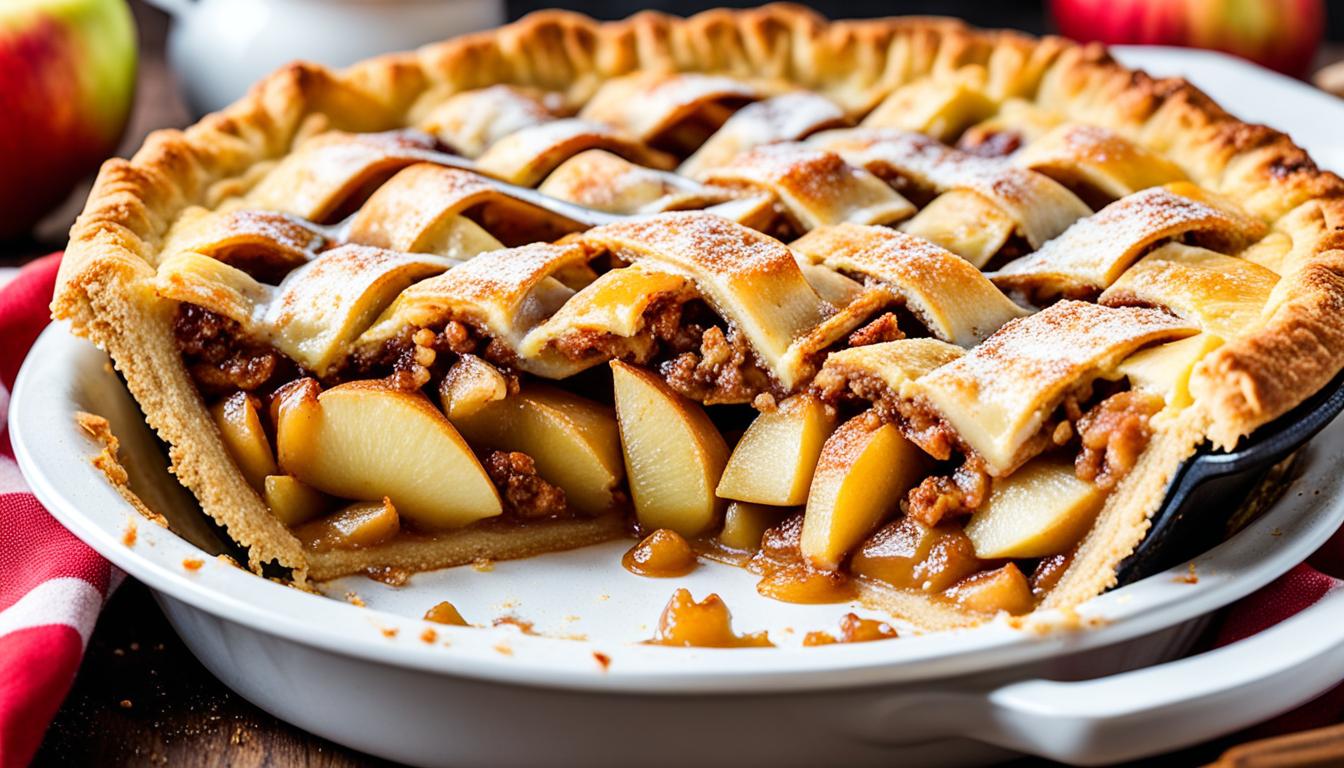
New skillet or one that’s lost its non-stick surface? Do this:
- Preheat oven to 350°F
- Wash skillet with hot water, scrub well, dry completely on the stovetop over low heat
- Apply a very thin layer of vegetable oil or flaxseed oil all over — inside, outside, handle
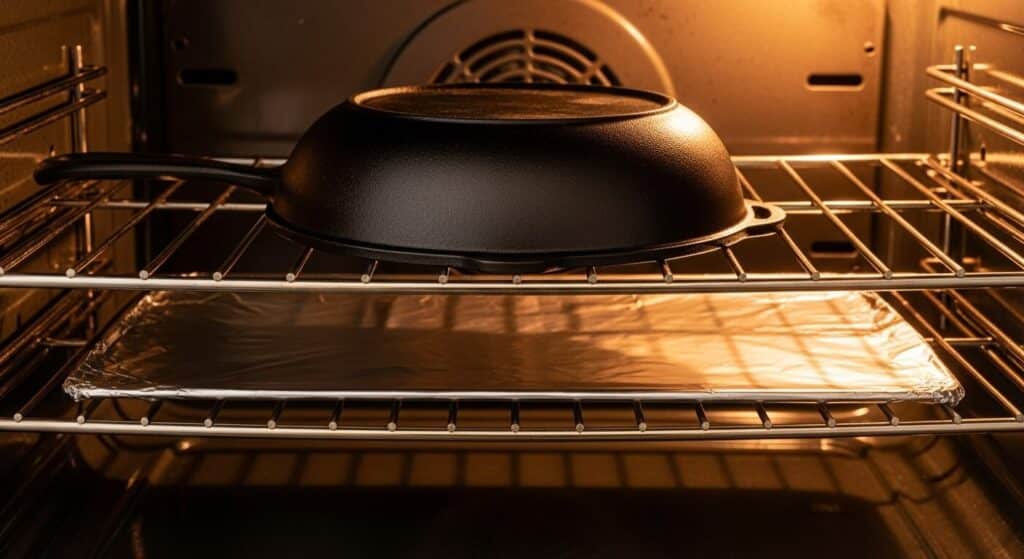
- Place upside-down in oven with foil underneath to catch drips
- Bake one hour, turn off oven, let cool inside
Repeat 2-3 times on a new pan. The seasoning builds with every cook.
Cleaning and Storage Best Practices
No soap. Ever. Hot water and a stiff brush handle everything. For stuck food, coarse kosher salt and a paper towel. After cleaning, dry fully on the stovetop — any moisture left behind causes rust. Wipe with a thin layer of oil while still warm. Store in a dry place, ideally with a paper towel between stacked pans.
Restoring a Rusty Skillet
Not a lost cause. Scrub with steel wool until rust is gone, wash and dry completely, then re-season from scratch following the steps above. A little surface rust is actually easy to fix — it’s deep pitting that’s the problem, and that takes serious neglect.
A well-seasoned skillet makes everything from frittatas to this cast iron Chicago deep dish pizza come out better. The investment in maintenance pays off every single time you cook.
Savory Dutch Baby with Arugula & Parmesan
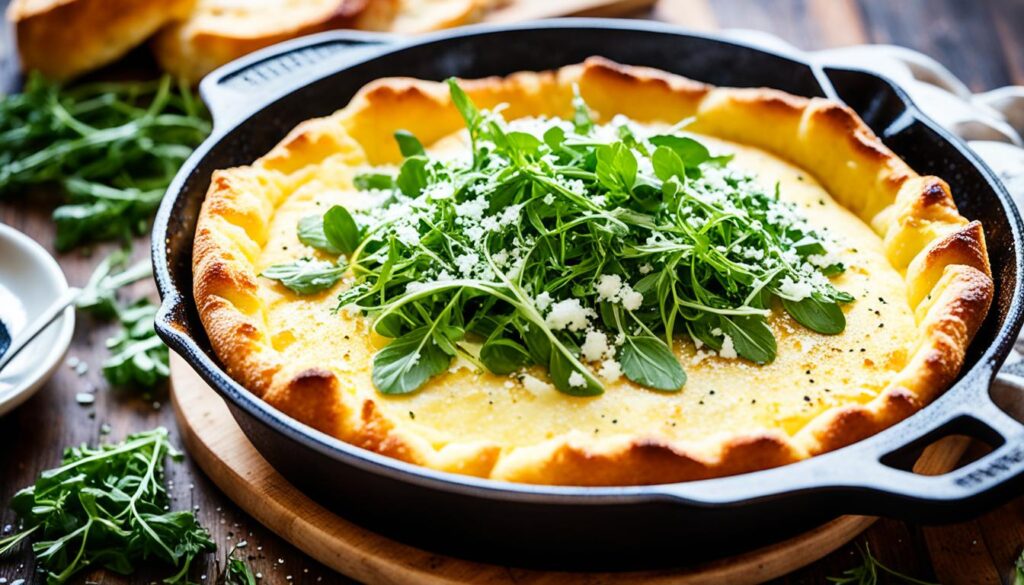
A savory Dutch baby is one of those recipes that looks dramatically impressive and takes almost no skill. You make a simple batter, pour it into a screaming-hot cast iron skillet, and the oven does everything. It puffs up into this golden, crispy-edged, custardy pancake — then you top it with peppery arugula and Parmesan while it’s still hot and everything wilts together perfectly.
It’s better than it sounds. And it already sounds great.
Ingredients (Serves 4)
- 1 cup all-purpose flour (or gluten-free flour blend)
- 4 large eggs
- 1 cup whole milk
- 1/4 teaspoon salt
- 1/4 teaspoon black pepper
- 3 tablespoons unsalted butter
- 3 cups fresh arugula
- 1/3 cup freshly grated Parmesan cheese
- 1 tablespoon olive oil (for dressing arugula)
- Squeeze of fresh lemon juice
- Flaky sea salt for finishing
How to Make It
- Preheat oven to 425°F. Place cast iron skillet inside to preheat — it needs to be hot
- Whisk flour, eggs, milk, salt, and pepper together until smooth. Let batter rest 5 minutes
- Using oven mitts, pull the hot skillet, add butter, and swirl until melted and foaming
- Pour batter in immediately — it should sizzle
- Return to oven, bake 20-22 minutes until dramatically puffed and deep golden
- While it bakes, toss arugula with olive oil and lemon juice
- Pull Dutch baby from oven, immediately top with dressed arugula and Parmesan
- Finish with flaky sea salt, cut into wedges, serve within 5 minutes — it deflates as it cools
It’s versatile too. Swap arugula for thinly sliced prosciutto and fig. Or roasted cherry tomatoes and fresh basil. The base works with almost any savory topping. For a fuller spread, this pairs nicely alongside healthy beef and broccoli stir fry.
| Ingredient | Why It’s in the Recipe |
|---|---|
| Eggs (4) | Structure and the puff — don’t reduce |
| Whole milk | Tenderness, custardy interior |
| Butter | Golden crispy edges, flavor |
| Arugula | Peppery freshness cuts the richness |
| Parmesan | Savory, umami hit on top |
Nutritional Information (Per Serving)
| Nutrient | Amount per Serving |
|---|---|
| Calories | 342 |
| Carbohydrates | 28g |
| Protein | 16g |
| Fat | 18g |
| Fiber | 1g |
| Sodium | 428mg |
Vegetable-Packed Mediterranean Frittata
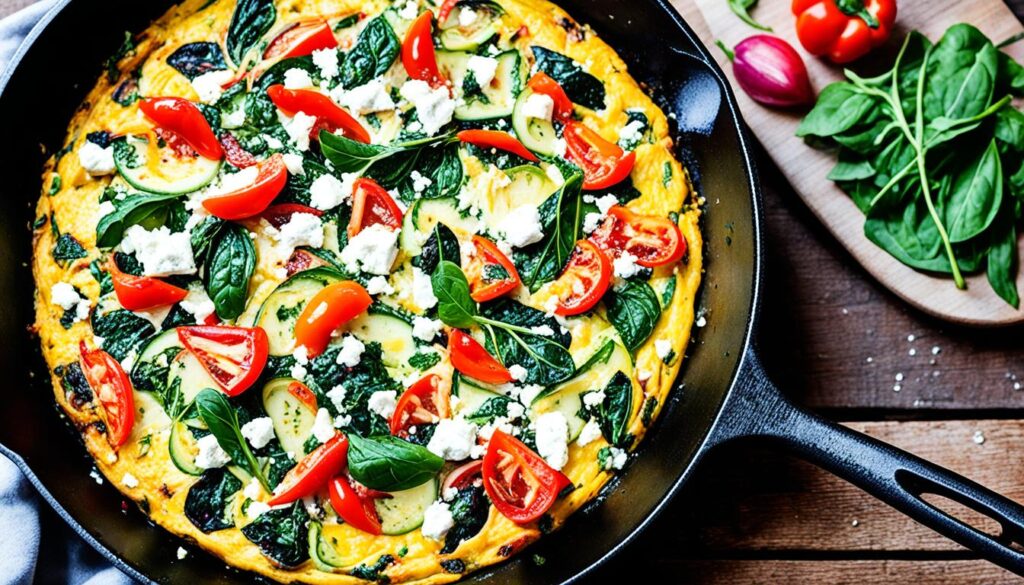
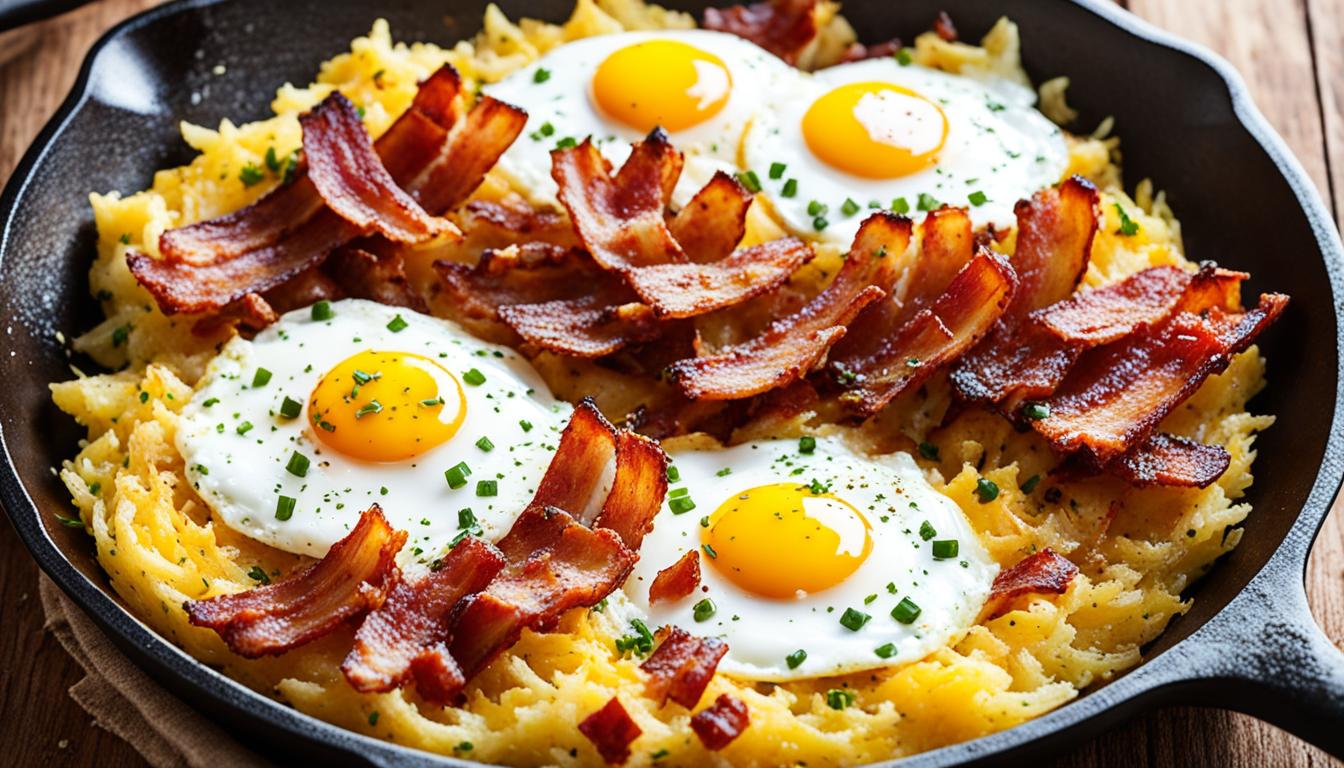
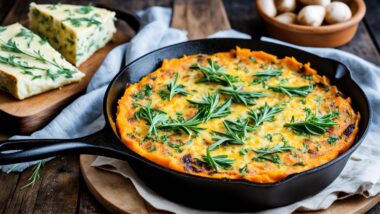
The Mediterranean frittata is the brunch dish that looks like you planned it and takes 30 minutes from fridge to table. Bell peppers, spinach, feta, fresh basil — all the right flavors together in one pan. High protein, low carb, genuinely filling.
Cast iron is specifically good for frittatas because it holds heat evenly during the stovetop phase and transitions straight to the oven for the finish.
Ingredients (Serves 4)
- 8 large eggs
- 3 tablespoons whole milk
- 1 cup bell peppers, diced (red and yellow)
- 2 cups fresh baby spinach
- 1/2 cup crumbled feta cheese
- 1/4 cup fresh basil leaves, roughly torn
- 1/4 cup sun-dried tomatoes, roughly chopped
- 2 cloves garlic, minced
- 2 tablespoons olive oil
- Salt and black pepper to taste
- Red pepper flakes (optional)
Step-by-Step Cooking Instructions
- Preheat oven to 375°F
- Heat olive oil in a 10-inch cast iron skillet over medium heat
- Add bell peppers and cook 4-5 minutes until softened
- Add garlic and sun-dried tomatoes, cook 1 minute
- Add spinach, stir until wilted — about 2 minutes
- Whisk eggs with milk, salt, and pepper in a bowl
- Pour egg mixture evenly over vegetables in the skillet
- Scatter feta across the top, don’t stir
- Cook on stovetop 3-4 minutes until edges begin to set
- Transfer to oven, bake 15-18 minutes until center is just set
- Scatter fresh basil over top, cut into wedges, serve from the skillet
Nutritional Information (Per Serving)
| Nutrient | Amount per Serving |
|---|---|
| Calories | 298 |
| Carbohydrates | 8g |
| Protein | 18g |
| Fat | 22g |
| Fiber | 2g |
| Sodium | 512mg |
Low-Carb Cauliflower and Kale Frittata
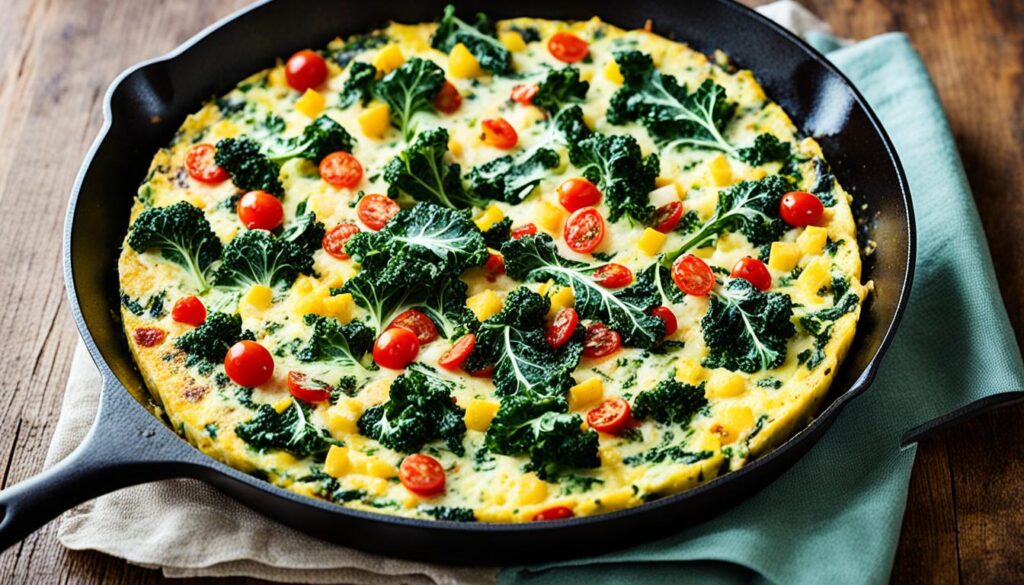
This is the frittata for people watching their carbs without wanting to feel like they’re watching their carbs. Cauliflower replaces potatoes — same hearty texture, fraction of the carbs. Kale adds substance and nutrition. The cheddar on top gets slightly golden under the oven heat.
It’s filling. It’s good. Nobody at the table is going to feel like they missed out on anything. Check out more low-carb skillet ideas that follow the same principles.
Ingredients (Serves 4)
- 8 large eggs
- 1/4 cup heavy cream
- 2-1/2 cups cauliflower florets, cut into small pieces
- 2 cups kale, stems removed and roughly chopped
- 2/3 cup sharp cheddar cheese, shredded
- 1 small yellow onion, finely diced
- 3 cloves garlic, minced
- 2 tablespoons olive oil
- 1/2 teaspoon smoked paprika
- Salt and black pepper to taste
How to Make It
- Preheat oven to 375°F
- Heat olive oil in cast iron skillet over medium
- Add onion, cook 4 minutes until soft
- Add cauliflower and garlic, cook 5-6 minutes until cauliflower is tender and beginning to brown at the edges
- Add kale, stir and cook 2 minutes until wilted
- Season with smoked paprika, salt, and pepper
- Whisk eggs with heavy cream until combined, season lightly
- Pour egg mixture over vegetables
- Scatter cheddar evenly across the top
- Cook stovetop 3 minutes, then transfer to oven
- Bake 16-18 minutes until set and lightly golden on top
- Rest 5 minutes before slicing
Nutritional Information (Per Serving)
| Nutrient | Amount per Serving |
|---|---|
| Calories | 348 |
| Carbohydrates | 9g |
| Protein | 22g |
| Fat | 26g |
| Fiber | 2.5g |
| Sodium | 468mg |
Sweet Potato Hash with Eggs
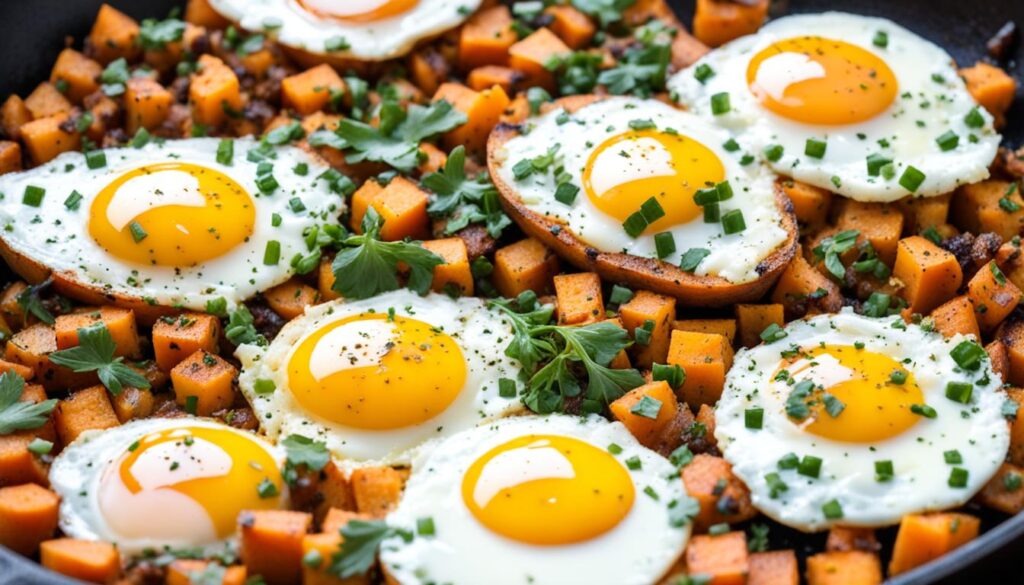
Sweet potato hash in cast iron is the breakfast where the pan does the work. The cast iron holds heat so well that the potatoes develop a genuine crust on the outside while staying tender inside — something that simply doesn’t happen on a non-stick pan. Then the eggs cook right in the hash at the end. One pan, start to finish.
Ready in 25 minutes. Good any day of the week.
Ingredients (Serves 4)
- 2 large sweet potatoes, diced small (about 4 cups)
- 1 red bell pepper, diced
- 1 medium yellow onion, diced
- 2 cloves garlic, minced
- 4 large eggs
- 2 tablespoons olive oil
- 1 teaspoon smoked paprika
- 1/2 teaspoon cumin
- 1/4 teaspoon garlic powder
- Salt and black pepper to taste
- Fresh cilantro or parsley for garnish
- Hot sauce for serving
How to Make It
- Heat olive oil in cast iron skillet over medium-high — let it get fully hot before adding anything
- Add sweet potatoes in a single layer, press down, cook undisturbed 4-5 minutes until the bottom develops a crust
- Add onion and bell pepper, stir to combine, cook another 5-6 minutes
- Add garlic, smoked paprika, cumin, and garlic powder — stir and cook 1-2 minutes
- Season well with salt and pepper, taste and adjust
- Create 4 wells in the hash, crack one egg into each well
- Reduce heat to medium, cover the skillet
- Cook 4-6 minutes until whites are set and yolks are still runny (cook longer if you prefer firm yolks)
- Scatter fresh herbs over the top, serve directly from the skillet
This sweet potato hash works as a standalone brunch or as part of a larger spread.
Nutritional Information (Per Serving)
| Nutrient | Amount per Serving |
|---|---|
| Calories | 312 |
| Carbohydrates | 38g |
| Protein | 11g |
| Fat | 14g |
| Fiber | 5.5g |
| Sodium | 284mg |
Apple Cinnamon Dutch Baby Pancake
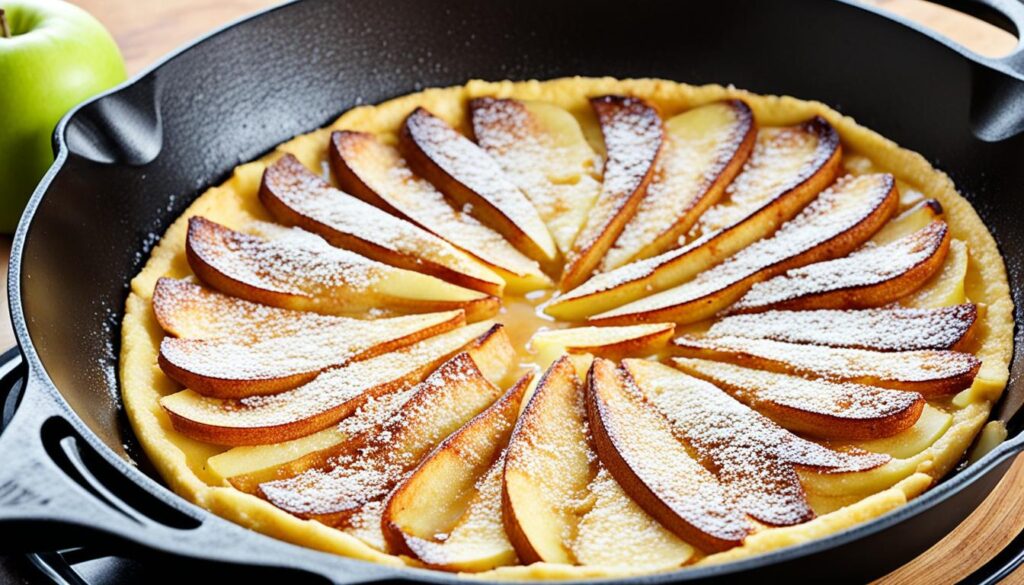
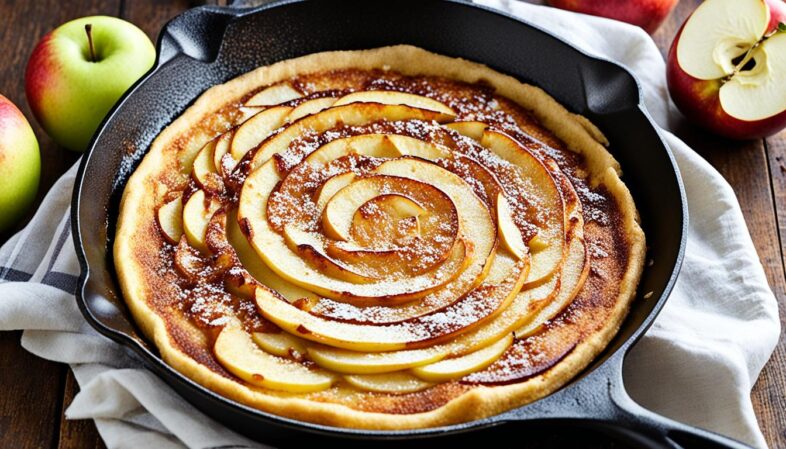
The sweet version of the Dutch baby. Caramelized apple slices cooked directly in the skillet, batter poured right over them, baked until puffed and golden. The apples end up embedded in the bottom of the pancake — soft, jammy, cinnamon-scented. It’s somewhere between a pancake and a baked apple dessert, and it’s better than either one alone.
Choosing the Right Apples for Baking
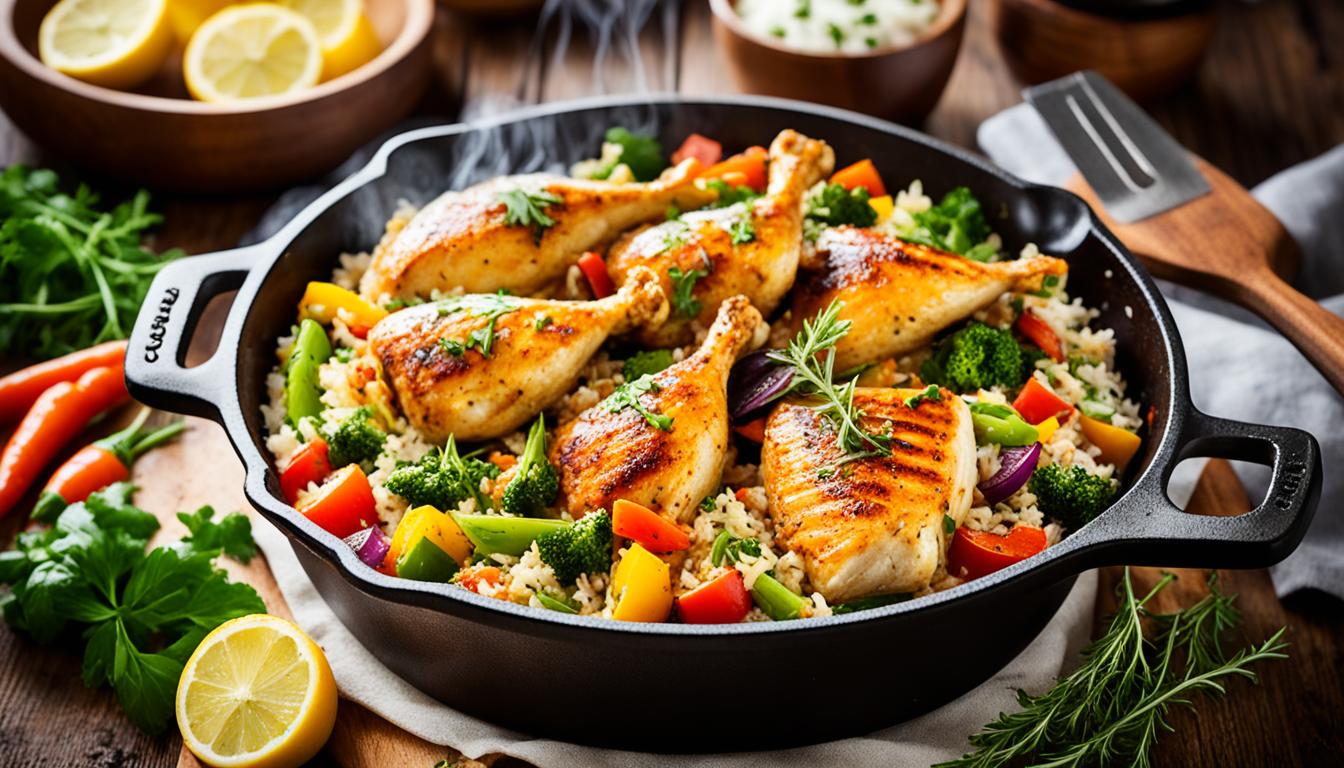
Honeycrisp. That’s the answer. They hold their shape under heat, stay slightly firm, and the sweet-tart balance is exactly right. Granny Smith is a good backup — more tart, less sweet, still holds up. Avoid anything too soft (McIntosh, Red Delicious) — they turn to mush.
Ingredients (Serves 4)
For the apple layer:
- 2 medium Honeycrisp apples, peeled, cored, and sliced thin
- 3 tablespoons unsalted butter
- 2 tablespoons brown sugar, packed
- 1 teaspoon ground cinnamon
- Pinch of nutmeg
For the batter:
- 4 large eggs
- 2/3 cup whole milk
- 2/3 cup all-purpose flour (or oat flour for a slightly nuttier version)
- 1 tablespoon brown sugar
- 1 teaspoon vanilla extract
- 1/2 teaspoon cinnamon
- 1/4 teaspoon salt
How to Make It
- Preheat oven to 425°F
- Melt butter in the cast iron skillet over medium heat on the stovetop
- Add apple slices, brown sugar, cinnamon, and nutmeg — cook 3-4 minutes, stirring occasionally, until apples are slightly softened and starting to caramelize
- Spread apples in an even layer in the skillet and remove from heat
- Whisk eggs, milk, flour, brown sugar, vanilla, cinnamon, and salt together until smooth — a few small lumps are fine
- Pour batter over the caramelized apples
- Transfer immediately to oven, bake 18-22 minutes until dramatically puffed and golden
- Serve within 5 minutes with maple syrup, powdered sugar, or a dollop of Greek yogurt
Gluten-Free Adaptation Options
Swap all-purpose flour for oat flour or almond flour. Oat flour gives the closest texture. Almond flour produces a slightly denser, richer pancake — also good, just different. The rest of the recipe stays exactly the same.
Topping Ideas for Extra Flavor
- Maple syrup and a dusting of powdered sugar — the classic
- Greek yogurt instead of whipped cream for a protein boost
- Fresh berries scattered on after it comes out of the oven
- A drizzle of almond butter for something more substantial
Nutritional Information (Per Serving)
| Nutrient | Amount per Serving |
|---|---|
| Calories | 368 |
| Carbohydrates | 48g |
| Protein | 11g |
| Fat | 15g |
| Fiber | 3g |
| Sodium | 218mg |
Spinach and Mushroom Wild Rice Frittata
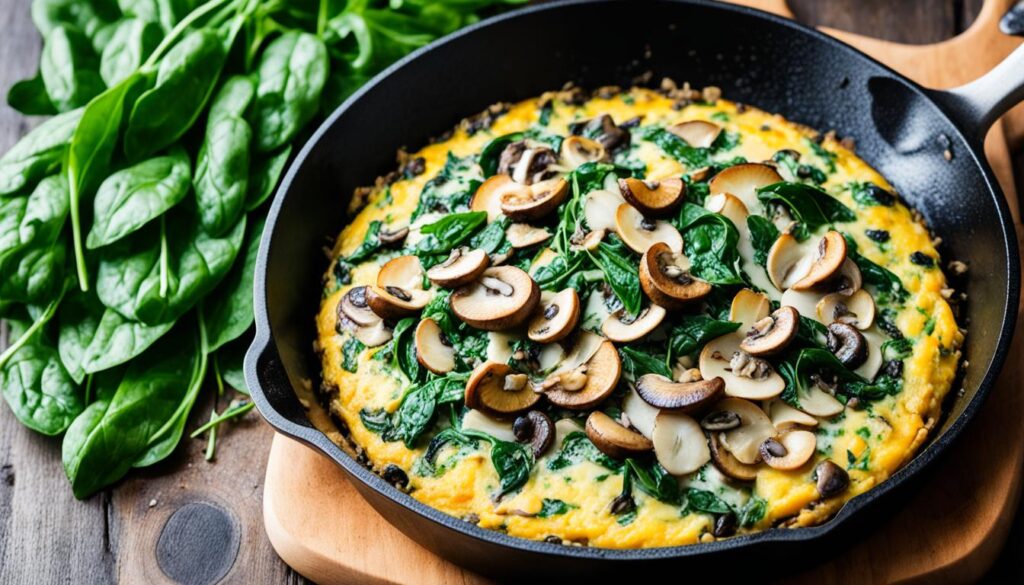
This is the frittata for when you want to serve something that feels restaurant-quality without the effort. Wild rice adds a nutty chew and extra protein that sets this apart from every other frittata on the table. The combination of gruyere and pecorino is richer and more complex than a standard cheddar blend. And the mushrooms — especially if you use cremini or morels — bring an earthiness that makes the whole dish feel substantial.
Make this one for people you want to impress.
Ingredients (Serves 4)
- 8 large eggs
- 1/4 cup whole milk or cream
- 1/2 pound fresh cremini mushrooms, sliced
- 3 cups fresh spinach, roughly chopped
- 3 cloves garlic, minced
- 1/2 cup cooked wild rice
- 1/2 cup gruyere cheese, shredded
- 1/3 cup pecorino romano, grated
- 3 tablespoons unsalted butter
- 2 tablespoons olive oil
- Salt, black pepper, and fresh thyme to taste
How to Make It
- Preheat oven broiler on high
- Heat butter and olive oil in cast iron skillet over medium-high
- Add mushrooms in a single layer — don’t stir for 3-4 minutes, let them brown properly. Stirring constantly = steamed mushrooms, not browned ones
- Once browned, add garlic and thyme, cook 1 minute
- Add spinach, stir until just wilted, 1-2 minutes
- Season with salt and pepper
- Whisk eggs with milk, half the gruyere, and half the pecorino
- Pour egg mixture over mushroom-spinach mixture in the skillet
- Stir gently to distribute wild rice and vegetables
- Cook on stovetop 4-5 minutes until edges are set
- Sprinkle remaining cheeses on top
- Transfer to broiler for 2-3 minutes until top is golden and bubbling — watch it constantly
- Rest 5 minutes, slice into wedges
Nutritional Information (Per Serving)
| Nutrient | Amount per Serving |
|---|---|
| Calories | 398 |
| Carbohydrates | 12g |
| Protein | 24g |
| Fat | 28g |
| Fiber | 2g |
| Sodium | 548mg |
Skillet Brioche French Toast with Griddle Apples
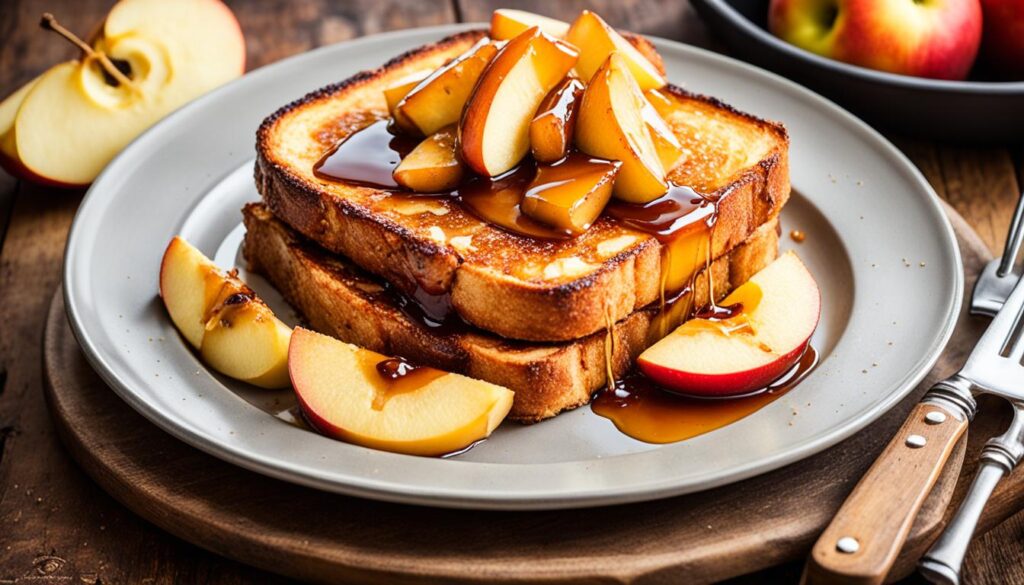
Brioche French toast in a cast iron skillet is in a different category from standard French toast. The cast iron gives the outside of the bread that slightly caramelized, firm golden crust that just doesn’t happen on a non-stick pan. And the griddle apples — cooked in the same pan with butter and maple syrup — are better than any bottled compote or sauce.
It’s a 20-minute recipe that tastes like something from a proper brunch restaurant.
Ingredients (Serves 4)

For the French toast:
- 8 thick slices brioche bread (about 1-1/4 inch thick)
- 4 large eggs
- 1/2 cup whole milk
- 1 teaspoon vanilla extract
- 1-1/2 teaspoons ground cinnamon
- 2 tablespoons unsalted butter (for cooking, in batches)
- Pinch of salt
For the griddle apples:
- 2 medium Honeycrisp or Gala apples, peeled and sliced
- 2 tablespoons unsalted butter
- 2 tablespoons pure maple syrup
- 1/4 teaspoon cinnamon
- Pinch of nutmeg
How to Make It
- Whisk eggs, milk, vanilla, cinnamon, and salt together in a shallow dish
- Soak brioche slices in egg mixture — about 30 seconds per side. Brioche absorbs fast; don’t over-soak or it falls apart
- Heat cast iron skillet over medium, melt 1 tablespoon butter
- Cook French toast in batches — 2-3 minutes per side until deep golden. Don’t crowd the pan
- Set cooked slices on a rack in a warm oven (200°F) while finishing batches
- In the same skillet, melt remaining butter for apples over medium heat
- Add apple slices, cook 3-4 minutes until starting to soften and turn golden
- Add maple syrup, cinnamon, and nutmeg — cook 1-2 more minutes until apples are glazed and tender
- Serve French toast with griddle apples spooned over the top
Nutritional Information (Per Serving — 2 Slices + Apples)
| Nutrient | Amount per Serving |
|---|---|
| Calories | 488 |
| Carbohydrates | 62g |
| Protein | 14g |
| Fat | 22g |
| Fiber | 3g |
| Sodium | 384mg |
Vegetarian Skillet Egg Scramble with Fresh Herbs
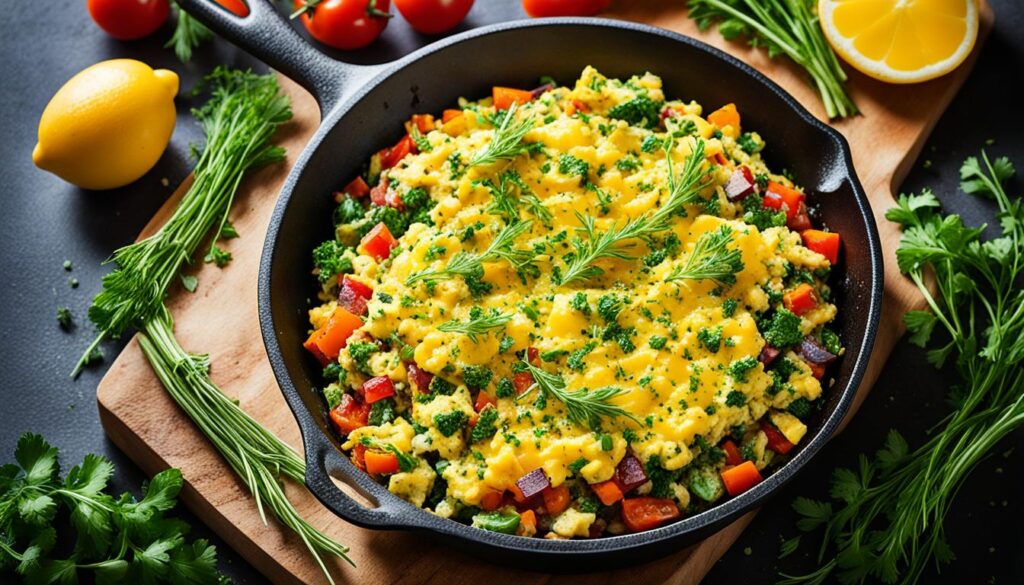
A good egg scramble is faster than it sounds and better than most people make it. The cast iron skillet gives you the even, medium-low heat that scrambled eggs actually need — not the aggressive heat that most people use that produces rubbery, dry eggs. The vegetables go in first. The herbs go in last. The eggs come off the heat while they still look slightly underdone.
That’s the whole method.
Using Leftover Vegetables Creatively
This is the recipe that clears out the vegetable drawer. Almost anything works — broccoli, zucchini, asparagus cut into small pieces, leftover roasted vegetables, mushrooms, any color bell pepper. Cut everything roughly the same size so it cooks at the same rate. That’s the only rule.
Ingredients (Serves 4)
- 8 large eggs
- 1/4 cup whole milk
- 1 cup broccoli florets, cut small
- 1 cup cremini mushrooms, sliced
- 1 red bell pepper, diced
- 1 cup fresh baby spinach
- 2 cloves garlic, minced
- 2 tablespoons olive oil or butter
- 2 tablespoons fresh chives, chopped
- 2 tablespoons fresh basil, torn
- 1 tablespoon fresh flat-leaf parsley, chopped
- Salt and black pepper to taste
- 1/3 cup crumbled goat cheese or shredded cheddar (optional)
Herb Combinations for Maximum Flavor
Chives, basil, and parsley is the combination that works best for this recipe — each brings something different. Chives add a mild onion note. Basil brings sweetness and freshness. Parsley gives brightness without competing. Add them after the eggs come off the heat so they stay vibrant.
Instructions
- Heat oil or butter in cast iron skillet over medium
- Add broccoli and mushrooms, cook 4-5 minutes until starting to brown
- Add bell pepper and garlic, cook 2-3 more minutes
- Add spinach, stir until just wilted
- Season vegetables with salt and pepper
- Whisk eggs with milk, salt, and pepper
- Reduce heat to medium-low, pour eggs over vegetables
- Cook, gently folding with a spatula every 30-45 seconds — don’t stir constantly
- Pull off heat when eggs are just barely set (they’ll finish cooking from residual heat)
- Scatter fresh herbs and cheese over the top, serve immediately
Protein-Boosting Add-ins
Crumbled firm tofu sautéed with the vegetables. Canned chickpeas, drained and added with the bell pepper. A handful of shredded rotisserie chicken. White beans, rinsed and stirred in at the end. All of these work. All add meaningful protein without changing the character of the dish.
Nutritional Information (Per Serving)
| Nutrient | Amount per Serving |
|---|---|
| Calories | 264 |
| Carbohydrates | 9g |
| Protein | 18g |
| Fat | 18g |
| Fiber | 2.5g |
| Sodium | 368mg |
Healthy Skillet Breakfast Potatoes
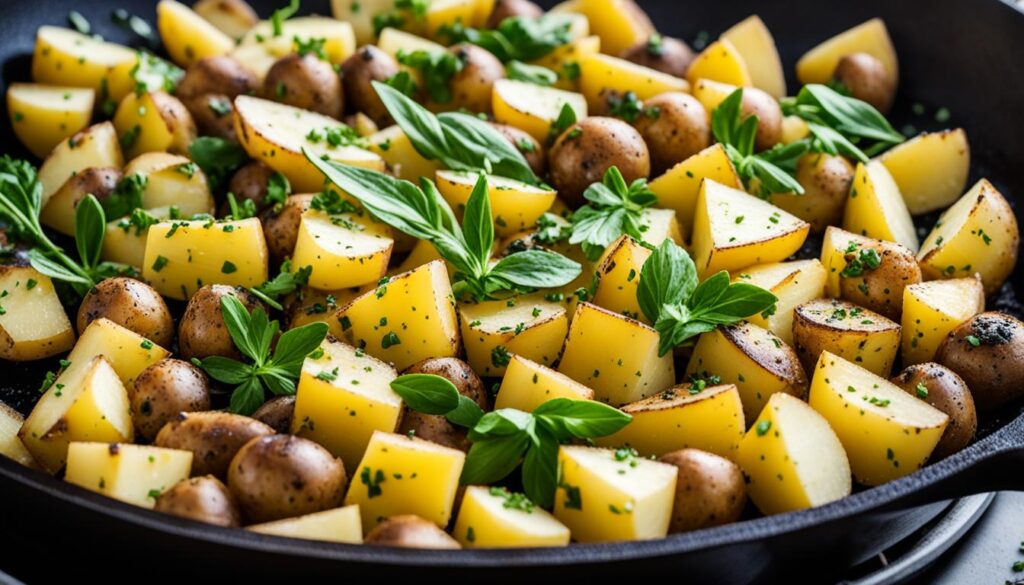
Skillet breakfast potatoes done right are one of the best things you can eat in the morning. Done wrong — steamed instead of crisped, underseasoned, not dried properly before cooking — they’re forgettable. Cast iron is what makes the difference. The pan holds high heat and doesn’t drop temperature when cold potatoes hit it, which is what produces the crust.
The trick is pre-cooking the potatoes. Steam them first, cool them completely, then cook them in the hot skillet. This is how diner-quality hash browns happen at home.
Ingredients (Serves 4)
- 1-1/2 pounds russet potatoes (about 3 medium), diced into 1/2-inch cubes
- 1 tablespoon unsalted butter
- 1 tablespoon olive oil
- 1/2 teaspoon garlic powder
- 1/2 teaspoon onion powder
- 1/2 teaspoon smoked paprika
- 1/4 teaspoon cayenne pepper (optional)
- 1/2 teaspoon dried rosemary
- 1/4 teaspoon dried thyme
- Salt and black pepper to taste
- Fresh parsley for garnish
Preparation Steps
- Steam diced potatoes 6-8 minutes until just fork-tender — not soft, just cooked through
- Spread on a baking sheet, cool completely (at least 30 minutes — overnight in the fridge is even better)
- Preheat oven to 425°F
- Heat 12-inch cast iron skillet over medium-high until very hot
- Add butter and olive oil, let butter foam
- Add potatoes in a single layer — don’t crowd, do batches if needed
- Season with all spices, salt, and pepper
- Cook 8-10 minutes, flipping every 2-3 minutes, until golden brown on multiple sides
- Transfer skillet to oven, bake 20-25 minutes until deeply crispy
- Garnish with fresh parsley, serve hot
Nutritional Benefits
Russet potatoes are a legitimately nutritious food — high in potassium, vitamin C, and complex carbohydrates for sustained energy. The combination of stovetop and oven cooking gets maximum crispiness with less oil than deep frying.
Nutritional Information (Per Serving)
| Nutrient | Amount per Serving |
|---|---|
| Calories | 224 |
| Carbohydrates | 34g |
| Protein | 4g |
| Fat | 8g |
| Fiber | 3g |
| Sodium | 312mg |
Smoked Salmon and Dill Savory French Toast
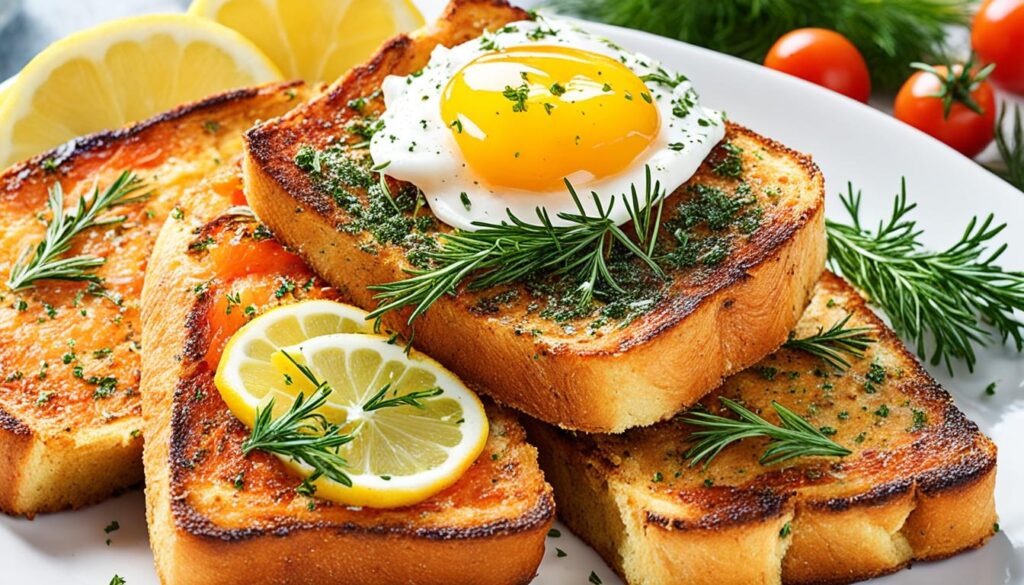
Savory French toast is the brunch move most people haven’t tried yet. Same technique as sweet French toast — egg-soaked brioche, fried in butter in the cast iron — but the custard mixture is seasoned with Dijon mustard instead of cinnamon, and the whole thing gets topped with smoked salmon, fresh dill, capers, and a quick sour cream sauce.
It’s elegant without being fussy. And it takes about 20 minutes.
Ingredients (Serves 4)
For the French toast:
- 8 thick slices brioche bread
- 4 large eggs
- 1/4 cup whole milk
- 1 tablespoon Dijon mustard
- 1/4 teaspoon black pepper
- 2 tablespoons unsalted butter (for cooking)
For the topping:
- 8 oz cold-smoked salmon
- 1/4 cup fresh dill, roughly chopped
- 1/4 small red onion, very thinly sliced
- 2 tablespoons capers, drained
For the sour cream sauce:
- 1/3 cup sour cream or crème fraîche
- 1 tablespoon capers, chopped
- 1 teaspoon lemon zest
- 1 tablespoon fresh dill, minced
- Salt and pepper to taste
How to Make It
- Whisk eggs, milk, Dijon mustard, and black pepper together in a shallow dish
- Soak brioche slices 30 seconds per side
- Melt butter in cast iron skillet over medium heat
- Cook French toast in batches — 2-3 minutes per side until golden and slightly firm
- Make the sauce: stir sour cream, chopped capers, lemon zest, and dill together. Season with salt and pepper
- Plate the French toast, arrange smoked salmon on top
- Scatter red onion, capers, and fresh dill over everything
- Drizzle sour cream sauce across the top
- Serve immediately — the contrast between warm brioche and cold salmon is the point
| Ingredient | What It Does |
|---|---|
| Dijon mustard in egg mix | Adds tang, removes the sweetness |
| Smoked salmon | Smoky, silky, high-protein topping |
| Capers | Briny punch that cuts through the richness |
| Fresh dill | Herby freshness, classic with salmon |
| Sour cream sauce | Creamy binding element for all the toppings |
Nutritional Information (Per Serving — 2 Slices)
| Nutrient | Amount per Serving |
|---|---|
| Calories | 468 |
| Carbohydrates | 38g |
| Protein | 28g |
| Fat | 22g |
| Fiber | 1.5g |
| Sodium | 884mg |
Incorporating These Recipes into Your Healthy Lifestyle
These 10 recipes give you a full week of varied, nutritious brunch options without repeating flavors or nutritional profiles. A few notes on building a brunch spread that actually works:
Mix a high-protein recipe with a lighter one. The Mediterranean frittata (18g protein) alongside the skillet breakfast potatoes covers both bases without overloading on any single macronutrient. The savory Dutch baby and the vegetarian egg scramble both work as lighter options for days when a big meal feels like too much.
For families with different dietary needs at the table — low-carb eaters alongside people who want the sweet Dutch baby — most of these recipes can sit alongside each other without issue. The frittatas, both Mediterranean and cauliflower-kale, serve the low-carb crowd. The French toast recipes serve everyone else.
Worth noting: cast iron cooking itself adds trace dietary iron to food — measurable amounts, particularly in acidic or moist dishes. Small benefit, but real. Another quiet reason these recipes are genuinely healthier than the same food made in non-stick pans.